Bogotá
Send it to whoever you'd travel with
Bogotá is a high-altitude South American capital that has transformed dramatically in the last two decades — the Gold Museum is the best in the Americas, La Candelaria is one of the continent's most intact colonial centers, and the food scene anchored by Andrés Carne de Res is genuinely world-class, but the altitude demands respect.
Bogotá sits at 2,640 meters above sea level, and the altitude is the first thing every visitor notices — a slight breathlessness on stairs, a particular quality of light, and an afternoon temperature that drops sharply once the sun falls behind the Eastern Andes. Give yourself 24 hours of gentle acclimatization before committing to full-day walking tours or heavy meals. The altitude makes itself felt even for visitors arriving from lower Colombian cities.
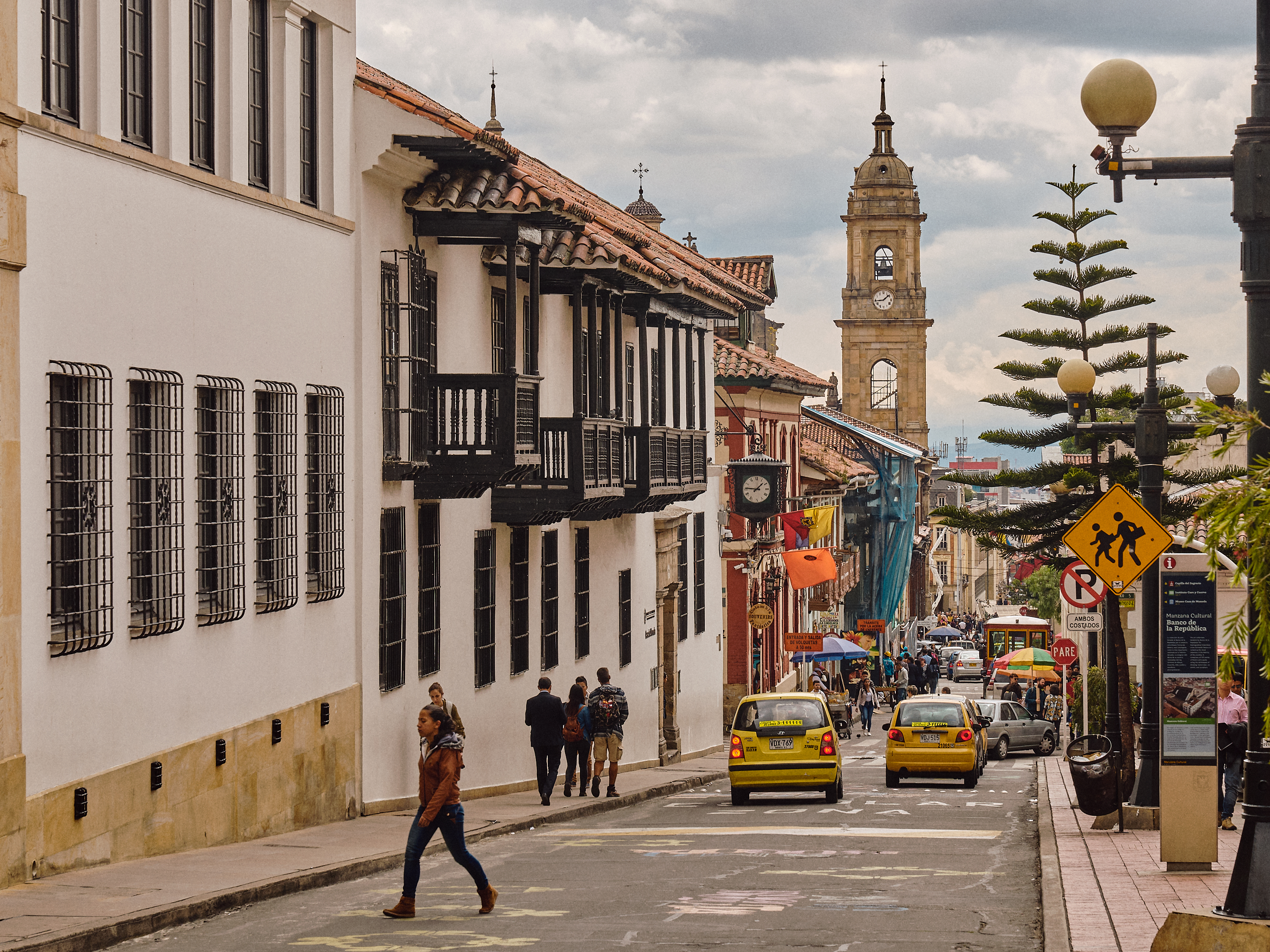
The historic center, La Candelaria, is one of the best-preserved Spanish colonial districts in South America. The streets are dense with colonial churches, plazas, and the kind of student and arts culture that develops around a university district. The Museo del Oro — the Gold Museum — holds the largest collection of pre-Columbian gold artifacts in the world, including the legendary Muisca raft thought to have inspired the El Dorado myth. It's genuinely extraordinary and not well known outside the region. Budget two hours minimum.
The transformation narrative matters here. Bogotá in the late 1980s and 1990s was among the most dangerous cities in the world — a cartels-and-kidnapping reputation that defined international perception for a generation. The Bogotá of 2025 is different in ways that can be observed in concrete terms: the Ciclovía (126 km of streets closed to cars every Sunday for cyclists and pedestrians), the TransMilenio bus rapid transit system that moves 2.5 million people daily, the Usaquén and Chapinero arts districts, the international restaurant scene in Zona Rosa and Parque 93. The change is real, measurable, and ongoing.
Andrés Carne de Res in Chía, a 40-minute drive north of the city center, is the kind of restaurant that becomes a reason to visit a country. Started in 1982 by Andrés Jaramillo as a meat restaurant on the road north from Bogotá, it has expanded into a 2,000-person multi-building complex that functions as restaurant, performance space, disco, and cultural institution simultaneously. The food is excellent — the original parilla cuts and the house aguardiente cocktails — but the experience is irreducibly Colombian in a way that no amount of description fully captures.
The practical bits.
- Best time
-
December – March · July – AugustBogotá has two dry seasons: December–March and June–September, with the cleaner version in December–March. April, May, October, and November are rainier. The altitude means even dry-season mornings can be cool (8–10°C) and clouds appear quickly. Bogotá at high altitude has relatively consistent weather — no extreme seasons like coastal Colombia.
- How long
-
4 nights recommended2 nights covers La Candelaria and the Gold Museum. 4 lets you add Monserrate, the Usaquén market, a food circuit, and Andrés Carne de Res. 7 allows day trips to Zipaquirá, Villa de Leyva, or the Laguna de Guatavita.
- Budget
-
$110 / day typicalBogotá is excellent value for a South American capital. Meals at quality restaurants run $10–20 per person. Hostels start at $15–25/night; boutique hotels in Usaquén or Chapinero run $80–160. Uber is extraordinarily cheap — cross-city rides under $5.
- Getting around
-
Uber · TransMilenio busUber operates cheaply and reliably across the city. Traditional yellow taxis are metered and generally honest. TransMilenio (BRT) is fast but dense; not comfortable with luggage. La Candelaria and La Macarena are walkable within themselves but 20–30 minutes apart. Sunday Ciclovía closes major roads to cars — bikes and rollerblades are the morning transport on those days.
- Currency
-
Colombian Peso (COP) · rates roughly 4,000 COP per USDCards accepted at most mid-range and higher restaurants and hotels. Carry cash (COP) for markets, street food, and smaller establishments. ATMs are widely available; withdraw in large denominations to reduce transaction fees.
- Language
- Spanish. English is spoken in Zona Rosa, Chapinero, and higher-end Usaquén establishments. Limited in La Candelaria and working-class districts. A basic Spanish vocabulary is practical and appreciated.
- Visa
- US, Canadian, EU, UK, and Australian passport holders receive 90 days visa-free. Colombia has been expanding visa-free access significantly.
- Safety
- Bogotá is safe in La Candelaria, La Macarena, Chapinero, Zona Rosa, Parque 93, and Usaquén. Avoid Ciudad Bolívar and peripheral southern and western neighborhoods. Don't use your phone on the street in tourist areas — phone theft (cellular grab-and-run) is common. Use Uber app rather than flagging taxis from street corners at night. La Candelaria is safe by day with crowds; quieter after 7 PM.
- Plug
- Type A / B · 110V — same as the US.
- Timezone
- COT · UTC−5 (no daylight saving time)
A few specific picks.
Hand-picked, not algorithmic. Each of these has earned its space.
The single best museum in South America — 55,000 pre-Columbian gold pieces, including the Muisca raft thought to have inspired the El Dorado legend. The sala oscura (dark room) where all the pieces are lit simultaneously is a genuine wonder. Arrive when it opens; budget 2 hours minimum.
The colonial historic center — Plaza Bolívar, the Catedral Primada, Palacio de Liévano, the Botero Museum (admission free), and densely painted streets. Walk with a guide or use a mapped route. Best on weekday mornings when the plazas fill with students and vendors rather than tour groups.
The obligatory Colombian dining experience — a 2,000-person sprawl of parilla, aguardiente cocktails, live music, and Colombiana festivity that has no equivalent elsewhere in the Americas. Reserve online. Go on a Friday or Saturday night for the full theatrical version. Not a cheap dinner, but not expensive by international standards.
A white-domed church at 3,152 m with a 360-degree view of the city — a Bogotá obligation. Reachable by cable car or funicular (departs Monserrate station, 30 min walk from La Candelaria), or by the hiking path (2 hours up). Weekdays are significantly less crowded. The full skyline of this 8-million-person city from altitude is memorable.
A former colonial village now absorbed into northern Bogotá — cobblestoned plaza, art galleries, excellent restaurants, and a Sunday flea market that becomes the city's most pleasant social ritual. Charms and crafts are secondary; the people-watching, the food stalls, and the morning coffee in a plaza restaurant are the reason to come.
Bogotá has one of the world's most impressive legal street art scenes — the city government decriminalized street art in 2011 and artists from around the world have produced murals throughout La Candelaria, Chapinero, and La Macarena. Guided tours run 2–3 hours; free walking routes are publishable with a smartphone.
A mid-century covered market in the La Macarena neighborhood — the most local food experience in the city. Changua (milk and egg soup), arepas, tamales, and fresh-squeezed lulo juice. The kind of market that feeds a neighborhood and hasn't been designed for Instagram.
The high-end restaurant cluster — Parque 93 square and the Zona Rosa streets north of it hold the city's best international and contemporary Colombian restaurants. Leo Cocina y Cava (Leonor Espinosa's flagship) is a definitive Bogotá culinary experience.
Every Sunday and public holiday, 126 km of Bogotá's main roads are closed to cars. Cyclists, joggers, skaters, and families fill the lanes from 7 AM to 2 PM. Renting a bike and joining the Ciclovía is the most local thing a visitor can do in Bogotá — and the city transforms.
Fernando Botero donated his personal collection to the Colombian state — access is free. The museum holds Botero's own sculptures and paintings alongside an exceptional international collection including Picasso, Dalí, and Chagall pieces. A free 90-minute stop that makes the Gold Museum's $4 entry fee look extravagant by comparison.
Pick a neighborhood, not a hotel.
Bogotá is a city of neighborhoods. The one you stay in shapes the trip more than the property does.
Different trips for different travelers.
Same city, very different stays. Pick the lens that matches your trip.
Bogotá for culture and museum travelers
Bogotá has the highest concentration of museums and cultural institutions in Colombia. The Gold Museum, Botero Museum (free), National Museum, and MAMBO (modern art) form a world-class 3-day museum circuit. Add La Candelaria's street art layer for one of the strongest cultural itineraries in South America.
Bogotá for food travelers
Bogotá's food scene is underrated internationally. Leo Cocina y Cava is the flagship of Colombia's gastronomic renaissance. Andrés Carne de Res is the obligatory experience. The Mercado de la Perseverancia is the local everyday baseline. Allow 4 nights to do the full circuit without rushing.
Bogotá for solo travelers
Excellent solo destination — the hostel infrastructure in La Candelaria and Chapinero is active, free walking tours connect you immediately with other travelers, and the Ciclovía is the city's weekly social institution. Bogotá is one of the more social, energetic capitals in South America for independent travelers.
Bogotá for history and colonial architecture travelers
La Candelaria is one of the best-preserved colonial centers on the continent. Add the Gold Museum's pre-Columbian depth, the Villa de Leyva day trip, and the Zipaquirá salt mine's mining history for a complete layered historical narrative.
Bogotá for budget travelers
Bogotá offers the lowest cost-per-quality experience of any South American capital. Hostels from $15/night, $3 ajiaco lunches at La Candelaria fondas, free museums (Botero), the Ciclovía (free), and the Zipaquirá bus for $3 each way. Five excellent days are possible for $200 total.
Bogotá for business and conference travelers
Bogotá is Colombia's business capital and a growing regional hub for Latin American operations of international companies. Andrés Carne de Res has become the standard corporate entertainment venue for Colombian executives. The Zona Rosa hotel corridor has solid international standard properties.
When to go to Bogotá.
A quick year at a glance. Great, good, or skip — see what each month is doing before you book.
One of the drier months. Good visibility for Monserrate views. Pleasant walking weather.
Continues the dry season. Good month overall; slightly drier than March.
First rainy season starting. Afternoon showers increase through the month.
Wettest of the first rainy period. Expect daily afternoon showers. Streets in La Candelaria can flood.
Still rainy but beginning to improve. Lush green hillsides. Not ideal for outdoor priorities.
Transition to dry period. Good month with improving conditions.
Dry and breezy. The cooler, windier version of the Bogotá dry season. Excellent for museums and city walking.
Continues the dry season. A strong month for visiting. Book ahead for Andrés Carne de Res.
End of the dry period. Second rainy season beginning mid-month.
Heaviest rain month of the year. Flooding possible in low areas. Not recommended for outdoor priorities.
Still rainy early month. Tapering toward December. Prices lower than December.
Christmas and New Year are Bogotá at its most festive. Dry conditions returning. Strong month overall.
Day trips from Bogotá.
When you want a change of pace. Each one's a half-day or full-day out, easy from Bogotá.
Zipaquirá Salt Cathedral
1 hOne of Colombia's most unusual attractions — a fully functioning Catholic cathedral 200 meters underground inside an active salt mine. The scale and the architecture are genuinely striking. Bus from Portal del Norte TransMilenio station or shared taxi from Bogotá.
Villa de Leyva
3 hA perfectly preserved colonial village declared a national monument. The central Plaza Mayor is the largest in Colombia. The surrounding highlands have dinosaur fossils and the Iguaque lagoon hike. Long for a day trip; an overnight is better if possible.
Laguna de Guatavita
1.5 hThe volcanic lake at the source of the El Dorado legend — Muisca ceremonies involving a gold-covered chief took place here. Guided hike around the crater rim. Combines well with Zipaquirá for a full highland day.
Chía (Andrés Carne de Res)
40 minTechnically an evening excursion rather than a day trip. Reserve a table at Andrés Carne de Res and make the drive north from Bogotá. The restaurant is the destination; Chía itself is a suburban town.
Nemocón Salt Mine
1 hA smaller, older salt mine with underground salt lakes and chambers. Less dramatic than Zipaquirá's cathedral but significantly less crowded. Often combined on the same day trip route.
Suesca Rock Climbing
1.5 hColombia's primary climbing destination — 200+ routes on sandstone columns near the small town of Suesca. Day operators from Bogotá run guided climbing days for all levels. About 1.5 hours north by local bus.
Bogotá vs elsewhere.
Quick honest reads on the cities people compare Bogotá to.
Medellín has a year-round spring climate (1,495 m — more comfortable altitude), a stronger urban transformation narrative, and better access to coffee country. Bogotá has superior museums, the gold collection, more colonial depth, and a more complex, layered urban culture. Most Colombia trips include both.
Pick Bogotá if: Museums, food, and the richest colonial-historical depth in Colombia are the priorities, and you don't mind the altitude and variable weather.
Cartagena is Caribbean beach, colonial walls, and clear blue water — beautiful, atmospheric, and less complex. Bogotá is a 10-million-person highland capital with world-class museums and a food scene. Completely different experiences; most Colombia trips combine both.
Pick Bogotá if: Cultural depth, museums, altitude, and food are the drivers rather than beach and Caribbean atmosphere.
Lima has arguably South America's best food scene and stronger archaeological access to Peru's history. Bogotá has better street art, the Gold Museum, and a more affordable price point. Both are serious urban capital experiences without the traditional scenic draws of Cusco or Cartagena.
Pick Bogotá if: South American capital culture on a moderate budget with gold museum, street art, and Colombian gastronomy as the draws.
Both are high-altitude Latin American capitals with strong colonial centers and similar altitude challenges. Quito is smaller, better-preserved architecturally (arguably), and the gateway to the Galápagos. Bogotá is larger, culturally richer, and has the better food scene.
Pick Bogotá if: Cultural depth and food are priorities; Quito is the choice if Galápagos access or Ecuador's natural attractions drive the trip.
Itineraries you can start from.
Rough shapes for a trip here — a feel for the pace and cost. Find the one that fits you.
Day 1: Acclimatize — Gold Museum morning, La Candelaria walk, Botero Museum afternoon. Day 2: Monserrate cable car at dawn, street art tour afternoon, La Macarena dinner. Day 3: Usaquén market (Sunday) or Zipaquirá salt cathedral day trip.
3 nights Bogotá covering colonial, museums, and food circuit including Andrés Carne de Res evening. Day 4 full day Villa de Leyva or Zipaquirá. Day 5 Ciclovía morning, afternoon flight out.
4 nights Bogotá with deep food and museum circuit. Day 5 fly to Cartagena for 3 nights: walled city, Rosario Islands day trip, Caribbean cuisine. Return flights from CTG.
Things people ask about Bogotá.
How does Bogotá's altitude affect visitors?
At 2,640 meters, Bogotá's altitude is comparable to Quito or Cusco and should be taken seriously. Common first-day symptoms include mild headache, breathlessness on stairs, and fatigue. Take it easy for the first 24 hours: avoid heavy physical activity and large meals, drink extra water, and skip alcohol. Most visitors adapt within a day or two. Those arriving from sea level before flying on to Cusco or La Paz should be aware the altitude compounds.
Is Bogotá safe to visit now?
The tourist areas — La Candelaria, La Macarena, Chapinero, Zona Rosa, Parque 93, Usaquén — are generally safe during daylight and early evening. Practical precautions: use Uber rather than flagging street taxis at night, don't display expensive phones or cameras on La Candelaria streets, and avoid Ciudad Bolívar and peripheral southern neighborhoods entirely. Bogotá's security has improved dramatically since the 1990s but petty theft, particularly phone grabbing, remains common in tourist zones.
What is the Museo del Oro and why is it significant?
The Museo del Oro holds 55,000 pre-Columbian gold pieces — the largest such collection in the world. The Muisca raft is the artifact most linked to the El Dorado legend. The sala oscura, where all the gold objects illuminate simultaneously in a darkened circular room, is one of the most genuinely astonishing museum experiences in the Americas. Entry is around .
What is Andrés Carne de Res?
Andrés Carne de Res is a Colombian cultural institution in Chía, 30 km north of Bogotá. Started in 1982 as a roadside grill, it grew into a 2,000-person complex of dining rooms, bars, and live performance stages. The parilla cuts and house aguardiente cocktails are the food core; the theatrical festive atmosphere is equally important. Reserve well in advance for Friday and Saturday nights.
How do I get around Bogotá?
Uber is the practical answer for tourists — cheap, safe, available city-wide. A cross-city ride rarely exceeds $5 USD. Traditional yellow taxis are metered and honest; flag them on the street. The TransMilenio BRT is fast and extensive but crowded and not practical with luggage. On Sundays, the Ciclovía closes 126 km of roads to cars — rent a bike from one of the street stations for the most enjoyable way to move.
What is La Candelaria?
Every Sunday from 7 AM to 2 PM, 126 km of Bogotá's main roads close to cars. Cyclists, joggers, and families fill the lanes. Bike rental stations appear along the route for –10 per morning. The Ciclovía started in 1974 and has run continuously for fifty years. Joining it is the most genuinely local thing a visitor can do on a Sunday morning in Bogotá.
What is the Ciclovía and how do I participate?
Every Sunday from 7 AM to 2 PM, Bogotá closes 126 km of its main roads to cars. Cyclists, joggers, rollerbladers, and families fill the lanes. Bicycle rental stations appear along the route; rentals run $5–10 for the morning. The Ciclovía started in 1974 and has been a major factor in the city's public culture for fifty years. Participating is genuinely the most local thing a visitor can do on a Sunday morning in Bogotá.
What is the best time to visit Bogotá?
Bogotá has two dry seasons: December–March and June–September. December through March is the cleaner dry season — less rain, clearer skies for Monserrate views, and the city's holiday events in late December. April, May, October, and November are rainier. The altitude creates a consistently cool climate year-round; temperatures rarely exceed 20°C (68°F) during the day and drop to 6–10°C at night.
What food is Bogotá known for?
Bogotá's highland cuisine centers on ajiaco (a potato, chicken, and guascas herb soup that is the city's defining dish), changua (milk soup with eggs, a traditional breakfast), arepas, tamales, and the full range of Colombia's extraordinary fresh fruit juices (lulo, guanábana, maracuyá, tomate de árbol). The restaurant scene runs from street market empanadas to Leo Cocina y Cava, the country's most acclaimed fine dining kitchen. Andrés Carne de Res is the experiential peak.
How do I get to Bogotá?
El Dorado International Airport (BOG) is one of South America's major hubs — Copa, Avianca, American, United, Iberia, Air France, and LAN/LATAM all fly directly. From the US, non-stop flights run from Miami, New York, Los Angeles, and Fort Lauderdale. The airport is 15 km west of the city — Uber or licensed airport taxis cost $12–18; the trip takes 30–60 minutes depending on Bogotá's traffic.
Is Bogotá worth visiting as a primary destination?
Yes, for the right traveler. Bogotá rewards history, food, and culture-oriented travelers disproportionately. The Gold Museum alone justifies a detour. The street art scene is world-class. The food at every price level — from Mercado de la Perseverancia to Leo Cocina y Cava — is among the best in South America. It is not a beach or nature destination; it's a dense, complex, culturally rich capital that requires slightly more engagement to reveal itself.
What day trips are worth doing from Bogotá?
Zipaquirá's Salt Cathedral (1 hour north) — a fully functioning underground cathedral carved into a working salt mine — is one of Colombia's most unusual and memorable attractions. Villa de Leyva (3 hours) is a perfectly preserved colonial village with cobblestoned streets and a vast central plaza. The Laguna de Guatavita (1.5 hours) is the volcanic lake at the center of the El Dorado legend. All three are manageable as day trips with an early start.
What is the Bogotá street art scene?
Bogotá's Mayor Petro decriminalized street art in 2011 and effectively legalized it across the city. The result is one of the densest concentrations of legal large-format murals in the world. La Candelaria's walls are an open gallery of politically engaged work. La Macarena's streets carry more whimsical, artistic pieces. Guided street art tours (2–3 hours, $20–30) add context; independent walking with a mural map is free and often more absorbing.
Where should I stay in Bogotá?
Usaquén or the Parque 93 area for mid-range and luxury stays — quieter, safer, excellent restaurants within walking distance. Chapinero for boutique hotels in a more local neighborhood. La Candelaria for the most atmospheric location, though it requires more vigilance on the streets at night. Zona Rosa for international chain hotels with consistent standards. First-time visitors are most comfortable in Usaquén or Parque 93.
How many people live in Bogotá?
Bogotá's metropolitan population is approximately 10–11 million, making it one of South America's five largest cities. The altitude, urban density, and size create a different city character from coastal Latin American capitals — more serious, culturally active, less resort-oriented. The city stretches 33 km north to south along the Bogotá savanna, framed by the Eastern Andes ridge to the east.
What is Colombia like for solo travelers?
Colombia in general, and Bogotá specifically, has become significantly more solo-traveler-friendly in the last decade. Hostel infrastructure in La Candelaria and Chapinero is mature. Free walking tours run daily from Plaza Bolívar. The Ciclovía is a social event by definition. The local culture is warm and curious about foreign visitors — Bogotanos generally speak proudly of their city's transformation and are eager to show it to interested visitors.
Should I visit Bogotá or go directly to Medellín or Cartagena?
All three serve different visits. Bogotá is the cultural capital — museums, food, altitude, colonial architecture, and urban scale. Medellín is the transformation narrative and outdoor recreation story in a year-round spring climate. Cartagena is the Caribbean colonial beach destination. The strongest Colombia trips combine two or three: fly into Bogotá, take the 50-minute domestic flight to Medellín, and continue to Cartagena. Choosing only one means Bogotá for depth, Cartagena for beauty, and Medellín for urban innovation.
Know someone headed to Bogotá?
Send them this guide — real neighborhoods, timing, and prices, with nothing to sign up for.
Copies the link — nothing to install