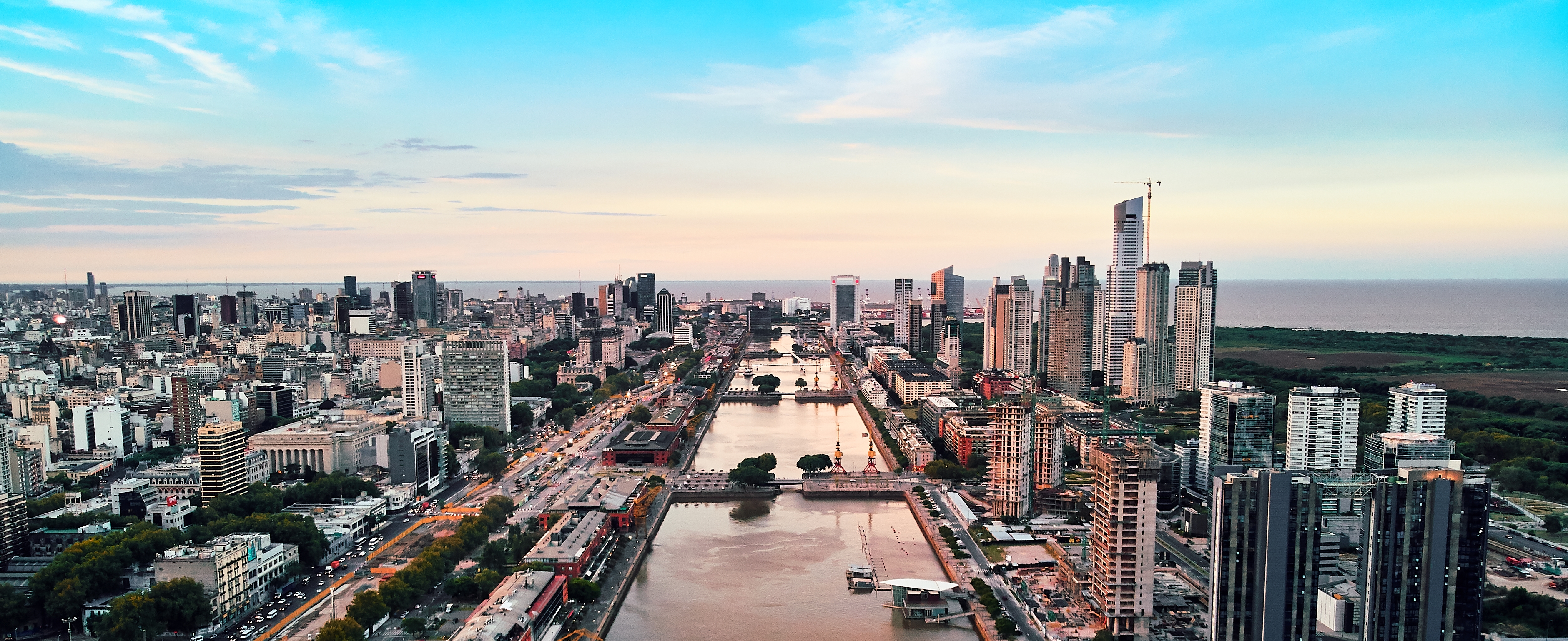
Buenos Aires
Send it to whoever you'd travel with
Buenos Aires is South America's most European city — its rewards are in long parrilla lunches, late dinners, and walking the leafy Palermo grid, not in any single sight.
Buenos Aires is a city that runs on late hours and good conversation. Dinner is 10 PM. Drinks after dinner. Closing the bar at 4 is normal. Travelers who try to do a 9-to-5 sightseeing day burn out by Wednesday; the porteño rhythm is shifted four hours later than what you're used to, and the city rewards travelers who shift with it.
The headline things — La Boca's painted houses, Recoleta cemetery, the obelisco — are real but not why you come back. You come back for Palermo's plane-tree blocks, for the parrilla that smokes your jacket and your hair, for a milonga where strangers dance close in a back room you'd have walked past. You come back for a beef culture that approaches Tokyo's fish culture in seriousness, at a fraction of the cost.
Plan five nights minimum. Base in Palermo Soho or Recoleta. Eat at one famous parrilla (Don Julio, La Cabrera). Catch a tango show that's actually a milonga, not a Broadway-style production. And accept the schedule — lunch slow, nap, dinner at 10. The city is built for it.
The practical bits.
- Best time
-
October – December · March – MaySpring (Oct–Dec) brings jacaranda bloom and warm-not-hot days. Fall (Mar–May) is similar with deeper food culture in season. Avoid Jan–Feb (peak summer heat + many porteños leave for the coast). Winter is mild but grayer.
- How long
-
6 nights recommendedLess than 4 and you skip whole neighborhoods. Beyond 7, side-trip to Mendoza or Iguazú.
- Budget
-
$150 / day typicalSpectacular value when the peso is weak. Steak dinners $25–40, mid-range hotels $80–180/night, taxi rides $3–7. Currency is volatile — bring cash USD.
- Getting around
-
Walking + Uber + SubtePalermo and Recoleta are eminently walkable. The Subte (metro) is fast and cheap. Uber works (called Cabify in some apps); regular taxis are common and cheap. Avoid driving — porteño traffic is sport.
- Currency
-
Argentine Peso (ARS) — extremely volatile. Use cash USD or 'blue dollar' exchange.Bring crisp US dollars to exchange at the 'blue' rate (often 30–50% better than official). Cards work but charge official rate. Western Union is the easy USD→peso route. Avoid pesos before arrival.
- Language
- Spanish (Rioplatense — distinctive 'sh' pronunciation). English in tourist zones; limited elsewhere.
- Visa
- 90 days visa-free for US, EU, UK, Canada, Australia.
- Safety
- Safe by Latin American capital standards in Palermo and Recoleta. Petty theft in Microcentro and La Boca. Avoid La Boca after dark; never wear flashy watches/cameras visibly there.
- Plug
- Type C / I · 220V
- Timezone
- ART · UTC−3 (no DST)
A few specific picks.
Hand-picked, not algorithmic. Each of these has earned its space.
The world's best steakhouse depending on whom you ask. Bife de chorizo, the empanadas while you wait. Reserve 2+ months ahead.
The most beautiful cemetery in the Americas. Evita's grave is the headline; the gothic-arch alleys are the real attraction. 1–2 hour walk.
One of the world's top opera houses. Tour it even if you don't catch a show — the acoustic and the gilded interior are extraordinary.
Cathedral-of-Catalina rooftop pool at the city's most theatrical hotel. Stay or just visit for cocktails at sunset.
Old theatre converted into a bookstore — frescoed ceiling, curtained boxes as reading nooks. The most beautiful bookstore in the world by most lists.
Real tango — regulars in suits and heels, beginners welcome on the edges. Wednesday or Friday. Buy lessons earlier in the evening if you want to dance.
Pick a neighborhood, not a hotel.
Buenos Aires is a city of neighborhoods. The one you stay in shapes the trip more than the property does.
Different trips for different travelers.
Same city, very different stays. Pick the lens that matches your trip.
Buenos Aires for first-time visitors
Palermo Soho base. One steak night at Don Julio (book before arrival). Recoleta cemetery and Teatro Colón. A milonga at Salon Canning. Day trip to Tigre or Colonia.
Buenos Aires for couples
Faena Hotel for theatrical luxury. Sunset cocktails on the Recoleta Palacio Duhau terrace. Anchor dinner at Don Julio or La Carnicería. Tango lesson together then a milonga. Mendoza wine country extension.
Buenos Aires for solo travelers
Palermo Soho is the friendliest base. Counter dining works at most parrillas. Take a Spanish week if you're shy. Milonga scene welcomes beginners — sign up for a group class to meet people.
Buenos Aires for families with kids
Palermo Chico or Recoleta for space. Bosques de Palermo for park days. Japanese Garden and Buenos Aires Eco-Parque. Eat early (7 PM) at hotel restaurants or Palermo cafés.
Buenos Aires for foodies
Don Julio, La Cabrera, Parrilla Peña, La Carnicería (modern). Anchor lunch at Anchoíta. Empanadas at El Sanjuanino. Wine bar nights at Vico. Pizza at Güerrín. Cooking class for asado technique.
Buenos Aires for budget travelers
Palermo hostels from $20/night with blue rate. Choripán from a street cart $3. Pizza Güerrín feeds you for $8. Free museums on Tuesdays. Walk everywhere in Palermo.
Buenos Aires for luxury travelers
Four Seasons Mansion, Faena Hotel, or Palacio Duhau. Private tango lesson with a champion. Helicopter to a polo match. Bespoke estancia weekend. Sommelier-led Mendoza extension.
When to go to Buenos Aires.
A quick year at a glance. Great, good, or skip — see what each month is doing before you book.
Many restaurants close for staff holidays. Hot. Skip if possible.
Still summer. Some closures linger. Warm river-front evenings.
Excellent shoulder. Locals back, restaurants reopened.
Best month overall. Comfortable for walking and parrilla nights.
Still great. Pack a jacket. Mendoza wine harvest just ended.
Cheap month. Pack layers; mate weather.
Cheapest month. Cold but rarely below freezing.
Late month feels like spring. Good shoulder.
Good shoulder. Jacarandas not yet, but warming.
Jacaranda bloom — the city turns purple. Excellent.
Peak jacaranda. Spring restaurant menus.
First half is excellent; Christmas–NY busy and closures begin.
Day trips from Buenos Aires.
When you want a change of pace. Each one's a half-day or full-day out, easy from Buenos Aires.
Tigre Delta
1 hourTrain to Tigre then a wooden launch through the delta canals. Lunch at a riverfront parrilla.
Colonia, Uruguay
1 hourFerry from Puerto Madero to Uruguay's prettiest colonial town. Half-day or overnight. Bring passport.
San Antonio de Areco
2 hoursPampas town with leather shops, traditional asado, and silversmiths. Stay overnight at an estancia.
Mendoza
1h 30mFlight to Argentina's wine capital. Min. 3 nights — vineyard lunches, Andes-foothills hikes.
Iguazú Falls
1h 45mFlight to subtropical jungle border with Brazil. 2-night minimum.
Estancia (Pampas)
1.5 hours by carWorking ranch day — horseback, asado lunch, folk dancing. Easy day or overnight.
Buenos Aires vs elsewhere.
Quick honest reads on the cities people compare Buenos Aires to.
Both are sprawling Latin American capitals with deep food cultures. BA is European-feeling, beef-heavy, later-running. CDMX is indigenous-and-Spanish-layered, taco-and-mole-led, denser.
Pick Buenos Aires if: You want European-feeling architecture, beef culture, and tango — at a steep discount.
Different continents but both walk-everywhere, neighborhood-driven, late-dinner cities. Lisbon is smaller and hillier; BA is grander and flatter. BA is much cheaper.
Pick Buenos Aires if: You want bigger scale, beef, tango, and Mendoza wine country nearby.
Santiago is more modern and ordered; BA is grander, older, more chaotic, and more fun. Many travelers do both — 2h by flight. Pick BA for the texture and the food, Santiago as a wine-and-mountains base.
Pick Buenos Aires if: You want depth, food culture, and walking — over modern efficiency.
BA is famously called 'Paris of South America' but feels more like Madrid with extra plane trees. Same late nights, same long lunches, similar beef cultures. BA is much cheaper.
Pick Buenos Aires if: You want the late-night Spanish-speaking grand-boulevard energy, at a discount.
Itineraries you can start from.
Rough shapes for a trip here — a feel for the pace and cost. Find the one that fits you.
Palermo base, Recoleta day, parrilla nights, one milonga.
Add San Telmo Sunday, a wine night, Tigre delta day trip.
Six nights BA, four in Mendoza wine country. Flight or overnight bus.
Things people ask about Buenos Aires.
When is the best time to visit Buenos Aires?
October through December (spring, jacaranda bloom) and March through May (fall). Both have warm-not-hot days, cool nights, clear skies. Avoid January–February (hot, locals on holiday, restaurants close) and winter weeks of July–August (gray and cold).
How many days do you need in Buenos Aires?
At least 4 nights, ideally 6. You need a Palermo day, a Recoleta + cemetery day, a San Telmo Sunday, an evening for tango, and ideally one slow day. Beyond 7, side-trip to Mendoza or Iguazú.
Is Buenos Aires safe?
Palermo and Recoleta are safe for tourists day and night. Avoid La Boca after dark (even with crowds). Petty theft in Microcentro and on crowded buses. Keep phones secured, don't flash valuables. Standard South American capital caution.
How does the 'blue dollar' work?
Argentina runs parallel exchange rates — official (bank) and blue (street). The blue rate is 30–50% better. Bring crisp clean US$100 bills to exchange. Western Union transfers are the easiest legal route at near-blue rates. Cards charge the official rate, so paying cash with blue-rate pesos is much cheaper.
Is Buenos Aires expensive?
Excellent value with blue-dollar rates. Mid-range steak dinners $25–40, hotels $80–180/night, Ubers $3–7. Without blue rates (i.e., card payments), it's roughly Western European prices. Bring cash USD.
Where should I stay in Buenos Aires?
Palermo Soho or Palermo Hollywood for first-timers — walkable to dinners, design hotels, café mornings. Recoleta for grander old-world stays near the cemetery and museums. Puerto Madero for modern hotels but less character. Skip Microcentro.
How do I get from EZE airport to the city?
Tienda León airport bus to Palermo/downtown — $15, 50 min. Pre-booked transfer $30–45. Uber works but is sometimes blocked at airport; arrange ahead. Yellow taxis are fine but agree on price first ($40–50). Avoid grabbing unofficial cars.
What should I eat in Buenos Aires?
Bife de chorizo at Don Julio or La Cabrera (parrillas). Empanadas (Salta-style at El Sanjuanino). Milanesa napolitana. Provoleta (grilled provolone). Choripán from a street cart. Dulce de leche on everything. Mate with locals if you're invited.
Is the tango show worth it?
Tourist tango shows are theatrical and decent. The real thing is a milonga — a social tango dance, with regulars and music played by a DJ. Salon Canning, La Catedral, and Confitería Ideal run them most nights. Take a beginner lesson first; the dance is welcoming.
Do I need to speak Spanish?
Useful but not strictly required in Palermo and Recoleta. Argentine Spanish is distinctive — they pronounce 'll' as 'sh' and use 'vos' for 'you' instead of 'tú.' Don't worry; locals are patient with attempts.
What's the best day trip from Buenos Aires?
Tigre Delta (1h by train) for boat rides through wetland canals. Colonia del Sacramento, Uruguay (1h by ferry) for a UNESCO old town and lunch. Estancias outside the city for gaucho days. San Antonio de Areco for traditional cowboy country (2h).
Is Buenos Aires kid-friendly?
Yes — porteños love kids and bring them everywhere. Parks (Bosques de Palermo) are generous. The Japanese Garden and Planetarium are kid hits. Late dinners are a challenge — eat at 7 (early for locals) or do the proper porteño 10 PM with napping.
Is Buenos Aires good for solo travelers?
Yes — friendly people, late-running cafés, walkable Palermo. The milonga scene is famously welcoming to beginners. Spanish helps but isn't strictly required. Best base is Palermo Soho.
Should I add Mendoza or Iguazú?
Mendoza if you're a wine person — 1h 30m flight, 3 nights minimum, world-class Malbec terroir at Bodega Catena Zapata, Achaval-Ferrer, etc. Iguazú if you want one of the world's great waterfalls — 1h 45m flight, 2 nights minimum. Both are easy add-ons; few people do both on a first trip.
Do I need to tip in Buenos Aires?
10% in restaurants (it's often not on the bill). Small change for porters and bag handlers. Tipping taxi drivers is optional — round up. Tour guides and drivers expect ~10%. Tip in pesos cash, not USD.
Know someone headed to Buenos Aires?
Send them this guide — real neighborhoods, timing, and prices, with nothing to sign up for.
Copies the link — nothing to install