Sendai
Send it to whoever you'd travel with
Sendai is the cool, uncrowded capital of Japan's Tohoku region — a proper big city with excellent food, a samurai castle ruin with the best views in northern Honshu, and a summer festival that brings a million people to watch illuminated bamboo decorations sway in the August heat.
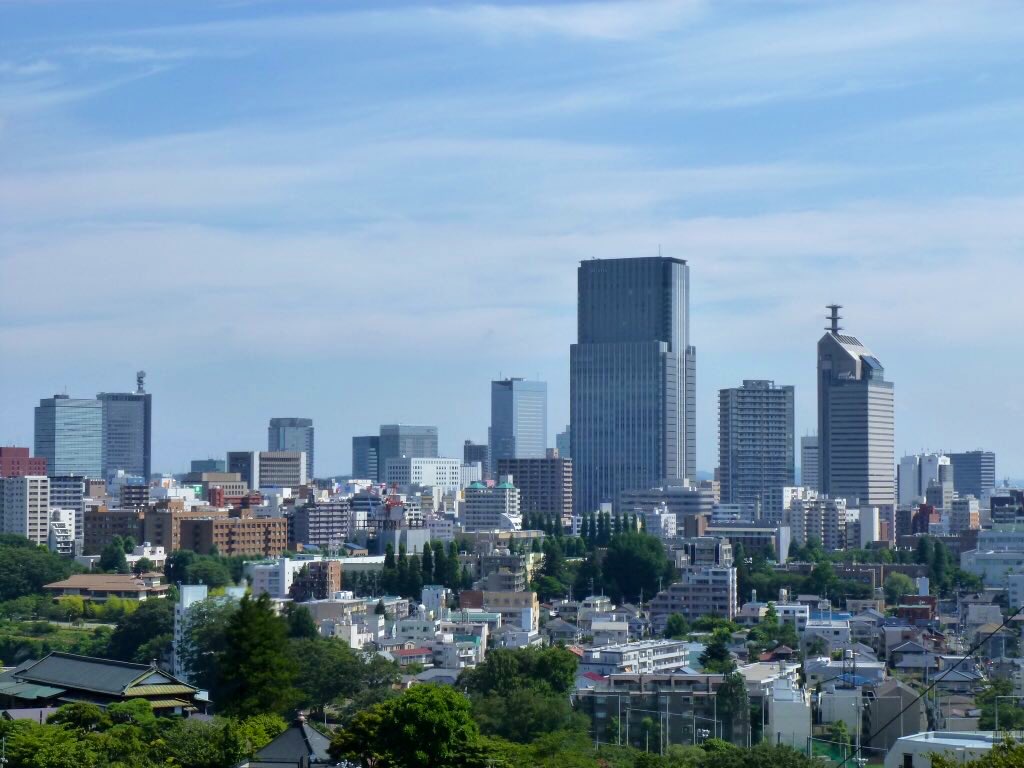
Sendai is Japan's third-largest city on Honshu by regional importance — the undisputed capital of Tohoku, a region that stretches north for another 300 km from here and remains dramatically undervisited by international travelers. The city was almost entirely rebuilt after World War II aerial bombing, which means the architecture is functional-modern rather than historic — but the street grid, the zelkova-tree-lined Jozenji-dori boulevard, and the surrounding hills give it a calm, green energy that most rebuilt Japanese cities never quite achieved.
The historical anchor is Aoba Castle (Sendai-jo) — or rather, its ruins. Date Masamune, the one-eyed warlord who nearly unified Japan before Tokugawa Ieyasu beat him to it, built the castle on a forested hill overlooking the city. The keep was destroyed by lightning in 1882, but the stone foundations, the statue of Masamune on horseback, and the sweeping panorama over the city and toward Matsushima Bay make it one of the best castle-site visits in Japan. The hill itself (Aoba Mountain) has walking trails through the woods.
Sendai's food identity is beef tongue (gyutan) — thinly sliced, charcoal-grilled, served with mugi-meshi (barley rice) and oxtail soup. This is not Japanese food as you've seen it elsewhere. Rikyu and Kisuke are the classic gyutan restaurants; the Ichibancho arcade near the station has multiple options. Zunda (edamame paste) everything — mochi, shakes, ice cream — is the city's sweet signature. The Jozenji Street Jazz Festival in September and the world-famous Tanabata festival in August (bamboo decorations hung city-wide on the Chuodori arcade) give Sendai a festival calendar that few comparably-sized Japanese cities can match.
The strategic value of Sendai on a Tohoku itinerary is significant. Matsushima (one of Japan's officially designated three best views — pine-covered islands in a sheltered bay) is 35 minutes away by train. The Naruko Gorge autumn foliage is a 90-minute bus ride. Zao Onsen, with its 'snow monsters' (snow-encrusted trees on the ski slopes) is 90 minutes in winter. And shinkansen from Tokyo to Sendai takes 90 minutes — making it entirely plausible as a day trip, though two nights is far more satisfying.
The practical bits.
- Best time
-
April – May · August · October – NovemberApril–May for cherry blossoms (Nishi Park and Aoba Castle Hill are excellent). August 6–8 for the Tanabata festival — massive crowds but extraordinary spectacle. October–November for autumn colors at Naruko Gorge and the castle hill woods. Summer is humid but cooler than Tokyo. Avoid the rainy season (June–July) if possible.
- How long
-
2 nights recommendedOne night covers Aoba Castle and gyutan dinner. Two nights adds Matsushima day trip and the Jozenji-dori boulevard. Three nights lets you add Naruko Gorge or Zao Onsen seasonally.
- Budget
-
~¥16,000 / day (~$110) typicalSendai is mid-range affordable by Japanese city standards — noticeably cheaper than Tokyo, similar to Hiroshima. Business hotels near Sendai Station run ¥8,000–14,000/night. A gyutan set meal is ¥1,800–2,500. City loop bus day pass ¥630.
- Getting around
-
Walking + city busesSendai has a compact central area walkable from the station. The Loople Sendai sightseeing bus (¥250/ride or ¥630 day pass) connects all major attractions including Aoba Castle and Sendai City Museum. Two subway lines cover the broader city. Shinkansen from Tokyo (Tohoku Shinkansen): 90 minutes, ¥11,000–13,000. From Yamagata: 60 minutes by Shinkansen.
- Currency
-
Japanese Yen (JPY). IC cards (Suica/Pasmo) work on buses and subway; most tourist-facing restaurants now accept cards but cash is still king at traditional gyutan restaurants and markets.Cash still preferred at traditional restaurants and smaller shops. Convenience stores (7-Eleven, Lawson, FamilyMart) accept international cards and provide ATMs that work with foreign cards.
- Language
- Japanese. English signage at major attractions and the station. Younger tourism staff often speak some English; older locals rarely. Google Translate camera mode is invaluable throughout Tohoku.
- Visa
- Japan visa-free for 90 days for US, EU, UK, Australian, Canadian, and most developed-country passports. Register with Visit Japan Web before arrival for smooth customs. Japan eVisa required for some nationalities — check ahead.
- Safety
- Very safe. Sendai has negligible violent crime. Standard urban awareness applies near the entertainment district of Kokubuncho at night — harmless but lively.
- Plug
- Type A · 100V — Japanese standard. Most electronics work; check chargers. US plugs fit without adapter.
- Timezone
- JST · UTC+9 (no daylight saving time)
A few specific picks.
Hand-picked, not algorithmic. Each of these has earned its space.
Date Masamune's 16th-century hilltop castle — the keep is gone but the stone foundations, the famous Masamune equestrian statue, and the sweeping views over Sendai to the bay make this the essential first morning activity. Free to visit the grounds.
Sendai's signature dish — charcoal-grilled thin-sliced beef tongue with barley rice and oxtail soup. Rikyu and Kisuke are the heritage institutions; multiple options in the Ichibancho arcade and Sendai Station food floors. Budget ¥1,800–2,500 for a set.
One of Japan's three great summer festivals — seven-colored bamboo streamers (some 10m long) hang across the central shopping arcades, creating tunnels of color and paper origami. The city fills to over a million visitors for three days. Book accommodation months ahead.
Sendai's most graceful street — a zelkova tree-lined boulevard with galleries, cafes, boutiques, and event space. The September Jazz Festival turns it into an outdoor concert venue. Good evening walk at any time of year.
One of Japan's three official 'best views' — 260 pine-covered islands in a sheltered bay, best seen from a flat-bottomed sightseeing boat. The Zuiganji temple complex (Zen temple founded 828 AD, rebuilt by Date Masamune) adds depth to a half-day visit.
Excellent regional museum on Date clan history, Tohoku culture, and the remarkable 17th-century embassy sent by Masamune to the Pope via a Spanish galleon — an extraordinary piece of history that almost no one knows about.
Edamame (sweet green soybean) paste spread over mochi rice cakes — Sendai's iconic sweet. Available at Kicchiri Sendai Station shops, Mitsugura cafe chain, and convenience stores. Also served as ice cream, shakes, and toast.
Sendai's main entertainment district — izakayas, cocktail bars, and late-night ramen. Not a tourist zone; this is where the city actually goes out. Lively Thursday–Saturday.
Pick a neighborhood, not a hotel.
Sendai is a city of neighborhoods. The one you stay in shapes the trip more than the property does.
Different trips for different travelers.
Same city, very different stays. Pick the lens that matches your trip.
Sendai for tohoku first-timers
Sendai is the natural base for Tohoku exploration — shinkansen access to Tokyo, day trips to Matsushima and Hiraizumi, and a big-city infrastructure that makes onward logistics easy.
Sendai for food travelers
Gyutan, zunda mochi, Sendai-miso, fresh Sanriku coast seafood at the Sendai seafood markets — Tohoku's food scene is Japan-level serious with prices lower than Tokyo or Osaka.
Sendai for festival travelers
The Tanabata festival is one of Japan's great summer events — genuinely spectacular bamboo decoration displays over three days in August. Worth planning a Japan trip around.
Sendai for history travelers
Aoba Castle, Date Masamune's legacy, Zuihoden Mausoleum, Sendai City Museum's 17th-century papal embassy story — Tohoku's samurai history is richly specific and almost entirely off the Kyoto/Nara tourist circuit.
Sendai for winter travelers
Zao Onsen's snow monsters (juhyo), onsen hot springs, and Sendai's December Pageant of Starlight (Jozenji-dori illuminated by 600,000 LED lights) make winter an underrated Sendai season.
When to go to Sendai.
A quick year at a glance. Great, good, or skip — see what each month is doing before you book.
Winter quiet. Zao Onsen snow monsters in peak form. Good hotel deals in Sendai itself.
Juhyo (snow monsters) still good at Zao. City quiet. Low prices.
Early spring energy. Cherry blossoms start in late March. Zao lake closed but city waking up.
Cherry blossoms peak late March–mid April at Nishi Park and Aoba Hill. Best spring month.
Golden Week crowds (late April–early May). Post-GW is excellent — warm, green, no crowds.
Tsuyu rainy season June–July. High humidity. Not ideal for outdoor sightseeing.
Humid but cooler than Tokyo. Tanabata preparations begin. Fireworks August 5.
Tanabata August 6–8: the reason to come in summer. City fills; book rooms 6 months ahead. Very lively.
Jozenji Street Jazz Festival in September. Comfortable temperatures. Excellent month.
Autumn foliage begins in highlands (Naruko Gorge peak mid-October). Best hiking conditions.
Late autumn foliage in lower areas. December illuminations approaching. Fewer tourists.
Jozenji-dori Pageant of Starlight (LED illuminations through December). Cold but festive.
Day trips from Sendai.
When you want a change of pace. Each one's a half-day or full-day out, easy from Sendai.
Matsushima
35 min by JR Senseki LineThe most popular day trip from Sendai. Boat tours ¥1,500. Zuiganji temple rebuilt by Date Masamune in 1609. Best in morning before tour groups arrive. Cherry blossoms in April at Oshima Bridge.
Naruko Gorge
1.5h by bus or trainA narrow ravine of volcanic rock carved by the Naruko River. Japan's autumn foliage season produces extraordinary colors here — red, orange, and gold against pale volcanic cliffs. The Ofukazawa Bridge viewpoint is the essential photo stop.
Zao Onsen
1.5h by train + busA volcanic hot spring resort famous for 'juhyo' — trees encrusted in frozen steam that look like alien creatures. Night illumination in January–February. Ski resort in winter. The Okama crater lake (sulfurous blue, visible July–Oct) is a 30-min cable car ride.
Hiraizumi
1h by shinkansen + local trainA UNESCO World Heritage Site — the 12th-century golden temple (Konjikido) inside Chusonji is one of Japan's most extraordinary surviving structures: a small gold-leaf-coated hall housing the preserved remains of the Northern Fujiwara lords. Allows a deep cut into Tohoku history rarely seen by tourists.
Yamadera (Risshakuji Temple)
1h by train via YamagataA Zen temple complex founded in 860 AD, built into a rocky hillside above the village of Yamadera. The 1,015 stone steps to the summit are the attraction — through cedar forest, past cave shrines, to panoramic views. Matsuo Basho wrote his most famous haiku here.
Sendai vs elsewhere.
Quick honest reads on the cities people compare Sendai to.
Sapporo is bigger, has better skiing, and is the gateway to Hokkaido's extraordinary nature. Sendai is better placed for Tohoku's historic sites (Hiraizumi, Matsushima) and is closer to Tokyo. Both are excellent non-Kyoto Japan cities.
Pick Sendai if: You want Tohoku's samurai history and Matsushima over Hokkaido seafood and skiing.
Kanazawa has preserved historic districts (Kenroku-en garden, samurai and geisha quarters) that Sendai lacks, but Sendai has a much stronger festival culture and better food identity. Kanazawa is more photogenic; Sendai is more alive.
Pick Sendai if: You want a real working Japanese city with a specific food culture and a great summer festival.
Fukuoka is warmer, has better nightlife and street food (yatai stalls), and is the gateway to Kyushu. Sendai is cooler, quieter, and the gateway to the north. Both are Japan's best under-visited cities by international visitors.
Pick Sendai if: You want northern Honshu, autumn foliage country, and samurai history over Kyushu's warmth and energy.
Itineraries you can start from.
Rough shapes for a trip here — a feel for the pace and cost. Find the one that fits you.
Morning: Aoba Castle and Masamune statue, city panorama. Afternoon: Jozenji-dori walk, Sendai City Museum. Evening: gyutan dinner at Rikyu near the station. Zunda mochi from station food floor.
Day 1: Aoba Castle, gyutan, Kokubuncho evening. Day 2: Matsushima by train (35 min), boat tour among islands, Zuiganji temple, back for late dinner. Optional: Kanrantei teahouse for bay views.
Add Naruko Gorge (autumn foliage, 90 min by bus) or Zao Onsen (snow monsters in winter, skiing). Full Tanabata experience in August. Return south by shinkansen.
Things people ask about Sendai.
Is Sendai worth visiting?
Yes — it's a real Japanese city with an excellent food scene, a legitimately moving historical site (Aoba Castle), and proximity to some of Tohoku's best landscapes. It's also the right pace change after Tokyo — larger and more urban than Kyoto but less frantic. Two nights is the sweet spot.
How far is Sendai from Tokyo?
90 minutes by Tohoku Shinkansen (Hayabusa/Komachi) from Tokyo Station. Cost is ¥11,000–13,000 one-way. Day trips from Tokyo to Sendai are feasible but rushed; an overnight is much more satisfying.
What is the Tanabata festival?
The Sendai Tanabata (August 6–8) is Japan's largest Tanabata celebration — a festival based on the legend of two star-crossed lovers (Vega and Altair) who can only meet once a year. The city hangs enormous bamboo-and-paper streamers across the shopping arcades and holds fireworks (August 5), parades, and events throughout. Book rooms 3–6 months ahead.
What is gyutan and where do I eat it?
Gyutan (beef tongue) is Sendai's signature dish — sliced thin, grilled over charcoal, and served with mugi-meshi (barley and rice mixed) and oxtail soup. The texture is tender-chewy; the flavor is savory and slightly smoky. Rikyu (branches at the station and city) and Kisuke are the classics. The Ichibancho arcade has multiple competitors. Expect ¥1,800–2,500 for a set.
When is the best time to visit Sendai?
April–May (cherry blossoms at Nishi Park and Aoba Hill), August 6–8 (Tanabata), and October–November (autumn foliage at Naruko Gorge). Summer is more humid than Tokyo but still manageable. Winter has Zao Onsen's snow monsters — a genuinely spectacular phenomenon.
What is the Loople Sendai bus?
The Loople Sendai is a vintage-style sightseeing bus that loops the main tourist attractions (Aoba Castle, Zuihoden Mausoleum, Sendai City Museum) on a fixed route. Tickets are ¥250 per ride or ¥630 for a day pass. Runs every 20 minutes from Sendai Station. The most practical way to cover the spread-out main sights.
Can I visit Matsushima as a day trip from Sendai?
Easily — 35 minutes by JR Senseki Line to Matsushima-Kaigan Station (¥420). The essential experience is a 50-minute flat-bottomed sightseeing boat among the 260 pine-covered islands (¥1,500). Add Zuiganji temple (¥700) and Kanrantei teahouse for bay views. Allow half a day; combine with an Sendai afternoon.
What are Sendai's snow monsters (Zao Onsen)?
The 'snow monsters' (juhyo) at Zao Onsen are a natural phenomenon: the volcanic hot-spring steam freezes on conifer trees at high altitude, creating bizarre white creatures that populate the ski slopes from January–March. The night illumination of the juhyo is one of Japan's most surreal winter experiences. 90 minutes from Sendai by train+bus.
Is Sendai good for a first Japan trip?
It's better as a second or third Japan destination — after Tokyo and/or Kyoto, Sendai opens up the less-visited Tohoku chapter. As a first Japan city, it lacks the immediate iconic landmarks of Tokyo or Kyoto, but for travelers who already know Japan and want to go deeper, Tohoku in general (and Sendai as its base) is excellent.
Know someone headed to Sendai?
Send them this guide — real neighborhoods, timing, and prices, with nothing to sign up for.
Copies the link — nothing to install