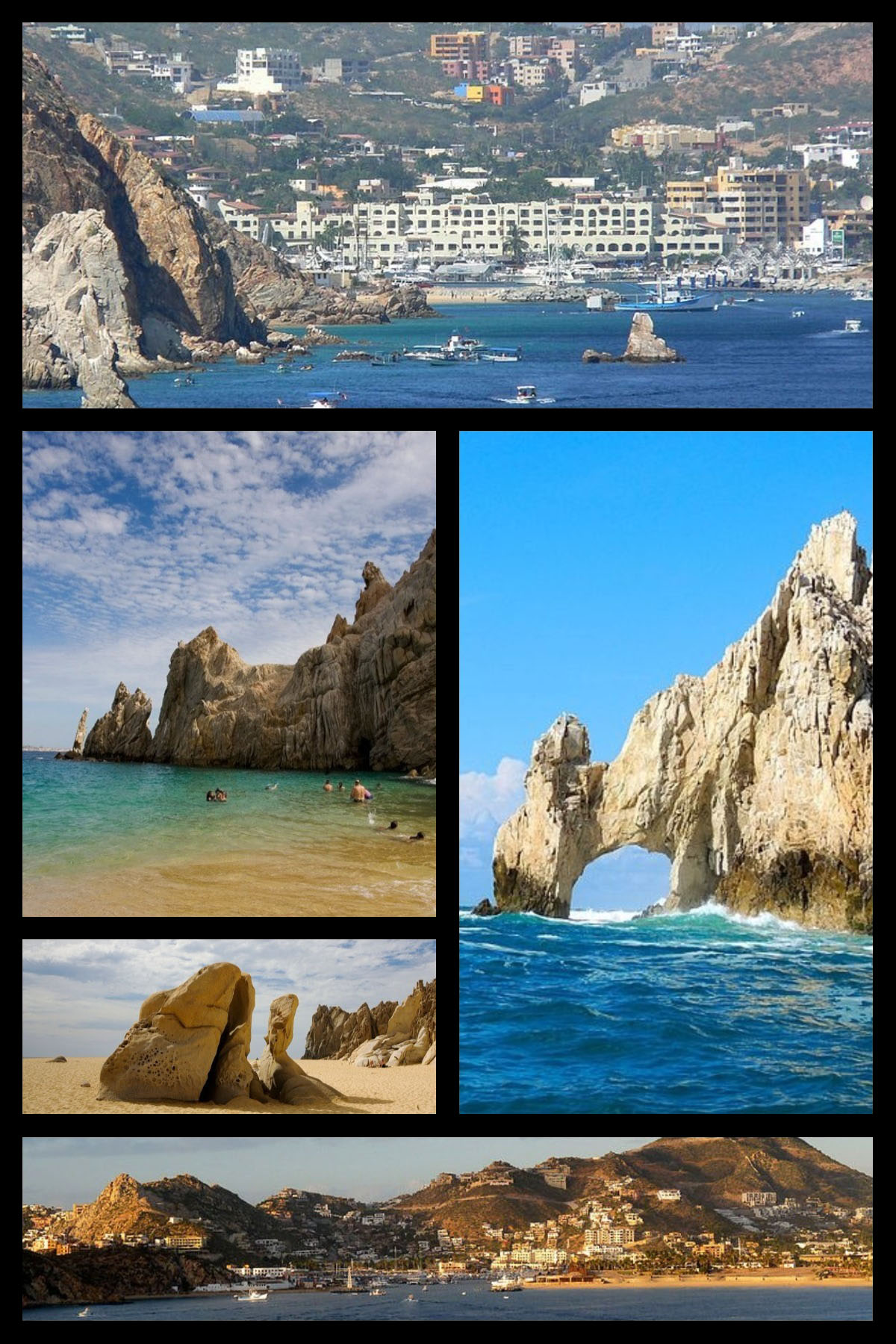
Cabo San Lucas
Send it to whoever you'd travel with
Cabo San Lucas is where the Pacific Ocean meets the Sea of Cortez at a granite arch — a party resort on one side, a quieter colonial town (San José del Cabo) on the other, and whale watching and marlin fishing in between.
The Los Cabos destination is actually two cities 33 kilometers apart connected by a resort corridor. Cabo San Lucas is the loud, marina-centered party town — booze cruises, Spring Break energy even outside of Spring Break, and a nightclub strip that closes at 4 AM regardless of the weekday. San José del Cabo, to the east, is a colonial town with a gallery district, a church on a plaza, and a farmers market on Saturday mornings. Most visitors choose one, misunderstand the other, and don't fully use the area they came for.
The physical setting is what justifies everything. El Arco — the natural granite arch at Land's End where the Pacific and the Sea of Cortez meet — is one of the most recognizable geological features in North America. The sea conditions change dramatically on either side of the arch: the Pacific side has strong swell and currents; the Corridor side is calmer and suitable for swimming. A water taxi from Cabo's marina to the arch and Lover's Beach (Pacific side, no swimming) and Divorce Beach (Corridor side, accessible) costs $20 and is the essential first-morning activity.
The Sea of Cortez around Los Cabos is Jacques Cousteau's 'aquarium of the world' — whale sharks aggregate here in winter, humpback whales migrate through from December through April, blue marlin and yellowfin tuna are among the world's densest sportfishing targets, and sea lions haul out on rocks a five-minute boat ride from the marina. Snorkeling at Pelican Rock, immediately adjacent to the arch, has extraordinary fish density for a location you can reach in a water taxi.
San José del Cabo is the version of Cabo that travelers who come once and fall in love tend to describe. The Thursday evening Art Walk (November–June) animates the gallery district around the church plaza. The estuary and bird sanctuary behind the beach is walkable. The food at Tacos Gardenias or Taqueria Rossy costs a fraction of what the marina strip charges. The pace is genuinely different from the 20-minute walk away.
The practical bits.
- Best time
-
November – MayNovember through May is Cabo's high season with good reason: whale watching (December–April), calm Sea of Cortez conditions, low humidity, and consistent sunshine. The Pacific side has swell year-round; the sheltered coves on the Corridor stay swimmable. June through October brings heat (35–38°C), humidity, hurricane risk, and occasional storm swells that make some beaches temporarily unsafe. Cabo gets hit by East Pacific hurricanes more often than most people realize.
- How long
-
5 nights recommendedThree nights: the arch, the marina, one day in San José, basic whale watching. Five nights: add sportfishing or diving, the Corridor beaches, a wine country day trip to the Valle de Guadalupe (3 hours north), and a full San José exploration. Eight nights pairs with a side trip to La Paz.
- Budget
-
$180 / day typicalLos Cabos has a wide price range. The marina strip is expensive — $20+ cocktails, $40–80 for a main at tourist restaurants. San José del Cabo is significantly cheaper. Budget-conscious travelers can stay in San José for $60–100/night and eat tacos for $3. The all-inclusive resorts on the Corridor offer good value if you plan to use what they provide.
- Getting around
-
Rental car recommended, taxis for town useLos Cabos International Airport (SJD) is 35 km from Cabo San Lucas town. A rental car is the most practical for traveling between Cabo, the Corridor resorts, and San José. Taxis run fixed rates within Cabo; the zone taxi system defines prices before you ride. The Corridor highway is safe and well-maintained. Water taxis from the marina are the way to reach the arch and the sandbar beaches.
- Currency
-
Mexican Peso (MXN) · USD very widely accepted, sometimes preferredUSD accepted almost everywhere in the tourist zone — hotels, restaurants, and marine tours. Cards accepted at all tourist-facing establishments. Cash (pesos or dollars) useful for street tacos, local shops, and smaller services.
- Language
- Spanish. English widely spoken in the tourist zone — Cabo is one of Mexico's most English-speaking resort areas by necessity of its primarily US clientele.
- Visa
- US, Canadian, EU, and UK citizens enter Mexico visa-free for up to 180 days.
- Safety
- The tourist areas of Cabo San Lucas, the Corridor, and San José del Cabo are considered safe for visitors. Baja California Sur has a lower crime profile than many other Mexican states. Ocean safety is the primary hazard: rip currents on Pacific-facing beaches, strong surge at the arch area, and the occasional rough-water condition at popular snorkel sites. Swim only at designated swimming beaches and check daily conditions.
- Plug
- Type A/B · 127V — same as the US.
- Timezone
- MST · UTC−7 (Baja California Sur does observe MDT in summer, UTC−6)
A few specific picks.
Hand-picked, not algorithmic. Each of these has earned its space.
The granite arch where the Pacific meets the Sea of Cortez — the defining image of Los Cabos. Water taxi from the marina ($20 round trip) reaches it in 10 minutes. Snorkeling at Pelican Rock adjacent to the arch has extraordinary marine density — sea lions, tropical fish, rays. Lover's Beach (Pacific side, no swimming) and Divorce Beach (calm side, swimmable) are both on the sandbar. Go in morning for the best light.
December through April, the Sea of Cortez and Pacific waters around Los Cabos host thousands of North Pacific humpback whales. Morning departure boats from the marina run 2–3 hours and typically encounter multiple whales. The calving season (February–March) is the peak window for seeing mothers with young calves in the sheltered bays.
Every Thursday evening from November through June, the gallery district in San José opens simultaneously from 5–9 PM with live music, wine, and visiting artists. The historic center around Iglesia San José becomes a genuinely social, art-forward event. This is the version of Cabo that the travel magazine feature promised.
Cabo San Lucas is one of the world's premier sportfishing destinations — blue and striped marlin, yellowfin tuna, dorado, wahoo, and roosterfish depending on season. Charter boats range from pangas ($300/day for 2–3 anglers) to full sportfishing yachts ($800–1,500/day). The Bisbee Tournament in October draws international teams for the marlin prize money.
A sea lion colony on rocks at Land's End is accessible by a short water taxi from the marina. California sea lions haul out here year-round and are habituated to boats. Snorkeling with sea lions — which actively interact with swimmers, especially juveniles — is one of the more memorable wildlife encounters in Baja.
The main swimming beach in Cabo — the sheltered bay immediately east of the marina is calm and safe for swimming while the Pacific side stays rough. Beach clubs (The Breakers, Mango Deck, Office on the Beach) line the sand. The Hacienda Beach Club at the far western end is the most scenic.
The Saturday farmers market and the surrounding street food vendors in San José represent the most honest and affordable eating in the Los Cabos area. Birria tacos, fresh aguachile, and machaca (dried beef) burritos at Taqueria Rossy or Los Mechones are $3–5 and in a different category from the marina restaurants.
Whale sharks aggregate in the La Paz Bay area (2 hours north by ferry or car) from October through March. La Paz-based tours offer snorkeling with whale sharks in open water — the largest fish in the sea, up to 12 meters, feeding on plankton within arm's reach. Swimmable from the surface, no diving certification required.
The hotel corridor between Cabo and San José has a series of beaches accessible to non-resort guests via public access points. Playa Chileno and Playa Santa María are the best snorkeling beaches on the Corridor — protected bays with good visibility, rocky reefs, and sea turtles. Both have no beach club infrastructure and are genuinely beautiful.
The most popular evening activity in Cabo — catamaran tours pass the arch at sunset with drinks and snacks. Some boats are party-focused (booze cruise); others are more scenic. The combination of the arch in golden-hour light and the Pacific horizon is legitimately worth the $60–80 per person.
Pick a neighborhood, not a hotel.
Cabo San Lucas is a city of neighborhoods. The one you stay in shapes the trip more than the property does.
Different trips for different travelers.
Same city, very different stays. Pick the lens that matches your trip.
Cabo San Lucas for whale watching enthusiasts
December through April, the Sea of Cortez around Los Cabos hosts one of the world's most accessible humpback whale populations. Morning trips from the marina are short, reliable, and in sheltered water. Pair with a whale shark trip to La Paz for the full Baja cetacean experience.
Cabo San Lucas for sportfishing enthusiasts
Cabo's primary draw for a significant segment of its visitors. The Pacific canyon drops to blue-water depths close to shore, concentrating blue marlin, yellowfin tuna, and dorado. Budget from $350/day for a basic panga charter. The Bisbee Tournament in October is the most prestigious event.
Cabo San Lucas for honeymooners and couples
The Corridor's luxury resort properties — One&Only Palmilla, Esperanza, Four Seasons — are among the best in Mexico. Choose San José del Cabo or the Corridor over Cabo San Lucas marina for honeymooners who want romance over party energy. Sunset catamaran, private snorkel, and spa access are the building blocks.
Cabo San Lucas for party and nightlife travelers
Cabo San Lucas marina is designed for this. Squid Roe, Cabo Wabo (founded by Van Halen), and the booze cruises are the anchors of a nightlife scene that runs seven nights a week. Spring Break (March) is peak intensity; the rest of the year is a milder version of the same energy.
Cabo San Lucas for families
Médano Beach with its calm water and beach clubs is family-friendly. Sea lion encounters and whale watching are strong family activities. San José del Cabo is calmer for families than the marina zone. The Corridor resorts have kids' clubs and activity programs.
Cabo San Lucas for culture and food travelers
San José del Cabo — Thursday Art Walk, Saturday farmers market, the gallery district, and the estuary — is the version of Cabo that culture travelers actually want. This is not what Cabo's marketing emphasizes, but it is genuinely rewarding for those who seek it.
When to go to Cabo San Lucas.
A quick year at a glance. Great, good, or skip — see what each month is doing before you book.
Humpback whales in full numbers. Comfortable temperatures. Peak high season — book ahead.
Whale calves visible. Best ocean conditions of the year. Valentine's week pricing spike.
Spring Break weeks intensify the Cabo San Lucas party scene. Whales through mid-month. Excellent weather.
Whales departing. Weather excellent. Pricing softens after Easter week.
Last month before humidity arrives. Excellent snorkeling and fishing season.
Humidity increases. Hurricane risk begins. Low season pricing. Some days very hot.
Peak heat. Dorado fishing excellent in the Sea of Cortez. Hurricane tracking needed.
Peak hurricane risk. Hottest temperatures. Not recommended except for serious fishing enthusiasts.
Hurricane season peak. Cheapest hotel rates. Excellent for sportfishing when weather cooperates.
Bisbee Black and Blue Marlin Tournament. Hurricane risk tapering. Dorado and wahoo in numbers.
High season resumes. Whale sharks in La Paz. First humpbacks arriving. Thursday Art Walk resumes in San José.
Humpback whale season underway. Christmas and New Year spike prices significantly. Book well ahead.
Day trips from Cabo San Lucas.
When you want a change of pace. Each one's a half-day or full-day out, easy from Cabo San Lucas.
Todos Santos
90 min northUNESCO Creative City on the Pacific coast 90 minutes north of Cabo. Drive through the Baja desert hills. Walk the historic center, stop at Hotel California's bar for lunch, visit the surf break at Playa Los Cerritos. Best in a full-day loop or as a one-night side trip.
La Paz
2.5 hours northLa Paz Bay is the world's best access point for whale shark encounters (October–March). The city malecón is one of Baja's most pleasant waterfront walkways. Espíritu Santo island (UNESCO Biosphere Reserve) has excellent snorkeling with sea lions and tropical fish on day-kayak tours from La Paz.
Corridor Beaches
15–25 min eastPlaya Chileno and Playa Santa María have public access between the resort properties. Drive the Corridor, park, walk to the beach. Santa María is a protected bay with good coral cover. Chileno has a larger reef and more fish diversity. Both are better snorkeling than most boat tour destinations.
Sea Lion Colony at Land's End
10 min by water taxiInclude in any water taxi trip to the arch. California sea lions haul out on the rocks and their juveniles frequently interact with snorkelers at Pelican Rock. The colony is active year-round.
San José del Cabo
30 min eastThursday evenings (November–June) for the Art Walk. Saturday morning for the farmers market. Church plaza and estuary at any time. A half-day gives the highlights; an evening gives the full cultural experience of what Los Cabos can be away from the marina.
Diving at Cabo Pulmo
1.5 hours eastCabo Pulmo is a marine protected area east of San José with a fully protected hard coral reef — the largest of its kind in the Eastern Pacific. Bull sharks in winter, schools of jack, reef diversity that makes the arch snorkel look thin. Day trips from Cabo or overnight stays in the small Cabo Pulmo village.
Cabo San Lucas vs elsewhere.
Quick honest reads on the cities people compare Cabo San Lucas to.
Puerto Vallarta is Pacific Mexico's established resort city — more Colonial character in the old town, the Malecón, whale watching, and a more complete local city. Cabo has the arch, more developed sportfishing, and a more extreme resort-and-party infrastructure. Vallarta is more livable; Cabo is more dramatic.
Pick Cabo San Lucas if: You want the most iconic Pacific Mexico seascape (the arch), whale watching, and the choice between marina party and colonial San José.
Cancún is Caribbean Mexico — calmer water, reef diving, Mayan ruins within range, and a larger hotel strip. Cabo is Pacific-meets-Cortez, with the arch, sportfishing, and the Baja desert landscape. Cabo is cooler in summer; Cancún has the Caribbean reef. Both are party resort destinations with colonial town alternatives nearby.
Pick Cabo San Lucas if: You want Pacific Mexico sportfishing and the Baja desert setting over Caribbean reef diving and Mayan ruins.
Tulum is the eco-chic Caribbean destination — cenotes, jungle, Mayan ruins, wellness retreats. Cabo is the Pacific resort — the arch, sportfishing, whales, party infrastructure. Different demographics and different experiences; neither is a substitute for the other.
Pick Cabo San Lucas if: You want whale watching, sportfishing, and a resort infrastructure over cenotes and wellness retreats.
Hawaii is more expensive, further from the continental US (for non-West Coast travelers), and offers broader cultural depth. Cabo is closer, cheaper, and more sport-resort focused. Hawaii has better beaches overall; Cabo has the arch and world-class sportfishing. Whale watching is excellent in both.
Pick Cabo San Lucas if: You want Mexican Pacific resort experience at lower cost than Hawaii, with sportfishing and the Baja landscape as the draw.
Itineraries you can start from.
Rough shapes for a trip here — a feel for the pace and cost. Find the one that fits you.
Water taxi to the arch on arrival morning. Whale watching (Dec–Apr). One evening in San José. Sunset catamaran. Corridor beach snorkel.
Two nights in Cabo San Lucas marina area. One night San José del Cabo. Sportfishing day. Sea lion snorkel. Thursday Art Walk. Todos Santos day trip.
Five nights Los Cabos: full program. Drive or ferry north to La Paz for three nights: whale shark snorkel (Oct–Mar), Espíritu Santo island kayak day, La Paz malecón at sunset.
Things people ask about Cabo San Lucas.
What is the difference between Cabo San Lucas and San José del Cabo?
They are 33 km apart on the southern tip of Baja California. Cabo San Lucas is the party town — marina bars, nightclubs, souvenir shops, and spring break energy throughout the year. San José del Cabo is a colonial town with a church on a plaza, a Thursday evening gallery walk, a Saturday farmers market, and a more local feel. The resort Corridor connects them. Most travelers underestimate how different the two towns are and how worth it San José is for at least two evenings.
When is the best time to see whales in Cabo?
December through April, with January through March being peak season. North Pacific humpback whales migrate from their Alaska feeding grounds to breed and calve in the warm waters of the Sea of Cortez and Pacific coast of Baja. The calving season peaks in February and March — mother-calf pairs are visible in protected bays. Boats depart from the Cabo marina daily; morning trips have calmer water.
Is it safe to swim near the Arch?
At the arch itself — no. The Pacific side (Lover's Beach) has significant currents and shore break and is not a swimming area. The Corridor side (Divorce Beach) is calmer and designated for swimming on most days. Médano Beach in the Cabo bay is the most reliable swimming beach — protected, calm, and monitored. Check daily ocean conditions at any hotel front desk; the Sea of Cortez is generally calmer than the Pacific side year-round.
How do I get to El Arco?
Water taxis from the Cabo marina take 10 minutes and cost approximately $20 per person round trip for a boat that fits 4–8 people. They run continuously during daylight hours from the marina dock area. The boat stops at Lover's Beach (disembark on the sandbar) and circles the arch close enough for photos. Snorkeling at Pelican Rock adjacent to the arch is usually included in slightly longer water taxi trips for $25–30.
Is Cabo good for surfing?
For watching and advanced-intermediate surfing on specific breaks, yes. The Pacific side beaches north of Cabo have consistent swell; Costa Azul near San José is the most accessible surf break with a year-round break and surf school options. Todos Santos 90 minutes north has the Todos Santos surf break, a long left that generates significant waves. Cabo itself is not a learning-to-surf destination — the Pacific conditions require some experience.
What is sportfishing like in Cabo?
Los Cabos is one of the world's three or four premier blue marlin destinations — the Pacific canyon offshore drops to extreme depths near the coast, concentrating pelagic fish. Marlin (blue and striped) are the marquee species; yellowfin tuna, dorado, wahoo, and roosterfish are secondary targets depending on season. Charter costs run from $300–500/day for a basic panga to $1,500/day for a full-rigged sportfisher. The Bisbee Black and Blue Tournament in October draws the biggest prize money in offshore fishing.
Is Los Cabos expensive?
By Mexican standards, yes — among the most expensive resort areas in the country. The marina strip has tourist-pricing that rivals Cancún. San José del Cabo is significantly more affordable. All-inclusive resorts on the Corridor can provide good value if you actually use the food and drink included. Budget travelers do best staying in San José and eating from the local taco stands. Expect $180–300/night for a decent non-resort hotel in the main zone.
Is Cabo San Lucas good for honeymooners?
San José del Cabo and the Corridor luxury resorts are excellent for honeymooners. The Marina in Cabo is less appropriate unless you enjoy the party atmosphere. The Four Seasons Los Cabos, One&Only Palmilla, and Esperanza resort are the top honeymoon properties — remote, private beach access, world-class restaurants. A whale watching trip, sunset catamaran at the arch, and spa day form the standard honeymoon program.
What can I do in San José del Cabo?
Walk the historic center and the church plaza. Attend the Thursday Art Walk (November–June, 5–9 PM) through the gallery district. Eat at the Saturday farmers market. Visit the estuary lagoon and bird sanctuary behind the beach. Snorkel at Playa Chileno (15 min toward Cabo on the Corridor). Have aguachile or fish tacos at a local spot rather than a marina-adjacent restaurant. San José rewards slower exploration than a single afternoon.
What is the whale shark experience near Cabo?
Whale sharks are more reliably found in La Paz Bay, 2–3 hours north by car or ferry, than directly around Los Cabos. La Paz-based tours offer snorkeling with whale sharks from October through March — the largest fish in the world, up to 12 meters. The experience is surface snorkel, not scuba — the whale sharks feed near the surface. Los Cabos tour operators offer day trips to La Paz for the whale shark experience during peak season (December–February).
Is Todos Santos worth visiting?
Yes — particularly for travelers who want a complete contrast to the Cabo resort zone. Todos Santos is a small colonial town and UNESCO Creative City 90 minutes north on the Pacific coast, with an active surf break, art galleries, boutique hotels in old haciendas, and a bohemian atmosphere that predates Tulum's version by a decade. Hotel California (not the Eagles song's inspiration, but it runs with the myth) has a bar worth stopping at. Full-day return trip from Cabo or an overnight stay.
What is the best beach in the Los Cabos area?
Médano Beach in Cabo San Lucas for convenient access and calm water. Playa Chileno on the Corridor for snorkeling and uncrowded swimming — no beach clubs, just ocean and rock. Playa Santa María for the best snorkeling reefs without crowds. Lover's Beach at the arch for the photographic setting (no swimming). The Pacific-facing beaches north of Cabo (Cerritos, near Todos Santos) for surfing and dramatic scenery.
Can I visit Cabo on a budget?
Yes, with strategy. Stay in San José del Cabo rather than the marina area. Eat from taco stands and the Saturday market. Book fishing or whale watching on a shared panga rather than a private charter. Snorkel off the beach at Chileno rather than booking a boat tour. The water taxi to the arch ($20) gives access to the primary experience cheaply. The Corridor luxury resorts are incompatible with budget travel.
How do I get from Los Cabos airport to Cabo San Lucas?
Los Cabos International Airport (SJD) is roughly 35 km from Cabo San Lucas and 10 km from San José del Cabo. Shared shuttle vans (Transportes Los Cabos or similar) are the cheapest option at $15–25 per person to Cabo. Rental cars are available at the airport — practical if you plan to explore the Corridor and both towns. Taxis from the airport run on zone pricing: San José $25–35, Cabo San Lucas $50–70. Uber operates at the airport and is typically $20–30.
Does Cabo have hurricane risk?
Yes — Baja California Sur sits in the path of East Pacific hurricane tracks, and Los Cabos has been hit by serious storms (Hurricane Odile in 2014 caused catastrophic damage to the resort zone). The hurricane season runs June through November, with peak activity in August–October. Most major storms miss Los Cabos, but the risk is real and not always acknowledged in resort marketing. Travel insurance during the hurricane season window is strongly recommended.
Is there a ferry from Cabo to La Paz?
No regular passenger ferry runs between Cabo San Lucas and La Paz — the port at La Paz connects by ferry to Mazatlán (on the mainland), but the Cabo–La Paz route is covered by road (2–3 hours). The scenic Transpeninsular Highway (Mexico 1) north through the Baja interior to La Paz is an excellent road trip. Several tour operators run day trips from Cabo to La Paz for the whale shark experience.
What is the best mezcal bar in Cabo?
Mezcalería Los Cabos in San José del Cabo is the most serious mezcal venue in the area, with small-producer Oaxacan and Sonoran mezcals organized by agave variety. The marina strip's mezcal cocktail bars are more formula than education — better for a mezcal margarita than for understanding the category. If mezcal is your priority, Oaxaca rather than Cabo is the correct destination.
What is the best time of day to see El Arco?
Morning — the low-angle eastern light illuminates the arch directly and the water in the protected bay is at its calmest. By midday, the light becomes flat and the snorkeling crowds peak. The sunset view from a catamaran to the west of the arch is the most dramatic photographic moment, but the arch itself faces east and is better photographed from the water taxi in morning light.
Know someone headed to Cabo San Lucas?
Send them this guide — real neighborhoods, timing, and prices, with nothing to sign up for.
Copies the link — nothing to install