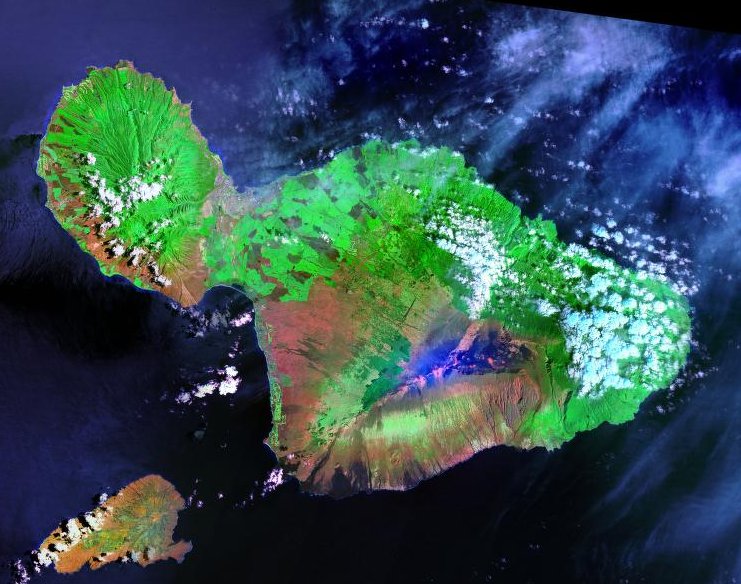
Maui
Send it to whoever you'd travel with
Maui is the island that does everything well — volcanic craters, a legendary coastal highway, world-class whale watching, and enough resort polish that it has become the reference standard for what a Hawaiian vacation is supposed to feel like.
Maui is Hawaii's second most visited island, and the gap between first and second has been closing. In a post-pandemic Hawaiʻi still sorting out its relationship with mass tourism, Maui carries an additional weight: the August 2023 wildfire that destroyed Lahaina, the historic whaling town and cultural capital of West Maui, killing 102 people and displacing thousands of Native Hawaiian and local residents. Travelers who visit Maui now visit in the shadow of that event. This matters.
West Maui's economy depends on visitors, and community leaders from the Lahaina area have made clear that responsible tourism is welcomed — that it helps fund recovery — while asking visitors to do their homework on what that means. Avoid treating Lahaina's ruins as a sightseeing stop. Do patronize businesses that reopened. Understand that the land on which the resort strip sits has a complicated history long predating the fire.
The island itself is extraordinary. Haleakalā volcano rises to 10,023 feet above sea level and creates its own weather — the summit is often cloud-free while the lower slopes receive rain, and the sunrise from the rim is one of the genuinely transcendent experiences available from an American road. The Road to Hana is 64 miles of two-lane coast road through rainforest, waterfall pools, and black-sand coves — exhausting to do right, deeply rewarding when you do.
Lahaina, Ka'anapali, and Wailea on the west and south coasts host the resort infrastructure. Pāʻia on the north shore is the windsurfer and free-spirit counter to the resort zone. Kihei sits between — more local, cheaper, and with decent beach access. A Maui trip that only touches the resort strip misses most of what makes this island different.
The practical bits.
- Best time
-
April – May · September – NovemberApril and May deliver warm, dry conditions with hotels below peak pricing. September and October are the sweet spot — fewer families than summer, lower rates, and the same excellent weather. December through April brings humpback whale watching and the best surf on the north and west coasts, but hotel rates peak. July and August are peak family season — excellent weather, expensive, crowded.
- How long
-
7 nights recommendedFive nights covers Haleakalā, the Road to Hana, and the beach basics. Seven gives breathing room to actually slow down and let the island's pace take hold. Ten pairs well with adding Honolulu or the Big Island.
- Budget
-
$310 / day typicalResort hotels in Wailea and Ka'anapali run $450–900/night. Kihei condos via VRBO are $150–300 and far better for more than 4 nights. Rental car is non-negotiable — $80–120/day. Road to Hana gas stations charge premium rates.
- Getting around
-
Rental car requiredNo meaningful public transportation for island exploration. Fly into Kahului Airport (OGG) and pick up a car immediately. Maui has no Uber or Lyft at meaningful scale outside of Kihei/Wailea; if you need rideshare, download the Maui Bus app and understand it will not take you to Hana. The Road to Hana requires a full tank of gas and a downloaded offline map.
- Currency
-
US Dollar (USD)Cards everywhere. Cash useful at roadside food stands along the Road to Hana, Pāʻia farmers markets, and some small plate lunch spots.
- Language
- English. Hawaiian cultural vocabulary is in wide use — aloha, mahalo, ʻāina (land), mana (spiritual power). Hawaiian language signage is common. The word 'Lahaina' means 'cruel sun' in Hawaiian — an ancient reference to the town's warm microclimate.
- Visa
- US destination — ESTA for eligible nationalities, standard US visa otherwise. US citizens need only a valid ID.
- Safety
- Generally safe. Ocean conditions are the primary hazard — Maui's north and west shore shores can have serious shore break and rip currents. Haleakalā summit can have hypothermia-level cold at 3 AM sunrise visits even in summer — bring real layers. Road to Hana has one-lane bridges with blind corners; drive slowly, yield to locals who know the road.
- Plug
- Type A/B · 120V — same as mainland US.
- Timezone
- HST · UTC−10 · No daylight saving time
A few specific picks.
Hand-picked, not algorithmic. Each of these has earned its space.
One of the most viewed sunrises in the world — the crater rim at 10,000 feet, watching the sun rise above the clouds below you. Reservations required (book 60 days ahead on Recreation.gov). Arrive 30–40 minutes before sunrise. Temperature at the summit can be near freezing regardless of the season below.
64 miles of coastal highway with 600+ curves, 59 bridges (many one-lane), waterfalls, swimming holes, and black-sand beaches. Allow a full day in each direction or, better, spend a night in Hana. Most people turn around at Hana; the Pīpīwai Trail through a bamboo forest to Waimoku Falls (4 miles round trip) is worth the extra 2 hours.
10,000–12,000 North Pacific humpback whales winter in the warm waters between Maui, Lānaʻi, and Kahoʻolawe from December through April. Boats depart from Mā'alaea Harbor. Morning trips have calmer water. The Pacific Whale Foundation runs nonprofit-funded tours with naturalist commentary.
Maui's bohemian counterpoint to the resort strip — windsurf shops, vegan cafés, surf shacks, and a beachside bakery (Pāʻia Bay Coffee) where the morning begins. Ho'okipa Lookout, just east of town, is the best spot to watch world-class windsurfers working the channel wind.
A half-submerged volcanic caldera three miles offshore with 150-foot visibility and over 250 species of fish. Early morning trips (boats leave at 6:30–7 AM) reach Molokini before the afternoon wind picks up and before the second-wave crowd boats arrive.
A black volcanic sand beach, sea caves, blowhole, and one of Maui's most striking landscapes. Requires advance reservation now — the state implemented a permit system to manage the crowd that the beach deserves. Part of the Road to Hana journey.
World windsurfing and kitesurfing capital. Strong trade winds and consistent swell make it one of the most technically demanding water venues on earth. If you are not a professional, sit on the grass above and watch. Sea turtles haul out on the east end of the beach in the evenings.
A deep green valley with the ʻĪao Needle — a 1,200-foot basalt core rising from the valley floor. Site of the 1790 Battle of Kepaniwai, a pivotal moment in the unification of Hawaiʻi under Kamehameha. A short paved path reaches the viewpoint; the valley is lush even by Maui standards.
The row of plate lunch counters along South Kihei Road represents the most affordable and arguably most authentic eating on Maui. Da Kitchen and Tin Roof (Sheldon Simeon's spot in Kahului) are the benchmarks. Loco moco, kalua pork, or ahi poke from a counter with two stools is the correct Maui lunch.
The Expeditions Ferry from Lahaina Harbor reaches Lānaʻi in 45 minutes. The island has one town, two luxury Four Seasons resorts, and a network of 4WD roads into wilderness. Rent a 4WD on arrival; Pōlihua Beach and Hulopoe Bay are worth the dust-road drive.
Pick a neighborhood, not a hotel.
Maui is a city of neighborhoods. The one you stay in shapes the trip more than the property does.
Different trips for different travelers.
Same city, very different stays. Pick the lens that matches your trip.
Maui for honeymooners
Maui is the standard Hawaii honeymoon island for a reason. Wailea's luxury hotels, sunset-facing beaches, spa amenities, and Molokini snorkel excursions create the experience the brochures promise. Splurge on a sunset catamaran for the one non-negotiable evening.
Maui for families with kids
Kihei condos with kitchens cut food costs significantly. The Road to Hana, Haleakalā, and the Maui Ocean Center aquarium in Mā'alaea are all strong family experiences. Kids over 8 can handle the Pīpīwai Trail. Rent car seats with your vehicle.
Maui for surfers and water sport athletes
Pāʻia is the base for north shore water culture — Ho'okipa for windsurfing, Honolua for advanced surfing. Beginners use Cove Park in Kihei. Kitesurfing at Kanaha Beach Park near the airport is world-class for those with their own gear.
Maui for hikers and nature travelers
Haleakalā offers everything from a rim stroll to a multi-day backcountry camping permit in the crater. The Waiʻānapanapa Coastal Trail, the Kapalua Coastal Trail, and the full Pīpīwai Trail all offer distinctly different terrain in a single island.
Maui for whale watching enthusiasts
December through April only. Book a morning Pacific Whale Foundation tour from Mā'alaea. The channel between Maui and Lānaʻi sees some of the highest humpback concentrations in the Pacific. Calves are visible by February.
Maui for luxury travelers
Four Seasons Maui at Wailea, Montage Kapalua Bay, and Fairmont Kea Lani compete for the top tier. Private boat charters, helicopter tours of the Road to Hana corridor, and spa days at the Grand Wailea fill the itinerary. Book the Four Seasons restaurant Spago for dinner.
When to go to Maui.
A quick year at a glance. Great, good, or skip — see what each month is doing before you book.
Humpback whales at their best. North Shore surf season running. Expensive and busy. South and west shores stay dry.
Calves visible in the whale-watching channel. Valentines week drives hotel rates to annual high.
Shoulder start. Whale watching best through mid-March. Good hotel value in the last two weeks of the month.
One of the best months — warm, mostly dry, lower prices than peak. Ocean clear and calm. Good snorkeling.
Pre-Memorial Day window: excellent weather, better hotel rates than June–August.
School's out. Prices rise. Still outstanding beach weather. North shore calms.
Busiest month. Best weather of the year. Most expensive. Book everything well ahead.
Similar to July. Slightly better hotel availability late month as school seasons vary by state.
Post-Labor Day drop in visitors. One of the best value months. Good weather, lower prices, manageable crowds.
Shoulder season sweet spot. Some northerly swells building. Good snorkeling visibility.
Thanksgiving week spikes prices. North shore swells begin. Whale scouts may be visible late month.
First humpbacks arrive. North shore surf season picks up. Holiday pricing through the month.
Day trips from Maui.
When you want a change of pace. Each one's a half-day or full-day out, easy from Maui.
Lānaʻi
45 min ferryExpeditions Ferry from Lahaina (or temporarily from Mā'alaea post-fire). Rent a 4WD in Lānaʻi City. Pōlihua Beach on the north coast is empty white sand. Hulopoe Bay is arguably the best snorkeling in the Hawaiian Islands.
Molokaʻi
25 min flightMolokaʻi has actively resisted mass tourism development. Fly from Kahului to Molokaʻi Airport. The Kalaupapa National Historical Park mule trail (a former leper colony site) requires advance reservation.
Haleakalā Summit
1.5 hours from KiheiThe sunrise requires a reservation (Recreation.gov, 60 days ahead). Daytime visits do not. The Sliding Sands Trail into the crater is the most dramatic hike on the island — 11 miles round trip, bring serious water and layers.
Pīpīwai Trail to Waimoku Falls
2 hours past HānaBeyond Hāna in Haleakalā National Park, Kīpahulu District. The trail goes through a dense bamboo forest that creaks and rattles in the wind and ends at Waimoku Falls — a 400-foot cascade. Often included in Road to Hana day trips that push all the way through.
Honolua Bay
45 min from KiheiA marine preserve at Maui's northwest tip. In summer, the bay is calm and has excellent coral and turtle snorkeling (park on the road and walk down). In winter, a world-class right-hand reef break takes over — watch from the cliff above.
Upcountry Maui
1 hour from coastThe cool green slopes of Haleakalā between 2,000 and 4,000 feet. Kula's Ali'i Kula Lavender Farm, O'o Farm for garden-to-table lunch, Surfing Goat Dairy, and the historic ranch town of Makawao. Best in morning before clouds build.
Maui vs elsewhere.
Quick honest reads on the cities people compare Maui to.
Kauaʻi is more remote, wilder, and cheaper than Maui, with the Nā Pali Coast cliffs in a different beauty category. Maui has better infrastructure, more beach variety, and the Road to Hana / Haleakalā combination no other island can match.
Pick Maui if: You want the widest range of experiences — crater, coastal highway, whales, and resort comfort — from one island.
Big Island has the active volcano, manta ray night dives, and snow-capped Mauna Kea — unique geological experiences Maui cannot match. Maui has better beaches and more refined resort infrastructure. Big Island is harder to navigate; Maui is more polished.
Pick Maui if: You want a beach-primary vacation with cultural and landscape depth rather than volcano tourism.
Honolulu has city culture, Pearl Harbor, the Bishop Museum, and urban dining. Maui has the Road to Hana, Haleakalā, and Molokini. First-time Hawaii visitors often split a trip between the two — 4–5 nights Maui, 3 nights Honolulu is a common and satisfying combination.
Pick Maui if: You want Hawaii's most celebrated natural landscapes rather than a city-beach hybrid experience.
Maldives wins on flat-water clarity, overwater bungalow fantasy, and total isolation. Maui wins on landscape variety, food quality, and accessible adventure. Maldives has essentially no inland experience; Maui has a volcano, a rainforest, and a working agricultural economy. Cost is roughly comparable at the top end.
Pick Maui if: You want a destination that offers more than a beach — crater hikes, a coastal road, and a local food culture alongside the ocean.
Itineraries you can start from.
Rough shapes for a trip here — a feel for the pace and cost. Find the one that fits you.
Kihei base. Haleakalā sunrise (day 1). Road to Hana (day 2). Molokini snorkel (day 3). Beach and Pāʻia (day 4–5).
Wailea for four nights, Hāna overnight on night five. Add whale watching (Dec–Apr), ʻĪao Valley, Lānaʻi day trip. Pāʻia evening on the return.
Seven nights Maui covering the full island, then fly Maui to Kona or Hilo for five nights of volcano, manta ray night dives, and coffee country. Book interisland on Hawaiian Airlines.
Things people ask about Maui.
What happened to Lahaina and should I still visit Maui?
The August 2023 wildfire destroyed much of Lahaina, killing 102 people and displacing thousands of residents. The community is in active recovery. Local leaders and businesses in West Maui have largely asked visitors to return — tourism dollars are essential to rebuilding the local economy. Visit responsibly: patronize open businesses, avoid treating the burn zone as a sightseeing destination, and consider directing spending to locally owned enterprises. Maui's other areas were unaffected by the fire.
When is the best time to visit Maui?
April through May and September through October are the value sweet spots — weather is excellent, hotel rates are lower than peak, and crowds thin considerably. December through March brings humpback whale watching (one of the world's great wildlife spectacles) and the island's most popular winter swell conditions for surf watching. July and August are peak season — great weather but the highest prices and most crowded beaches.
Do you need a rental car on Maui?
Yes — a rental car is effectively mandatory. The Maui Bus exists but does not serve Hana, Haleakalā summit, the north shore surf breaks, or most of West Maui. Pick up your car at Kahului Airport (OGG) on arrival. Book well in advance — Maui rental cars sell out in peak season faster than hotels do.
How do I book the Haleakalā sunrise?
Through Recreation.gov, reservations are required for the sunrise period (3 AM–7 AM). They open 60 days in advance and sell out within hours of release — set a calendar alarm. The alternative is arriving for a non-sunrise visit (daytime or sunset) which does not require a reservation. If you miss the reservation window, some commercial tour companies include permit access.
How long does the Road to Hana take?
Expect 10–12 hours for the roundtrip if you stop at the main points (Twin Falls, Wailua Falls, Waianapanapa Black Sand Beach, Pīpīwai Trail). Most people leave Pāʻia by 7 AM and return by dark. Driving through without stopping takes about 2.5 hours each way. The best version involves spending a night in Hāna so you can reach key spots before the day-tripper surge, and completing the back road loop through Kaupō on the return.
Wailea vs Kihei — where should I stay?
Wailea is the upscale resort corridor — Four Seasons, Grand Wailea, Fairmont — with curated beaches and full resort amenities but prices to match. Kihei is the local-feeling alternative: condo rentals, independent restaurants, and beach access without the resort premium. Kihei works well for families and longer stays; Wailea for honeymooners and those who want everything handled. The two are 10 minutes apart.
Is the Molokini snorkel worth it?
Yes, with caveats. Early morning boats (6:30–7 AM departure) reach Molokini before the afternoon wind picks up and before the second wave of tour boats arrives — those are the conditions that justify the reviews. Afternoon trips can be bumpy and crowded. The visibility (often 100–150 feet) and fish density are genuinely exceptional. Budget snorkelers can also see good reef from the shores at Kapalua Bay or Honolua Bay for free.
When does whale watching happen on Maui?
North Pacific humpback whales are in Maui's waters approximately December through April, with January through March being peak sighting season. The shallow channel between Maui, Lānaʻi, and Kahoʻolawe — the Hawaiian Islands Humpback Whale National Marine Sanctuary — is one of the world's most important humpback calving grounds. Boats from Mā'alaea Harbor give the best access, but whales are also visible from shore at overlooks between Ka'anapali and Kapalua.
How expensive is eating on Maui?
Resort restaurants charge $40–70 for a main course and make the overall cost feel extreme. The correction: plate lunch counters in Kihei and Kahului run $12–18 for a full meal. Supermarkets (Safeway, Foodland) have excellent poke counters for $9–14 per pound. Farmers markets (Wednesday in Kihei, Saturday in Wailuku) are the best value for fresh produce. Sheldon Simeon's Tin Roof in Kahului offers creative local cooking at approachable prices.
What is the best beach on Maui?
Depends on the day and the purpose. Kapalua Bay is calm and best for snorkeling. Kaanapali Beach is the longest and best for walking and resort access. Big Beach (Oneloa) in Mākena is the widest and most dramatic for swimming on calm days — but shore break can be violent when swell is up. Hamoa Beach near Hāna is many people's pick for 'most beautiful' — brown sand, crescent shape, and far fewer people. Waianapanapa's black-sand beach is the most visually striking.
Can I see turtles on Maui?
Yes, reliably. Maui has one of the highest concentrations of Hawaiian green sea turtles (honu) accessible from the shore of any Hawaiian island. Maluaka Beach in Mākena and the north end of Ho'okipa Beach are the most reliable spots. Stay at least 10 feet from turtles — it is a federal law under the Endangered Species Act. Snorkeling at Ulua Beach in Wailea regularly brings turtle encounters in the water.
Is Maui safe?
Generally yes. The main risks are ocean-related: shore break at Big Beach and Little Beach can be punishing even for experienced swimmers, and the north shore in winter generates powerful swell. Check the posted beach flag conditions and lifeguard advisories daily. Car break-ins at trailheads are common — leave no valuables visible. Maui's roads are safe by US standards though the Road to Hana requires alert driving on narrow one-lane bridges.
Is Maui good for surfing?
For watching and advanced levels, yes. Ho'okipa and Honolua Bay on the north shore generate serious reef breaks in winter that are for experienced and professional surfers. Beginners are better served at Kihei's Cove Park, which has a small, gentle break and regular surf schools. Lahaina's Breakwall, if it reopens fully post-fire, has been a longboard-friendly beginner spot. Maui is more of a windsurfing island than a learner-surf island.
What should I know about Haleakalā before visiting?
The summit at 10,023 feet sits above the cloud layer and can be up to 30°F colder than the coast below — bring a real jacket, hat, and gloves even in summer. The altitude affects some people; take it easy on the summit. The Sliding Sands Trail into the crater is 11 miles round trip with 2,500 feet of elevation change — a serious hike that needs sun protection and water. The sunrise itself is often partly cloudy; check forecasts at National Park Service's Haleakalā page the day before.
Are there good day trips from Maui?
Yes — Lānaʻi via the Expeditions Ferry (45 minutes from Lahaina Harbor) is the best single day trip: a luxury-meets-wilderness island with good snorkeling at Hulopoe Bay and 4WD roads into empty terrain. Molokaʻi by ferry or small plane gives access to the world's tallest sea cliffs and an island that has actively limited tourism — go with intent. Honolulu is under 30 minutes by interisland flight and works as a half-day cultural supplement.
What are Hawaiian lei etiquette rules?
Accepting a lei graciously is appropriate. Removing it in front of the giver is considered disrespectful — do so later, out of view. Pregnant women traditionally do not wear closed circle leis (a cultural belief about childbirth). Leis of mokihana berries (from Kauaʻi) should not be worn directly against the skin — the essential oil can irritate. Plumeria leis are the most common tourist version and have no specific etiquette restrictions.
What is the sargassum situation in Maui?
Maui is far less affected by sargassum seaweed than the Yucatán Peninsula or the eastern Caribbean. The dominant Hawaii current and trade wind direction keep open-ocean sargassum from the typical beach forecast. Localized accumulation of different native seaweed (limu) can occur seasonally at some south-facing beaches, but it is not comparable in scale to Mexican Caribbean sargassum events.
How does Maui compare to Bali for a beach vacation?
Maui is significantly more expensive, has better regulated beaches and ocean safety, and offers a more polished infrastructure. Bali is a fraction of the cost, has more cultural depth and density, and offers better food variety at the mid-range. Maui wins on ocean clarity and beach safety; Bali on value, temples, and culinary range. Both require a week minimum; neither is a budget destination.
Is there a Maui airport?
Yes — Kahului Airport (OGG) is Maui's main airport, located on the north-central coast. It receives direct mainland flights from LAX, SFO, SEA, DFW, ORD, and a handful of other hubs. Interisland flights from Honolulu (HNL) run multiple times daily and take about 30 minutes. A smaller airport at Kapalua (JHM) serves some small aircraft from Honolulu but has limited scheduled service.
Know someone headed to Maui?
Send them this guide — real neighborhoods, timing, and prices, with nothing to sign up for.
Copies the link — nothing to install