Agra
Send it to whoever you'd travel with
Agra earns its place on every India itinerary for the Taj Mahal alone — arrive at dawn, cross the river at sunset, and resist the temptation to fill the rest with lesser monuments.
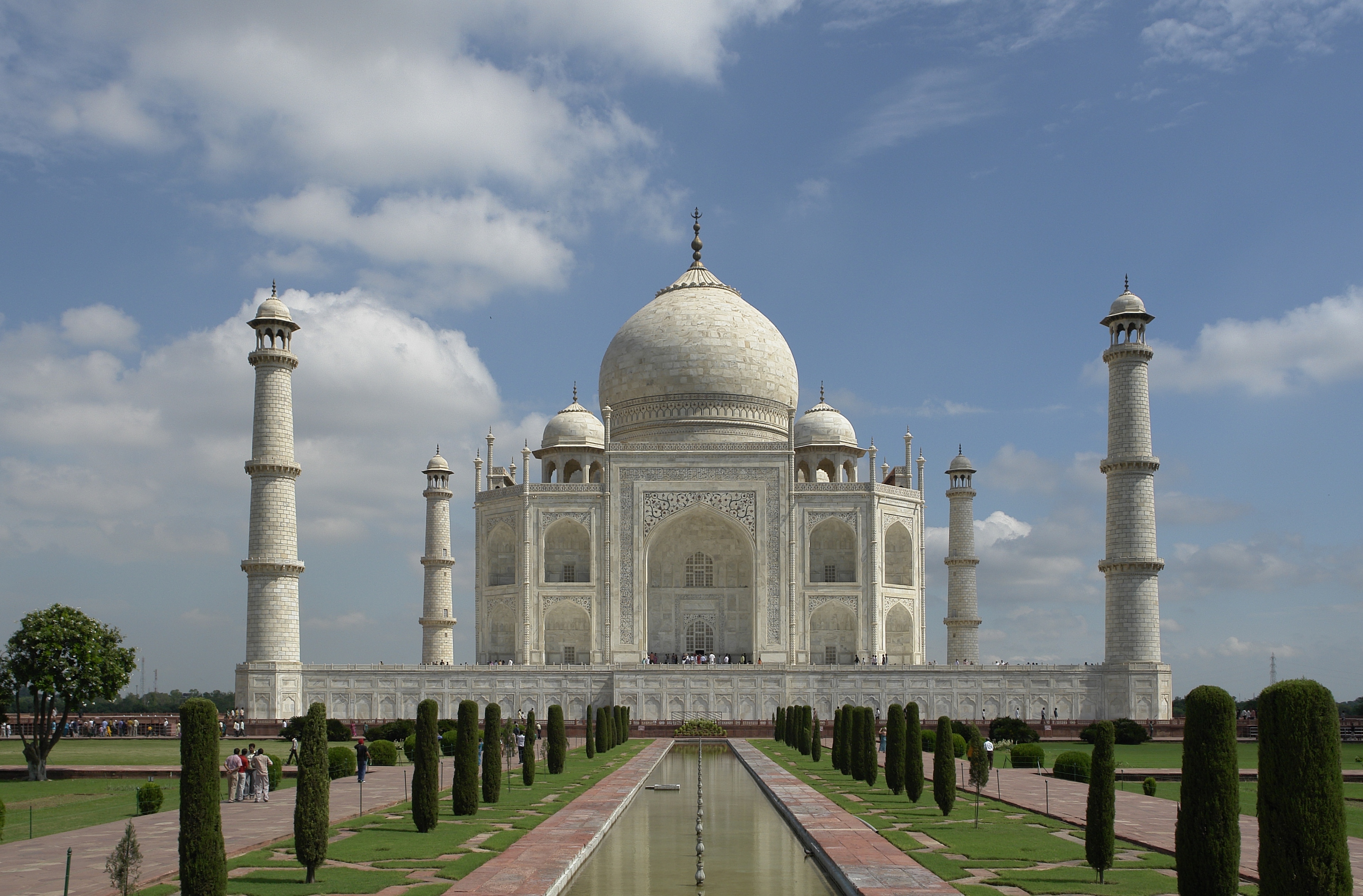
The Taj Mahal is one of the few monuments that genuinely exceeds its reputation. Photographs cannot capture the way the marble shifts color — pearl-white at midday, warm rose before sunset, near-luminescent in early morning light when the crowds are thin and the call to prayer is still fading across the Yamuna. The experience is real, and it is worth the significant logistical effort India demands to get here.
Agra is not, however, a city that rewards extended exploration. Beyond the three main monuments — the Taj, Agra Fort, and the under-visited Mehtab Bagh on the opposite bank — the city is dense, chaotic, and relentlessly commercial. Tuk-tuk drivers will attempt to steer you toward gem shops and overpriced restaurants with startling persistence; the auto-rickshaw ride from Agra Cantonment station to the south gate feels like running a gauntlet. None of this is unusual by Indian standards, but first-timers can find it exhausting.
The rewards belong to travelers who time their visit precisely. The Taj opens at sunrise and the pre-dawn queue at the south gate, irritating as it is, delivers you to the forecourt when light is still low and golden. The monument is at its quietest in the first 90 minutes. Midday, the marble turns harsh and the crowds peak — the afternoon dip in tourists is real but the light is flat. The smartest play is sunrise entry, a midday escape to lunch and the fort, then Mehtab Bagh at dusk for the across-river silhouette that photographs better than anything inside the complex.
Note the Friday closure. The Taj Mahal is closed to the public every Friday for congregational prayers — a point that catches a surprising number of travelers off guard. Book your Agra nights on any other day of the week. The Agra Fort is a half-day UNESCO companion that most visitors underestimate; the Khas Mahal pavilions and the river-facing terrace where Shah Jahan was held prisoner in his final years carry a different weight once you understand the history.
The practical bits.
- Best time
-
October – MarchCool, clear days and low humidity make sightseeing bearable. November–February is the sweet spot; March is warming but still pleasant. April–June is brutally hot (40–45°C). July–September brings oppressive humidity and haze that flattens the Taj's marble to a grey smear. Winter mornings (December–January) are often foggy — beautiful in person, but fog can delay sunrise views.
- How long
-
1–2 nights recommendedOne night is enough to do the Taj at dawn, the fort in the afternoon, and Mehtab Bagh at sunset. Two nights lets you pace it without a 4 AM alarm and visit Fatehpur Sikri on the way out. Any longer and you'll struggle to fill the time well.
- Budget
-
$70 / day typicalTaj Mahal entry is ₹1,300 for foreigners (~$16). Agra Fort adds ₹650. Budget guesthouses near Taj Ganj from ₹800–1,500/night; good midrange hotels ₹4,000–8,000; the Oberoi Amarvilas from ₹50,000+.
- Getting around
-
Auto-rickshaw + prepaid taxiPre-booked taxis or cabs from your hotel are the least stressful option; negotiate price firmly before departure. Auto-rickshaws are cheap but require constant route-minding — many will attempt a detour to commission shops. The e-vehicle zone around the Taj requires switching to battery-powered tuk-tuks 500m from the gates.
- Currency
-
Indian Rupee (₹) · cash essentialCash is king for smaller guesthouses, street food, and rickshaws. ATMs are available but occasionally unreliable. Major hotels and upmarket restaurants accept cards. Carry ₹2,000–3,000 in small notes.
- Language
- Hindi. English widely understood at hotels and monument ticket counters; very limited elsewhere. Learning nahin chahiye (no thank you) for touts saves considerable energy.
- Visa
- Most nationalities require an Indian e-Visa; apply online at indianvisaonline.gov.in at least 4 days before travel. US, UK, EU, Australian, and Canadian passport holders are eligible. Cost varies by nationality ($25–80).
- Safety
- Taj Ganj area is safe but heavily touristed and aggressively tailed by gem-shop touts and commission-hungry guides. Don't accept 'free' tours or follow anyone to a shop. Lone women should take authorized guides for evening explorations. Traffic around the monument zones is chaotic — cross roads carefully.
- Plug
- Type C / D / M · 230V. Type C two-pin works in most sockets. Bring an adapter; voltage converters not needed for modern electronics.
- Timezone
- IST · UTC+5:30
A few specific picks.
Hand-picked, not algorithmic. Each of these has earned its space.
Join the queue at the south gate 30 minutes before opening. First light on white marble is the reason the Taj has been on every India list for 400 years — no photograph does it justice.
The Mughal garden directly across the river from the Taj. At sunset the monument turns amber and floats above its reflection. Crowds are a fraction of the main complex.
The other UNESCO site, 2.5 km northwest. Shah Jahan spent his last years imprisoned here with a view of the Taj across the river. The Khas Mahal pavilions are architectural equals to anything at the Taj complex.
Agra's bedai-and-jalebi breakfast — fried puffed bread with spiced potato curry and sweet spirals of fried batter — is a local institution. Deviram near Sadar Bazaar is the right address for it.
Smaller, earlier, and quieter than its famous neighbor — the first Mughal building in India to use white marble inlay. A half-hour stop that puts the Taj's craftsmanship in architectural context.
The lane market behind the Jama Masjid sells Agra's famous marble inlay work (pietra dura) and the local petha sweet. Bargain firmly; quality varies.
ASI offers ticketed moonlight viewing on full-moon nights and the two nights either side. Tickets are limited (400/night) and sell weeks in advance. The experience is atmospheric but overhyped relative to dawn.
Akbar's ghost capital — a 16th-century Mughal city abandoned after 17 years due to water shortages. The Buland Darwaza gateway is the largest in India. Best as a half-day on the way to Jaipur.
Agra's sweet — candied white-pumpkin blocks in over a dozen varieties including saffron, rose, and chocolate — is made in workshops around Noori Gate. Buy from a fixed-price shop to avoid tourist pricing.
Several guesthouses south of the Taj have rooftop restaurants with angled Taj views. Food is mediocre, but watching the dome shift from white to gold over a late breakfast earns them a pass.
Pick a neighborhood, not a hotel.
Agra is a city of neighborhoods. The one you stay in shapes the trip more than the property does.
Different trips for different travelers.
Same city, very different stays. Pick the lens that matches your trip.
Agra for first-time india travelers
Agra is often the first stop on an India trip and delivers an immediate reward — the Taj Mahal is everything promised. Stay in a midrange hotel on Fatehabad Road to avoid the Taj Ganj chaos. Book trains in advance.
Agra for couples
The Taj Mahal was built as a love monument and earns the description at dawn. Splurge one night at Oberoi Amarvilas if the budget allows — the poolside Taj view is genuinely romantic. Mehtab Bagh at sunset completes the picture.
Agra for architecture and history enthusiasts
Agra rewards deeper reading — the Mughal period, pietra dura inlay craft, the Shah Jahan imprisonment story. Add Fatehpur Sikri and Itmad-ud-Daulah, hire a licensed guide for the fort, and consider Akbar's tomb at Sikandra.
Agra for photographers
Pre-dawn south gate arrival for warm marble light. Mehtab Bagh at golden hour for the across-river silhouette. The Baby Taj mid-morning for quieter intricate detail shots. Winter fog — if it cooperates — creates atmospheric haze images that differ from every standard postcard.
Agra for budget backpackers
Taj Ganj guesthouses from ₹800/night within walking distance of the south gate. Budget meals at local dhabas around Sadar Bazaar for ₹150–200. The biggest cost is the ₹1,300 monument entry — unavoidable and worth every rupee.
Agra for families with children
Children under 15 enter the Taj free. The fort's open courtyards and ramparts engage older kids well. Petha sweet-making tours are available for children. The dawn alarm is tough with young children; aim for early morning rather than strict sunrise.
When to go to Agra.
A quick year at a glance. Great, good, or skip — see what each month is doing before you book.
Beautiful clear days between fog events. Dense morning fog (common Dec–Jan) can obscure the Taj for hours. Pack layers for evenings.
Fog dissipates. Comfortable temperatures. One of the best months to visit — days warm, evenings cool.
Still pleasant early-month. Late March heat starts to build. Holi festival (date varies) brings color and crowds.
Heat is significant by mid-month. If you must visit, go at dawn and finish by 10 AM. Monuments are quieter.
Brutal. White marble radiates intense heat. Very few tourists. Dawn-only visits are the only tolerable approach.
Humidity rises before monsoon arrival. Dust storms possible. Avoid unless necessary.
Rain brings relief from heat but increases humidity. Monuments are atmospheric in overcast light but haze reduces views.
Heavy humidity, intermittent downpours. Marble grounds can be wet and slippery. Not a recommended month.
Rain lightening toward month's end. Lush greenery frames the gardens. Heat still significant.
Season begins. Early October still warm; late October is very pleasant. Crowds return and prices rise.
Excellent month. Clear skies, comfortable temperatures, the Taj marble in its best afternoon light. Peak season begins.
Early December is great. Christmas–New Year brings peak domestic tourism. Fog begins building late month.
Day trips from Agra.
When you want a change of pace. Each one's a half-day or full-day out, easy from Agra.
Fatehpur Sikri
1 hourAkbar's sandstone capital, abandoned in 1588. The Buland Darwaza is the largest gateway in India. Hire a driver from your hotel (₹1,200–1,800 round trip) and pair with a drive-through of the bird sanctuary at Keoladeo.
Mathura & Vrindavan
1 hour56 km from Agra, Krishna's birthplace and a major pilgrimage town. Vrindavan's ghats and temples are atmospheric at dawn. Best visited October–March; Holi celebrations here are famous but crowds are intense.
Keoladeo Ghana National Park
55 minNear Bharatpur, a UNESCO world heritage bird sanctuary hosting over 370 species. November–February for migratory birds including Siberian cranes in good years. Cycle-rickshaws take you through the park.
Jaipur (day trip or overnight)
4–5 hoursToo far for a proper day trip (240 km), but many travelers overnight here as part of the Golden Triangle circuit. By train the journey is 4–5 hours; by expressway roughly the same. Overnight is the right call.
Bateshwar Temples
2 hours70 km southeast, a cluster of over 100 sandstone Shiva temples on the Yamuna. Far less visited than the main circuit, accessible by car. The November Bateshwar fair is one of Uttar Pradesh's largest cattle fairs.
Delhi
2 hours (Gatimaan Express)The Gatimaan Express makes Delhi genuinely viable as a day excursion from Agra — 100 minutes each way. Red Fort, Humayun's Tomb, and Lodi Garden make a strong day without trying to see everything.
Agra vs elsewhere.
Quick honest reads on the cities people compare Agra to.
Agra is a one-monument city done in 1–2 nights; Jaipur is a full-city experience with more neighborhoods, food, and shopping that rewards 2–3 nights. Jaipur is the better base; Agra is the essential detour.
Pick Agra if: You want the Taj Mahal and a tighter, more focused visit without the noise of a larger city.
Agra is controlled Mughal heritage; Varanasi is raw Hindu spirituality and the Ganges ghats. Both are essential India stops — most travelers do both in the same trip. Varanasi is more emotionally overwhelming.
Pick Agra if: You want architectural splendor and prefer a more structured, monument-focused visit.
Delhi is a full capital city with neighborhoods, museums, and cuisine that needs 3–4 nights; Agra is a focused monument destination for 1–2 nights. They pair naturally on the same trip.
Pick Agra if: You want a singular, concentrated monument experience rather than a multi-day city exploration.
Fatehpur Sikri is a half-day add-on from Agra, not a destination in itself. The abandoned Mughal capital is architecturally exceptional but lacks the accommodation and dining infrastructure for a base.
Pick Agra if: You want the Taj Mahal as your anchor — Fatehpur Sikri fits as a day trip from Agra en route to Jaipur.
Itineraries you can start from.
Rough shapes for a trip here — a feel for the pace and cost. Find the one that fits you.
Arrive afternoon. Mehtab Bagh at dusk. Pre-dawn queue, Taj at sunrise, Agra Fort by midday, train out in the evening.
Day 1: Taj at sunrise, fort in afternoon, rooftop dinner with Taj view. Day 2: Fatehpur Sikri day trip, onward to Jaipur or Delhi.
Agra as the midpoint of Delhi–Agra–Jaipur. Two full days plus a moonlight Taj evening if dates align; Fatehpur Sikri en route to Jaipur.
Things people ask about Agra.
Is the Taj Mahal closed on Fridays?
Yes — the Taj Mahal is closed every Friday for congregational prayers at the mosque within the complex. This catches many travelers off guard. Plan your Agra nights for any other day of the week. Agra Fort and Mehtab Bagh remain open on Fridays.
What is the best time to visit the Taj Mahal?
Sunrise is the clear winner. The monument opens at dawn and light in the first 90 minutes is warm, directional, and crowds are at their thinnest. Midday is harsh light and peak crowds. Sunset is beautiful but the complex closes before dark. Mehtab Bagh on the opposite bank gives the better sunset view.
How do I get from Delhi to Agra?
The Gatimaan Express (train) takes 100 minutes from Hazrat Nizamuddin and is the gold standard — comfortable, punctual, scenic, and ₹755 for AC chair class. The Shatabdi runs from New Delhi station in under 2 hours. Expressway by car is 3–4 hours depending on traffic. Avoid buses for the journey — too slow and unreliable.
How long do you need at the Taj Mahal?
Two hours inside the complex is the right pace — enough to walk the forecourt, approach the mausoleum, circle it, and spend time inside the main chamber. Spending more than three hours becomes repetitive. Pair it with Mehtab Bagh (30 minutes across the river) and Agra Fort (90 minutes) for a full day.
Is Agra worth visiting beyond the Taj Mahal?
Agra Fort is a genuinely excellent UNESCO monument that most visitors underestimate — the riverside terrace where Shah Jahan spent his last years looking at the Taj carries real emotional weight. Itmad-ud-Daulah (the Baby Taj) is architecturally significant and quiet. Fatehpur Sikri is 40 km away and extraordinary. Beyond monuments, Agra's appeal is limited.
How much does the Taj Mahal cost to enter?
Foreign nationals pay ₹1,300 (~$16) for the main monument ticket; Indian nationals pay ₹250. The mausoleum interior requires an additional ₹200 ticket. Agra Fort adds ₹650 for foreigners. The SAARC and BIMSTEC rates are lower. Children under 15 enter free. Book online at asi.payumoney.com to avoid queue delays.
Is Agra safe for tourists?
Yes, in terms of physical safety. The main concern is an aggressive tout and commission culture — drivers, 'guides,' and bystanders who attempt to steer tourists toward shops. This is financially predatory but rarely dangerous. Lone women should use hotel-arranged transport and authorized guides. Keep bags front-facing in crowded markets.
What is the best hotel near the Taj Mahal?
The Oberoi Amarvilas — with direct Taj views from almost every room — is among the finest hotel experiences in India, but costs ₹50,000–80,000/night. The ITC Mughal on Fatehabad Road is a strong luxury alternative with gardens. For midrange, the Crystal Sarovar Premiere and Hotel Amar balance location and price. Budget travelers cluster in Taj Ganj guesthouses.
What should I eat in Agra?
Agra's bedai breakfast (fried bread with potato curry) is the local specialty — Deviram in Sadar Bazaar does it right. Petha, the candied white-pumpkin sweet, is the city's most famous product; buy it at fixed-price shops near Noori Gate. Mughlai cooking — rich biryanis, slow-cooked kormas — is the regional tradition worth seeking at midrange restaurants.
Can I see the Taj Mahal by moonlight?
Ticketed moonlight viewing is offered on full-moon nights and the two days before and after — 400 tickets available per night through the Archaeological Survey of India website. The experience is atmospheric but the viewing is time-limited (30-minute windows) and the crowds are staged efficiently. Dawn remains the superior visit by most accounts.
How far is Fatehpur Sikri from Agra?
About 40 km west, an hour by road. Built as Mughal emperor Akbar's capital in 1571 and abandoned just 17 years later — the reasons remain historically debated but water shortage is the leading theory. The sandstone citadel is remarkably preserved. Best paired with Agra as a half-day en route to Jaipur on the Golden Triangle circuit.
What are the camera rules at the Taj Mahal?
Still photography is permitted freely in the gardens and exterior. Inside the mausoleum chamber, photography is prohibited — this is enforced by guards. Tripods require an additional permit. Video cameras were historically restricted but mobile video is now de facto permitted. Drones are banned within a defined radius of the monument.
Is Agra part of the Golden Triangle?
Yes — Agra sits between Delhi (200 km north) and Jaipur (240 km southwest) on the Golden Triangle, India's most-traveled tourist circuit. Most visitors do the triangle as a 5–7 night loop: 2 nights Delhi, 2 nights Agra, 2 nights Jaipur, returning to Delhi. By train this is efficient and comfortable.
When is Agra too hot to visit?
April through June is punishing — daytime temperatures reach 42–46°C (108–115°F), and the white marble of the Taj amplifies radiant heat significantly. If you must travel in summer, arrive before 7 AM and leave by 10 AM. July–September brings humidity but temperatures drop slightly; haze reduces long views. October is the cusp of good season.
Is there fog at the Taj Mahal in winter?
Yes — thick fog is common in December and January, occasionally persisting until 10 or 11 AM. This can obscure the dome completely at sunrise, which is a genuine disappointment if you've traveled specifically for the dawn light. Have a backup time slot. The fog is also beautiful when it burns off slowly, but it's a gamble.
What is Mehtab Bagh and why should I visit?
Mehtab Bagh — the Moonlight Garden — is a Mughal-era garden on the north bank of the Yamuna directly opposite the Taj Mahal. It was originally part of the same garden complex. Today it's quieter, cheaper (₹300 for foreigners), and offers the best sunset view of the Taj across the river. The silhouette against an orange sky photographs beautifully.
Do I need a guide at the Taj Mahal?
A licensed guide is not required but adds real value — the Mughal history, Shah Jahan's obsession, the inlay techniques, and the optical illusions built into the architecture all reward explanation. ASI-licensed guides charge ₹800–1,200 for a 2-hour tour and can be booked at the ticket counter. Reject all unsolicited 'free guide' offers.
What are the tipping norms in Agra?
Tipping is expected but not at European levels. ₹50–100 per bag for hotel porters, ₹200–300 for a half-day guide, round up auto-rickshaw fares. Restaurant service charges are often included; an extra ₹50–100 on a sit-down meal is sufficient. Aggressive tipping requests at monuments are common — politely declining is acceptable.
Know someone headed to Agra?
Send them this guide — real neighborhoods, timing, and prices, with nothing to sign up for.
Copies the link — nothing to install