Suzhou
Send it to whoever you'd travel with
Suzhou has the densest concentration of classical Chinese gardens on earth — UNESCO-listed, 2,500 years old, and 30 minutes from Shanghai by high-speed train.
The Chinese idiom goes: 'Above there is heaven; below there is Suzhou and Hangzhou' (上有天堂,下有苏杭). Suzhou has been making this claim for a millennium and has largely backed it up. The classical garden tradition reached its pinnacle here during the Song, Ming, and Qing dynasties, when scholars and officials retired from imperial politics and channeled their refinement and melancholy into miniaturized landscapes — limestone scholar's rocks, pavilions over water, circulated paths designed to reveal a new view at each bend. Nine of these gardens are UNESCO World Heritage Sites.
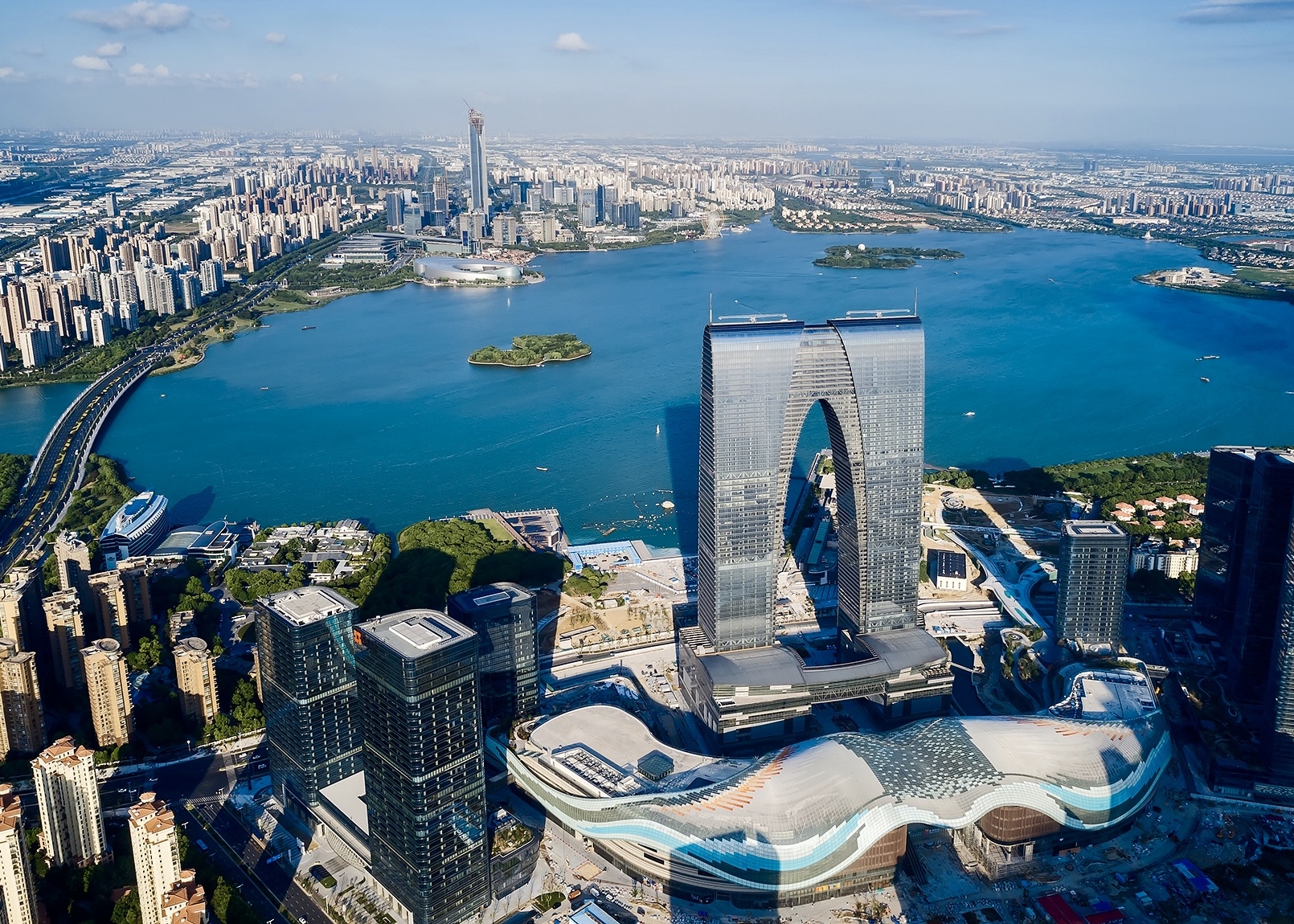
The modern city is also the technology manufacturing center for Greater Shanghai — Suzhou Industrial Park is one of China's wealthiest development zones, a fact entirely invisible from inside the historic Pingjiang District or the garden walls. The old city and the new city exist in functional parallel: visitors inhabit the classical canal district; 12 million residents live in a contemporary Chinese metropolis that happens to have extraordinary historical assets.
Zhouzhuang and Tongli, two of China's most famous 'water towns' — ancient merchant villages built on canal networks — are within 40–60 km of Suzhou. Both are extremely tourist-oriented; Tongli is marginally more authentic with a working residential population. Wuzhen (further, near Hangzhou) is the most preserved of the Jiangnan water towns but requires a separate trip. The Suzhou area's canal town circuit is best done with 1–2 nights in Suzhou proper plus a half-day at one water town.
Budget context: Suzhou is meaningfully cheaper than Shanghai. Garden entry fees are ¥30–90 each; the combination of five major gardens in a day can add up, so plan which two or three you want to prioritize. The Pingjiang Road canal area has excellent street food and mid-range restaurants at approximately 40–50% lower prices than equivalent Shanghai establishments.
The practical bits.
- Best time
-
March – May · September – NovemberSpring brings flowering wisteria in the gardens (April is the peak), comfortable temperatures, and the best light for photography. Autumn (September–October) is ideal — clearer skies, autumn foliage in the gardens, and far fewer visitors than summer. Summer (June–August) is hot, humid, and the garden ponds develop algae. Winter is cold but the gardens have a spare, melancholy beauty that suits their Confucian-withdrawal aesthetic.
- How long
-
2 nights recommendedA day trip from Shanghai covers 2–3 gardens and Pingjiang Road adequately. Two nights covers all the major gardens at a civilized pace plus a water-town day trip. Three nights is for those adding Tiger Hill, Lingering Garden, and the silk museums in depth.
- Budget
-
¥700–900 / day (~$110) typicalGarden entry fees: Humble Administrator's Garden ¥90, Master of Nets Garden ¥70, Garden of the Master of Nets ¥50. Lingering Garden ¥45. Hotels in the old canal district from ¥180–250/night. Canal district restaurants from ¥60–100 for a full meal.
- Getting around
-
Walking + taxi/DiDiThe central garden and canal district is compact enough to walk between most major sites. Taxi or DiDi to outlying sites (Tiger Hill, Lingering Garden, Cold Mountain Temple). The metro is useful for reaching the train station or the water towns but not essential for the main tourist circuit.
- Currency
-
Chinese Yuan (¥ / RMB) · WeChat Pay/Alipay dominantWeChat Pay and Alipay universally accepted. Some garden ticket booths and smaller canal-side shops may require cash or WeChat Pay specifically. Carry ¥300–500 in cash.
- Language
- Mandarin Chinese. English signage in the major gardens is good — UNESCO heritage materials are typically translated. Canal district restaurants may require a translation app for menus.
- Visa
- Standard Chinese tourist visa required for most Western passport holders. 144-hour transit exemption applies via Shanghai.
- Safety
- Safe. Suzhou is a wealthy, orderly Chinese city. The main tourist awareness: confirm prices for boat rides on the canals before boarding — some operators quote non-standard tourist rates.
- Plug
- Type A/C/I · 220V
- Timezone
- CST · UTC+8
A few specific picks.
Hand-picked, not algorithmic. Each of these has earned its space.
The largest and most celebrated classical Chinese garden in Suzhou — a 5.2-hectare Ming-dynasty composition of pavilions, lotus ponds, and limestone formations. The name translates from a classical text as 'the humble means of a retired official' — governing his garden is the administrator's work now. Go early (opens 7:30 AM) before the tour groups fill the bridges. ¥90.
The most atmospheric canal street in Suzhou — narrow stone-paved path beside a canal with traditional whitewashed garden walls, tea shops, small restaurants, and the occasional bridge. A 1.5-km stretch from Ganjiang Road to Baita Road. The evening version, with canal reflections lit, is different from the morning; see both if you're staying over.
The smallest of Suzhou's major UNESCO gardens and the most formally perfect — every component precisely proportioned, the central courtyard and water pavilion creating the best single garden composition in the city. Evening performances (April–October) of traditional music, dance, and opera in the garden pavilions are an entirely different atmospheric experience than the daytime visit. ¥70 + ¥100 for evening.
One of the four great Chinese gardens with the most famous scholar's rock collection — the Crown of Clouds Peak (Guanyun Feng), a 6.5-meter limestone formation that took decades to transport from Lake Tai. The garden corridor system — walls with ornate window cutouts framing views — is a masterclass in controlled visual revelation. ¥45.
Suzhou silk embroidery (Suzhou Xiu) is one of China's four great embroidery traditions — double-sided embroidery where the same silk image is rendered identically on both sides of a transparent silk ground. The institute's demonstration workshops show the technique live; the gallery has imperial-court-quality pieces. Free to enter; pieces for sale from ¥200 to several thousand.
A canal-network merchant town from the Song dynasty, with seven islands connected by 49 bridges. More authentically residential than Zhouzhuang — actual families still live in the houses flanking the canals. The Retreat and Reflection Garden here is a UNESCO garden often overlooked by visitors focused on Suzhou proper. ¥100 entry to the town complex.
A conical hill with the 7th-century Yunyan Pagoda visibly tilted (China's leaning tower, pre-dating Pisa's by centuries) at its summit, built over the tomb of Wu Zixu. The hill's wisteria festival in April is one of Suzhou's most beautiful seasonal events. The pool at the base has folklore of 3,000 swords buried beneath it. ¥80.
Designed by Suzhou-native I.M. Pei as his 'love letter' to his birthplace — a contemporary addition to the traditional architecture of the adjacent Humble Administrator's Garden. White walls, black rooflines, a geometric courtyard pond. The collection of historical Suzhou artifacts is secondary to the building. Free entry; advance reservation required.
A smaller UNESCO garden rarely on the tourist circuit — far fewer visitors than the Humble Administrator's Garden. The peony collection in April is extraordinary. ¥30.
A Buddhist temple and pilgrimage site famous from a Tang-dynasty poem about midnight bells. The setting — beside a canal on the outskirts of the old city — is more atmospheric than the rebuilt temple interior. New Year's Eve draws pilgrims to count 108 bell strikes. ¥20.
Pick a neighborhood, not a hotel.
Suzhou is a city of neighborhoods. The one you stay in shapes the trip more than the property does.
Different trips for different travelers.
Same city, very different stays. Pick the lens that matches your trip.
Suzhou for garden and design enthusiasts
Suzhou's gardens represent the pinnacle of a specific design philosophy — controlled views, compressed landscapes, rock and water compositions that encode Confucian scholarship and Taoist nature-appreciation. Nine UNESCO-listed gardens within a compact area is not replicated anywhere else in China.
Suzhou for china itinerary builders
The standard Shanghai add-on, and the right one. 30 minutes from Shanghai, fundamentally different character (historical, water-based, garden-centered vs. Shanghai's modern cosmopolitanism). The Jiangnan loop — Shanghai, Suzhou, Hangzhou — is one of China's best 5–7 day regional circuits.
Suzhou for food-focused travelers
Suzhou cuisine — squirrel mandarin fish, hairy crab in October, longjing shrimp — is refined and seasonal. The canal-side restaurants of Pingjiang Road and the Shantang area are good value. October hairy crab is a food experience that justifies timing a China trip around it.
Suzhou for photography enthusiasts
The whitewashed garden walls with circular moon gates, limestone scholar's rocks reflected in still ponds, canal reflections at dusk, the I.M. Pei museum's geometric water gardens — Suzhou is one of China's most photogenic cities. Early morning entry to the major gardens before crowds arrive is essential.
Suzhou for slow travelers
Two nights allows a pace that matches the garden philosophy — one garden in the morning, a long canal-side lunch, another garden in late afternoon, tea on Pingjiang Road at dusk. Suzhou is not efficiently consumed.
Suzhou for couples
The Master of Nets Garden evening performance (April–October), a canal guesthouse with courtyard views, and a Shantang gondola at dusk constitute an excellent evening circuit. The garden aesthetic — designed for two people walking and pausing — makes Suzhou naturally romantic.
When to go to Suzhou.
A quick year at a glance. Great, good, or skip — see what each month is doing before you book.
Gardens at their most spare and contemplative. Very few tourists. Some pavilions closed or reduced hours.
Plum blossoms in some gardens. Chinese New Year closures and price spikes.
Spring starts. Early peach and cherry blossom. Good uncrowded conditions.
Best garden month — wisteria at Tiger Hill peaks, peonies in Garden of Cultivation, azaleas in the Humble Administrator's Garden. Moderate crowds.
Late spring foliage and lotus buds in the ponds. Labor Day holiday (early May) crowded.
Lotus in full bloom in garden ponds — beautiful but humid. Indoor silk museum and tea visits recommended.
Very hot. Garden visits are best before 9 AM. Domestic crowds at peak.
Hottest month. Some water gardens develop algae. Tourist season peak.
Excellent. Crowds thin. Hairy crab season begins late month (female crabs). Good garden weather.
Peak hairy crab (both male and female). Autumn foliage in gardens. Golden Week first week crowded.
Autumn leaf color in gardens. Late hairy crab season. Quieter and affordable.
Winter gardens stripped to their formal bones — beautiful if you appreciate the Confucian contemplation-of-bare-things aesthetic.
Day trips from Suzhou.
When you want a change of pace. Each one's a half-day or full-day out, easy from Suzhou.
Tongli Water Town
40 min by busBus from Suzhou South Bus Station (¥14, 40 minutes). More authentic than Zhouzhuang with resident population intact. The Retreat and Reflection Garden (UNESCO) is frequently missed by visitors focusing on the canal walks.
Zhouzhuang Water Town
1 h by busThe most photographed of the Jiangnan water towns but heavily commercialized. The Shuangqiao (twin bridge) is the canonical image. Crowded on weekends; better early on a weekday.
Hangzhou
45 min by high-speed trainThe natural Suzhou companion city — both are Jiangnan classics. From Suzhou, high-speed train to Hangzhou takes 45 minutes. West Lake boat and shoreline walk takes a full day. Longjing tea estate is a morning half-day.
Shanghai
30 min by high-speed trainSuzhou is generally used as the day trip from Shanghai, not the reverse — but the connection is equally fast in either direction.
Wuzhen Water Town
1.5 h from SuzhouThe most architecturally complete of the Jiangnan water towns, with East and West zones. Requires a 1.5-hour journey from Suzhou; better approached from Hangzhou. Worth an overnight in the West Zone heritage guesthouses.
Lake Tai (Taihu)
30 min by busThe source of the limestone scholar's rocks in Suzhou's gardens — boat trips to the lake's rock quarries are available. The freshwater seafood (hairy crab in autumn, shrimp and perch year-round) makes the lakeshore restaurants destination-worthy.
Suzhou vs elsewhere.
Quick honest reads on the cities people compare Suzhou to.
Suzhou is garden-centered; Hangzhou is lake-centered. Both are Jiangnan classics from the same imperial-city tradition. Hangzhou has a stronger food scene and the Longjing tea culture; Suzhou has more and better gardens. Most travelers do both in a 4–5 day Jiangnan circuit.
Pick Suzhou if: Classical gardens are your primary interest. Hangzhou for West Lake scenery, Longjing tea, and a larger city with better restaurants.
Not really competing — they're 30 minutes apart and entirely different in character. Shanghai is cosmopolitan, modern, and international; Suzhou is classical, canal-based, and historical. Most visitors use Shanghai as base and Suzhou as the day trip.
Pick Suzhou if: Classical China over modern China. Suzhou and Shanghai together form the best single combination of China's historical and contemporary faces.
Suzhou and Kyoto are often compared as the garden cities of their respective nations. Kyoto gardens (Ryoanji, Kinkaku-ji, Ginkaku-ji) are predominantly Zen — minimalist, sand-raked, contemplative. Suzhou gardens are Confucian scholar-gardens — more complex, naturalistic, and architecturally layered. Both traditions are worth understanding on their own terms.
Pick Suzhou if: You're building an East Asia garden itinerary: Suzhou and Kyoto together tell a remarkably complementary story about how different philosophical traditions shaped garden design.
Beijing's Summer Palace and Temple of Heaven are imperial-scale outdoor spaces — grand, symmetrical, designed for display. Suzhou's gardens are private-scholar-scale — intimate, asymmetrical, designed for contemplation. Fundamentally different traditions and experiences.
Pick Suzhou if: You want classical garden culture in its most concentrated and refined form. Beijing for imperial-scale historical China.
Itineraries you can start from.
Rough shapes for a trip here — a feel for the pace and cost. Find the one that fits you.
Morning high-speed train. Humble Administrator's Garden (2 hours). Suzhou Museum. Pingjiang Road lunch. Master of Nets Garden. Return to Shanghai evening. Works well.
Day 1: Garden circuit (Humble Administrator's + Lingering Garden). Evening: Master of Nets evening performance. Day 2: Pingjiang Road morning, Tongli Water Town. Return to Shanghai.
Full garden circuit across 2 days (5–6 gardens). Tongli Water Town half-day. Tiger Hill. Silk Museum. I.M. Pei museum. Shantang Street evening walk. Canal guesthouse stay.
Things people ask about Suzhou.
How do I get from Shanghai to Suzhou?
High-speed train from Shanghai Hongqiao Station or Shanghai Station to Suzhou Station takes 25–30 minutes (¥40–75). Trains run every 10–20 minutes throughout the day. It's one of China's easiest intercity connections. From Suzhou Station, taxi or DiDi to the old city takes 10–15 minutes (¥15–20). The Shanghai–Suzhou day trip is genuinely easy to execute.
Which Suzhou garden should I prioritize?
The Humble Administrator's Garden is the largest and most comprehensive — visit early morning for crowd management. Master of Nets Garden is the most perfectly proportioned and best for photography. Lingering Garden has the best scholar's rock collection and garden corridor design. Garden of Cultivation is the least visited and often the most peaceful. A full day covers all four; a half-day prioritizes Humble Administrator's Garden plus either Lingering or Master of Nets.
What are the Suzhou water towns?
Zhouzhuang, Tongli, Wuzhen, and Xitang are the most famous — ancient merchant towns built on canal networks in the Jiangnan delta, with stone bridges, whitewashed buildings, and boat-accessible lanes. Zhouzhuang is the most famous but heavily touristified. Tongli is quieter with actual residents and the Retreat and Reflection Garden (UNESCO-listed). Wuzhen is the best preserved but requires a longer trip (closer to Hangzhou).
What is Suzhou silk?
Suzhou has been the center of Chinese silk production for over 2,000 years — the city's workshops supplied silk to the imperial court throughout the Song, Ming, and Qing dynasties. Suzhou Embroidery (Suzhou Xiu) is one of China's four great embroidery traditions, characterized by the double-sided technique where both faces of a transparent silk ground bear identical perfect images. The Suzhou Silk Museum and the Silk Embroidery Research Institute are the best places to see both the technique and the history.
What is Pingjiang Road?
Pingjiang Road (Pingjiang Lu) is a 1.5-km canal-side street in the old city — one of Suzhou's best-preserved historic lanes, with traditional architecture, tea houses, and restaurants alongside a gentle canal. It's commercialized but not overwhelmingly so. The morning version (before 9 AM) and the evening version (after 7 PM when the canal lights reflect) are the most atmospheric. Walk the full length and eat at one of the canal-side restaurants.
Is Suzhou worth visiting for more than a day?
Yes, if gardens are a serious interest. The difference between a day trip and two nights is the Master of Nets evening performance (available April–October, with traditional music and opera in the garden pavilions by lantern), a morning in the Garden of Cultivation before crowds, a half-day at Tongli Water Town, and the I.M. Pei Suzhou Museum at a comfortable pace. One night adds meaningful depth.
What is the Suzhou Museum?
A contemporary museum designed by I.M. Pei, Suzhou-native and designer of the Louvre Pyramid, opened in 2006 as his final gift to his birthplace. The building is the main attraction — white walls with black-tiled rooflines and geometric ponds referencing classical garden principles in contemporary materials. The collection covers Suzhou's history and art. Free entry with advance reservation.
What is Suzhou cuisine?
Suzhou cuisine (part of the Jiangnan tradition) is noted for its delicacy, slight sweetness, and fresh seasonal ingredients. Signature dishes: squirrel mandarin fish (songshuyuyu — a whole fish deep-fried and sauced to look like a squirrel, sweet and vinegary), hairy crab (Da Zha Xie, in season September–November), stuffed lotus root, and longjing shrimp (briefly stir-fried with the fresh tea leaves). Lighter and sweeter than Sichuan cuisine; refined and seasonal in character.
What is hairy crab and when can I try it in Suzhou?
Hairy crab (Da Zha Xie, Eriocheir sinensis) from Lake Tai near Suzhou are among the most prized in China — female crabs are at peak (September–October), males slightly later (October–November). The eating ritual is elaborate: small crabs served steamed with rice vinegar and ginger, picked apart with specialized tools. A serious hairy crab meal in Suzhou or Hangzhou in October is a seasonal Chinese food experience with no good substitute.
What is Tiger Hill?
A small conical hill on the northwest edge of Suzhou's old city, considered one of the city's finest scenic spots since the 4th century BCE. The Yunyan Pagoda on its summit (built 959 CE) has sunk and tilted to a 3-degree lean over the centuries — China's Leaning Tower. Beneath the summit is the legendary tomb of King Helü of Wu and the pool where 3,000 swords were allegedly buried. The wisteria festival (April) and autumn foliage make specific seasonal visits rewarding. ¥80 entry.
How does Suzhou compare to Hangzhou?
Both are part of the 'heaven below' idiom — the two great Jiangnan cities. Suzhou is more garden-centered (better and more numerous classical gardens); Hangzhou is more lake-centered (West Lake, the most famous scenic lake in China). Hangzhou also has Longjing tea culture and a stronger restaurant scene. Many travelers do both in a single Jiangnan loop: Shanghai base, Suzhou day trip (gardens), overnight, Hangzhou (West Lake, Longjing), return to Shanghai.
Is Suzhou good in winter?
Quieter, cheaper, and with a spare beauty in the gardens that suits their aesthetic. The scholar's garden tradition grew partly from cultivating contentment in solitude and cold — winter strips the gardens to their essential geometric forms. However, some pavilions have reduced hours, hairy crab season is over, and the canal-side atmosphere is grey. A good choice for garden-serious visitors who want fewer crowds and don't mind cold (average January: 4°C).
What is the best garden to visit in spring?
April is the peak garden month overall. The Tiger Hill wisteria festival makes it the most spectacular single site. The Garden of Cultivation's peony collection (late April) is exceptional. The Humble Administrator's Garden's azalea and wisteria plantings peak in April. Master of Nets Garden's courtyards have cherry and crabapple blossom. Arrive by 8 AM at any garden to beat the tour groups.
Is Suzhou good for children?
Moderately — the classical gardens are beautiful but require patience from young children (they're designed for contemplation rather than activity). Tiger Hill's pagoda and folklore are more engaging for children than the garden compositions. The Suzhou Museum (I.M. Pei) has interactive sections. The canal boat rides and the water town visits at Tongli tend to engage children more than the gardens. Overall, better for older children and teenagers.
What is Shantang Street?
A 7th-century canal street built by the Tang-dynasty poet and official Bai Juyi — a 3.5-km waterway and pedestrian path connecting Tiger Hill to the old city. The tourist section is about 800 meters of restored traditional architecture with restaurants, souvenir shops, and occasional gondola rides. Less crowded than Pingjiang Road; a better evening walk. The gondola boats from Shantang to Tiger Hill (¥40–60) offer the classic Suzhou canal experience.
When should I avoid Suzhou?
Chinese national holidays — Golden Week (first week of October) and Spring Festival (January/February) — are the worst times for the gardens and Tongli. July and August are hot, humid, and peak domestic tourism. The Humble Administrator's Garden in particular becomes difficult to navigate on summer weekends. Weekday visits at any time are noticeably calmer than weekends.
What is the best garden for a first-time Suzhou visit?
Start with the Humble Administrator's Garden — the largest, most varied, and most comprehensive introduction to the classical Suzhou garden tradition (lotus ponds, pavilions, limestone formations, covered corridors). Arrive at opening (7:30 AM) to beat the school groups. Then walk to the adjacent Suzhou Museum (I.M. Pei, free, 20 minutes away) for a different architectural conversation with the same classical vocabulary. Combine with Master of Nets Garden in the afternoon, which is the most formally perfect of the smaller gardens.
Know someone headed to Suzhou?
Send them this guide — real neighborhoods, timing, and prices, with nothing to sign up for.
Copies the link — nothing to install