San José
Send it to whoever you'd travel with
San José is Costa Rica's airport hub and overnight waystation — most visitors spend one night here in transit between the international airport and the beaches, volcanoes, and cloud forests that are the actual destination, and that is a perfectly reasonable approach.
The honest thing to say about San José is that most travelers use it as a logistical staging point and leave within 24 hours. They are not wrong to do so — the rainforest, the beaches, and the volcano parks that define Costa Rica's international reputation are almost all 2–5 hours from the capital by road, and the city itself is not conventionally beautiful in the way of Guatemala's Antigua or Nicaragua's Granada. San José is a Central American working capital, not a colonial showpiece.
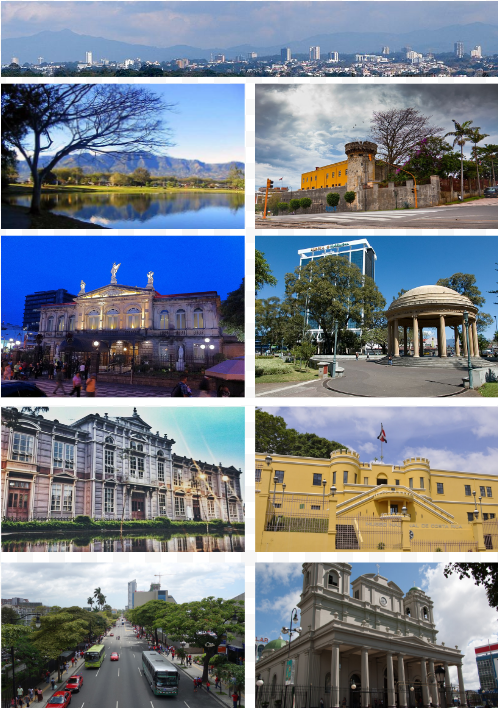
What it is, however, is underrated in specific ways. The Gold Museum (Museo del Oro) beneath the Plaza de la Cultura is genuinely exceptional — 1,600 pre-Columbian gold artifacts arranged with museum-quality curation in a subterranean gallery that most transiting visitors never enter. The National Theater (Teatro Nacional) is a lavishly restored 19th-century Baroque building whose interior rivals anything in Central America. And the Jade Museum (Museo del Jade) has the largest collection of pre-Columbian jade artifacts in the Americas.
The neighborhood of Barrio Escalante, northeast of the centro, has emerged over the last decade as one of Central America's most interesting urban food destinations. A dense concentration of independent restaurants, natural wine bars, artisan coffee roasters, and cocktail bars has established itself on a few residential blocks, driven by a generation of young Costa Rican chefs and bartenders who are operating at an international standard. A Thursday or Friday evening in Escalante — walking the food strip, eating at two or three places, ending at a mezcal bar — is one of the better evenings in the region.
For travelers connecting through San José, the decision framework is simple: if you arrive in the afternoon and fly out the next morning, stay near the airport (Alajuela town, 10 minutes from SJO, is calmer and more pleasant than downtown). If you have 2 nights, stay in Barrio Escalante or Los Yoses — eat well, do the Gold Museum in the morning, and leave with a better impression of Costa Rica's capital than the transit-rush approach allows.
The practical bits.
- Best time
-
November – April (dry season, better for transit and day trips to surrounding areas)The dry season (tarcoles, Guanacaste, Manuel Antonio beaches all more accessible). San José itself is rainier than the coast year-round but the severity of rainy season (June–October) affects day-trip options. The city is pleasant year-round at 23°C average; altitude (1,170m) keeps it perpetually spring-like.
- How long
-
1 night (transit) · 3 nights (if making the city the visit) recommended1 night is the transit standard. 2 nights allows Gold Museum, National Theater, and Escalante dinner. 3–4 nights permits a day trip to Poás or Irazú volcano, or a half-day to the Dota coffee valley. 5+ only for travelers specifically interested in city cultural depth.
- Budget
-
$120 / day typicalCosta Rica is the most expensive country in Central America — significantly more than Guatemala or Nicaragua. Mid-range hotels in Escalante or Barrio Amón run $80–160 USD per night. The Escalante restaurant scene charges $15–30 per person for dinner, very reasonable by its quality standard. Airport-adjacent Alajuela is slightly cheaper.
- Getting around
-
Uber + taxi + walkingUber is reliable, safe, and significantly cheaper than taxis in San José. Use it consistently. The centro is walkable but not always pleasant — traffic is heavy and sidewalks are irregular. Buses are cheap but complex for newcomers. Rental cars are available at the airport but driving in downtown San José is frustrating; Uber is better within the city.
- Currency
-
Costa Rican Colón (CRC) · USD widely acceptedUSD widely accepted at tourist prices throughout Costa Rica. Cards accepted at hotels and restaurants. ATMs at the airport and in Escalante. Carry USD or colones for taxis, markets, and small vendors.
- Language
- Spanish. English widely spoken in tourist businesses, hotels, and Barrio Escalante restaurants.
- Visa
- Visa-free for US, Canadian, EU, UK, and Australian passport holders for up to 90 days. Costa Rica is not part of the CA-4 agreement — its 90-day allotment is independent of neighboring countries.
- Safety
- Downtown San José around La Merced and La Coca-Cola bus terminal has a higher pickpocket risk, particularly at night. Barrio Escalante, Los Yoses, and the western suburbs are considerably safer. Use Uber after dark; don't walk alone through the city center at night.
- Plug
- Type A / B · 120V — same as US/Canada.
- Timezone
- CST · UTC-6 (Costa Rica does not observe daylight saving time)
A few specific picks.
Hand-picked, not algorithmic. Each of these has earned its space.
1,600 pre-Columbian gold artifacts in a subterranean museum beneath the main plaza. The collection spans Diquís, Guanacaste, and Caribbean regional traditions in goldsmithing. One of the most undervisited exceptional museums in Central America. Allow 90 minutes.
A Baroque and Neoclassical theater built in 1897, funded by a coffee-export tax — the story is that a visiting opera company declined to perform because Costa Rica lacked an appropriate theater. The interior of gilded columns, painted ceilings, and marble is disproportionately magnificent for its context. Evening performances and daytime guided tours available.
The Calle 33 and surrounding blocks have become the most concentrated quality food destination in Central America. Sikwa (Costa Rican indigenous cuisine revival), Olio (Mediterranean-influenced), and Retrogusto are the most cited names. Walk the strip on a Thursday evening and eat in two or three places rather than committing to one long meal.
The largest collection of pre-Columbian jade in the Americas, opened in its current location in 2014. The Nicoya and Diquís jade pieces span 3,000 years. Well-curated with English interpretive text. Allow 1 hour.
The oldest surviving residential neighborhood in San José — Victorian and Art Nouveau houses built by coffee barons in the late 19th century, many now converted to boutique hotels and galleries. The houses are well-maintained; a 45-minute walk reveals the scale of the coffee-economy wealth that shaped the city.
The main covered market, built in 1880, with food stalls, spice traders, butchers, and cheap comida corrida (casados — rice, beans, meat, salad — for $4–6 USD). Crowded and noisy, which is the appeal. Go for a late morning meal.
The Dota valley in the Tarrazú growing region produces some of Costa Rica's most awarded specialty coffee. Farm tours at Coopedota and Don Eli are available with advance booking. The drive through the Cerros de La Muerte mountains is spectacular.
A small butterfly garden in Barrio El Carmen — not the country's most spectacular butterfly exhibit, but a manageable urban respite with 30+ Costa Rican species flying free in a netted enclosure. Good for a morning hour.
The Museo Nacional houses several of the famous Diquís stone spheres — near-perfect granite balls created by pre-Columbian peoples in southern Costa Rica between 500 and 1500 CE. Their purpose remains debated. The museum garden has several, along with the colonial-era Bellavista fortress that houses the collection.
One of the world's most accessible active volcanoes — a paved road to the crater rim, a maintained boardwalk, and regular eruptions visible from the viewing platform. Advance online booking required (capped daily visitors). Best on a clear morning before cloud cover builds.
Pick a neighborhood, not a hotel.
San José is a city of neighborhoods. The one you stay in shapes the trip more than the property does.
Different trips for different travelers.
Same city, very different stays. Pick the lens that matches your trip.
San José for transit travelers
Stay in Alajuela (10 minutes from the airport) for a late-arrival overnight. Eat at one of Alajuela's local sodas. Get to bed early for an early departure. No need to fight into central San José for a single night.
San José for food-focused visitors
Barrio Escalante is the destination. A 3-night visit structured around the food strip, two or three standout restaurants, and a coffee tour in the Dota valley can be a genuinely excellent trip to the region.
San José for museum and cultural travelers
Gold Museum, Jade Museum, National Theater, and National Museum together form one of the best pre-Columbian cultural circuits in Central America. A 2-day museum focus with an Escalante evening is a strong urban itinerary.
San José for families
Poás volcano (easy and spectacular for children), the butterfly gardens, and Lankester orchid garden work well. Stay in Los Yoses or a western suburb for safer walkability. The airport-adjacent Marriott or Wyndham have pools that simplify family logistics.
San José for budget travelers
Hostels in Barrio Amón run $15–25 USD per night. Casado lunch at the Mercado Central costs $4–6. Buses to major destinations are cheap. Costa Rica overall is more expensive than neighboring countries but San José has budget options at almost every category.
San José for nature and ecotourism
San José is the gateway, not the destination. Use it to organize permits (the Corcovado National Park, for example, requires advance booking), pick up rental cars, and connect to the country's extraordinary natural sites. The INBio park in Heredia adjacent to San José gives a quick introduction to Costa Rica's biodiversity.
When to go to San José.
A quick year at a glance. Great, good, or skip — see what each month is doing before you book.
Best time to visit. Clear days, comfortable temperature, good for day trips to volcanoes.
Excellent month. Clear conditions for Poás and Irazú views. Low crowds.
Still dry and clear. School holidays bring some domestic travel.
Semana Santa week is busy. Late April sees first showers.
Green season starts. Afternoons frequently rainy. Day trip visibility affected.
Rainy but consistently warm. Lower prices at coast destinations. City pleasant.
A mid-year dry spell (veranillo) sometimes arrives mid-July. Variable.
Wettest period for the Central Valley. Volcano visibility poor most days.
Quietest and cheapest month. Caribbean coast actually drier. Pacific coast still wet.
Still rainy but improving. Some clear mornings. Cheaper rates everywhere.
Clearing skies return by late November. Excellent for the start of a dry season trip.
Holiday week is crowded and more expensive. Rest of December is excellent.
Day trips from San José.
When you want a change of pace. Each one's a half-day or full-day out, easy from San José.
Poás Volcano National Park
1 h 30 min northBook online before going — visitor capacity is capped and sells out. Arrive at 8 AM opening. Crater is clearest first thing in the morning. The strawberry farms and La Paz waterfall garden on the return route are worth a stop.
Irazú Volcano
1 h 30 min eastThe summit at 3,432 meters gives views of both the Pacific and Caribbean on clear days. The crater lake is an otherworldly green. Cold at the summit regardless of season — bring a jacket. Combine with a stop in Cartago's Basilica de Nuestra Señora de los Ángeles.
Dota Valley Coffee Region
1 h 30 min southThe Tarrazú growing region around Santa María de Dota is one of the most celebrated in Central America. Coopedota coffee cooperative offers tours with advance booking. The mountain scenery is spectacular and significantly cooler than San José.
Cartago and Lankester Gardens
45 min eastLankester Botanical Garden (University of Costa Rica) has the country's finest orchid collection. Combine with the Basílica de Nuestra Señora de los Ángeles in Cartago — Costa Rica's most important pilgrimage site.
Sarchí Craft Town
1 h northThe painted oxcart (carreta típica) is Costa Rica's national symbol, and Sarchí is where they are made and sold. The workshops are genuine — you can watch the painting process. The town is modest but the craft quality and cultural context are real.
Arenal Volcano and Hot Springs
3 h 30 min northwestBetter as a 2-night stay than a day trip — 7 hours of driving for a few hours on location is inefficient. If set on a day version: depart by 5:30 AM, hot springs midday, return by dark.
San José vs elsewhere.
Quick honest reads on the cities people compare San José to.
Both are capital cities that most travelers skip in favor of nearby destinations (Antigua, coast/volcanoes respectively). Guatemala City has more pre-Columbian museums; San José has better food and a safer tourist district. Neither is a conventional tourist destination in its own right.
Pick San José if: You want a safer capital city transit experience with a genuinely excellent food neighborhood.
Panama City is more dramatically situated (the Canal, the skyline, Casco Viejo colonial district), wealthier, and more cosmopolitan. San José is smaller, greener, and a better base for ecotourism. Panama City rewards more urban-focused travelers; San José is a better gateway.
Pick San José if: You want a Central American capital that serves as the cleanest launching point for biodiversity travel.
Antigua is a genuine destination — UNESCO colonial city, volcanoes, active cultural life. San José is primarily a transit hub with specific cultural attractions worth extending for. If choosing between them as a place to spend 3–5 days, Antigua wins for most travelers.
Pick San José if: You need to route through Costa Rica for onward connections and want to extract the most from your transit time.
Managua (Nicaragua's capital) is also a transit hub rather than a destination, but is significantly cheaper and less developed for tourism. San José has better infrastructure, more cultural assets, and a better food scene. Granada (Nicaragua) is the colonial destination counterpart to Antigua.
Pick San José if: You want the Central American capital with the strongest urban food and museum offering relative to transit convenience.
Itineraries you can start from.
Rough shapes for a trip here — a feel for the pace and cost. Find the one that fits you.
Hotel near airport in Alajuela. Taxi or Uber to Escalante for dinner. Early morning drive to Arenal, Manuel Antonio, or Guanacaste the next day. Efficient and comfortable.
Barrio Amón boutique hotel base. Day 1: Gold Museum and National Theater. Day 2: Poás volcano or Dota coffee valley. Day 3: Escalante food circuit, Jade Museum, afternoon Market.
Two city days (Gold Museum, Teatro Nacional, Escalante circuit). Day trip to Poás volcano. Day trip to Irazú volcano and Cartago basilica. Half-day to Dota coffee valley. Evening in Barrio Escalante on return days.
Things people ask about San José.
Should I spend time in San José or go directly to the coast?
If your priorities are beaches, rainforest, or volcanoes, going directly makes sense — the road network is good and most destinations are 3–5 hours from the airport. If you arrive in the evening, an Alajuela hotel is a more restful overnight than navigating to a distant destination in darkness. If you have 2+ days to spare, San José's Gold Museum, Teatro Nacional, and Barrio Escalante food scene genuinely reward the time.
What is Barrio Escalante?
A residential neighborhood northeast of the city center that has become Costa Rica's most concentrated dining district over the past decade. Independent restaurants, natural wine bars, craft beer spots, and artisan coffee roasters occupy converted houses along Calle 33 and its surrounding blocks. The energy is notably different from the rest of San José — younger, more creative, international in culinary reference. Thursday through Saturday evenings are the best time to visit.
Is San José safe for tourists?
Parts of it are comfortable; parts are not. Barrio Escalante, Los Yoses, Barrio Amón, and the western suburbs (Rohrmoser, Santa Ana) are safe for regular tourism. Downtown San José — particularly the La Merced neighborhood, La Coca-Cola bus terminal area, and Parque Central at night — has higher pickpocket and opportunistic crime rates. Stay in Escalante or Amón, use Uber after dark, and avoid the centro on foot at night.
How do I get from SJO airport to the city?
Juan Santamaría International Airport (SJO) is in Alajuela, 20–25 minutes from the Barrio Escalante area. Uber from the airport runs $12–18 USD. Official airport taxis (orange TUASA cabs) run $25–35 with fixed meters. If staying in Alajuela overnight, a taxi to any downtown hotel there costs $5–8. The Alajuela city center is walkable from some hotel areas, cleaner, and calmer than downtown San José.
What is the Gold Museum and why should I visit?
The Museo del Oro Precolombino sits beneath the Plaza de la Cultura in a subterranean gallery and houses 1,600 pre-Columbian gold pieces — ceremonial objects, animal effigies, pendants, and ritual objects created between 500 and 1500 CE by the Diquís, Guanacaste, and Atlantic watershed cultures. It is one of the most significant pre-Columbian collections in the Americas and is routinely undervisited by travelers in transit. Entry is $10 USD.
How is Costa Rica different from other Central American countries for visitors?
Costa Rica is significantly more expensive, significantly more infrastructure-rich, and significantly more environmentally organized than its neighbors. National park coverage is among the highest in the world by percentage of territory. Tourism is heavily regulated and oriented toward ecotourism and wildlife. The country has no standing army. Compared to Guatemala and Nicaragua, it is wealthier, safer, more expensive, and more English-fluent — and has fewer colonial heritage cities to show.
What can I do in San José in one day?
Gold Museum in the morning (90 minutes). Walk to the National Theater for a short interior visit and coffee at the theater café. Mercado Central for a casado lunch. Barrio Amón Victorian house walk (45 minutes). Jade Museum in the afternoon. Dinner in Barrio Escalante. This is a full and genuinely rewarding single day.
Is Poás Volcano worth a day trip from San José?
Yes — it is one of the most accessible active volcanoes on Earth, with a maintained boardwalk to the crater rim and regular visible activity. The drive takes 90 minutes through pineapple plantations and cloud forest. Crucially: online reservation is required (capacity is capped), and the crater is cloud-covered by late morning most days — arrive at opening (8 AM) for the clearest views.
How far is Arenal volcano from San José?
Arenal is approximately 3.5–4 hours by car or bus from San José, in the northern lowlands. It is one of Costa Rica's most popular destinations — a still-active cone surrounded by hot springs and bordered by a lake and rainforest. Most travelers treat it as a 2–3 night destination from the capital. A day trip is too long for the return on investment.
How far is Manuel Antonio from San José?
About 3–3.5 hours by car south along the Pacific coast highway. Manuel Antonio National Park is one of the most biodiverse small national parks in the world, with capuchin monkeys, sloths, scarlet macaws, and white-sand beaches. Like Arenal, it is a 2–3 night destination rather than a day trip from the capital.
What is the best way to get around Costa Rica from San José?
Renting a car at the airport gives maximum flexibility for accessing national parks, beaches, and volcanoes at your own pace. The roads are generally good (with exceptions in some Pacific coast access routes that require 4WD). Public buses (Tica Bus, TUASA, various lines) are cheap and reliable to major destinations. Shared shuttles (Interbus, Grayline) run fixed routes between popular tourist points — more comfortable than buses, less flexible than a car.
What is the food like in San José?
Traditional Costa Rican food is simple and filling — gallo pinto (rice and black beans, often served at every meal), casados (the set-plate lunch of rice, beans, protein, and salad), fresh tropical fruit, and arroz con leche. Barrio Escalante operates far beyond this baseline: contemporary Costa Rican cooking, Mediterranean-influenced menus, Central American fusion, and serious coffee are all available at a standard that competes with much larger cities.
Should I rent a car in San José?
Only if you plan to drive outside the city. Driving downtown San José is stressful — narrow streets, aggressive traffic, difficult parking, and Uber is far cheaper and easier within the city. Pick up your rental car at the airport at the start of your trip and use Uber for any days you spend in the capital itself.
What is the currency in Costa Rica?
The Costa Rican Colón (CRC) is the official currency, but USD is widely accepted throughout tourist areas and at all hotels, tours, and restaurants targeting visitors. Many prices in tourist zones are posted in USD. ATMs dispense both colones and dollars at some locations. Paying in USD and receiving change in colones at an unfavorable rate is common — having colones for smaller purchases is useful.
Can I connect to Nicaragua or Panama from San José?
Yes — San José is the regional hub. TicaBus and other cross-border bus services connect south to Panama City (11–12 hours) and north through Nicaragua to Managua (8–9 hours). The Peñas Blancas border crossing into Nicaragua is the standard overland route and is generally straightforward. Direct flights from SJO to Panama City, Managua, and other Central American capitals run on most days.
What is gallo pinto?
Gallo pinto ('spotted rooster') is the Costa Rican and Nicaraguan national breakfast dish — white rice mixed with black beans, often cooked together with onion and Salsa Lizano (a tangy regional Worcestershire-style condiment). It is served at every hour of the day, including breakfast alongside eggs and fresh fruit. It is deeply satisfying, extremely cheap, and the most reliable meal available anywhere in the country.
Is Costa Rica worth it given the prices?
Yes, but with calibrated expectations. Costa Rica is expensive by Central American standards but not by comparison to Europe or the US. What you get for the price: extraordinary biodiversity, well-managed national parks, good infrastructure, high personal safety, excellent coffee and food, and a quality of nature experience that is genuinely world-class. Travelers who compare prices to Guatemala or Nicaragua will find it expensive; travelers who compare it to what they'd spend in Europe for equivalent wildlife access will find it reasonable.
Know someone headed to San José?
Send them this guide — real neighborhoods, timing, and prices, with nothing to sign up for.
Copies the link — nothing to install