Roseau
Send it to whoever you'd travel with
Roseau is the small, salt-air capital of Dominica — a tin-roofed launch pad for the Caribbean's wildest rainforest, hot springs and waterfall hikes.
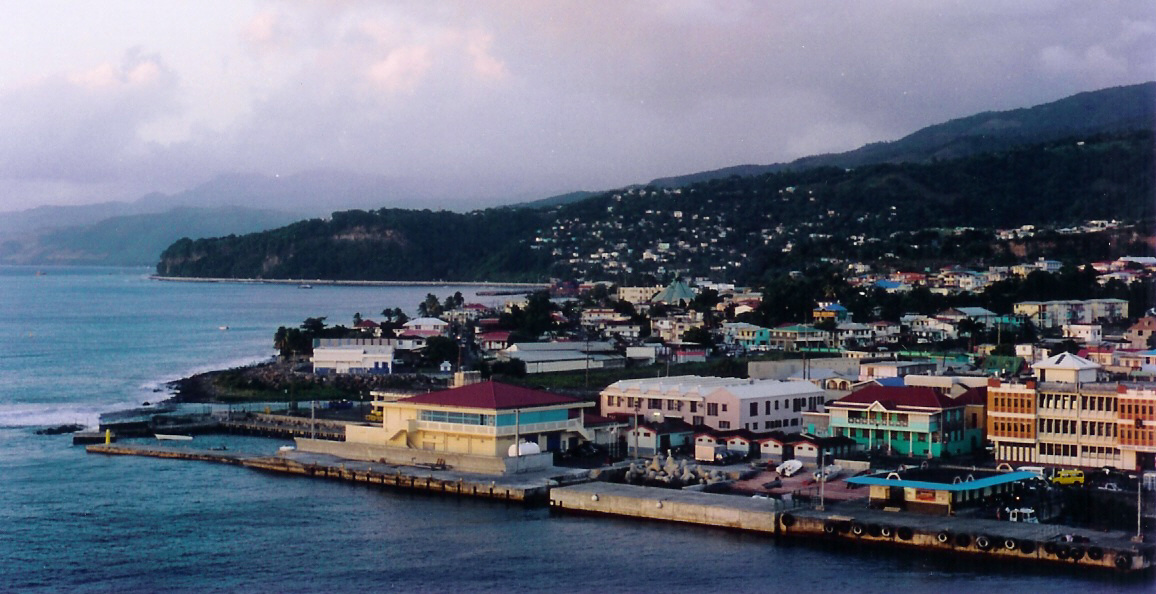
Roseau is not a city you come to for the city. It's a ramshackle, friendly capital of weathered French-colonial shutters and tin roofs squeezed between the Caribbean Sea and a wall of impossibly green mountain. You'll spend a morning here wandering the Saturday market for cocoa tea and accras, an afternoon on a boat or in a botanic garden, and then almost every other waking hour somewhere up in the valleys behind it — chasing waterfalls, soaking in sulphur pools, or hauling yourself up a volcano. The town is the dock; the island is the trip.
What sets Dominica apart from its Caribbean neighbours is how stubbornly un-resorted it is. There are no all-inclusives with swim-up bars, no cruise-port malls of duty-free watches. The currency on the ground is rain, rivers and rock. Trafalgar Falls' twin cascades are 20 minutes inland; the Boiling Lake — a steaming fumarole crater you reach via a 3-to-6-hour trek through the Valley of Desolation — is one of the planet's great day-hikes. Even Champagne Reef, an offshore snorkel just south of town, has volcanic bubbles fizzing up through the coral.
Roseau itself is best understood as a series of small, named pockets. The French Quarter near the waterfront holds the 18th-century cathedral and the most photogenic colonial stock. The Bayfront promenade is where locals walk in the evening and where the cruise ships disgorge passengers by day. Inland, the Roseau Valley climbs through villages like Trafalgar and Wotten Waven, where guesthouses sit next to natural hot springs. Stay in town for nightlife and walkability; stay up the valley for waking up to mist and birdsong.
Plan around weather more than around season. December to April is the dry window — reliable hiking, calmer seas, the busiest stretch. May to November is cheaper and lusher but the rain is real, and August to October sits inside Atlantic hurricane season; Hurricane Maria in 2017 still shapes how locals think about that window. Most travellers split the difference and go in February, March or early April: dry trails, warm water, no cruise-ship surge, and rates already softening from the December–January peak.
The practical bits.
- Best time
-
Feb – AprDry-season hiking and snorkelling without December's peak prices or crowds.
- How long
-
5-7 nights recommendedLess than four nights and you'll burn most of it on transit; ten unlocks the north of the island.
- Budget
-
$235 / day typicalGuides, boat trips and 4x4 transfers are the biggest swing factor — Dominica is cheaper than St Lucia but tours add up.
- Getting around
-
Hire a driver-guide for the big days; minibuses cover the rest.Roseau is walkable end-to-end in 30 minutes. For Trafalgar, Boiling Lake or the north coast you'll either book a tour, hire a driver-guide for the day, or take a packed local minibus that runs on its own loose schedule. Self-driving is possible but roads are narrow, switchbacked and badly signed.
- Currency
-
EC$ East Caribbean Dollar (pegged 2.70 to US$1)Roseau hotels and bigger restaurants take cards (often with a 3–5% surcharge). Guides, minibuses, small kitchens and anywhere outside town are cash-only — carry EC$ or US$.
- Language
- English is official; Dominican Creole (Kwéyòl) is widely spoken. English fluency is essentially universal.
- Visa
- US, UK, EU and Canadian passport holders enter visa-free for stays of up to six months with an onward ticket.
- Safety
- One of the safer Caribbean capitals — violent crime against tourists is rare and locals are famously chatty. Standard precautions apply: don't flash valuables, skip empty streets after dark, agree fares with drivers before getting in.
- Plug
- Type D and Type G, 230V / 50Hz
- Timezone
- GMT-4 (Atlantic Standard Time, no DST)
A few specific picks.
Hand-picked, not algorithmic. Each of these has earned its space.
Twin cascades known as 'Mother' and 'Father', reached by a 10-minute boardwalk hike. Go early — the platform fills fast once the first tour buses arrive.
A steaming fumarole crater at the end of a 3–6-hour trek through the Valley of Desolation. Hire a guide in Laudat; treat it as the hardest day-hike of your trip.
Swim through a slot canyon of volcanic rock to a hidden waterfall — the scene Pirates of the Caribbean filmed in. Cold, dark, unforgettable.
Volcanic gas bubbles rise through the coral while you snorkel. Easy shore entry 15 minutes south of Roseau.
A cluster of sulphur and mud baths in a riverside village 20 minutes inland. Go after a long hike day, not before.
The benchmark for Dominican Creole cooking — callaloo soup, stewed chicken, local provisions. Plain dining room, serious plates.
Upscale Creole inside a restored colonial building — local fish, rum cocktails, the closest Roseau gets to a special-occasion room.
Saturday mornings only for the real thing: cocoa tea, accras, fresh nutmeg, river fish. Arrive by 7am or the best stalls sell out.
Forty acres of palms, a crushed school bus left as a monument to Hurricane David, and a trailhead up Morne Bruce for sunset over the harbour.
Built into an 18th-century fort on the waterfront — the most central full-service base in town, with a dive shop on site.
Bamboo-and-timber eco-lodge up in the valley near the falls. Communal Creole dinners; basic, characterful rooms.
A skinny peninsula at the island's southern tip where the Atlantic meets the Caribbean — snorkelling on one side, big-blue swell on the other.
Pick a neighborhood, not a hotel.
Roseau is a city of neighborhoods. The one you stay in shapes the trip more than the property does.
Different trips for different travelers.
Same city, very different stays. Pick the lens that matches your trip.
Roseau for hikers
Few places in the Caribbean reward boots-on-the-ground travel like this — the Waitukubuli National Trail crosses the island, and the Boiling Lake is bucket-list grade.
Roseau for divers and snorkellers
Volcanic vents, sperm-whale encounters in winter, healthy reefs and almost no diver traffic — Roseau is the obvious base.
Roseau for eco and nature travellers
Rainforest lodges, hot springs and a government that has built its tourism brand around being the 'Nature Island'. No mega-resorts.
Roseau for foodies
Creole cooking, the Saturday market, river-caught crayfish and small family kitchens — niche, but rewarding for travellers willing to eat where locals eat.
Roseau for solo travellers
Safer than most Caribbean capitals, English-speaking, and small enough that you keep running into the same friendly faces — easy first solo Caribbean trip.
Roseau for cruise day-trippers
Roseau is a regular winter cruise stop; Trafalgar Falls, Champagne Reef and the botanic gardens are all doable inside a half-day window.
When to go to Roseau.
A quick year at a glance. Great, good, or skip — see what each month is doing before you book.
Peak season — busiest, priciest, but the weather is the most dependable.
The single best month for hiking; book Boiling Lake guides ahead.
Excellent all-round month; cruise crowds start thinning toward month-end.
Sweet spot — peak prices have eased but trails are still dry.
Quiet, green and cheap; expect afternoon rain.
Storm risk is low this early; lodging deals are excellent.
Carnival energy in town, but trails can be slippery and muddy.
Travel insurance with storm cover becomes essential.
The riskiest month; locals remember Maria in 2017 and David in 1979.
Some operators close for maintenance; only go with flexible plans.
Underrated shoulder month — green, quiet, increasingly dry.
Beautiful, expensive, busy — book accommodation months ahead.
Day trips from Roseau.
When you want a change of pace. Each one's a half-day or full-day out, easy from Roseau.
Trafalgar Falls
20 min driveTwin cascades reached by a short boardwalk; pair with Wotten Waven hot springs in the afternoon.
Boiling Lake
Full dayA 6–8 hour round-trip trek through the Valley of Desolation; guide required, start at dawn.
Champagne Reef
30 min driveVolcanic bubbles rising through the coral; easy shore entry south of town.
Emerald Pool
45 min driveA 15-minute walk through Morne Trois Pitons National Park leads to a jade-green plunge pool.
Scotts Head
40 min driveThe island's southern tip, where the Caribbean meets the Atlantic — narrow ridge with water on both sides.
Portsmouth & Indian River
75 min driveBoat tour up a mangrove river used in Pirates of the Caribbean, plus the Cabrits fort and quieter beaches around Calibishie.
Roseau vs elsewhere.
Quick honest reads on the cities people compare Roseau to.
Both are mountainous, French-influenced Eastern Caribbean capitals, but Dominica is wilder and less developed while St Lucia has the better beaches and a serious resort scene.
Pick Roseau if: Pick Roseau for hiking and nature, Castries for honeymoon resorts and infinity pools.
Grenada has the prettier capital and the better beaches; Dominica has the more dramatic interior, more waterfalls and the hot springs.
Pick Roseau if: Pick Roseau if your trip is built around hikes, Grenada if it's built around beach days and rum.
Martinique is a slice of France with patisseries, French wine and EU prices; Dominica is its raw, English-speaking neighbour with a fraction of the infrastructure.
Pick Roseau if: Pick Roseau for rainforest immersion, Fort-de-France for café culture and easier logistics.
Guadeloupe gives you a similar mix of mountains, rainforest and beach in a more developed package; Dominica is a tougher, smaller, less-trafficked version of the same idea.
Pick Roseau if: Pick Roseau if you want to feel off-grid, Pointe-à-Pitre if you want EU-grade roads, hotels and supermarkets.
Same nature-first pitch — rainforest, hikes, volcanic hot springs — but Dominica is a tiny Caribbean island where you can dive in the morning and hike a crater in the afternoon.
Pick Roseau if: Pick Roseau if you want all of Costa Rica's themes compressed into one small island with reef in walking distance.
Itineraries you can start from.
Rough shapes for a trip here — a feel for the pace and cost. Find the one that fits you.
Two days of waterfalls and hot springs from a Roseau base, one day on Champagne Reef and at Scotts Head, one slow morning at the Saturday market.
A week split between Roseau and the Roseau Valley with the Boiling Lake hike, Trafalgar and Middleham Falls, a Champagne Reef dive day, and a day trip to Emerald Pool.
Five nights in Roseau or the valley, then move north to Portsmouth for Indian River, Cabrits and the beaches around Calibishie. Two days of doing nothing.
Things people ask about Roseau.
Is Roseau safe for solo travelers?
Yes — Roseau is one of the safer capitals in the Caribbean and solo travellers, including women, generally have an easy time. Violent crime against tourists is rare and locals are open and chatty. Apply normal city sense: don't walk empty side streets late at night, keep cash and phones discreet on the market, and agree fares with drivers before getting in. Hiking the bigger trails like Boiling Lake should be done with a licensed guide regardless of solo status.
How many days do I need in Roseau?
Plan on five to seven nights based in or near Roseau. Three is enough only if you cherry-pick one or two hikes; four to five lets you do Trafalgar Falls, Champagne Reef, the Boiling Lake trek and a hot-springs evening without feeling rushed. Seven gives you a buffer day for weather and a day trip to Emerald Pool or up to the Cabrits. Ten nights opens up the north coast as a second base.
Best time to visit Roseau, Dominica?
February through April is the sweet spot — dry-season hiking weather, calmer seas, and rates already easing off the December–January peak. December and January are reliably sunny but pricier and busier with cruise calls. May and June are cheaper shoulder months with passable weather. Avoid August through October if you can: that's peak Atlantic hurricane season, and Dominica sits in the storm track.
Is Dominica expensive to visit?
Dominica is moderately priced for the Caribbean — cheaper than Barbados, St Lucia or St Barths, more expensive than the Dominican Republic. Budget travellers can do it on around US$100 a day with guesthouses and minibuses. A mid-range trip with a comfortable hotel, restaurants and a couple of guided tours runs roughly US$235 a day. Tours and dive packages are the main thing that pushes the bill up.
What is Roseau known for?
Roseau is best known as the gateway to Dominica's rainforest interior: Morne Trois Pitons National Park, the Boiling Lake, Trafalgar Falls and the Wotten Waven hot springs are all within a short drive. The town itself is known for its weathered French-colonial architecture, the lively Saturday public market, Creole cuisine, and being one of the few Caribbean capitals that has resisted being remodelled around big resorts and cruise retail.
Cash or card in Roseau?
Bring both, but expect to lean on cash. Hotels and the larger restaurants in central Roseau take cards, often with a 3–5% surcharge. Guides, minibus drivers, market vendors, small kitchens and almost anything outside the capital are cash-only and prefer East Caribbean dollars or US dollars. ATMs exist in Roseau and Portsmouth and are reliable; stock up before heading inland or up the valley.
How do you get from the airport to Roseau?
Most international visitors arrive at Douglas-Charles Airport (DOM) on the northeast coast, which is about a 75–90 minute drive over the mountains to Roseau. Pre-book a transfer through your hotel — a shared shuttle runs around US$30 per person, a private car closer to US$80. Canefield Airport (DCF) is a tiny commuter strip just north of Roseau used mainly for inter-island hops from Antigua or Guadeloupe.
What are the best day trips from Roseau?
Trafalgar Falls and the Wotten Waven hot springs are the easy half-day combo. The Boiling Lake hike fills a full, hard day. Champagne Reef and Scotts Head sit a short drive south and pair into one snorkel day. Emerald Pool and Middleham Falls are mid-island in Morne Trois Pitons National Park. For an overnight, Portsmouth and the Indian River boat tour anchor a north-coast trip.
Where is the best neighbourhood to stay in Roseau?
Stay in the City Center or along the Bayfront if you want to walk to dinner, hop on tours easily and feel the rhythm of the town — Fort Young Hotel is the obvious central pick. Stay up the Roseau Valley, in Trafalgar or Wotten Waven, if you're prioritising hikes and want to wake up to rainforest mist. Canefield and Pointe Michel are quieter alternatives a short drive out.
Roseau vs St Lucia — which should I pick?
Pick Roseau and Dominica if you want raw nature, hiking and small guesthouses with no all-inclusive scene. Pick St Lucia if you want beaches, resorts, romantic infinity-pool stays and the Pitons as a backdrop rather than as a hike. Dominica has dramatically better waterfalls, hot springs and hiking; St Lucia has noticeably better beaches and a wider hotel selection. Many travellers do both as a two-island Caribbean trip.
Is the Boiling Lake hike worth it?
Yes — but only if you're genuinely fit and prepared for a long, muddy, six-to-eight-hour round trip with steep scrambles, river crossings and a pass through the surreal Valley of Desolation. It's one of the great day-hikes anywhere in the Caribbean. Hire a licensed guide from Laudat (about US$50 one-way per person), start at first light, carry more water than you think, and write the day off for nothing else.
Can you drink the tap water in Roseau?
Generally yes. Dominica's tap water comes largely from spring-fed mountain catchments and is considered safe to drink in Roseau and most of the island. If you have a sensitive stomach or are coming straight from a long flight, stick to bottled or filtered water for the first few days. Carrying a refillable bottle is the right move — most guesthouses will let you refill freely.
What is the local food in Roseau like?
Dominican Creole cooking is built around root vegetables ('provisions'), callaloo, saltfish, freshwater crayfish, stewed chicken and goat. Saturday breakfast classics are accras (saltfish fritters), bakes and cocoa tea, sold at the market and small kitchens. Pearl's Cuisine in town is the classic Creole reference point; The Great Old House does a more polished sit-down version; roadside lunch counters give you the best price-to-flavour ratio.
Do cruise ships dock in Roseau?
Yes — Roseau is a regular Caribbean cruise port from December through April, and on busy days two ships can dock together at the Bayfront pier. That pushes thousands of day visitors onto Trafalgar Falls, Champagne Reef and the botanical gardens between roughly 9am and 3pm. If you're staying overnight in town, plan your big sights for early morning or late afternoon and you'll mostly have them to yourself.
What language do they speak in Roseau?
English is the official language and is spoken by essentially everyone. The widely spoken second language is Dominican Creole, or Kwéyòl, a French-based Creole you'll hear in markets, between drivers and in songs on the radio. You don't need to learn any Kwéyòl to travel comfortably, but knowing 'bonjou' (good morning) and 'mèsi' (thank you) is appreciated and gets you a smile.
Is Roseau good for diving?
Yes — Dominica is one of the most underrated dive destinations in the Caribbean and Roseau is the main hub for it. Champagne Reef, Scotts Head Pinnacle and the underwater volcanic vents off the southwest coast are within a short boat ride. Operators run from Fort Young Hotel and out of Soufrière. Visibility is reliably good November through June; pelagic spotting, including sperm whales in winter, is a real draw.
Know someone headed to Roseau?
Send them this guide — real neighborhoods, timing, and prices, with nothing to sign up for.
Copies the link — nothing to install