Nara
Send it to whoever you'd travel with
Nara is one of Japan's most rewarding overnight stops — the deer park at Todai-ji and Kasuga Taisha are genuinely different in the morning mist than in the midday crush, and one night turns a rushed day trip into something that stays with you.
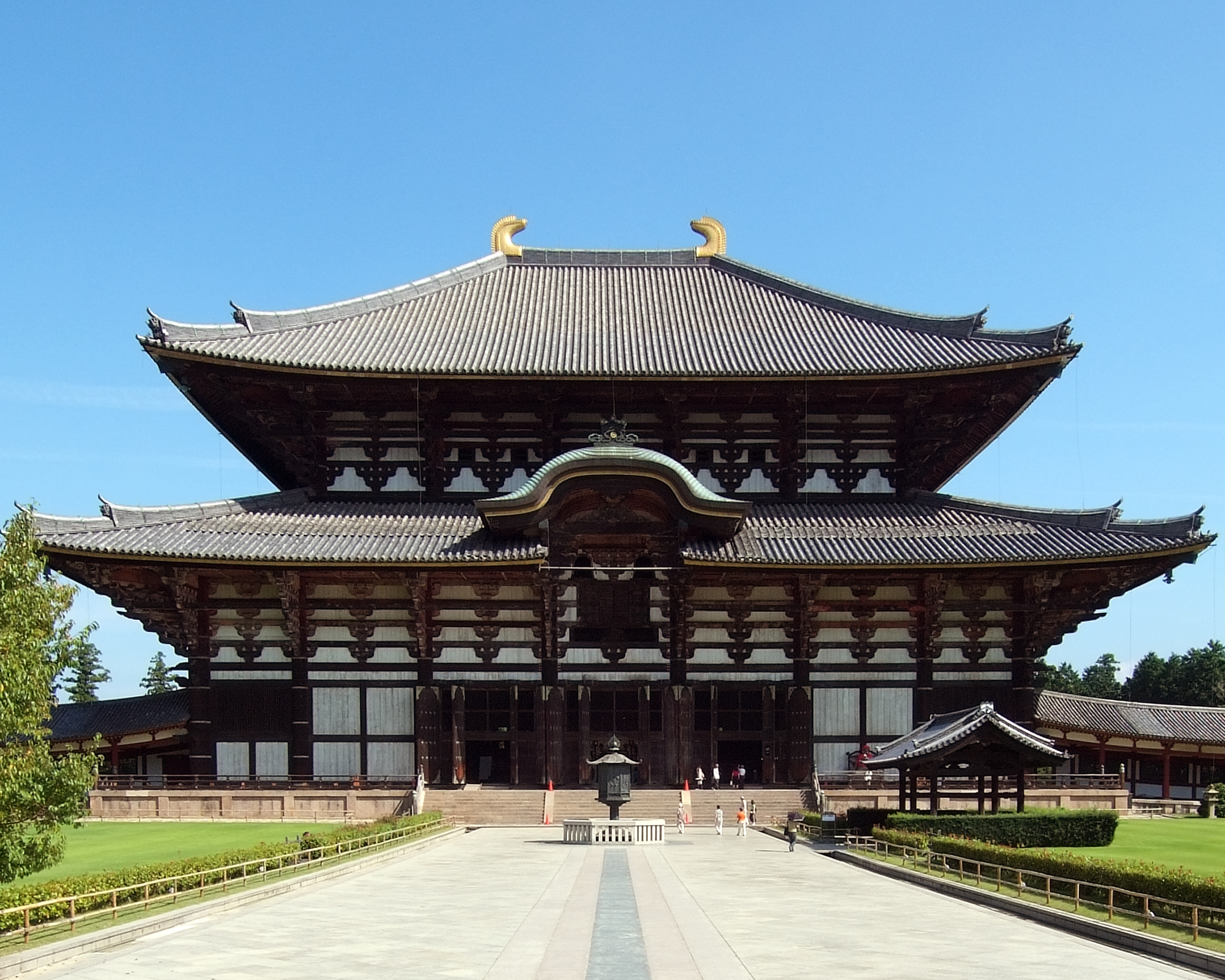
Every visitor to Kyoto gets told about Nara as a day trip, and every day trip to Nara is correct. The Sika deer in Nara Park are genuinely extraordinary — around 1,200 animals living in semi-freedom among the cedar and pine-forested slopes of Mount Wakakusa, approaching visitors for shika senbei (deer crackers) with a combination of aggression and grace that is specifically and only Japanese. Todai-ji's Great Buddha Hall is the world's largest wooden building, housing a 15-metre bronze Vairocana Buddha that has sat in roughly this spot since 752 CE. These are real reasons to come.
The argument for one night is more specific. Between 5 and 8 AM, Nara Park is populated only by deer and early-rising visitors. The path to Kasuga Taisha Grand Shrine through the primeval forest — its 3,000 stone lanterns moss-covered, the deer grazing between the cedars in morning mist — is one of Japan's most atmospheric walks. By 10 AM, school groups have arrived and the path has a different character. The choice between these two versions of Nara is entirely determined by whether you slept in the city or commuted from Kyoto.
Nara served as Japan's first permanent capital from 710 to 784. The city's grid plan, its eight UNESCO World Heritage monuments, and the cultural depth of the surrounding hills all reflect this founding period of Japanese civilization. Tōdai-ji, Kōfuku-ji, Kasuga Taisha, and Hōryū-ji (20 minutes southwest — the world's oldest surviving wooden buildings, dating to 607 CE) are not diminished by familiarity. They are simply among the most important architectural and religious sites in East Asia.
The deer are the democratizing force. They stand between the temples and the visitors, demanding crackers at waist height, occasionally headbutting tourists for food, photobombing professional photographs, and sleeping across the paths in the late afternoon as if the tourists are a minor inconvenience in their very old park. Nara's deer have been protected by imperial edict since 768 CE — longer than most of the buildings around them.
The practical bits.
- Best time
-
Late March – May · October – NovemberSpring cherry blossoms (late March–April) around the park with the deer are one of Japan's most beautiful combinations. Autumn (October–November) brings the maple and ginko leaf colour to Kasuga's forest paths. Summer is hot and very humid (30–35°C, 80%+ humidity); the deer retreat to shade and the temple circuits become exhausting. January and February are cold but uncrowded and atmospherically misty.
- How long
-
1 night recommended4 hours as a day trip covers the park, Todai-ji, and Kasuga Taisha adequately in shoulder season. One night unlocks the 6 AM experience and adds Hōryū-ji and the smaller temples. Two nights allows Yoshino mountain (cherry blossom season) or Mount Wakakusa hiking.
- Budget
-
¥16,000 / day (~$105) typicalNara is affordable by Japanese standards. Temple entry fees run ¥500–800 each. A good ryokan including dinner and breakfast runs ¥20,000–35,000 per person. Day trips from Kyoto cost only the ¥1,110 Kintetsu train fare each way.
- Getting around
-
Walking city — Nara Park and most temples are on footNara Park, Todai-ji, Kasuga Taisha, Kofuku-ji, and the deer-grazing areas are all within a 30-minute walk of Kintetsu Nara Station. Hōryū-ji is 20 minutes by bus (route 52 from JR Nara Station). Mount Wakakusa is a 15-minute walk from the main park.
- Currency
-
Japanese Yen (¥)Cash remains important in Japan. Temple ticket windows, smaller restaurants, and some ryokan still prefer cash. International credit cards accepted at larger hotels, department stores, and many convenience stores (7-Eleven, Lawson). Carry ¥10,000–15,000 in cash per day.
- Language
- Japanese. English signage in Nara Park and at all major temples is excellent. Spoken English is less common in smaller ryokan and local restaurants outside the tourist center.
- Visa
- Visa-free for up to 90 days for US, UK, EU, Australian, and Canadian passport holders under Japan's bilateral agreements. Electronic Travel Authorization (Visit Japan Web) registration required from 2023; complete online in advance.
- Safety
- Extremely safe. The deer are the principal physical hazard — they will headbutt for crackers and occasionally nip. Hold bags in front of you, buy crackers only from official stands, and don't show crackers near a large group of deer unless you're prepared for them.
- Plug
- Type A (two flat pins) · 100V — Japan uses 100V, lower than US and most European standards. Most modern devices (laptops, phones) handle 100–240V automatically; check your charger. No adapter needed for US plugs; UK/European plugs need a Type A adapter.
- Timezone
- JST · UTC+9 · no daylight saving time
A few specific picks.
Hand-picked, not algorithmic. Each of these has earned its space.
The world's largest wooden building, housing the 15-metre bronze Vairocana Buddha, cast in 752 CE. Entry ¥800. Arrive at opening (7:30 AM) when the first light enters the hall and crowds are thin. The wooden pillar with the hole — said to bring enlightenment to those who squeeze through — is inside.
A Shinto shrine founded in 768 CE and rebuilt every 20 years until 1863. The approach path through the primeval forest — 3,000 stone lanterns moss-covered on either side, deer grazing between the cedars — is Nara's most atmospheric experience. Best before 9 AM. Entry to the inner precinct ¥500.
1,200 Sika deer living in semi-freedom. Protected since 768 CE by imperial decree. Buy shika senbei (deer crackers, ¥200) from official stands — not street vendors. The deer bow when you hold crackers up; they also headbutt when they think you've been slow.
The world's oldest surviving wooden buildings — the West Precinct pagoda and the Kondo (Golden Hall) date to 607 CE under Prince Shōtoku. Entry ¥1,500. Bus 52 from JR Nara Station. Not on the standard day-trip itinerary; essential for anyone staying overnight.
The five-storey pagoda beside the Sarusawa Pond is Nara's most photogenic structure and one of Japan's most recognized images — reflected in the pond on still mornings. The Kofuku-ji National Treasure Hall (¥700) holds extraordinary Asuka and Nara-period Buddhist statuary.
Two Japanese gardens adjacent to each other near Todai-ji, both using Wakakusa mountain as borrowed scenery. Isuien (¥900) is the more refined; Yoshikien is free for foreign visitors. Spring and autumn are the key seasons.
The preserved merchant townhouse district of traditional machiya. Narrow streets with small cafés, craft shops, and a few museums including the Naramachi Koshi-no-ie (free), a townhouse with original merchant interior. Best for an evening walk after the temple circuit.
A 342-metre grass-covered mountain at the park's eastern edge. The climb takes 30 minutes from the park and gives panoramic views over Nara. Open daily except during the annual Yamayaki (grass-burning festival, third Saturday in January). Entry ¥150 from March through November.
A hall built into the hillside above Todai-ji with a wooden veranda giving the best elevated view over Nara and toward the western mountains. Free entry. Best at dawn or just before sunset. The steep wooden staircase and the view from the veranda are among Nara's most memorable moments.
Twice yearly (early February and mid-August), all 3,000 stone lanterns and the bronze lanterns inside the shrine are lit simultaneously. The resulting atmosphere in the forest at night is extraordinary. Book accommodation months ahead for these dates.
Pick a neighborhood, not a hotel.
Nara is a city of neighborhoods. The one you stay in shapes the trip more than the property does.
Different trips for different travelers.
Same city, very different stays. Pick the lens that matches your trip.
Nara for japan first-timers
Nara is almost universally on the standard Kyoto-Nara-Osaka triangle. Do it as an overnight rather than a day trip. The park and Tōdai-ji are the essential first Japan experiences; the quiet morning before crowds arrive is the moment most people remember longest.
Nara for families with children
The deer are the main event for most children. Supervise cracker interactions for children under 8. The Tōdai-ji wooden pillar hole and the scale of the Buddha are reliably impressive. Pack comfortable shoes — the park circuit covers 4–6 km on foot easily.
Nara for architecture and history travelers
Nara's eight UNESCO sites span 710–784 CE — the earliest period of Japanese Buddhist architecture. Hōryū-ji (607 CE) is the oldest surviving wooden building on Earth. Two nights and a methodical approach to the sites reveals a coherent narrative of the early Nara period that cannot be compressed into a day trip.
Nara for photography travelers
The Kasuga Taisha path at dawn (6–7 AM, mist through the cedars, lanterns, deer). The Kofuku-ji five-storey pagoda reflected in the Sarusawa Pond before 8 AM. The view from Nigatsudō Hall terrace at sunset. All of these require an overnight. The deer with cherry blossoms in late March–April is Japan's most-photographed season.
Nara for couples
A ryokan dinner, an early morning park walk before the crowds, the Isuien garden at golden hour. Nara's scale makes it intimate — the city doesn't feel overwhelming, which is why the overnight experience feels personal rather than touristic.
Nara for budget travelers
Nara is affordable by any Japanese standard. The park is free. The deer crackers are ¥200. Temple entry fees run ¥500–¥800 each. A budget ryokan including breakfast runs ¥8,000–12,000 per person. Convenience store meals are excellent in Japan and keep daily food costs low.
Nara for return visitors to japan
Those who've done the standard Kyoto circuit benefit most from Nara's depth. Hōryū-ji, Asuka by bicycle, Yoshino in cherry season, and the Kasuga Taisha lantern festival nights are all secondary-layer experiences that reward repeat Japan visitors who've already covered the headlines.
When to go to Nara.
A quick year at a glance. Great, good, or skip — see what each month is doing before you book.
Yamayaki grass-burning on Mount Wakakusa (third Saturday). Very quiet. Atmospheric morning mist in the park.
Kasuga Taisha Mantōrō lantern festival (early February). Quiet and atmospheric. Plum blossoms in the shrine grounds.
Cherry blossoms beginning in late March. Crowds building significantly from this month.
Peak cherry blossom (late March–mid April). The deer among the blossoms is Japan's most iconic spring image. Book accommodation 3–6 months ahead.
Golden Week (late April – early May) is extremely busy. After Golden Week, crowds drop and the weather is excellent.
Tsuyu (rainy season) brings humidity and rain. The park and forest paths are green and atmospheric; expect wet days.
Very hot and humid. Deer retreat to shade by 10 AM. Temple circuits feel punishing by midday. Early mornings only.
Kasuga Taisha lantern festival mid-August — all 3,000 lanterns lit at night. Otherwise the hardest month for comfort. Go only for the festival.
Heat breaking by late September. Typhoon season affects the Kansai region occasionally. Crowds reduce significantly.
One of the best months. Cool temperatures, autumn colour beginning in the forest, manageable crowds.
Peak autumn leaf colour on the Kasuga Taisha path (mid-November). Busy but manageable. Beautiful light.
Low season. Very few tourists. The park in winter morning mist is quietly extraordinary.
Day trips from Nara.
When you want a change of pace. Each one's a half-day or full-day out, easy from Nara.
Kyoto
45 min by KintetsuThe natural home base for a Nara visit. Kintetsu trains run every 30 minutes. Most travelers base in Kyoto and day-trip or overnight in Nara rather than the reverse.
Osaka
45 min by KintetsuKintetsu Nara Line to Osaka-Namba. Osaka is the food capital of Japan — a full day rewards anyone who enjoys eating seriously. Can be combined with Nara as a two-stop day from Kyoto.
Hōryū-ji
20 min by bus from JR NaraBus 52 from JR Nara Station (not Kintetsu). Full morning visit recommended. The Treasure Hall holds extraordinary early Buddhist sculpture. Combine with Hōrin-ji and Chūgū-ji temples nearby.
Yoshino
1 h 30 min by KintetsuJapan's most famous cherry blossom mountain — 30,000 trees on four tiers visible simultaneously in early April. Kintetsu from Yamato-Yagi (change from Nara). Outside cherry season it's quiet and rewarding for its ancient yamabushi culture and Kinpusen-ji temple.
Asuka
45 min by KintetsuThe 6th–7th century Asuka period capital, scattered across farmland south of Nara. Bicycle rental from Asuka station (¥1,000/day); the stone burial mounds, ancient temple foundations, and Ishibutai keyhole tomb are the main sites. Very quiet outside cherry season.
Mount Yoshino Shugendo Trail
1 h 30 min by KintetsuThe Omine Okugakemichi (World Heritage) pilgrimage route connects Yoshino to Kumano through the Kii Peninsula. Day sections of the trail from Yoshino are possible without committing to the multi-day route.
Nara vs elsewhere.
Quick honest reads on the cities people compare Nara to.
Kyoto is Japan's temple city — more sites, more varied, more contemporary culture, 5–7 days minimum. Nara is smaller, more focused, deer-park famous, and rewards an overnight extension from Kyoto. Both are UNESCO-heavy; Nara's sites are slightly older. They're 45 minutes apart.
Pick Nara if: You want a single focused overnight with ancient temples and deer, complementing a longer Kyoto base, rather than a multi-day independent destination.
Nikko is the ornate Toshogu Shrine complex in the mountains north of Tokyo — elaborate Edo-period carving and gilded decoration. Nara is quieter, more atmospheric, and architecturally older. Nikko is a day trip from Tokyo; Nara is an overnight from Kyoto or Osaka.
Pick Nara if: You want the combination of Buddhist antiquity, living deer, and atmospheric forest paths over Edo-period decorative opulence.
Kamakura has a second Great Buddha (the Kotoku-in Buddha, outdoor and 13th century), excellent hiking trails between temples, and proximity to the Pacific coast near Tokyo. Nara has an older, larger Buddha indoors, deer, and a denser collection of ancient sites. Both are strong day trips from their respective gateway cities.
Pick Nara if: You prefer the Kansai-area itinerary pairing with Kyoto and Osaka, and want deer as a living element of the temple experience.
Hiroshima has the Peace Memorial Park and Museum (a specific and important historical experience) and Miyajima island with its floating torii gate. Nara has ancient Buddhist and Shinto heritage without the 20th-century historical gravity. Very different purposes, but both are essential Japan experiences rather than competing alternatives.
Pick Nara if: You want ancient Japan's founding religious and cultural heritage rather than the 20th-century historical narrative — do both on a longer Japan trip.
Itineraries you can start from.
Rough shapes for a trip here — a feel for the pace and cost. Find the one that fits you.
Arrive evening from Kyoto (45 min). Naramachi dinner. 6 AM Kasuga Taisha walk in the mist. 7:30 AM Tōdai-ji at opening. Morning in the deer park. Train back by noon or continue to Osaka.
Day one: park, Todai-ji, Kasuga Taisha, Nigatsudō view. Day two: Hōryū-ji by bus (morning), Kofuku-ji and the gardens (afternoon), Naramachi evening. Consider Isuien garden at golden hour.
Two days Nara (full temple circuit, Hōryū-ji). One day Yoshino mountain by train (April only) — 30,000 cherry trees on a mountainside above a village of yamabushi monks. A genuinely rare experience.
Things people ask about Nara.
Is Nara worth an overnight stay?
Yes — one night fundamentally changes the experience. The Kasuga Taisha forest path between 6 and 8 AM, before the school groups and tour buses arrive, is one of Japan's most atmospheric walks. Tōdai-ji at opening (7:30 AM) is quiet and the morning light inside the hall is remarkable. If you've done Nara as a day trip and felt it was good but rushed, an overnight is the answer.
How many days should I spend in Nara?
One night unlocks the morning experience and is sufficient for the park, Todai-ji, Kasuga Taisha, and an evening in Naramachi. Two nights adds Hōryū-ji (the world's oldest wooden buildings, 20 min by bus), the gardens, and Mount Wakakusa. In cherry blossom or autumn leaf season, two nights allows unhurried visits at both morning and evening golden hours.
How do I get to Nara from Kyoto?
Two options: the Kintetsu Nara Line from Kyoto Station (Kintetsu Kyoto Station, adjacent) takes 45 minutes direct and costs ¥1,110 — the faster, more convenient option. The JR Yamatoji Line runs from JR Kyoto Station and takes about 75 minutes via Osaka (not direct). The Kintetsu is almost universally preferred for Kyoto-to-Nara. From Osaka, Kintetsu from Osaka-Namba takes 45 minutes.
Are the Nara deer safe?
Generally yes, with a few specific caveats. They will actively pursue you if they can see or smell deer crackers. Hold bags in front (they will headbutt bags from behind). Don't carry crackers in your coat pocket — they will headbutt you there too. They occasionally nip clothing when frustrated. Females protecting fawns in spring can be aggressive. Children should handle crackers with supervision. None of this is dangerous for adults who are paying attention.
What are shika senbei?
Deer crackers — thin rice crackers sold by licensed vendors throughout the park for ¥200 per bundle of approximately 10. The deer have learned to bow when you hold them up; this is trained behavior from generations of association. Buy from official green-umbrella stands, not from unofficial sellers. The crackers are made from rice bran and wheat flour — fine for the deer, though they'll eat anything you're holding.
What is Tōdai-ji?
A Buddhist temple complex founded in 728 CE and rebuilt multiple times after fires. The Great Buddha Hall (Daibutsuden) is the world's largest wooden building and houses Birushana-butsu (Vairocana Buddha), a 15-metre bronze figure cast in 752 CE. Entry ¥800. The hall also contains two smaller guardian Bodhisattvas and the famous wooden pillar with a hole at the base — supposedly the size of the Buddha's nostril, and squeezing through is said to bring enlightenment in the next life.
What is the best time to visit Nara?
Late March through May and October through November are the clear recommendations. Cherry blossoms (late March–April) in the park, particularly around the Kofuku-ji pagoda, are exceptional. Autumn maple and ginkgo color on the Kasuga Taisha path (October–November) is quieter and equally beautiful. Summer (July–August) is very hot and humid; the deer shelter in shade and the temples feel airless by noon. January and February are cold but misty and atmospheric.
What is Kasuga Taisha?
The most important Shinto shrine in Nara, founded in 768 CE to protect the new capital and the Yamato clan. The approach through the primeval forest — lined with 3,000 stone lanterns donated over 12 centuries — is considered one of the most atmospheric paths in Japan. The inner precinct (¥500) is painted vermilion; the bronze lanterns hanging in the covered galleries are the visual highlight. Rebuilt every 20 years until 1863; the current buildings date from the Meiji era.
What is Hōryū-ji and is it worth visiting?
The world's oldest surviving wooden buildings, in Ikaruga 20 minutes southwest by bus. The West Precinct contains a five-story pagoda and the Kondo (Golden Hall), both built in 607 CE under Prince Shōtoku — the oldest surviving wooden structures on Earth. The Treasure Hall (Daihozoden) holds 2,300 Buddhist objects. Entry ¥1,500. Worth visiting for anyone with serious interest in Japanese architectural history; not essential for a standard Nara day trip.
Where should I eat in Nara?
Nara's food identity is less developed than Kyoto or Osaka, but several things are regional: kakinoha-zushi (mackerel sushi wrapped in persimmon leaves), miwa sōmen (thin wheat noodles from Miwa, served cold in summer), and Yamato-style tofu. Naramachi has several small restaurants and cafés in traditional machiya buildings for dinner. Near Kintetsu Nara Station, the covered arcade shopping street has a range of options at various price points.
What is a ryokan and should I stay in one in Nara?
A traditional Japanese inn with tatami rooms, futon bedding, communal or private hot spring baths, and usually dinner and breakfast included (kaiseki style). Nara has several ryokan ranging from budget (¥8,000 per person, basic) to high-end (¥30,000+ per person, multi-course kaiseki). A ryokan stay in Nara is genuinely recommended — the dinner timing (6–7 PM) and the breakfast (7–8 AM) align perfectly with the early morning temple walk that is the key overnight benefit.
Can children visit Nara?
Yes, and children often love it more than adults. The deer are the main draw for most children — the combination of friendly, crackers, and occasional chase is reliably exciting. Todai-ji's interior is enormous and visually impactful. The wooden pillar squeeze is a children's favorite. The only caution is managing deer interaction carefully with younger children — deer can knock over small children when pursuing crackers.
What is Mount Wakakusa?
A 342-metre grass-covered hill at the eastern edge of Nara Park. The 30-minute climb rewards with panoramic views over the city and the western mountains beyond. The Yamayaki grass-burning festival (third Saturday in January) sets the entire hillside ablaze at dusk — a dramatic spectacle that draws large crowds. Open March through November (¥150 entry). A good alternative to the temples for those who want elevation.
What is Naramachi?
The traditional machiya (wooden townhouse) district south of Nara Park, preserved from the Edo period. Streets of narrow wooden houses with distinctive lattice facades, housing small cafés, craft shops selling Nara specialties (calligraphy brushes, Nara ink, akahada pottery), and a few free museums. The Naramachi Koshi-no-ie is a fully preserved merchant townhouse open for free. Best explored on foot in the late afternoon when the park crowds have thinned.
How does Nara compare to Kyoto?
Kyoto has more sites, a much wider restaurant and hotel range, contemporary culture alongside the temples, and requires 5–7 days to do adequately. Nara has a smaller, more walkable collection of world-class sites, is significantly less crowded in every season, and rewards an overnight without requiring a full week. They're 45 minutes apart — use Kyoto as your base, Nara as an overnight extension, and don't try to compress Nara into three hours.
Is Nara worth visiting without Kyoto?
Not usually structured that way — Nara has limited hotel range and evening activity compared to Kyoto or Osaka, both of which are 45 minutes away by train. Most travelers use Nara as an overnight from either Kyoto or Osaka. But those flying into Osaka Kansai and wanting Nara on day two before heading to Kyoto on day three can absolutely route it that way.
What are Tōshōdai-ji and Yakushi-ji?
Two important Nara temples in the Nishi-no-kyo district west of the park, rarely reached by day-trippers. Tōshōdai-ji was founded in 759 CE by the Chinese monk Ganjin (who made six attempts and lost his sight crossing the sea to Japan) — its main hall is among the finest Nara-period buildings. Yakushi-ji has two pagodas and a famous 8th-century bronze of the Healing Buddha. Together they add 2–3 hours and almost no crowds.
Know someone headed to Nara?
Send them this guide — real neighborhoods, timing, and prices, with nothing to sign up for.
Copies the link — nothing to install