Nagano
Send it to whoever you'd travel with
Nagano is the rare Japanese city that earns its reputation in both seasons — Japanese macaques bathing in mountain hot springs in winter, and the pine-forested Zenkoji approach in any season, but most beautifully on a quiet weekday morning.
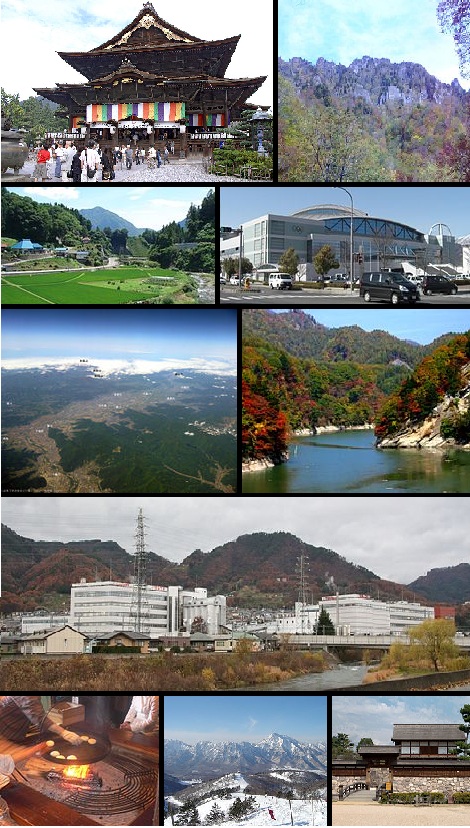
Nagano's central pilgrimage site — Zenkoji Temple — has been receiving visitors for 1,400 years. The smoke from incense sticks drifts across the stone-paved approach, past rows of lantern-lit inns, and arrives at a large wooden main hall containing what is believed to be Japan's first Buddhist image, a golden triad locked away from public view for the past seven centuries. The statue is displayed once every seven years (next in 2033). The darkness around which a billion pilgrimages have been organized is a very Japanese thing to build a city around.
The city hosted the 1998 Winter Olympics, and the physical legacy is visible in the Nagano Olympic Memorial Arena (M-Wave), the ski jump towers at Hakuba, and the bobsled/luge track at Spiralove. But the more lasting legacy is the ski culture: the Hakuba Valley, 50 minutes west by bus, became a genuinely international ski destination and now draws Australians, Canadians, and Europeans who understand that Hakuba's powder snow — coastal moisture freezing as it hits the Japan Alps — is among the driest and deepest in the world.
Jigokudani Yaen-koen (Snow Monkey Park) is a 40-minute bus and walk from Yudanaka station. From December through March, wild Japanese macaques (Nihonzaru) descend from the forested mountains to soak in a natural hot spring surrounded by snow — a photograph so iconic that it has come to represent Japan itself in international nature media. In person, the scene is more intimate than the photographs suggest: the monkeys ignore humans completely, floating in the steam-wreathed water, grooming each other, and occasionally engaging in territorial displays that send hot spring water splashing in all directions.
The city's neighborhoods around Zenkoji, the covered shopping arcade (Chuo-dori shotengai), and the Gondo shotengai offer a different Nagano — a working Japanese provincial city with good craft sake, izakaya culture, and the ease of a city that served the world during the Olympics and has quietly maintained that hospitality infrastructure since.
The practical bits.
- Best time
-
Dec–Feb (snow monkeys + skiing) · Mar–May (spring Zenkoji) · Sep–Nov (autumn foliage)The snow monkey experience requires snow and cold — December through March is the window, January and February the peak. Hakuba ski season runs November through April. Spring brings Zenkoji's cherry blossom approach and comfortable walking temperatures. Autumn foliage at the Togakushi Shrine and the monkey park forests is mid-October through early November.
- How long
-
2 nights recommendedOne night covers Zenkoji evening + Snow Monkey Park. Two nights adds Hakuba or Togakushi. Three-to-four nights is the Hakuba ski or snowboarding base, adding Obuse day trip.
- Budget
-
$160 / day typicalBudget guesthouses and business hotels from ¥6,000–9,000/night. Mid-range city hotels ¥12,000–20,000. Snow Monkey Park entry ¥800; Yudanaka onsen stay ¥15,000–25,000/person with meals. Hakuba ski pass ¥5,000–6,500/day.
- Getting around
-
Walk central Nagano · buses to Snow Monkey Park and HakubaNagano's central sights (Zenkoji, covered shopping street, station area) are walkable. The Snow Monkey Park requires a 40-min Nagano Dentetsu Railway train to Yudanaka, then a 10-min bus to Kanbayashi Onsen, then a 20-min walk uphill to the park. Hakuba is reached by direct bus from Nagano Station (50–70 min). Togakushi Shrine is a 1-hour bus from the station.
- Currency
-
Japanese Yen (¥)Cash dominant in smaller establishments. IC cards (Suica) work on Nagano's trains and buses. Major hotels and restaurants accept cards. Konbini (convenience store) ATMs (7-Eleven, Lawson) accept international Visa/Mastercard.
- Language
- Japanese. English is spoken at tourist information centers and accommodation; less so in smaller restaurants and market shops. The Nagano Station tourist information center has English-speaking staff.
- Visa
- Visa-free for most Western nationalities for 90 days. Japan's Visit Japan Web online registration is recommended before arrival.
- Safety
- Very safe. The main winter hazard is ice underfoot on the Zenkoji approach and mountain paths — bring ice-grip footwear attachments for January–February. Jigokudani path can be slippery; the park provides rubber boots to borrow.
- Plug
- Type A · 100V
- Timezone
- JST · UTC+9
A few specific picks.
Hand-picked, not algorithmic. Each of these has earned its space.
Japan's most visited Buddhist temple outside Kyoto, receiving 6 million pilgrims annually. The main hall morning ceremony (7 AM in winter, 5:30 AM in summer) involves blessing by the resident priest and the Okaidan Meguri — a pitch-dark underground passage beneath the altar where you locate a key that represents Buddhist salvation. Arrive before dawn for the pre-dawn chanting.
Wild Japanese macaques bathing in a volcanic hot spring surrounded by deep snow. Best December through March. The 2km forest walk to the park from the bus stop is part of the experience — follow the stone-flagged path through cedar forest in silence before the monkeys appear.
Eight interconnected ski resorts (Happo-one, Goryu, Tsugaike, and others) receiving Japan's deepest powder. The Olympic downhill course at Happo-one is still in use. For non-skiers: the Happo-one Gondola to alpine views operates year-round.
A 2km cedar-lined processional avenue leading to three mountain shrines built into the forested hillside — Hokosha, Chusha, and Okusha. The cedar trees lining the approach are 400 years old and create a tunnel effect in all seasons. Togakushi is also the home of Nagano Prefecture's soba noodle tradition.
A small town renowned for its chestnut confectionery and as the home of the great Edo-period painter Katsushika Hokusai — his last works were created here. The Hokusai Museum houses original surimono prints and painted festival floats. The chestnut products (kuri-yokan, marron glacé) are the most celebrated in Japan.
The stone-paved approach to the temple is lined with traditional inns (monzen-machi), incense shops, sake vendors, and snack stalls. The 7 AM pre-dawn Oasa-ji ceremony fills the approach with pilgrims; the evening lantern lighting turns it quietly theatrical. The street performs differently in every season.
The hot spring town gateway to the Snow Monkey Park. Shibu Onsen village has nine communal outdoor baths accessible to guests of any Shibu ryokan — a ritual bath circuit in the evening, moving between sulphurous outdoor pools in wooden changing houses, is among Japan's finest onsen experiences.
Nagano is Japan's premier soba prefecture. The Togakushi soba — cold buckwheat noodles in small portions arranged in square lacquerware boxes — is the regional standard. In the city, Zenkoji-mae soba shops serve long queues at lunch. Soba buckwheat harvesting in September makes early autumn the best season for fresh noodles.
The Hokusaikan in Obuse holds the original painted ceilings commissioned by a local patron during Hokusai's final years (he died at 89 in 1849). The phoenix ceiling in the Jokoji Temple across the street was his last major work. An underrated museum on the circuit of anyone interested in Japanese woodblock print art.
The castle town of the Sanada clan — samurai family best known from the Osaka campaigns. The ruins include a moat, stone walls, and a 17th-century garden. Less visited than comparable castle towns; an easy half-day combined with the Sanada Museum for those who want depth in the Warring States period.
Pick a neighborhood, not a hotel.
Nagano is a city of neighborhoods. The one you stay in shapes the trip more than the property does.
Different trips for different travelers.
Same city, very different stays. Pick the lens that matches your trip.
Nagano for skiers and snowboarders
Hakuba Valley is the main draw — 8 linked resorts, Olympic pedigree, and Japan powder that competes with any mountain destination in the world. Book accommodation in Hakuba village (not Nagano city) for a ski-first trip. The combination with Nagano city and snow monkeys on arrival or departure day gives the trip cultural depth.
Nagano for temple and culture travelers
Zenkoji is the anchor — attend the 7 AM ceremony, walk the underground Okaidan passage, and explore the Omotesando approach at dusk for full depth. Matsushiro castle town and Obuse add a samurai-merchant axis. Two days gives this combination properly.
Nagano for nature and wildlife travelers
The snow monkeys at Jigokudani are the wildlife highlight of the Japanese Alps. Combine with Togakushi forest in autumn foliage, Hakuba summer hiking, and Kamikochi valley for a nature-first Nagano circuit that works across seasons.
Nagano for food travelers
Togakushi soba, Obuse chestnut wagashi, oyaki dumplings, Shinshu miso-based izakaya cooking, and wild game in autumn constitute a distinctive regional food culture. The Gondo shotengai evening izakaya strip in Nagano city is the best setting for local sake (Shinshu sake is among Japan's most lauded).
Nagano for families with children
The Snow Monkey Park is universally effective with children. The Togakushi ninja museum is designed for young visitors. Hakuba ski schools cater to beginners from age 3 upward. In summer, the Hakuba Adventure Mountain (ziplining, mountain biking) and the gondola are child-friendly additions.
Nagano for couples
A Shibu Onsen ryokan night is the peak Nagano couple experience — private room, yukata, nine communal evening baths, and kaiseki dinner in a setting that has changed little in 200 years. Pair with a morning at the snow monkey park and a second night at a Zenkoji monzen-machi inn.
When to go to Nagano.
A quick year at a glance. Great, good, or skip — see what each month is doing before you book.
Peak snow monkey season — deepest snowfall, best bathing photos. Hakuba ski conditions excellent. Cold; proper winter gear essential.
Snow monkey peak continues. Hakuba powder at its best. Clear mountain air, dramatic skiing conditions.
Snow monkeys still using the hot spring through March. Ski season winds down at lower elevations. Quieter, good prices.
Zenkoji approach cherry blossom (late March–mid April). Snow monkeys stop bathing. Ski season ends at most resorts.
Excellent walking weather. New greenery around Togakushi and Zenkoji. Light crowds after Golden Week.
Tsuyu brings grey skies and regular rain. Mountain hiking above 2,000m is still good when not raining. Fewer tourists.
Hakuba and Japan Alps hiking season opens. Alpine flowers below the ridges. Warm in the city; comfortable in the mountains.
Peak domestic summer tourism. Hakuba mountain activities busy. City is hot; aim for early morning Zenkoji visits.
Mountain hiking excellent as crowds thin. Clear air and mountain views. Excellent underrated month.
Togakushi and Hakuba foliage peak mid-October. Cool, clear conditions. Excellent photography month.
Foliage fading. Ski resorts preparing to open (some open late November). Good for budget travel between seasons.
Snow monkeys begin bathing by mid-December. Hakuba ski season opens. Zenkoji in snow is atmospheric.
Day trips from Nagano.
When you want a change of pace. Each one's a half-day or full-day out, easy from Nagano.
Jigokudani Snow Monkey Park
1.5h from NaganoNagano Dentetsu to Yudanaka (40 min), bus to Kanbayashi, then 2km forest walk. Allow 3–4 hours total for the outing. Best December–March for the snow-bath scene. Combine with Shibu Onsen bath circuit for an overnight.
Obuse
30 min by Nagano DentetsuJapan's chestnut confectionery capital and the location of Katsushika Hokusai's last works. Walk between the Hokusaikan museum, Gansho-in Temple (Hokusai's phoenix ceiling), and the chestnut wagashi shops in a relaxed half-day.
Togakushi Shrine
1h bus from NaganoThe 2km cedar avenue approaching Okusha shrine is among the most impressive forest walks in Japan. Lunch at one of the soba restaurants in the village (Zengoro is consistently good). Combine with the small ninja museum if traveling with children.
Hakuba Valley
50 min by busIn ski season, direct buses run frequently from Nagano Station to the Happo-one Gondola base. In summer, the gondola operates for mountain hiking access. Pre-book ski equipment rental in Hakuba village to skip the rental shop queues.
Matsumoto
45 min by ShinkansenJapan's finest original castle keep stands in the city center. Combine with a Kamikochi day trip (1h further by bus) in summer for the U-shaped alpine valley. Good as a travel day between Nagano and Takayama.
Matsushiro Castle Town
20 min from NaganoLess visited than comparable castle sites; the Sanada Museum and the villa garden are the main draws. Best for travelers who have already seen Zenkoji and want a half-day historical extension without the Obuse journey.
Nagano vs elsewhere.
Quick honest reads on the cities people compare Nagano to.
Hakuba is the ski destination; Nagano city is the cultural base. They are 50 minutes apart and complement each other — the itinerary that combines Zenkoji and snow monkeys with 2 Hakuba ski days is stronger than either alone. For a pure ski trip, base in Hakuba; for a cultural trip that adds skiing, base in Nagano.
Pick Nagano if: You want both Zenkoji temple culture and Japan Alps skiing without choosing between them.
Nikko is an ornate Shinto-Buddhist monument complex on a day trip from Tokyo. Nagano is a full city with pilgrimage culture, snow monkeys, skiing, and mountain food. Nikko is impressive but exhausts itself in a day; Nagano rewards multi-night visits.
Pick Nagano if: You want a complete mountain city experience rather than a single monument day-trip.
Takayama offers Edo merchant townscape, sake brewery culture, and Shirakawa-go proximity. Nagano offers pilgrimage temple culture, snow monkeys, and ski access. They're natural companions on a Japan Alps circuit: 2 nights Nagano, 2 nights Takayama via Matsumoto.
Pick Nagano if: You want a Zenkoji pilgrimage, snow monkey experience, and ski access rather than preserved merchant lanes and sake tasting.
Niseko and Furano in Hokkaido are Japan's other premier ski regions. Hokkaido powder is marginally drier; Hakuba has more mountain variety and easier Shinkansen access from Tokyo and Osaka. Niseko is more internationalized; Hakuba is less English-saturated and has more variety of resort types.
Pick Nagano if: You want Japan skiing with easier access from Tokyo and cultural additions (snow monkeys, Zenkoji) within the same trip.
Itineraries you can start from.
Rough shapes for a trip here — a feel for the pace and cost. Find the one that fits you.
Day 1: Arrive Nagano, walk Zenkoji at dusk, dinner in the Gondo shotengai. Day 2: Early train to Yudanaka, Snow Monkey Park in the morning, Shibu Onsen bath in the afternoon, overnight at a Yudanaka ryokan.
Day 1 Nagano: Zenkoji dawn ceremony. Days 2–3: Hakuba ski resort (Happo-one or Goryu). Day 4: Snow Monkey Park + Shibu Onsen before Shinkansen back to Tokyo.
Day 1: Zenkoji. Day 2: Obuse (Hokusai Museum, chestnut sweets). Day 3: Togakushi Shrine cedar avenue and soba lunch. Day 4–5: Snow Monkey Park + Shibu Onsen ryokan nights.
Things people ask about Nagano.
When is the best time to see the snow monkeys at Jigokudani?
December through March is the window — the monkeys only use the outdoor hot spring bath when the surrounding mountains have snow. January and February offer the deepest snow and the most photogenic conditions, with the steaming pool surrounded by white forest. The monkeys are present year-round in the park but don't use the hot spring in warm months. The 2km forest walk to the enclosure is snowy and icy in winter — wear waterproof boots.
How do I get to the Snow Monkey Park from Nagano?
Take the Nagano Dentetsu Railway from Nagano Station to Yudanaka (40 min, ¥1,310). From Yudanaka, take a bus to Kanbayashi Onsen (10 min). Walk 2km uphill to the park entrance (20–30 min on a snowy forest path). Total journey from Nagano Station: approximately 1.5 hours. The park is open year-round; admission is ¥800. The full day-trip timing: depart Nagano 8 AM, back by 3 PM.
How do I get to Nagano from Tokyo?
The JR Hokuriku Shinkansen runs from Tokyo (Nagano Station) in 80–90 minutes — one of the best-value Shinkansen journeys in Japan for the distance covered. Covered by the JR Pass. From Osaka/Kyoto, the route goes Shinkansen to Tokyo then Hokuriku, or via Nagoya and the JR Shinonoi Line (3–3.5h total).
Is Hakuba worth visiting if I'm not a skier?
In winter, the primary draw is skiing and snowboarding, but the Happo-one Gondola offers non-skiers a ride to 1,831m for alpine views and snow walking. In summer (July–October), Hakuba becomes a hiking and mountain biking destination — the Happo Alpen Route and the Northern Alps trails above Hakuba are world-class. The summer mountain flower season (late June–August) is spectacular.
What is Zenkoji Temple and why is it significant?
Zenkoji is one of Japan's most important Buddhist pilgrimage temples, established in the 7th century and receiving approximately 6 million visitors per year. It houses what is claimed to be Japan's first Buddhist image (the Ikko Sanzon Amida Nyorai), a golden triad that has been sealed from public view for centuries. The temple belongs to no single Buddhist sect, welcoming all denominations — a rare and politically significant stance throughout Japanese religious history.
What is the Okaidan Meguri underground walk at Zenkoji?
Beneath the main hall at Zenkoji, a narrow pitch-black underground corridor allows pilgrims to grope through absolute darkness and locate a key attached to the wall — symbolically touching the same key as the hidden golden Buddha. The experience is disorienting and oddly moving; there is nothing to see and nothing to do except feel your way in total darkness. Entry is included with the main hall admission fee (¥500).
What is Shibu Onsen and the bath circuit?
Shibu Onsen is a traditional hot spring village near Yudanaka with nine communal outdoor baths (soto-yu), each with different mineral compositions. Guests staying at any Shibu Onsen ryokan receive a key that opens all nine — the tradition is to bathe in each consecutively in a single evening, changing yukata and moving between steaming pools in the cobblestone lanes. The ninth bath (Dai-yu) is the most ceremonial and historically significant.
How good is the powder snow at Hakuba?
Hakuba receives moisture-laden snow systems from the Sea of Japan that freeze rapidly on meeting the Japan Alps, producing dry, light powder with a typical density of 5–8% water content. Annual snowfall exceeds 10 meters at the higher resorts. By comparison, the Alps average 15–25% water density and the Rocky Mountains 8–12%. The Japan powder experience — with its frequency of snowfall and lack of crowds relative to North American and European resorts — is why Australian and European skiers book Hakuba specifically.
What is Nagano soba and where should I eat it?
Nagano Prefecture produces 10% of Japan's domestic buckwheat and has a centuries-old soba tradition. Togakushi style (thin, cold noodles in small lacquer boxes) is the regional specialty, served in the village of Togakushi at restaurants near the shrine approach. In Nagano city, a cluster of soba restaurants sits near Zenkoji — Soba Dokoro Kato near the approach is consistently recommended. Order mori soba (cold, on bamboo), not kake (hot in broth), for the correct regional expression.
What is the best day trip from Nagano?
For cultural depth: Obuse (30 min by Nagano Dentetsu) for the Hokusai Museum and chestnut confections. For spiritual and natural beauty: Togakushi Shrine's 400-year-old cedar avenue (1h by bus). For winter drama: the Snow Monkey Park at Jigokudani. All three can be combined in a 2-day Nagano visit with the right bus timing.
How does Nagano compare to Nikko for a cultural day trip from Tokyo?
Nikko is 2 hours from Tokyo and concentrates into a single overwhelming Baroque-Shinto complex. Nagano is 1.5 hours by Shinkansen and offers Zenkoji temple, the snow monkey park, and the foundation for a broader Japan Alps circuit. Nagano deserves an overnight; Nikko can be a day trip. Both are excellent but serve different travelers — Nikko for ornate Shinto-Buddhist monument architecture, Nagano for pilgrimage culture and nature.
What is the 1998 Winter Olympics legacy in Nagano?
Nagano hosted the 18th Winter Olympic Games in February 1998, with venues across the prefecture. The M-Wave speed skating oval and the Spiralove bobsled/skeleton/luge track are preserved as public facilities. The Hakuba 47 and Happo-one resorts were the Alpine skiing venues; the jump hill at Iizuna Kogen was the Nordic combined site. A small Olympic museum at the M-Wave documents the games.
What should I eat in Nagano beyond soba?
Oyaki are pan-fried or steamed dough dumplings filled with mountain vegetables, nozawana (mustard greens), or red bean — a Nagano snack sold at stalls around Zenkoji. Nozawana pickles are the local pickle staple. Shinshu miso (the local miso variety) is lighter than Kyoto but richer than Sendai. In Obuse, chestnut products (kuri okowa, kuri monaka) are worth the detour. Wild game (venison, boar) is found in izakaya menus in autumn and winter.
Do I need a Japan Rail Pass to get to Nagano?
The Hokuriku Shinkansen Tokyo–Nagano is covered by the JR Pass, making Nagano an economically easy inclusion on a Tokyo-Kyoto-Osaka Shinkansen itinerary. If you're only visiting Nagano and not using the Shinkansen elsewhere, a regular ticket (¥8,340 one-way from Tokyo) is straightforward to buy at any JR office or machine.
Is Nagano a good base for a Japan Alps hiking trip?
Yes, for the Northern Alps via Hakuba and Omachi. The Hakuba mountain huts system is well organized for July–September hiking above 2,500m; the Shirouma-dake traverse is one of Japan's great alpine routes. From the Nagano side you can also access Kamikochi (via Matsumoto, 45 minutes by Shinkansen) as an extension.
Can I combine Nagano and Takayama on the same trip?
Yes. The two towns connect via the JR Hida limited express through Matsumoto (total journey Nagano–Takayama approximately 2.5 hours with the change). A logical 6-day Japan Alps circuit: Tokyo → Nagano (2 nights, Zenkoji + Snow Monkeys) → Matsumoto (1 night, Matsumoto-jo) → Takayama (2 nights, old town + Shirakawa-go) → Nagoya → Tokyo or Kyoto.
What is the Togakushi ninja connection?
Togakushi was historically associated with one of Japan's three major ninjutsu schools — the Togakure-ryu. The village has leaned into this history with a small but legitimate ninja museum (Togakure-ryu Ninjutsu Museum) and a children's house of tricks near the shrine approach. The ninja lore is taken seriously locally and provides context for the forest trails and mountain villages around the Togakushi plateau.
How far is Nagano from Kyoto?
By public transport: approximately 3 hours. The fastest routing is Shinkansen Kyoto–Tokyo on the Tokaido line (2h 15m) then Hokuriku Shinkansen Tokyo–Nagano (1h 20m) — total about 3.5 hours but expensive. A more practical route for a Kyoto-to-Nagano move is via Nagoya and the Shinonoi Line (3h total, cheaper). A rental car from Matsumoto is the most flexible option for groups.
Know someone headed to Nagano?
Send them this guide — real neighborhoods, timing, and prices, with nothing to sign up for.
Copies the link — nothing to install