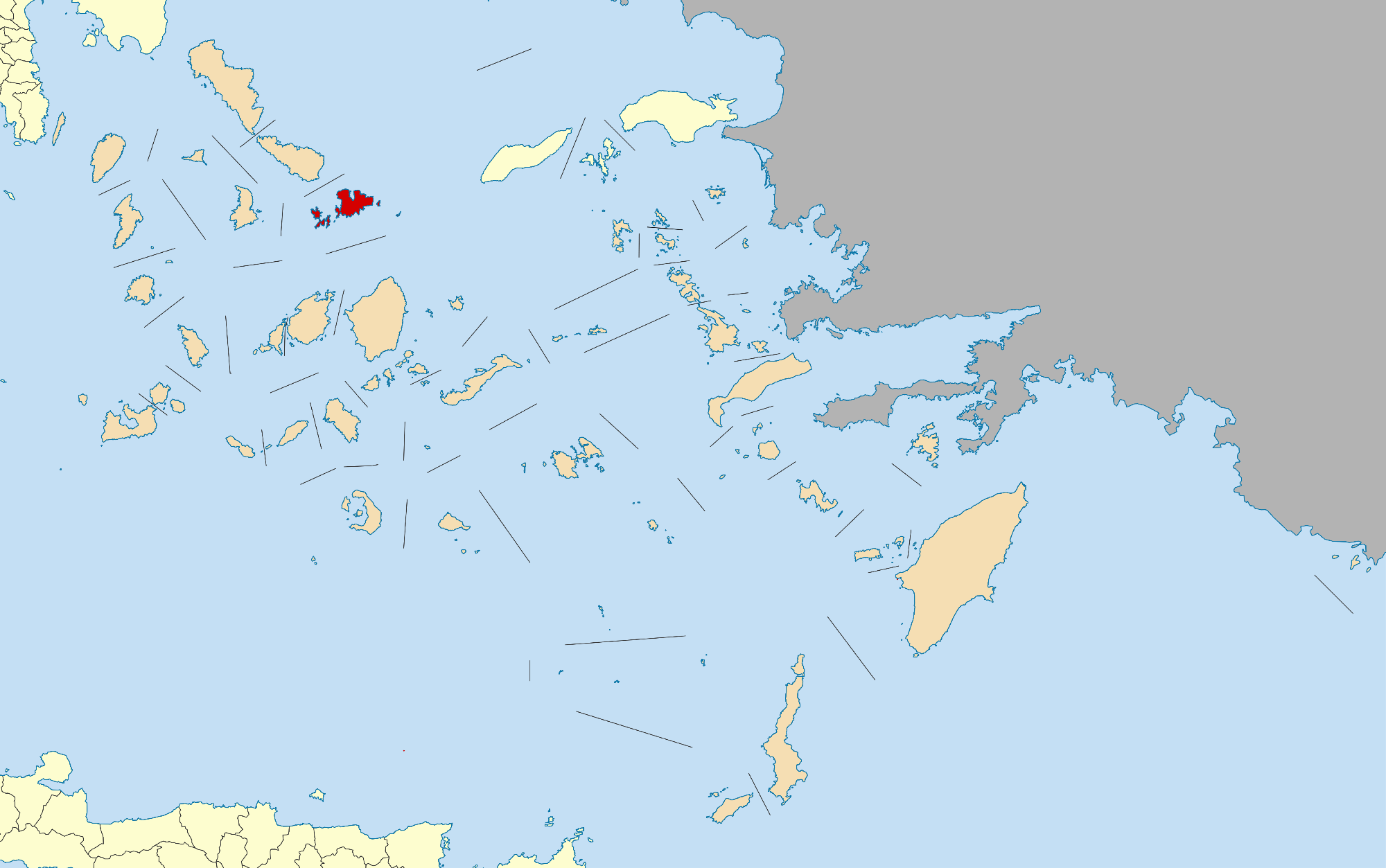
Mykonos
Send it to whoever you'd travel with
Mykonos in May is a gorgeous, walkable Cycladic island; Mykonos in July is an international party circuit that happens to have white-cube architecture — know which one you are booking.
Mykonos has a split personality that the brochures never mention. From May through mid-June and again in September, it is one of the most photogenic, genuinely pleasant islands in the Aegean — windmills on a rocky ridge, a maze of whitewashed lanes in Mykonos Town (Chora) where you can actually get lost, pelicans strutting the harbor, and beaches that grade from family-friendly to clothing-optional without much fuss. The water is cold-blue and bracingly clear. Tavernas serve grilled octopus at tables practically in the waves.
Then July and August arrive, and with them a transformation that surprises travelers who booked without checking the calendar. High-season Mykonos runs on a DJ-set schedule. Beach clubs on Paradise and Super Paradise pump music from noon onward. Hotel prices triple or quadruple. Ferries from Athens are booked weeks in advance. The narrow streets of Mykonos Town log-jam with people taking selfies at the Little Venice waterfront. This version of the island is genuinely fun if that is what you signed up for — it is one of Europe's biggest summer party circuits and it does the job efficiently. But it is a different island.
The practical reality: getting here is easy from Athens (35 minutes by plane, 2h by high-speed ferry from Rafina port or 4–5h from Piraeus). Budget for the island properly — even in shoulder season, a mid-range hotel costs €150–250 per night, and beach clubs charge €20–30 for a sunbed. Scooter or ATV rental is the honest answer for getting between beaches; the island's bus service is genuinely unreliable outside peak routes.
What Mykonos does better than its reputation suggests: the food in Mykonos Town is excellent if you leave the harbor-front tourist traps and walk three lanes inland. The Ano Mera village in the center of the island feels completely different — agricultural, quiet, with a 16th-century monastery and a taverna where fishermen eat lunch. The sunsets from the windmills and from Little Venice are legitimately spectacular, and the September light over the Aegean is among the best anywhere in Greece.
The practical bits.
- Best time
-
May – mid-June · September – early OctoberSea is warm enough from late May. Prices are 40–60% lower than peak. Mykonos Town is walkable rather than gridlocked. Beach clubs operate but aren't deafening. October is quieter still and very good for slow travel; some clubs close but tavernas stay open.
- How long
-
4 nights recommendedTwo nights covers Mykonos Town and one beach day. Four nights lets you explore the island properly, reach Ano Mera, and take the day-trip ferry to Delos. Seven nights pairs well with a Paros or Naxos stop.
- Budget
-
$280 / day typicalBudget assumes a pension or small hotel, cooking breakfast, avoiding beach clubs. High season raises every category by 50–100%. Beach club sunbeds, cocktails, and restaurant markups add up fast.
- Getting around
-
ATV or scooter + local bus on main routesMykonos Town is walkable. Between towns and beaches, rent an ATV (€35–50/day) or scooter — the island road system is simple enough. Public buses run from the main stand (Fabrika Square) to popular beaches in summer but are slow and crowded. Taxis are scarce and often pre-booked; walk-up taxi rank near the harbor is your best bet.
- Currency
-
Euro (€)Cards widely accepted at hotels, restaurants, and larger shops. Small family tavernas and markets may prefer cash; carry €50–80.
- Language
- Greek. English widely spoken at hotels, restaurants, and shops throughout the island.
- Visa
- 90-day visa-free under Schengen for US, UK, Canadian, Australian passports. ETIAS required from late 2026.
- Safety
- Very safe. Watch bag on crowded beach-club days. Water-sports operations vary in professionalism — check gear condition.
- Plug
- Type C / F · 230V — standard European adapter.
- Timezone
- EET · UTC+2 (EEST UTC+3 late March – late October)
A few specific picks.
Hand-picked, not algorithmic. Each of these has earned its space.
Colorful balconies cantilevered over the sea, sunset cocktail bars, and the best light on the island around 7 PM. Crowded in high season but still worth it.
Seven 16th-century windmills on the hill above Little Venice — the island's signature image. Go at golden hour when the wind is up and the light is side-lit.
One of the most important ancient sites in the Aegean — birthplace of Apollo and Artemis, now an uninhabited UNESCO island. Morning ferry, 2–3 hours, back by lunch.
No sunbeds, no music, no bar. A long, sandy, wind-sheltered beach that the party-circuit crowd consistently misses. Bring your own supplies.
The island's only other real settlement — agricultural, quiet, with the Panagia Tourliani monastery and a square taverna that feeds locals, not tourists.
The pedestrian spine of Chora — bougainvillea overhead, boutiques and jewelry shops, the right density of cafés. Best explored at 9 AM before the crowds arrive.
Remote, rarely on itineraries, rough dirt-road access — which is the point. A proper wild beach for people who didn't fly to Mykonos for a DJ set.
Three lanes back from the harbor — modern Greek with serious execution and prices that are high but not scandalous by Mykonos standards.
The oldest bar in Mykonos, built into the castle walls. Classical music, no DJ, and the best seat for watching the sunset over the Aegean.
The most family-friendly beach on the island — calm, organized, easy bus connection from Mykonos Town. Good for an unhurried morning swim.
Pick a neighborhood, not a hotel.
Mykonos is a city of neighborhoods. The one you stay in shapes the trip more than the property does.
Different trips for different travelers.
Same city, very different stays. Pick the lens that matches your trip.
Mykonos for party and beach-club travelers
You are in the right place. Book Paradise or Super Paradise sunbeds two weeks ahead in July–August. Stay in Mykonos Town or near Ornos. Budget for cocktails and sunbeds separately — they add up to €80–120/day.
Mykonos for couples
Shoulder season (May, September) transforms the island into a genuinely romantic destination. Stay in a boutique hotel in Chora, eat at M-eating or Kounelas, watch the sunset from Kastro's Bar, and book a private boat to Rhenia for a day.
Mykonos for solo travelers
Mykonos is socially easy — the beach clubs are naturally sociable and the bar scene in Chora is accessible. Shoulder season is better for connecting with other travelers in a lower-pressure environment.
Mykonos for first-time greek island visitors
Mykonos works as a first island, but pair it with Naxos or Paros to get a more complete picture of the Cyclades. Mykonos alone gives you the resort version; the others give you the agricultural, food-focused version.
Mykonos for history travelers
The Delos day trip is mandatory — it is one of the most significant ancient sites in Greece. Otherwise Mykonos Town offers limited historical depth beyond medieval fortifications. Paros and Naxos offer more.
Mykonos for lgbtq+ travelers
Mykonos has been welcoming LGBTQ+ visitors since the 1970s and remains one of the top destinations in the Mediterranean. Super Paradise Beach, Little Venice bars, and several Chora clubs cater explicitly to LGBTQ+ guests.
Mykonos for slow travelers
May and October are the right months. Rent a house in Chora for a week, scooter to a different beach each morning, eat at the harbor taverna each evening. The island at low volume is lovely and underpriced.
When to go to Mykonos.
A quick year at a glance. Great, good, or skip — see what each month is doing before you book.
Almost everything closed. Locals-only island; a completely different experience. Not recommended for visitors.
Still mostly closed. A handful of year-round hotels and restaurants operate. Off-beat but thin.
Shoulder season starting. Some hotels reopen. Sea too cold for most. Good for walking Chora.
Island wakes up. Prices still reasonable. Sea around 17°C — cold for most. Easter crowds if timing aligns.
One of the best months — sea reaching 20°C, prices still shoulder, Chora uncrowded. Strongly recommended.
Excellent — warm sea, long days, before peak crowds. Beach clubs open but not overwhelming. Book ahead.
Peak party season. Prices maximum. Ferries and hotels book out. Loud and crowded — fun if that is the plan.
Busiest month. Every room and sunbed premium-priced. The party circuit at full volume. Book 2–3 months ahead.
The best return-to-shoulder moment — sea still 24°C, prices drop 30–40%, Chora recovers its charm.
Good for slow travel. Sea still warm enough. Many beach clubs close but tavernas and hotels stay open.
Low season. Island winds down. A handful of spots remain open. Good only for those seeking genuine solitude.
Most accommodation and restaurants shut for winter. Not a viable tourist destination outside a weekend trip from Athens.
Day trips from Mykonos.
When you want a change of pace. Each one's a half-day or full-day out, easy from Mykonos.
Delos
30 min ferryUninhabited sacred island — birthplace of Apollo in Greek mythology. Boats depart Mykonos Town harbor; the site needs 2–3 hours. No shade, bring water and a hat.
Rhenia Island
40 min boatUninhabited island next to Delos, reachable by private boat or organized tour. No facilities, some of the clearest water in the Aegean. Pair with a Delos morning.
Paros
45 min ferryRegular fast ferries make Paros an easy add-on. Naoussa harbor and the marble-village streets of Lefkes are the counterpoint to Mykonos's gloss.
Naxos
1h 30m ferryThe largest Cycladic island — agricultural, cheaper, with the best beaches in the group and a castle town above Naxos Town harbor. Good for a night or two en route.
Syros
1h fast ferryErmoupoli is one of the most architecturally distinguished towns in the Cyclades — no beach clubs, proper urban Greek life. A very different Aegean experience.
Tinos
45 min ferryHome to the most venerated icon in Greece (Panagia Evangelistria). The marble-carving villages of the interior and the dovecotes are remarkable. Very quiet by Cycladic standards.
Mykonos vs elsewhere.
Quick honest reads on the cities people compare Mykonos to.
Mykonos is about beaches, social energy, and the architectural labyrinth of Chora. Santorini is about the caldera view, volcanic drama, and photogenic sunsets over Oia. Mykonos has better beaches; Santorini has a more jaw-dropping landscape.
Pick Mykonos if: You want beaches, nightlife, or the sociable Cycladic scene over scenic drama.
Paros is less expensive, less crowded, and more authentically Greek in its village life and food. Mykonos has more nightlife infrastructure and higher-end hotels. For a first Cyclades visit on a normal budget, Paros often delivers more per euro.
Pick Mykonos if: You want the high-end resort experience and beach-club access over village authenticity.
Both are European summer party islands with premium prices, but Ibiza runs a longer party season with larger clubs; Mykonos has better beaches and more photogenic architecture. Ibiza is cheaper on average; Mykonos is more visually dramatic.
Pick Mykonos if: You want the Aegean setting and Cycladic aesthetics alongside the party infrastructure.
Naxos is larger, cheaper, less touristy, with excellent beaches and far better food sourced from the island's own farms, cheese caves, and fishing boats. Mykonos wins on nightlife, boutique hotels, and the Chora walking experience. Naxos wins on value.
Pick Mykonos if: You want the Cyclades social scene and don't mind paying for it.
Itineraries you can start from.
Rough shapes for a trip here — a feel for the pace and cost. Find the one that fits you.
Base in Mykonos Town. One full day exploring Chora, Little Venice sunset, windmills. Day 2: ferry to Delos morning, afternoon beach at Ornos or Agios Sostis. Day 3: scooter loop of north coast before ferry or flight out.
4 nights in Mykonos Town, 1 night near Ornos. Delos day trip, north coast beach day, Ano Mera afternoon, two evenings at Little Venice. Avoids peak July–August pricing.
4 nights Mykonos, 3 nights Paros via ferry (45 min). Contrasting vibes: Mykonos gloss versus Paros village authenticity. Book ferries in advance for summer dates.
Things people ask about Mykonos.
When is the best time to visit Mykonos?
May through mid-June and September through early October. The sea is warm, prices are 40–60% lower than peak, and the island is navigable. July and August are the party season — the island works on that calendar, but it is loud, expensive, and crowded. Book summer ferries and hotels months in advance if you go then.
How do I get to Mykonos from Athens?
Two realistic options: fly (35 minutes, €50–180 depending on season and lead time; Olympic/Aegean/Sky Express all serve JMK), or take the high-speed ferry from Rafina port (2h 15m, €40–60 fast cat; Rafina is 40 min from Athens airport, which makes it genuinely competitive). Piraeus ferries take 4–5 hours — fine for overnight trips but long for a short stay.
Is Mykonos only for party travelers?
No — that reputation is real but partial. The party circuit is concentrated on Paradise and Super Paradise beaches and in the clubs around Mykonos Town at night. The northern beaches, Ano Mera, Delos day trips, and the quieter coves on the east coast are genuinely calm even in summer. May and September are primarily non-party months.
How expensive is Mykonos?
Expensive by Greek standards, on par with St. Tropez or Ibiza in high season. Budget: €120–150/day (pension, home cooking, no beach club). Mid-range: €280–350/day (boutique hotel, taverna dinners, one beach club sunbed at €25). Luxury: €700+ easily. A cocktail at a beach club runs €18–25; hotel rooms peak at €400–1000+/night in July–August.
What is the best beach in Mykonos?
Depends what you want. Agios Sostis: wild, no facilities, genuinely beautiful. Ornos: calm, organized, good for families. Elia: long, relatively quiet, clear water. Paradise and Super Paradise: beach clubs, music, crowds — the party version. Most travelers over-fixate on the famous southern beaches; the north coast is better if you want swimming over spectacle.
Is the Delos day trip worth it?
Yes, strongly — especially if you have any interest in ancient history. Delos was the sacred center of the Aegean world in antiquity and is now uninhabited and UNESCO-listed. The site is large (2–3 hours minimum), the ruins are in remarkable condition, and the absence of tourist infrastructure (no hotels, no restaurants) makes it feel genuinely remote. Take the morning boat; afternoon heat is harsh in summer.
How do I get around Mykonos?
Rent an ATV or scooter (€35–55/day) — the island roads are simple and distances are short. Public buses run from Fabrika Square in Mykonos Town to Ornos, Platis Gialos, and Paradise in summer but are slow. Taxis are scarce; the stand near the harbor is the most reliable option. Mykonos Town itself is entirely walkable.
Do I need to book ferries in advance?
In July and August, yes — popular routes fill weeks ahead. The Rafina–Mykonos fast catamaran sells out on summer weekends; book 3–4 weeks early. Shoulder season (May, June, September) is more forgiving — a week's notice is usually fine. Always book online via Ferryscanner or directly with Seajets/Golden Star.
What is Mykonos Town (Chora) like?
A deliberately confusing maze of narrow whitewashed lanes, bougainvillea, boutiques, pelicans, and cafés on the waterfront. It is genuinely beautiful and genuinely difficult to navigate — most visitors get lost at least once, which is part of the point. The harbor area and Little Venice waterfront are the anchor; the rest of the lanes fan out in every direction. Walk without a destination.
Mykonos vs Santorini — which should I visit?
Different islands for different trips. Mykonos is about beaches, nightlife, and the walking-maze charm of Chora. Santorini is about the caldera view, dramatic sunsets, volcanic landscapes, and wine. Santorini is more photogenic; Mykonos is more social. Many travelers do both on a single island-hop — 4 nights Mykonos, 3–4 nights Santorini is a common and satisfying combination.
Is Mykonos good for families?
In shoulder season, yes. Ornos and Agios Ioannis beaches are calm and family-appropriate. Mykonos Town is walkable and engaging for older kids. In July–August the adult-party atmosphere on the southern beaches is real and the crowds are overwhelming with small children. Stay in Ornos rather than Chora for easier beach access with kids.
What is the water like in Mykonos?
Cold and very clear — blue-green, clean, typically 22–25°C in peak summer (June–September). The island is exposed to the Meltemi wind from the north in July–August, which churns up the northern and western beaches but keeps the southern coast calm. Check wind conditions before choosing your beach; the Meltemi is strong enough to make some spots uncomfortable for swimming.
How long should I spend in Mykonos?
Three to four nights covers the island well — Mykonos Town, two or three beaches, the Delos day trip, and Ano Mera. Five nights is comfortable if you want to slow down or use it as a base for day trips to Delos and Rhenia. Longer than 5 nights and you will probably want to add a second island.
Is Mykonos LGBTQ+ friendly?
One of the most welcoming destinations in the Mediterranean — Mykonos has been an LGBTQ+ destination since the 1970s. The strip around Little Venice and several Chora bars are explicitly queer spaces. Super Paradise Beach has a long LGBTQ+ history. The atmosphere is inclusive across the island.
What should I avoid in Mykonos?
Harbor-front tourist restaurants with picture menus and English touts — walk two lanes back and prices drop 30–40% with better food. Visiting Paradise Beach in high season without a sunbed reservation (they sell out by 10 AM). Booking last-minute flights or ferries in August. And the ATVs if you are not confident on narrow roads — more accidents happen here than on most Greek islands.
What is the Meltemi wind and does it affect my trip?
The Meltemi is a strong seasonal north wind that blows through the Aegean from late June through August, often reaching 6–7 Beaufort. It keeps temperatures comfortable (you never feel the heat as oppressively as in Athens) but makes the northern beaches rough for swimming and occasionally delays ferry sailings. The southern coast is sheltered. It is one reason locals say June is actually more pleasant than July.
Can I visit Mykonos on a day trip from Athens?
Technically yes — fly out, spend a day in Mykonos Town and one beach, fly back. But it is an expensive and tiring day for limited return. Mykonos deserves at least two nights. If time is genuinely short, prioritize either Mykonos or Santorini and do the chosen one properly.
Are there good restaurants in Mykonos beyond tourist traps?
Yes, but you have to walk away from the harbor. M-eating and Kounelas (fish taverna, cash only) in Chora are genuine. Ano Mera's square taverna serves the most honest food on the island. In general: any place with a laminated English-photo menu facing the harbor is pricing for first-time visitors. Any place with a handwritten board and Greek clientele is worth sitting at.
Know someone headed to Mykonos?
Send them this guide — real neighborhoods, timing, and prices, with nothing to sign up for.
Copies the link — nothing to install