Liège
Send it to whoever you'd travel with
Liège is the French-speaking industrial city in eastern Belgium that most travelers skip in favor of Bruges or Ghent — and miss a gritty, post-industrial Walloon capital with a 7 AM-to-2 PM Sunday flea market longer than most train stations, a Calatrava-designed terminal that's better than most museums, and one of the most genuinely lived-in cores in Belgium.
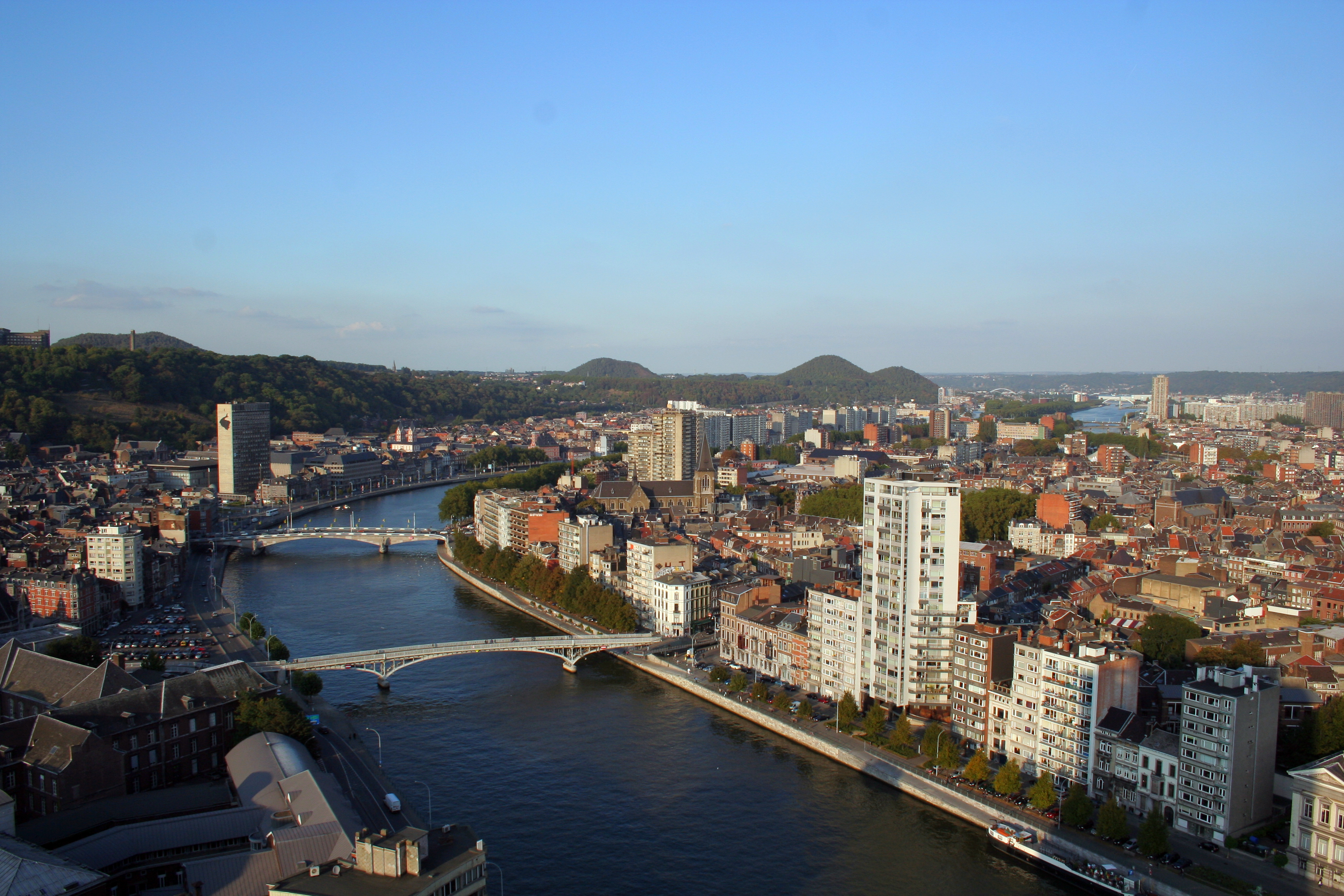
Liège is the third-largest city in Belgium and the one most underrepresented in English-language guidebooks. It sits in Wallonia — French-speaking, post-industrial, Catholic by tradition, with a steeper class history than the Flemish north. The Meuse River runs through it, the hills rise sharply on both banks, and the city has been a regional capital since the Middle Ages without ever becoming a tourist magnet. For travelers tired of Bruges crowds, Liège is the corrective.
The city's calling card is the La Batte Sunday market — the longest-running market in Europe, stretching 1.5 km along the Meuse every Sunday morning from 8 AM to 2 PM. It is enormous, chaotic, and only partly aimed at tourists: most of the customers are local families doing their week's shopping. Cheese, sausage, flowers, plants, clothes, old vinyl, live chickens. Show up early (9 AM at latest) and walk it end to end. It's the most local thing you can do in Belgium on a Sunday.
The other landmark is Gare de Liège-Guillemins — Santiago Calatrava's white-steel-and-glass train station, opened in 2009, that has become the city's de facto contemporary monument. The 200-meter arched canopy is best photographed from the steps facing south. Add the Cité Miroir cultural centre (a converted bathhouse), the Boverie museum (in a 1905 international exhibition pavilion), and the climb up the 374 Montagne de Bueren steps for the Citadel view, and Liège delivers a day of architectural variety most Belgian cities don't match.
The trade-offs are honest. Liège has been losing population for 50 years; some neighbourhoods feel hollowed-out, and the railway-station-to-old-town walk passes through a stretch of nothing-much. Food culture is solid but not refined — bouletes (meatballs) and péket gin are the local signatures, served in brasseries rather than fine-dining rooms. And the city won't seduce you in the way Ghent does. It earns you over two days. That's a feature, not a bug.
The practical bits.
- Best time
-
May – June · September – OctoberLate spring and early autumn give the best balance of weather and visibility. La Batte market runs year-round, but a sunny Sunday in May is incomparable. July–August can be muggy and brings Belgian families on holiday elsewhere; the city goes quiet. December has the Christmas village. January–February are grey.
- How long
-
2 nights recommendedOne night works only if you arrive Saturday for La Batte Sunday morning and leave Sunday evening. Two nights covers the old town, the Calatrava station, the Montagne de Bueren, and a museum stop. Three nights makes sense if you want day trips to Maastricht (30 min) or the Ardennes.
- Budget
-
~$140 / day typicalLiège is significantly cheaper than Brussels or Bruges — mid-range hotels run €80–130, restaurant dinners €25–35 with a glass of wine, and a coffee in a Place du Marché terrace is €3. One of the cheapest meaningful city breaks in Belgium.
- Getting around
-
Walking + occasional busThe old town and Guillemins station are 20 minutes apart on foot or one tram stop (new tram line opened 2025). Most sights are within a tight pedestrian core around Place du Marché and Place Saint-Lambert. Buses cover the wider city (TEC operator, €2.50 per ride). Bolt and local taxis are affordable. The airport is barely used; most arrivals are by train.
- Currency
-
Euro (€). Cards almost universally accepted. ATMs widely available.Cards and contactless accepted everywhere. Apple Pay works in most venues. Some market stalls and small brasseries are cash-preferred.
- Language
- French — Liège is firmly in francophone Wallonia. English understood in hotels and at sights, less so in everyday transactions. Basic French courtesy phrases noticeably appreciated. Walloon dialect occasionally heard but rarely with tourists.
- Visa
- Schengen zone. 90-day visa-free for US, UK, Canadian, and Australian passports. ETIAS authorization required from late 2026.
- Safety
- Generally safe. Standard urban awareness around Guillemins station and the Outremeuse district at night. Pickpocketing at La Batte market — not common but possible given the crowds. The old town and tourist core are comfortable at all hours.
- Plug
- Type C / E — standard European adapter.
- Timezone
- CET · UTC+1 (CEST UTC+2 late March – late October)
A few specific picks.
Hand-picked, not algorithmic. Each of these has earned its space.
The longest-running market in Europe, stretching 1.5 km along the Meuse every Sunday 8 AM–2 PM. Cheese, sausages, fresh produce, plants, clothes, vinyl, live poultry. Show up by 9 AM; bring cash; walk the full length. The most authentic Sunday morning in Belgium.
Santiago Calatrava's 2009 train station — a 200-meter white steel-and-glass arch that has become the city's most photographed landmark. Approach from the south esplanade. Free to walk through; trains still depart from underneath.
The 374-step staircase rising from the old town to the Citadel, built in 1881 to give troops fast access to the fortress. Climbing it is a Liège rite of passage; the view from the top covers the whole city. 'Animations' light it up some weekends.
A converted 1942 Art Deco public bathhouse turned into a cultural and human-rights centre. The architecture alone is worth a visit; the exhibitions (Holocaust, anti-racism, citizenship) are unusually well done.
The main square with the 17th-century Perron Liégeois fountain (symbol of the city's medieval freedoms), the City Hall, and terrace cafés on three sides. Best aperitif spot in the city centre.
Liège's combined archaeology, decorative arts, and religious art museum, housed in a Mosan Renaissance mansion. The Évangéliaire de Notger (10th-century gospel book) and the Mosan brass-work collection are highlights. €9 entry.
Fine arts museum in a 1905 international exhibition pavilion in a park along the Meuse. Modest permanent collection (Magritte, Monet); strong temporary exhibitions in partnership with the Louvre. Combine with a Meuse riverside walk.
A historic brasserie in a 16th-century house — bouletes liégeoises (meatballs in syrup sauce), salade liégeoise (potato, beans, bacon), and péket gin. Touristy but the dishes are honest and the building is a historical monument.
The vine-covered hillside walks above the old town — narrow stairs, gardens, the Buren staircase, and Impasses (dead-end alleys with historic houses). Walking guides at the tourist office. A 90-minute itinerary that almost no foreign visitors discover.
University of Liège natural history and aquarium museum — modest but charming, with strong reef tanks and a zoology collection. Best for families or rainy afternoons. €11 entry.
Pick a neighborhood, not a hotel.
Liège is a city of neighborhoods. The one you stay in shapes the trip more than the property does.
Different trips for different travelers.
Same city, very different stays. Pick the lens that matches your trip.
Liège for off-the-beaten-path belgium travelers
Liège is what travelers find after they've done Bruges, Ghent, and Antwerp. Real city, fewer tourists, half the price. The case for visiting is exactly that it's not in the headlines.
Liège for market and food travelers
La Batte is the headline — the longest market in Europe, every Sunday — but Liège also has Marché de la Batte's daily mini-version, the Sunday Outremeuse food vendors, and bouletes-and-péket brasseries that haven't changed since 1950.
Liège for architecture travelers
Calatrava's Guillemins station alone justifies a day. Add the Cité Miroir conversion, the Curtius mansion, the 1905 Boverie pavilion, and the new tram (2025) and Liège punches above its size for built-environment variety.
Liège for budget travelers
One of the cheaper Western European city breaks. Hostels from €25, brasserie meals under €30, museums €5–11. Cheaper than Brussels, Ghent, or Bruges; comparable to mid-sized German cities like Aachen.
Liège for francophone belgium / wallonia explorers
Liège is the practical base for exploring Wallonia — francophone, post-industrial, Catholic, with the Ardennes south. Pair with Namur, Mons, or Tournai for a full Wallonia trip.
Liège for slow weekend-break travelers
A 2-night Saturday-Sunday hits all the right notes — La Batte on Sunday morning being the anchor. Easy from Brussels, Cologne, or Maastricht.
When to go to Liège.
A quick year at a glance. Great, good, or skip — see what each month is doing before you book.
Quiet. La Batte still runs but smaller. Christmas village wrapping up.
Quietest tourist month. Carnival in nearby towns. Museums uncrowded.
Café terraces tentatively opening. Last days of grey winter atmosphere.
Spring proper. Coteaux de la Citadelle walks pleasant. Reasonable hotel rates.
Best spring month. La Batte market sunny and packed (in a good way). Excellent walking weather.
Fêtes de Wallonie around this period in some years. Outremeuse comes alive. Café terraces full.
Belgians on holiday elsewhere — Liège quieter than expected. Music festivals in some squares.
Outremeuse 15 August festival (the city's biggest folk festival). Worth timing if you can.
Fêtes de Wallonie (third weekend) brings the whole city out. Great month overall.
Excellent walking weather. Coteaux de la Citadelle in autumn colour. Low tourist density.
Quiet. Christmas village arrives late month. Pre-festive lull.
Village de Noël runs end-November through early January. Atmospheric and uncrowded.
Day trips from Liège.
When you want a change of pace. Each one's a half-day or full-day out, easy from Liège.
Maastricht
30 min by trainBelgium's nearest Dutch city. Maas riverfront, cobbled lanes, the Vrijthof square, the Saint Servatius basilica, and the Bonnefanten Museum. Cheaper than Amsterdam and walkable end-to-end.
Aachen (Germany)
1h by trainCharlemagne's capital and burial place. The UNESCO cathedral with its Carolingian octagon is one of Europe's most important early-medieval buildings. Add the Carolus Thermen baths for a half-day spa stop.
Spa (the original)
45 min by carThe eponymous spa town — Thermes de Spa baths on the hill above town, casino, walking trails. Quieter than its reputation suggests outside the F1 weekend.
La Roche-en-Ardenne
1h 15m by carA village in a horseshoe bend of the Ourthe river with a ruined feudal castle on the hill. Kayaking, hiking, smoked-ham tastings. The Battle of the Bulge museum is nearby.
Durbuy
50 min by carA medieval village (population about 500 in the historic core) with cobbled lanes and a Topiary garden. Touristy but pretty. Half-day; combine with another Ardennes stop.
Brussels
1h by trainGrand Place, Magritte Museum, the EU quarter, Belgian beer bars. Easy enough as a day from Liège — but Brussels deserves its own overnight if you have time.
Liège vs elsewhere.
Quick honest reads on the cities people compare Liège to.
Brussels is the capital — bigger, more international, with the EU quarter and the Grand Place. Liège is grittier, French-only, cheaper, with a stronger sense of regional identity. Brussels for a longer city break and international flights; Liège for a 2-night Sunday-market weekend.
Pick Liège if: You want a real Walloon city with one of Europe's great markets over Brussels' international polish.
Maastricht is prettier, Dutch, smaller, and more tourist-friendly in feel. Liège is bigger, French-speaking, post-industrial, cheaper. They're 30 minutes apart by train — most travelers should do both.
Pick Liège if: You want a real-city Walloon experience rather than Maastricht's polished compact riverside charm.
Ghent is the medieval Flemish university city — picture-postcard, well-touristed, Dutch-speaking. Liège is grittier, French-speaking, less photogenic, and substantially cheaper. Ghent for a classic Belgian break; Liège for a more authentic, less filtered counterpoint.
Pick Liège if: You want authenticity over photogenic medieval architecture, and don't mind a less polished urban experience.
Itineraries you can start from.
Rough shapes for a trip here — a feel for the pace and cost. Find the one that fits you.
Arrive Saturday afternoon, walk old town, dinner in Carré or Hors-Château. Sunday morning at La Batte market (the whole point of the visit), lunch and home.
Day one: Calatrava station, old town, Montagne de Bueren, Boverie. Day two: La Batte Sunday market, Cité Miroir, Coteaux de la Citadelle walk. Bouletes dinner at Au Vieux Liège.
Two nights Liège for the city itself. Day trip 30 min by train to Maastricht for the Dutch contrast. Optional Ardennes drive (Spa, La Roche-en-Ardenne) on day three.
Things people ask about Liège.
Is Liège worth visiting?
Yes, with the right expectations. Liège isn't a chocolate-box Belgian tourist town — it's a working post-industrial city with a strong Walloon identity, the longest-running market in Europe, and serious architectural variety. Two nights is right; it's not built for a week. Skip if you want Bruges-style canals; come if you want lived-in Belgium.
Liège vs Bruges — which Belgian city should I visit?
Completely different experiences. Bruges is a perfectly preserved medieval tourist town — beautiful, crowded, designed for visitors. Liège is a real city — French-speaking, post-industrial, with locals outnumbering tourists 50:1. If you want pretty, Bruges. If you want authentic, Liège. Many travelers do both.
When is La Batte market open?
Every Sunday morning, 8 AM to 2 PM, year-round (except the rare cancellation for weather or events). Best to arrive by 9 AM — by noon it's packed shoulder-to-shoulder. It stretches 1.5 km along the Meuse from the Pont Maghin to the Pont d'Avroy. Bring cash for market stalls.
How do I get to Liège?
By train. Brussels to Liège-Guillemins is 1h direct on Belgian rail. Paris to Liège is 2h 15m via Thalys. Amsterdam to Liège is 3h via Antwerp. Maastricht (Netherlands) is 30 min by local train. Liège Airport (LGG) handles cargo and a few low-cost passenger flights but isn't the practical gateway.
How many days do I need in Liège?
Two nights is the comfortable answer. One night works only if you arrive Saturday late afternoon and leave Sunday after market. Three nights makes sense if you want to use Liège as a base for Maastricht and the Belgian Ardennes day trips.
How expensive is Liège?
Notably cheaper than Brussels, Antwerp, or Bruges. Mid-range hotels €80–130/night. Brasserie dinners €25–35 per person with a glass of wine. Coffee on Place du Marché €3. Liège is one of the better-value city breaks in Western Europe.
What should I eat in Liège?
Bouletes liégeoises (meatballs in dark sweet syrup sauce) are the local signature; try them at Au Vieux Liège or Le Pot au Lait. Salade liégeoise (potato, green beans, bacon, vinegar dressing) is the regional salad. Liège waffles — denser, sweeter than Brussels waffles — are sold at carts on Place Saint-Lambert. And péket, the local juniper gin, is the after-dinner standard.
Is Liège safe?
Generally yes. Standard urban awareness around Guillemins station and parts of Outremeuse late at night. La Batte market crowds attract some pickpocketing — keep wallets secure. The old town and tourist core are comfortable at all hours. Liège is no rougher than any mid-sized European industrial city.
What language is spoken in Liège?
French. Liège is in francophone Wallonia — the French-speaking half of Belgium. English is understood in hotels, museums, and at sights, but not assumed in cafés, shops, or the market. Basic French courtesy phrases (bonjour, merci, s'il vous plaît) are appreciated. Walloon dialect occasionally heard but seldom with visitors.
What are the best day trips from Liège?
Maastricht (Netherlands), 30 min by train — the Dutch contrast for cobbled streets and Maas riverfront cafés. The Ardennes (Spa, La Roche-en-Ardenne, Bouillon) by car for hills, castles, and outdoor activity. Aachen (Germany), 1h by train, for the Charlemagne cathedral. Brussels in an hour.
Is Liège good for architecture travelers?
Yes — better than its reputation. Calatrava's Guillemins station, Cité Miroir (1942 Art Deco bathhouse conversion), the Mosan Renaissance Curtius mansion, the 1905 Boverie pavilion, the Montagne de Bueren staircase. Plus the new tram infrastructure (2025) showing what post-industrial European cities are doing for the next century.
Does Liège have a Christmas market?
Yes — the Village de Noël runs from late November through early January in Place du Marché, Place Saint-Étienne, and Place Cathédrale. Lower-key than Brussels or Aachen but with the same Belgian heated wine, gaufres, and craft stalls. Skating rink in some years. Worth a December weekend if you're in Belgium.
Know someone headed to Liège?
Send them this guide — real neighborhoods, timing, and prices, with nothing to sign up for.
Copies the link — nothing to install