Kobe
Send it to whoever you'd travel with
Kobe is Japan's most quietly European-feeling city — the mountain at its back, the harbor at its front, an international community that arrived in the Meiji era and never entirely left, and beef that earns its global reputation if you pay for the real thing.
Kobe sits in a narrow strip between the Rokko mountain range and Osaka Bay, a geographical constraint that kept it compact and dense. The city opened as a treaty port in 1868, and the foreign merchants who arrived built their residences on the hillside district of Kitano — Western mansions called ijinkan (houses of foreigners) that still stand in clusters on the slopes above the downtown. Chinese merchants settled the lowland area that became Nankinmachi (Kobe Chinatown). The result was Japan's most cosmopolitan city of the Meiji era, a port where Western architectural styles sat alongside Japanese tradition in a way that was unusual for the period.
Two things define Kobe's modern reputation for most visitors from outside Japan: the beef and the harbor. Kobe beef — wagyu cattle from the Tajima breed, raised in Hyogo Prefecture under specific certification standards — is among the most marbled, most intensely flavored, and most expensive beef in the world. The genuine article, served as teppanyaki or in a kaiseki format at one of the certified Kobe beef restaurants, is genuinely extraordinary. The price (¥20,000–40,000 for a meal) is real; so is the quality. Budget restaurants selling 'Kobe beef' at ¥2,000 are not serving the certified product.
The harbor area was radically redeveloped after the 1995 Great Hanshin Earthquake — a magnitude 6.9 disaster that killed more than 6,400 people, collapsed large sections of the city, and triggered the largest postwar reconstruction effort in Japanese history. Meriken Park on the harbor now contains a preserved section of the earthquake-damaged breakwater as a memorial alongside a modern waterfront development. The Earthquake Memorial Museum is one of the most honest and well-executed disaster memorial institutions in Japan.
Mount Rokko looms immediately behind the city — accessible by ropeway, cable car, or hiking trail — and offers night views over the Kobe-Osaka urban corridor that rank among the most spectacular in Japan. The Nada district to the east is the center of Japan's sake brewing industry, with a cluster of breweries offering tours and tastings. The combination of beef, sake, foreign architecture, and mountain night views makes Kobe a thoroughly rewarding two-to-three-night stop on a Kansai itinerary.
The practical bits.
- Best time
-
April – May and October – NovemberSpring brings cherry blossoms in Sorakuen Garden and along Kitano's hillside paths; autumn foliage in the Rokko range is excellent October through early November. Both seasons avoid summer humidity and winter cold. Golden Week (late April–early May) is extremely busy; avoid if you dislike crowds.
- How long
-
2 nights recommendedKobe is most commonly a 2-night stop on a Kyoto–Osaka–Kobe Kansai circuit. One night is enough for Kitano and the harbor. Two nights adds Nada sake brewing and a proper Kobe beef dinner. Three to four nights allows day trips to Arima Onsen and full Rokko exploration.
- Budget
-
$180 / day typicalKobe is more affordable than Tokyo with similar quality infrastructure. Budget meals run ¥700–1,500. Mid-range hotel ¥10,000–20,000/night. Certified Kobe beef dinner is the outlier — budget ¥15,000–40,000 per person for the genuine experience. Sake tasting in Nada is typically ¥500–1,500 for a tasting flight.
- Getting around
-
JR + Hankyu trains + subwayKobe is well-served by train. JR runs through the city; the Hankyu and Hanshin lines connect to Osaka quickly (25–35 minutes). The Kobe City Loop Bus is an affordable day-pass option for Kitano, Meriken Park, and Chinatown without navigating multiple lines. Osaka's Itami Airport (ITM) is 30 minutes; Kansai International (KIX) is about an hour.
- Currency
-
Japanese Yen (¥)Cash-heavy country. Carry ¥10,000–20,000 in cash. Many smaller restaurants, sake breweries, and traditional shops are cash-only. 7-Eleven and convenience store ATMs accept foreign cards.
- Language
- Japanese. Less English spoken than Kyoto or Osaka tourist zones; Kitano and harbor hotels have English service; local restaurants less so.
- Visa
- 90-day visa-free for most Western passports. Check Japan entry requirements for current policy.
- Safety
- Kobe is very safe by international standards. Earthquake awareness: the city is in a seismically active region — check your hotel's emergency procedure on arrival.
- Plug
- Type A · 100V — US devices work directly; European devices need adapters.
- Timezone
- JST · UTC+9
A few specific picks.
Hand-picked, not algorithmic. Each of these has earned its space.
The hillside district of Western-style foreign residences dating to Kobe's treaty port era — English, German, American, and Danish merchant homes set in a Meiji-period European pastiche. The Weathercock House and Moegi House are the most visited. A quiet, surprisingly evocative walk through Meiji-era internationalism.
The most expensive beef in Japan, certified by the Kobe Beef Marketing and Distribution Promotion Association. Teppanyaki preparation at tableside shows the marbling at its best. Mouriya, Tor Road Steak Kibou, and Steak Land are commonly cited. Expect ¥15,000–40,000 for a proper meal. Verify certification before booking.
The Nada-Gogō district produces about 30% of Japan's total sake output. The Hakutsuru, Kikumasamune, and Sawanotsuru museums offer free or low-cost tours and tastings. The Kobe Shimbun building sake tour has the best production floor viewing. A half-day tasting crawl through Nada is a legitimate afternoon.
The view over the Kobe-Osaka urban corridor from Rokko's 931-meter summit is ranked among Japan's three most famous night views. Take the Rokko Cable Car and then the Rokko Arima Ropeway, or drive. Arrive before sunset, stay for the full dark. The Garden Terrace café has covered viewing.
Meriken Park's harbor walk incorporates a preserved earthquake-damaged section of the 1995 breakwater, left intact as memorial. The Kobe Port Tower and Maritime Museum are also here. The earthquake memorial museum nearby is a serious, honest account of the disaster and recovery.
One of Japan's three major Chinatowns — compact (about 100 meters by 270 meters) but dense with dim sum, char siu, and bao vendors. Best at lunch when the street stalls are busiest. The red gates and lanterns are consistently photogenic.
A traditional Japanese garden in the heart of Kobe — moon bridge, island tearoom, strolling paths along a central pond. The garden incorporates stone lanterns donated by international cities, reflecting Kobe's trading-port heritage. Cherry blossoms in April are exceptional.
One of Japan's oldest onsen towns, tucked into the Rokko mountains behind Kobe. Two distinct spring types: the gold spring (iron-rich, reddish, strong minerals) and the silver spring (carbon dioxide-rich, clear). Day-use bathing available at Kin no Yu and Gin no Yu; multiple ryokan for overnight.
The historic shopping street connecting the harbor to the Kitano district — antique shops, wine importers, Western-style bakeries, and Kobe's best boutique coffee shops run the length of it. Reflects Kobe's continued appreciation for imported food culture.
Free entry to a well-presented museum about the history and production of sake, with a tasting room serving Hakutsuru's range. The production tour, when available, shows the giant cedar brewery vats. A 90-minute stop before continuing along the Nada brewery corridor.
Pick a neighborhood, not a hotel.
Kobe is a city of neighborhoods. The one you stay in shapes the trip more than the property does.
Different trips for different travelers.
Same city, very different stays. Pick the lens that matches your trip.
Kobe for food travelers
Kobe beef, Nada sake, Nankinmachi dim sum, Western-influenced bakeries and wine bars, and a café culture shaped by a century of import trade. The combination is unique in Japan. Budget ¥20,000+ per person for a certified Kobe beef dinner and plan the trip around the meal.
Kobe for japan history and culture travelers
Kitano's ijinkan houses, the earthquake memorial museum, Sorakuen Garden, and the Nada sake district each tell a different chapter of Kobe's unusual history. The city's treaty port past and 1995 earthquake recovery are both deeply interesting for travelers who engage with a place's history.
Kobe for kansai circuit travelers
Kobe is the ideal third stop on a Kyoto–Osaka–Kobe Kansai circuit — 2 nights adds the harbor, the beef, and Rokko night views without requiring a separate base. The Hankyu rail pass covers all three cities affordably.
Kobe for sake enthusiasts
The Nada-Gogō brewery corridor is the most concentrated sake-production area in Japan. The Hakutsuru and Kikumasamune museums are free or near-free with tastings. A half-day tasting tour of 3–4 breweries is a legitimate afternoon for serious sake interests.
Kobe for couples
Kobe has a romantic character — the harbor walks, the hillside ijinkan lanes, the Rokko night view, and an Arima Onsen overnight check all the boxes. A Kobe beef dinner by candlelight in one of the Motomachi restaurants sets the right tone for a Japan couple's trip.
Kobe for architecture and design travelers
Kitano's Victorian-era Western residences, the post-earthquake architectural character of the rebuilt harbor district, the Kobe Maritime Museum's white tensile structure, and the Akashi Kaikyo Bridge make Kobe one of Japan's more interesting cities for those who look at buildings.
When to go to Kobe.
A quick year at a glance. Great, good, or skip — see what each month is doing before you book.
Cold and quiet. Snow possible at Rokko altitude. Off-season pricing at hotels. Full services operating.
Plum blossoms in Sorakuen Garden and on Rokko slopes. The 1995 earthquake memorial events occur January 17. Quiet.
Early cherry blossoms late March. Tourism beginning to pick up. Good shoulder month.
Cherry blossoms in Sorakuen and Shukugawa. Golden Week late April–early May brings crowds and higher prices. Best spring timing is early April.
Excellent weather after Golden Week. Fresh greenery on Rokko. One of the best months outside peak pricing.
Japan's rainy season begins mid-June — persistent drizzle and humid conditions. Not ideal but indoor cultural sites unaffected.
Hot and very humid after rainy season ends. Outdoor activities less comfortable. Tanjabata and summer festivals.
Hottest month. Obon mid-August. Kobe port festival and summer fireworks. Heat and crowds.
Typhoon season through mid-October. Heat easing late September. Crowds thinning from summer peak.
Excellent month — comfortable temperatures, autumn colors beginning on Rokko. Kobe Jazz Street festival attracts visitors.
Rokko autumn color at peak. Comfortable temperatures for walking Kitano and the harbor. Excellent month.
Kobe is famous for its Christmas illuminations — the Harbourland and Kitano districts are decorated with European-style lighting. Atmospheric for the winter season.
Day trips from Kobe.
When you want a change of pace. Each one's a half-day or full-day out, easy from Kobe.
Himeji Castle
30–40 min west by JRWhite Heron Castle is Japan's best-preserved original feudal castle. Combine with the adjacent Koko-en garden and the Hyogo Prefectural Museum. Arrive early on weekends to avoid peak queues at the main tower.
Arima Onsen
30 min from central KobeDay-bathe at Kin no Yu (gold spring) and Gin no Yu (silver spring). Walk the preserved shotengai and the narrow uphill lanes. Stay overnight in a ryokan if the schedule allows — the post-dinner town walk and private in-room onsen are worth the extra night.
Osaka
25 min by Hankyu or JROften combined in a Kansai circuit. Dotonbori at night for takoyaki and glico sign. Osaka Castle park at morning. Namba dining for kushikatsu. Kobe beef for dinner back in Kobe.
Kyoto
50 min by Shinkansen to Kyoto, or 75 min by HankyuKyoto is the full traditional Japan experience. Day trip from Kobe covers Arashiyama bamboo, Fushimi Inari, or the Higashiyama temple district. A dedicated 2-night stay in Kyoto is better than a day trip.
Nara
75 min from Kobe via OsakaJapan's ancient capital before Kyoto — the 1,200 deer roaming freely near Todai-ji are the irresistible draw. The Great Buddha (Daibutsu) is the world's largest bronze Buddha statue. Half-day from Osaka or Kobe is sufficient.
Awaji Island
45 min by bus across the Akashi Kaikyo BridgeThe world's longest suspension bridge (Akashi Kaikyo) crosses to Awaji Island. The Naruto whirlpools are visible from the Uzu-no-Michi walkway under the Onaruto Bridge. Awaji onion cuisine (especially onion soup) is a local obsession.
Kobe vs elsewhere.
Quick honest reads on the cities people compare Kobe to.
Osaka is louder, more street-food focused, and a full city experience; Kobe is quieter, more European-influenced, and organized around the harbor, the mountain, and premium food culture. Osaka is Japan's eating capital at the everyday level; Kobe is where the expensive meal makes sense. Most Kansai trips do both.
Pick Kobe if: You want premium beef, harbor atmosphere, sake culture, and a more refined feel compared to Osaka's street-food energy.
Yokohama is Kobe's natural twin — both are treaty port cities with a Western architectural legacy, Chinatowns, and harbor character. Yokohama is larger and directly adjacent to Tokyo. Kobe is more compact, more easily combined with Kyoto and Osaka, and has the beef and sake that Yokohama lacks.
Pick Kobe if: You're on a Kansai itinerary and want the treaty port harbor city experience without going to Yokohama.
Kyoto is the concentrated traditional Japan experience — temples, geisha, tea ceremony. Kobe is the Westernized, harbor-facing, modern complement. They're 50 minutes apart; a Kansai trip including both is richer than either alone. Kyoto for the Japan of the past; Kobe for the Japan that engaged the world.
Pick Kobe if: You want to add a Westernized, contemporary harbor city to a primarily Kyoto-Osaka focused Kansai trip.
Nagasaki shares the treaty port heritage and Western architectural legacy but adds the atomic bomb history (Nagasaki Peace Park and Memorial Museum) and a Dutch trading post legacy that predates Kobe's opening. Both are fascinating for treaty port history; they're on opposite ends of Kyushu and Kansai respectively.
Pick Kobe if: You're specifically in Kansai; Nagasaki suits a Kyushu-centered itinerary.
Itineraries you can start from.
Rough shapes for a trip here — a feel for the pace and cost. Find the one that fits you.
Day 1: Kitano ijinkan walk, Nankinmachi lunch, Meriken Park earthquake memorial, evening Kobe beef teppanyaki. Day 2: Nada sake brewery tour, Sorakuen Garden, Rokko night view.
Day 1–2 as above. Day 3: Morning at Kobe waterfront, afternoon train to Arima Onsen for day-bathing or overnight ryokan. Return to Kobe or continue to Kyoto.
Kobe 2 nights. Day trip to Himeji Castle. Day trip to Kyoto via Shin-Kobe Shinkansen. Day trip to Osaka for Dotonbori evening. Arima Onsen half-day on departure.
Things people ask about Kobe.
What is Kobe beef and why is it so expensive?
Kobe beef is wagyu cattle from the Tajima breed, raised in Hyogo Prefecture and certified by the Kobe Beef Marketing and Distribution Promotion Association. The cattle are raised under specific conditions producing extraordinary intramuscular fat marbling — BMS (Beef Marbling Standard) score of 6 or higher. The fat melts at near-body temperature, producing the characteristic texture and flavor. Only about 3,000 cattle per year qualify. The genuine article costs ¥15,000–40,000 per person for a teppanyaki meal in Kobe.
How do I get to Kobe from Osaka or Kyoto?
From Osaka: Hankyu from Umeda to Sannomiya (about 27 minutes, ¥330); JR from Osaka to Kobe-Sannomiya (about 20 minutes, ¥420); Hanshin line also available. From Kyoto: Hankyu or JR Shinkansen to Osaka, then onward to Kobe — total about 75–80 minutes. Kobe is extremely well-connected within the Kansai region and integrates naturally into a Kyoto–Osaka–Kobe circuit.
What are the ijinkan houses of Kitano?
Ijinkan (literally 'foreign houses') are the Western-style merchant residences built on the Kitano hillside by European, American, and other foreign traders who lived in Kobe during the treaty port era (post-1868). Roughly a dozen are open to visitors — the Weathercock House (German neo-Renaissance), Moegi House (American Colonial style), and the English House are the most significant. Entry is ¥500–700 per building or covered by a combination ticket.
Is the 1995 earthquake still visible in Kobe?
The physical damage has been largely rebuilt — the reconstruction was extensive and rapid. The Great Hanshin Earthquake Memorial Disaster Reduction and Human Renovation Institution museum is the primary site for understanding the event. Meriken Park preserves a section of the earthquake-damaged breakwater as a permanent outdoor memorial. Several neighborhoods were completely rebuilt; the scale of what was lost and then rebuilt is itself part of the story.
What is Mount Rokko and how do you get there?
The Rokko mountain range rises immediately behind Kobe to a high point of 931 meters. The Rokko Cable Car from Rokko Cable Shita Station (accessible by bus from Hankyu Rokko Station) reaches Rokko-san Station near the summit. A ropeway continues to Arima Onsen on the far side. The summit garden terrace has the famous night view. Drive time from central Kobe is about 30 minutes with a car.
What is the sake district in Kobe?
Nada-Gogō in eastern Kobe produces approximately 30% of Japan's sake. The district became dominant because of cold, clean water from the Rokko mountains (called miyamizu) and easy shipping access via the harbor. The Hakutsuru, Kikumasamune, Sawanotsuru, and Nada museums all offer free or inexpensive tours and tastings. Take the JR or Hankyu to the Sumiyoshi or Uozaki area and walk the brewery corridor.
How does Kobe compare to Osaka as a food city?
Osaka is Japan's street food capital — takoyaki, okonomiyaki, kushikatsu, and a relentless density of eating options. Kobe is more refined in its food culture — Western-influenced bakeries and bistros, the beef that carries its global reputation, the sake industry, and a café culture influenced by the port city's import tradition. Many visitors prefer to eat Kobe beef in Kobe and street food in Osaka, doing both on a Kansai circuit.
What is Arima Onsen and is it worth visiting from Kobe?
Arima Onsen is one of Japan's oldest and most traditionally preserved hot spring towns, accessible via the Rokko Arima Ropeway or direct train in about 30 minutes from central Kobe. The town has two distinct spring types: kinsen (gold spring, iron-rich, reddish, strong mineral) and ginsen (silver spring, carbon dioxide-rich, clear). The public baths Kin no Yu and Gin no Yu are open for day bathing (¥650–850 each). An overnight ryokan stay is the full experience but a day trip is sufficient for bathing and the preserved streetscape.
Is Kobe worth visiting on a short Japan trip?
For a 1–2 week Japan itinerary centered on Kansai, yes. Kobe adds 2 days to a Kyoto–Osaka base without a bullet train (the Hankyu runs 27 minutes). The specific draws — certified Kobe beef, the Kitano ijinkan walk, Nada sake, Rokko night view, and the earthquake museum — are genuinely distinctive. Travelers with only 5 days in Japan might skip it for more time in Kyoto or Osaka, but those with a week or more gain from including it.
What is the best way to experience Kobe beef?
Teppanyaki at a certified restaurant is the standard presentation — the chef cooks at your table on an iron griddle, allowing you to see the marbling and watch the cooking technique. Shabu-shabu (thin slices cooked in hot broth) and sukiyaki are alternatives showing the texture differently. Look for restaurants displaying the Kobe Beef Certificate issued by the Kobe Beef Marketing and Distribution Promotion Association. Ask specifically what cut is being served — tenderloin, sirloin, and rib have different price and flavor profiles.
What is the Kobe Port Tower?
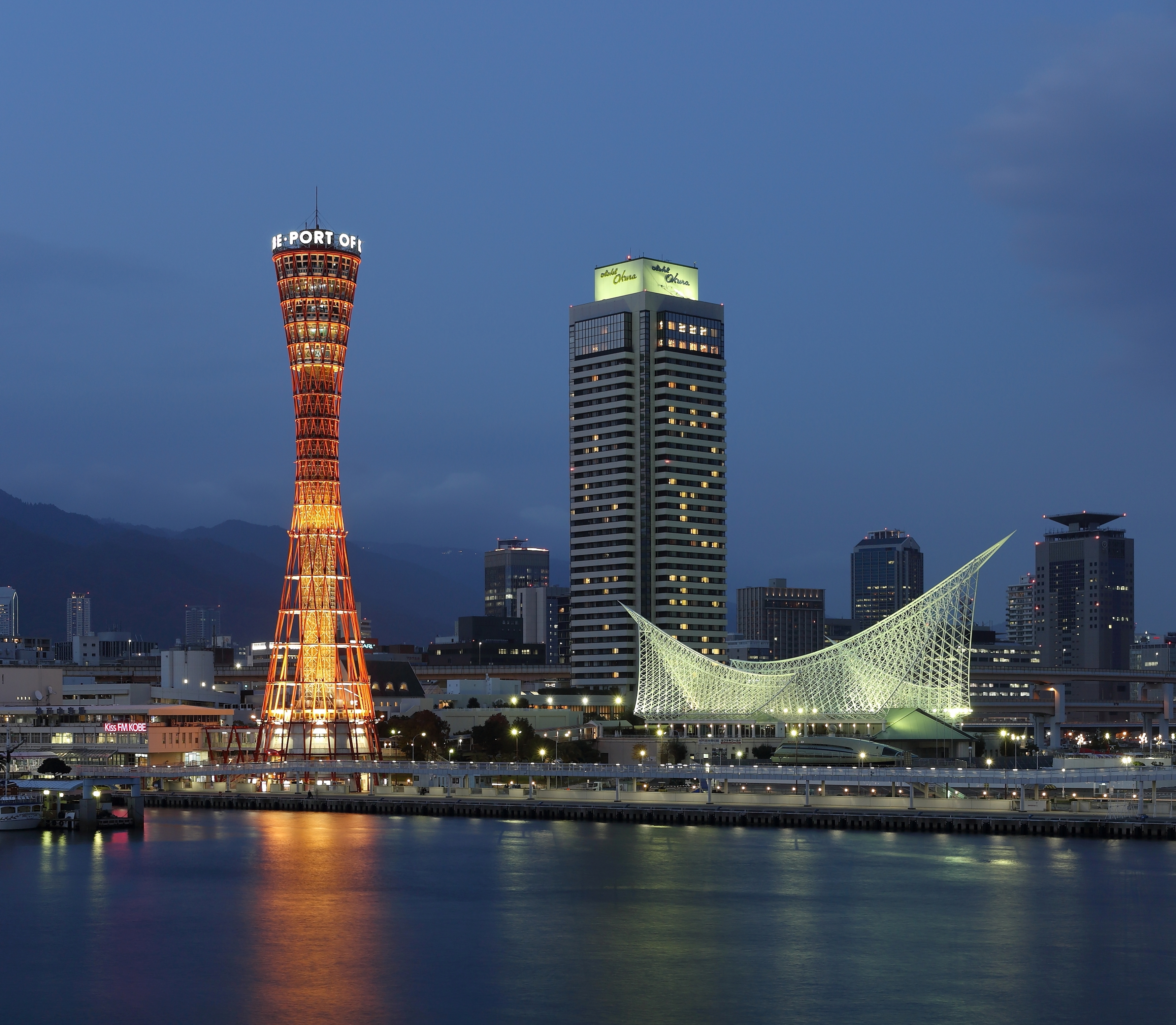
The Kobe Port Tower is a latticed red steel tower on Meriken Park — 108 meters tall, built in 1963 and one of Kobe's most recognizable harbor landmarks. It's been renovated and reopened with an observation deck offering 360-degree views over the harbor and mountains. The tower is visible from throughout the harbor district and photogenic against the mountain backdrop.
What is the earthquake museum in Kobe like?
The Great Hanshin Earthquake Memorial Disaster Reduction and Human Renovation Institution (Kobe Bosai-Mirai-Kan) in Wakinohama presents the 1995 earthquake through a combination of video, artifacts, survivor testimony, and reconstruction documentation. It's one of Japan's most well-executed disaster memorial museums — honest about the scale of loss (6,434 dead) and detailed about the reconstruction process. Japanese and English displays available. Allow 2 hours.
Can I see Himeji Castle as a day trip from Kobe?
Easily — Himeji is 30–40 minutes west of Kobe on the JR Shinkansen or limited express. Japan's finest surviving feudal castle (a UNESCO World Heritage Site since 1993), Himeji Castle is one of the rare cases where the postcards don't overstate the reality. Combine with Koko-en garden adjacent to the castle for a full day from Kobe.
What time of year is cherry blossom season in Kobe?
Cherry blossom season in Kobe typically falls in late March to early April — a few days later than Osaka and Kyoto at higher elevations. Sorakuen Garden is one of the best sites in the city. Shukugawa Park in Nishinomiya just east of Kobe has a particularly dense cherry blossom corridor. The Kitano area's hillside cherry trees bloom slightly after the harbor district due to elevation.
Is Kobe safe?
Kobe is very safe by international standards. Japan consistently ranks among the world's safest countries for travelers. The main practical consideration is earthquake preparedness — Kobe sits in a seismically active region, and any Japan trip should include awareness of emergency protocols (hotel staff will provide instructions). The 1995 earthquake's legacy is a city with upgraded seismic construction standards across its rebuilt infrastructure.
What are the best day trips from Kobe?
Arima Onsen (30 min) for hot springs. Himeji Castle (35 min) for Japan's finest feudal castle. Osaka (25 min) for street food and Dotonbori. Kyoto (50 min via bullet train) for temples and traditional culture. Nara (75 min) for the free-roaming deer and Todai-ji Great Buddha. The Kansai region's rail connectivity makes all of these feasible day trips from a Kobe base.
What is the best way to get from Kansai Airport to Kobe?
From Kansai International Airport (KIX), the JR Haruka limited express runs to Shin-Osaka, then transfer to Kobe by Shinkansen or JR (total about 80 minutes). The Bay Shuttle ferry connects KIX directly to Kobe Port Terminal in 30 minutes for around 1,900 yen — fast, affordable, and a pleasant harbor arrival. Taxis and private transfers exist but are expensive. Most visitors coming specifically to Kobe find the ferry the most convenient and scenic option.
Know someone headed to Kobe?
Send them this guide — real neighborhoods, timing, and prices, with nothing to sign up for.
Copies the link — nothing to install