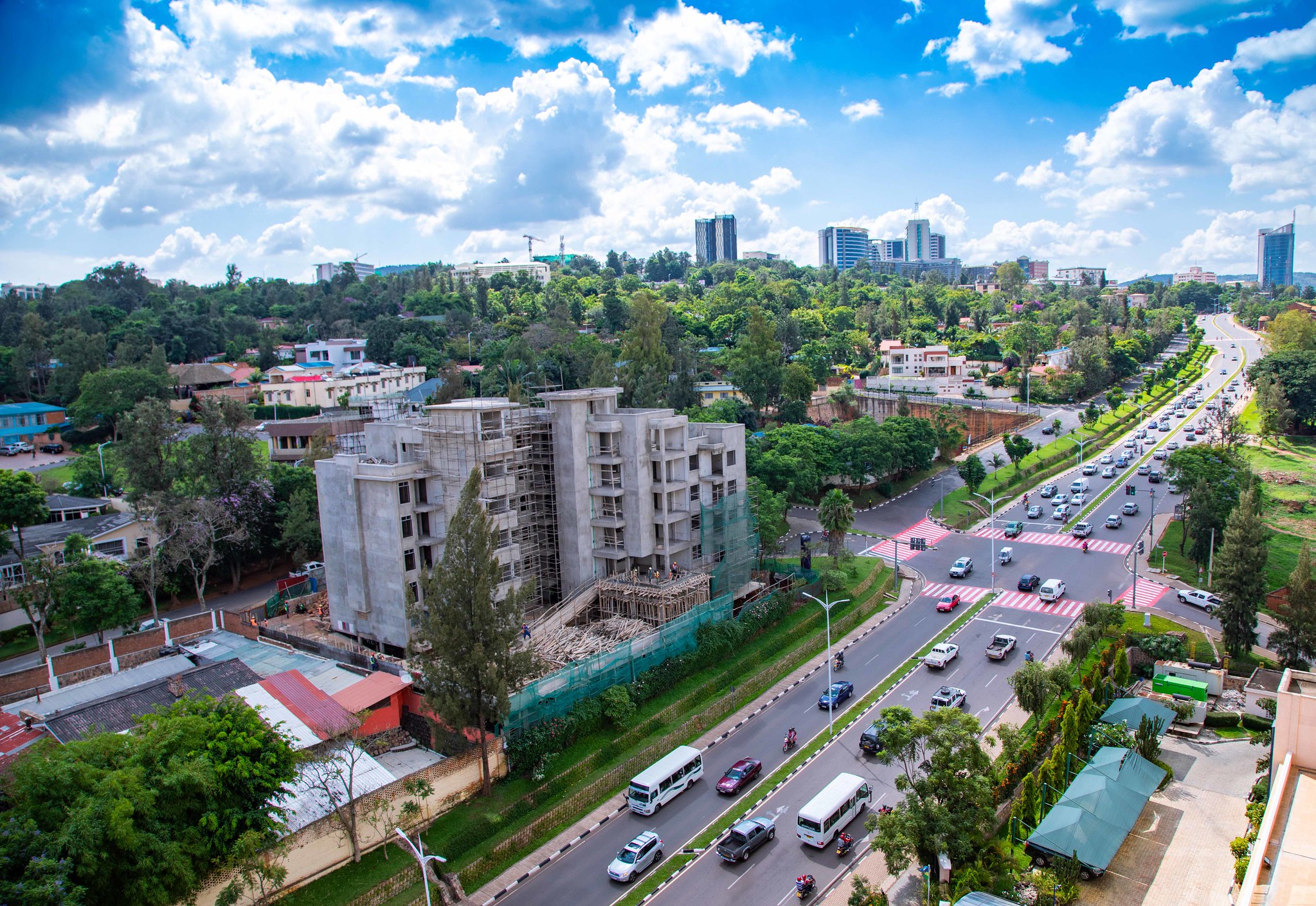
Kigali
Send it to whoever you'd travel with
Kigali is the most genuinely surprising capital in Africa — immaculately clean, purposefully rebuilt, and using reconciliation and conservation as a national identity rather than a footnote.
Kigali does not announce itself with monuments or skylines. It announces itself by being spotless. Rwanda's capital of roughly 1.4 million people occupies a landscape of rolling green hills — Kinyarwanda speakers call them 'a thousand hills' — and the city sprawls across several ridges separated by valleys that have been turned into wetlands and parks. The streets are clean in a way that feels intentional rather than lucky: Rwanda banned single-use plastic bags in 2008, and the national monthly community cleaning day, umuganda, has operated since 2009. A Kigali street corner looks nothing like the popular imagination of a sub-Saharan capital.
This deliberate construction of a new national image cannot be understood without acknowledging what preceded it. In April 1994, in roughly 100 days, between 500,000 and 800,000 Tutsi Rwandans and moderate Hutu were killed in a genocide — approximately 70% of the Tutsi population. The Kigali Genocide Memorial at Gisozi, where 250,000 victims are buried, is one of the most important memorial sites in the world. It is not easy to visit, but it is essential to understand Kigali. The reconciliation process that followed — built around gacaca community courts, a revised national identity that de-emphasizes ethnicity, and heavy investment in education and governance — created the Rwanda that travelers encounter today.
For most international visitors, Kigali is the gateway to gorilla trekking at Volcanoes National Park, two hours northwest. A Rwanda itinerary typically involves 2 nights in Kigali to orient, then a transfer to the park for a gorilla permit ($1,500 per person). But Kigali deserves more time than a transit stop. The Inema Arts Center in Kacyiru is one of East Africa's best contemporary art spaces. The Kimironko Market is a working neighborhood market with none of the tourist-market dynamic. Nyamirambo, the predominantly Muslim neighborhood in the southwest, has Kigali's best street food and a relaxed evening energy.
The practical bits.
- Best time
-
June – September · December – JanuaryRwanda has two dry seasons: June–September (main dry season, best for gorilla trekking and outdoor sightseeing) and December–mid-January. The long rains (March–May) and short rains (October–November) bring lush landscapes and lower costs but muddy gorilla trek trails. Kigali itself is pleasant year-round at 1,500m altitude — rarely hot, rarely cold.
- How long
-
2 nights recommended2 nights covers the Genocide Memorial, Kacyiru arts scene, Nyamirambo, and a market. 3–4 nights allows a Kinigi/Volcanoes day trip or a Lake Kivu extension. Most Rwanda trips combine Kigali with gorilla trekking as a complete package.
- Budget
-
$150 / day typicalKigali is affordable by East Africa capital standards. Budget guesthouses in Nyamirambo run $30–$50/night. Mid-range hotels (Lemigo, Park Inn) run $120–$200. Gorilla permits ($1,500/person) are entirely separate from daily living costs and must be factored into a Rwanda trip budget.
- Getting around
-
Moto-taxis + ride-hail + taxiKigali is hilly — walking between neighborhoods is less practical than it looks on a map. Moto-taxis (helmet required by law, provided by drivers) are fast and cheap for short hops. Rwanda's Yego ride-hail app works well. Standard metered taxis are available at hotels. No reliable bus system for tourists. For Volcanoes National Park, arrange a private driver or use a tour operator transfer.
- Currency
-
Rwandan Franc (RWF) · USD accepted at hotels and tour operatorsCards accepted at hotels, larger restaurants, and tour offices. ATMs at Bank of Kigali and BPR branches in city center. USD cash is widely useful; carry small bills for tipping and markets.
- Language
- Kinyarwanda, French, and English (all official). English is dominant in business and tourism since Rwanda joined the East African Community in 2009 and added English as an official language. Most restaurant staff and hotel workers speak usable English.
- Visa
- East African Tourist Visa ($100, covers Rwanda + Uganda + Kenya) is the best choice for multi-country trips. Single-entry Rwanda e-visa is $50. Citizens of 90+ countries can obtain a free visa on arrival — check Rwanda's e-visa portal (www.migration.gov.rw). African Union passport holders enter free.
- Safety
- Kigali is widely considered the safest capital city in Africa. Crime against tourists is very low. Police presence is visible and effective. Night walking in central Kigali is comfortable in a way most African capitals are not. Standard precautions (bag security, not displaying expensive gear ostentatiously) are worth keeping.
- Plug
- Type C / J · 230V — standard European two-pin plug. Most hotels provide adapters.
- Timezone
- CAT · UTC+2 (no daylight saving)
A few specific picks.
Hand-picked, not algorithmic. Each of these has earned its space.
Rwanda's primary memorial to the 1994 genocide, where 250,000 victims are buried in mass graves. The permanent exhibition is carefully curated — context, testimony, documentation — and deeply affecting. Allow 2–3 hours and visit early in the day. Photography is restricted inside.
Founded in 2012 by two brothers, Inema has become East Africa's most vital contemporary art center — studios, gallery space, Saturday art markets, and events involving local and international artists. One of the most honest representations of Rwanda's post-genocide cultural ambition.
Kigali's predominantly Muslim neighborhood, known for its street food (sambusa, brochettes, chapati), tailoring shops, mosques, and a genuinely local evening energy. The Nyamirambo Women's Center runs highly regarded 2-hour walking tours with knowledgeable community guides.
Kigali's largest neighborhood market — a working food, clothing, and craft market with no tourist pricing performance. Fresh produce, fabrics, second-hand clothing, and local street-food vendors. Best on Saturday mornings.
The former residence of President Habyarimana, whose assassination in April 1994 triggered the genocide. The crashed plane tail is still visible in the garden. Guided tours tell the history with uncomfortable precision.
An architectural landmark — the silver dome and its surrounding complex represent Rwanda's explicit bet on becoming East Africa's conference and business hub. The café on the mezzanine has the best view of the dome from inside.
Rwanda holds roughly a third of the world's remaining mountain gorillas. A $1,500 permit grants one hour with a habituated gorilla family. Permit availability is strictly limited — book at least 3–6 months in advance through Rwanda Development Board (rwandatourism.com).
Rwanda's oldest standing building, built by German colonial officer Richard Kandt. Now a modest but informative natural history and pre-colonial history museum. The garden has a pleasant café. Often overlooked by visitors focused only on genocide history.
A cooperative crafts market where Rwandan artisans sell the country's distinctive woven baskets (agaseke), imigongo geometric paintings, and wood carvings. Prices are negotiable; quality is high. One of the better craft-shopping experiences in East Africa.
The area around KG 7 Avenue concentrates Kigali's best restaurants — Repub Lounge, Fusion, The Hut — along with rooftop bars that show the city's nighttime skyline. Kigali's food scene has improved dramatically since 2018 and now supports genuine fine-dining ambition.
Pick a neighborhood, not a hotel.
Kigali is a city of neighborhoods. The one you stay in shapes the trip more than the property does.
Different trips for different travelers.
Same city, very different stays. Pick the lens that matches your trip.
Kigali for first-time africa visitors
Kigali is one of the best introductions to sub-Saharan Africa: low crime, English-speaking, excellent infrastructure, meaningful history, and a food scene that works without preparation. Start with the Genocide Memorial, let the city's story contextualize what you see, then use it as a base for gorilla trekking.
Kigali for history and memorial travelers
The Gisozi Genocide Memorial, Nyamata and Ntarama church memorials (day trip), and Presidential Palace museum create a coherent historical narrative across 2–3 days. Hire a guide with personal or family connection to 1994 events for a level of testimony no exhibition replaces.
Kigali for wildlife and gorilla seekers
2 nights Kigali, then transfer to Volcanoes NP for your permitted gorilla trek. Book the permit first — it determines all other planning. Budget $1,500 per person for the permit, $250–$600/night for lodge, and arrange airport-to-park transfers in advance.
Kigali for contemporary art and culture travelers
Inema Arts Center, Question Coffee (social enterprise coffee tours), the Nyamirambo Women's Center neighborhood walk, and the Caplaki crafts market combine to show the post-genocide cultural rebuilding effort. None of this is typical African tourism and all of it is deeply worth the time.
Kigali for business travelers
Rwanda has deliberately positioned itself as East Africa's business hub — the Convention Centre, English as business language, and low corruption make Kigali a comfortable working base. The Kigali Marriott and Park Inn are reliable business hotels. Most meetings run on time.
Kigali for solo travelers
Kigali is one of the safest solo destinations on the continent — especially for women. The moto-taxi network, reliable ride-hail apps, and Nyamirambo Women's Center walking tour all make navigating independently easy. The café scene (Question Coffee, Bourbon Coffee) provides the kind of public sitting space that supports solo travel rhythm.
When to go to Kigali.
A quick year at a glance. Great, good, or skip — see what each month is doing before you book.
Short dry season between the two rainy periods. Good gorilla trekking conditions. Relatively light tourist numbers. Good rates.
Excellent conditions. Shoulder season pricing. Clear days in Kigali and dry trails at Volcanoes NP.
Rains starting, greenery intensifying, trails getting muddy at Volcanoes. Rates falling. Still manageable for city visits.
April 7 is Genocide Commemoration Day (Kwibuka) — a deeply significant date. Wet conditions for trekking. Lowest rates.
Lush landscapes, lower prices, few tourists. Gorilla permits easier to obtain. Trails wet but manageable in good rain gear.
Excellent conditions. Peak season beginning. Permit demand picking up. Book gorilla permits well in advance for this month.
Peak tourist season. Best gorilla trekking conditions. Permits fully booked months in advance. Highest rates.
Peak season continues. Excellent city touring and trekking conditions. Advance booking essential.
Still excellent conditions, slightly fewer tourists than July–August. Good value at end of peak season.
Short rains arrive. Trails get wetter but gorilla trekking remains feasible. Landscape lush and green.
Wetter month. Fewer tourists, lower rates, muddier trails. City touring is fine; trekking requires solid rain gear.
Conditions improving through December. Christmas week sees higher hotel rates and more tourists. Late December is good value.
Day trips from Kigali.
When you want a change of pace. Each one's a half-day or full-day out, easy from Kigali.
Volcanoes National Park (Gorilla Trekking)
2–2.5 hours by roadRequires a $1,500 permit booked months in advance. Park headquarters at Kinigi. Trek duration 1–8 hours depending on gorilla family location; the permit guarantees one hour with the family when found. Best as an overnight (2 nights at a Kinigi lodge around your permit date).
Lake Kivu (Gisenyi / Rubavu)
2.5 hours by roadLake Kivu is one of Africa's great rift valley lakes — calm, freshwater, surrounded by volcanic hills. Gisenyi (now Rubavu) on the Congolese border is Rwanda's most relaxed town, with lakeside guesthouses, fresh fish, and very few tourists.
Nyamata and Ntarama Genocide Memorials
1 hour by roadTwo church-based memorials south of Kigali where thousands sheltered and were killed in 1994. More visceral and less mediated than the Gisozi Memorial in Kigali. Context from a knowledgeable guide is essential — hire a driver-guide who can provide historical framing.
Nyungwe Forest National Park
5 hours by roadBetter as an overnight (or multi-day) destination. Chimpanzee trekking permits are $150/person. The Igishigishigi canopy walkway is one of the highest walkways in Africa. Rwanda's biodiversity high point for primates and birds.
Mount Bisoke Hike
Day hike from KinigiA strenuous 7–8 hour return hike to Bisoke's crater lake at 3,711m. Guide mandatory (from Rwanda Development Board). Best combined with a Volcanoes NP gorilla trip as a second-day activity.
Gishwati-Mukura National Park
2.5 hours by roadRwanda's newest national park, rehabilitated after severe deforestation. Chimpanzee tracking is available (smaller habituated community than Nyungwe). Very few tourists — a genuine off-the-beaten-track extension from Kigali.
Kigali vs elsewhere.
Quick honest reads on the cities people compare Kigali to.
Nairobi is larger, more chaotic, more internationally connected, and a fuller urban experience — but also significantly higher crime risk for tourists. Kigali is smaller, cleaner, safer, and specifically interesting for its reconciliation story. Nairobi is the better gateway for the Maasai Mara; Kigali for gorilla trekking.
Pick Kigali if: You want the safest, cleanest East African capital with a uniquely compelling recent history and easy access to gorilla trekking.
Addis Ababa is Africa's diplomatic capital — larger, older, with an extraordinary museum scene and Ethiopia's ancient highland culture. Kigali is newer, more polished, and structured around a 21st-century reconciliation identity. Both are worthwhile capitals; they appeal to very different travelers.
Pick Kigali if: You want East Africa's most livable and walkable capital with a specific interest in post-conflict rebuilding or gorilla access.
Kampala is noisier, cheaper, less organized, and more culturally chaotic than Kigali — which some travelers prefer. Uganda also offers gorilla trekking at a lower permit price ($700 vs $1,500), though Rwanda's infrastructure is substantially better. The East African Tourist Visa covers both.
Pick Kigali if: You want a quieter, safer, more organized African capital and prefer paying more for a better-managed gorilla trekking experience.
Dar es Salaam is a coastal Swahili city, gateway to Zanzibar and Serengeti, with a very different character — humid, beach-adjacent, Indian Ocean-influenced. Kigali is an inland highland capital. The two serve almost entirely different travel purposes and are rarely compared except as East Africa circuit endpoints.
Pick Kigali if: You are visiting East Africa for wildlife and gorilla trekking rather than Swahili coast culture and beach access.
Itineraries you can start from.
Rough shapes for a trip here — a feel for the pace and cost. Find the one that fits you.
Day 1: Genocide Memorial and Nyamirambo evening walk with the Women's Center. Day 2: Inema Arts Center, Kimironko Market, farewell dinner in Kimihurura. Comfortable mid-range hotel. Connects naturally to a gorilla trek or Serengeti onward.
2 nights Kigali (city immersion). Transfer to Kinigi/Volcanoes NP. 2 nights at a Volcanoes lodge, gorilla trek on day 4, optional golden monkey trek day 5. Return to Kigali for departure.
2 nights Kigali, 2 nights Volcanoes NP (gorilla trek), 1 night Gisenyi on Lake Kivu, 1 night Nyungwe Forest (chimp tracking), return to Kigali. Rwanda's full north-to-south natural and cultural arc.
Things people ask about Kigali.
Is Kigali safe to visit?
Kigali is consistently ranked as the safest capital city in Africa. Crime rates against tourists are very low. The streets are clean, police presence is reliable, and violent crime in the city center and tourist areas is rare. Night walking in Kimihurura and central Kigali is comfortable. Standard urban precautions — bag security, not displaying expensive equipment openly — remain sensible without being urgent.
Do I need to visit the Kigali Genocide Memorial?
It is not obligatory, but it is deeply worthwhile. The memorial at Gisozi, where 250,000 victims are buried, provides the essential context for understanding modern Rwanda — why the country looks the way it does, why reconciliation is treated as a policy project rather than a slogan. The exhibition is curated carefully, not sensationally. Allow 2–3 hours and go early in the day when you have energy for it.
How do I book gorilla trekking permits from Kigali?
Gorilla trekking permits ($1,500 per person) are issued by Rwanda Development Board and must be booked in advance at rwandatourism.com or through a licensed tour operator. Permits sell out months ahead for peak season (June–September). The minimum booking is 3–6 months ahead for busy periods. The trek departs from Kinigi near Musanze, about 2 hours by road from Kigali. Most visitors combine 2 Kigali nights with 2 Volcanoes nights around their permit date.
What is Rwanda's plastic bag ban and how does it affect visitors?
Rwanda banned single-use plastic bags (and since 2019, single-use plastics generally) in 2008 — one of the first countries in the world to do so. At Kigali International Airport, bags are checked; plastic will be confiscated. Pack your shopping in fabric tote bags or use the paper/fabric bags available at shops. This is a genuine policy seriously enforced, not a suggestion.
What is 'umuganda' and will it affect my visit?
Umuganda is the mandatory monthly community service day on the last Saturday of each month, 8 AM–11 AM. Most shops and restaurants are closed; the streets are quiet except for cleaning and construction activity. Most public and private transport is limited. Plan around it by avoiding Saturday morning departures or excursions. The atmosphere is peaceful rather than disruptive — visitors can watch or participate if invited.
What currency should I bring to Kigali?
The Rwandan Franc (RWF) is the local currency. USD is widely accepted at hotels, tour operators, and upmarket restaurants — often preferred for large transactions. ATMs are reliable in the city center (Bank of Kigali, BPR). Exchanging USD cash at bureaux de change gives good rates. Avoid exchanging euros except at banks. Gorilla permits must be paid in USD at Rwanda Development Board.
What is the best time of year to visit Kigali?
Kigali at 1,500m elevation has a pleasant climate year-round — rarely above 27°C or below 15°C. The best months combine dry weather with gorilla trekking conditions: June through September (main dry season) and December through early January. Long rains (March–May) and short rains (October–November) bring lush landscapes and lower prices but muddy park trails.
How much does a gorilla trek permit cost and is it worth it?
Rwanda's gorilla permit costs $1,500 per person per trek — one of the most expensive single wildlife experiences in the world. It grants one hour with a habituated gorilla family (8–14 individuals per group, maximum 8 tourists). The encounter is essentially unreplicable: mountain gorillas are critically endangered, the proximity is extraordinary, and the hour is consistently described by visitors as among the most powerful experiences of their lives. Rwanda's revenue goes directly to conservation and community programs.
What is the food scene like in Kigali?
Better than most East Africa capitals and improving rapidly. Kigali has a cluster of genuinely good restaurants in Kimihurura — the Repub Lounge, Fusion, Heaven Restaurant, and The Hut are consistently mentioned. Nyamirambo's street food (brochettes, sambusa, chapati, mandazi) offers affordable, authentic local eating. Rwandan staple food centers on grilled meats, plantain (matoke), cassava, and bean dishes. The local Primus and Mutzig beers are good.
Is Kigali worth visiting without gorilla trekking?
Yes. The Genocide Memorial, Inema Arts Center, Nyamirambo neighborhood, and Kimironko Market each stand alone as compelling reasons to visit. Kigali's story — how a city and a country rebuilt a functioning civil society after catastrophic collapse — is one of the more remarkable urban stories of the past 30 years. Two days in Kigali without any gorilla component is a satisfying trip for anyone interested in African urban history and contemporary culture.
Can I take photographs in Kigali?
Generally yes — Kigali is photography-friendly for street and architectural shots. Inside the Genocide Memorial, photography is restricted to certain outdoor areas (confirmed at the entrance). The Presidential Palace museum has specific photography rules; your guide will advise. Always ask permission before photographing individuals, especially in markets. Photographing military installations or border areas is prohibited.
What is the Nyamirambo Women's Center tour?
The Nyamirambo Women's Center (NWC) runs a highly regarded 2-hour neighborhood walking tour through Kigali's most authentic residential area — local tailors, the mosque, market stalls, a home visit, and street food. Tours cost around $25 per person and depart mornings and afternoons by appointment. The center uses tour revenue to fund education and business support for local women. It is one of the most authentic community tourism experiences available in Kigali.
How do I get from Kigali to Volcanoes National Park?
Volcanoes National Park headquarters at Kinigi is roughly 120 km from Kigali — approximately 2–2.5 hours by road on the RN2 via Musanze (Ruhengeri). Most travelers hire a private driver or use their lodge's transfer service ($60–$100 each way). Public minibuses run to Musanze; from there a moto-taxi to Kinigi is possible but adds complexity. RwandAir and air taxi services occasionally serve Musanze for groups.
Does Kigali have good coffee?
Yes — Rwanda is a quality coffee origin, and Kigali has a genuine specialty coffee scene. Question Coffee (a social enterprise supporting women coffee growers), Bourbon Coffee, and Inzozi Nziza (in Nyamata, south of the city) are prominent. Rwandan coffee is typically washed-process with bright acidity, stone fruit, and floral notes. The cafés in Kimihurura serve filter and espresso to specialty standards comparable to European cities.
What languages do people speak in Kigali?
Kinyarwanda is the home language. French remains in daily use among the older generation and in government contexts, though Rwanda made English a co-official language in 2009. English is the primary business and tourism language, and most hotel staff, guides, and restaurant workers in Kigali speak functional English. Learning a few Kinyarwanda phrases (muraho — hello, murakoze — thank you) goes over well.
Is Rwanda a good destination for LGBTQ+ travelers?
Rwanda has no law criminalizing same-sex relationships, unlike several neighboring countries — but there are also no legal protections and public social acceptance is limited by most measures. Kigali is relatively discreet; same-sex couples traveling as tourists have generally reported no specific incidents. Overt public affection of any kind is not common Rwandan social practice. Standard travel caution applies — hotel and tour operator interactions are professional and non-discriminatory in practice.
What vaccinations do I need for Rwanda?
Yellow fever vaccination is required for all travelers arriving from yellow fever endemic countries and strongly recommended for all visitors regardless. Other recommended vaccines: hepatitis A, hepatitis B, typhoid, and updated tetanus/diphtheria. Malaria prophylaxis is recommended, particularly for travel outside Kigali to Volcanoes NP and rural areas. Consult a travel medicine doctor 4–6 weeks before departure.
What is the best way to spend a single day in Kigali?
Morning at the Kigali Genocide Memorial (arrive 9 AM, 2–3 hours). Lunch at a Kimihurura restaurant. Afternoon: Inema Arts Center in Kacyiru and a walk to Caplaki Crafts Village. Evening in Nyamirambo for street food and the neighborhood atmosphere. This covers the emotional, cultural, and culinary pillars of the city in one day without rushing.
Know someone headed to Kigali?
Send them this guide — real neighborhoods, timing, and prices, with nothing to sign up for.
Copies the link — nothing to install