Charleston
Send it to whoever you'd travel with
Charleston is one of America's most walkable and historically layered cities — a place where antebellum architecture and Gullah Geechee food traditions share the same cobblestone streets, and where the best meal you'll eat is probably at a counter with no reservation.
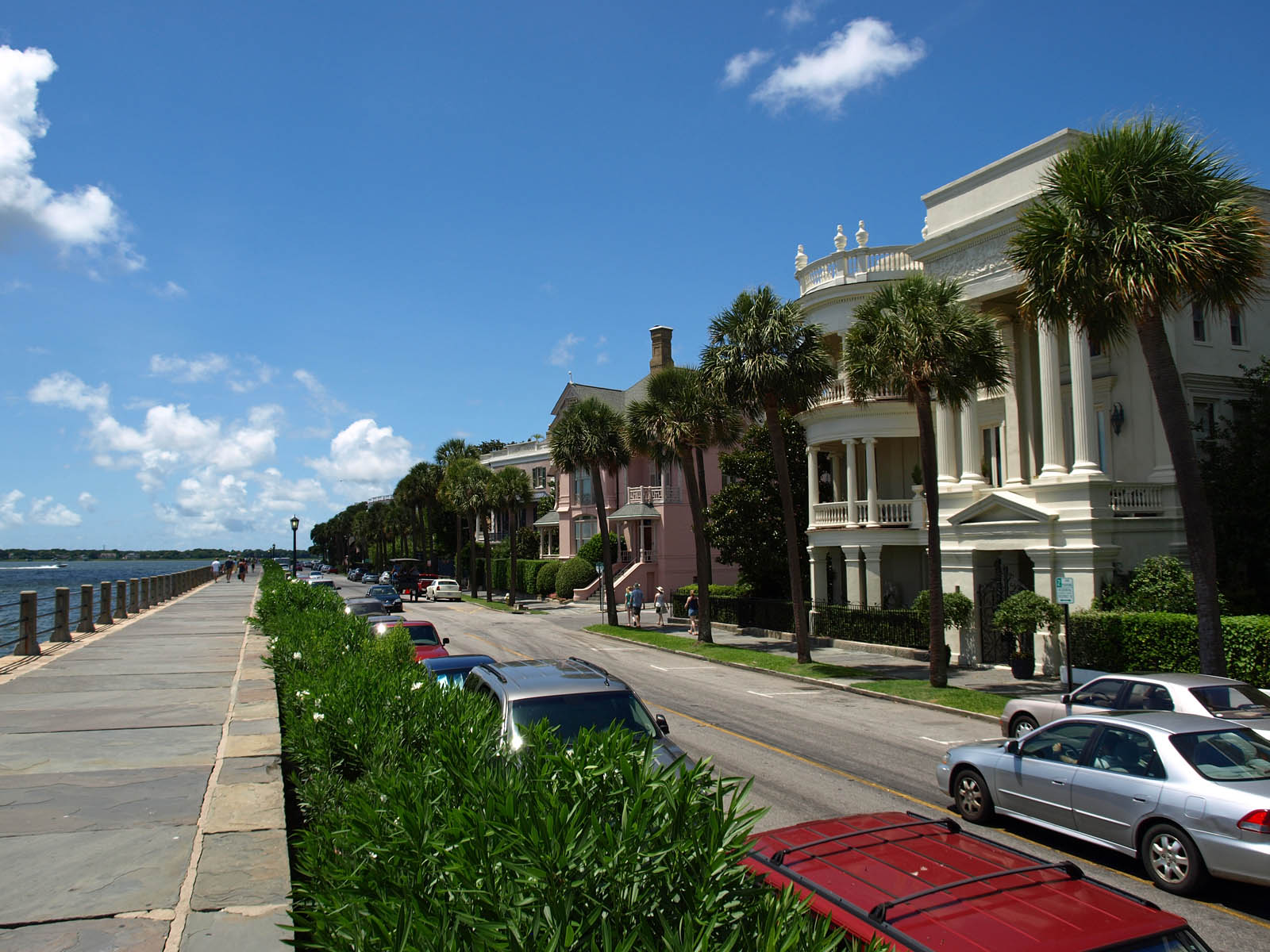
Charleston has a complicated story to tell, and the best version of it doesn't let the pastel facades do all the talking. The antebellum townhouses on Rainbow Row, the shady piazzas of the South of Broad district, the horse-drawn carriages moving through cobblestone lanes — these are genuinely beautiful. They're also the visible surface of a history built on enslaved labor, and the city has slowly, imperfectly, started reckoning with that. The International African American Museum, which opened in 2023 at the edge of Gadsden's Wharf — where an estimated 40 percent of all enslaved Africans brought to North America arrived — is an essential stop, and not a small one.
The food scene is where Charleston earns its reputation on its own terms. Husk put the city on the national map with its sourced-in-the-South philosophy, and its siblings and offspring have built on that foundation. Leon's Oyster Shop raised the bar for what a converted auto shop could be. The Grey turned a 1938 Greyhound bus station into one of the most considered dining rooms in the South. These are not restaurants that coast on charm — they're cooking seriously, and they're drawing on Low Country traditions (rice, benne, okra, shrimp) that trace directly to the Gullah Geechee people who kept those foodways alive through and beyond slavery.
Walk the French Quarter and Harleston Village slowly. Get to the City Market early. Take the ferry to Sullivan's Island or Folly Beach. Book a guided tour of the McLeod Plantation that doesn't sugarcoat what the site was. Eat at a James Beard-nominated counter and at a Gullah Geechee restaurant in the same day. The city rewards travelers who show up with curiosity rather than a checklist.
Spring and fall are when Charleston is at its most livable. Summer humidity is serious — the kind that makes a block feel like three. But even summer has its pleasures: porches, fans, shrimp boils, and the particular golden late-afternoon light off the harbor.
The practical bits.
- Best time
-
March – May · October – NovemberSpring brings azaleas, Spoleto festival (late May–June), and warm but not punishing temperatures. Fall is quieter, drier, and arguably the most comfortable walking weather of the year. Summer (June–August) is humid and hot but manageable with early mornings and late evenings; hurricane season runs June–November.
- How long
-
4 nights recommendedTwo nights covers the peninsula basics. Four lets you absorb neighborhoods, do a plantation tour, and get a beach day. Seven pairs well with Savannah.
- Budget
-
$280 / day typicalHotel costs drive the budget — the Historic District commands premium rates, especially spring weekends. Food ranges from $15 po'boys to $150 tasting menus; mid-range dinners at good restaurants run $60–90 per person with drinks.
- Getting around
-
Walking + rideshareThe Historic Peninsula is highly walkable — most sights sit within a 1.5-mile stretch. DASH trolleys run the main corridors free of charge. Rideshare (Uber/Lyft) handles beach trips and plantation visits. Parking in the Historic District is tight and expensive; most visitors are better off leaving the car.
- Currency
-
USD · cards universalCards and contactless payments accepted everywhere. Some farmers market vendors and small food stalls are cash-preferred; carry $20–40.
- Language
- English. Gullah Geechee is a living language spoken in the Sea Islands; visitors are unlikely to encounter it in tourist zones but should know it exists.
- Visa
- No visa required for US citizens. International visitors should check US entry requirements based on nationality.
- Safety
- Safe by American city standards. The Historic District and neighborhoods on the peninsula are walkable at night. Common sense applies around the East Side after dark. The main tourist areas have very little street crime.
- Plug
- Type A/B · 120V — standard US
- Timezone
- Eastern Time · UTC-5 (EDT UTC-4 Mar–Nov)
A few specific picks.
Hand-picked, not algorithmic. Each of these has earned its space.
Opened 2023 at the site where an estimated 40% of all enslaved Africans entered North America. One of the most important new American museums in a generation. Allow 3–4 hours.
Inside a restored 1938 Greyhound terminal. The cooking bridges Lowcountry tradition and contemporary technique. One of the South's most thoughtful dining rooms.
A converted auto shop with natural-wine bottles, fresh oysters, and fried chicken that earns every mention it gets. No reservations; arrive early or expect a wait.
The restaurant that put Charleston's sourced-in-the-South food ethos on the national map. Book ahead for weekend dinners.
A plantation site operated by Charleston County Parks that centers the stories of enslaved people who lived and worked there. Guided tours only. A more honest history than many comparable sites.
Thirteen pastel-painted Georgian townhouses facing East Bay Street — the most photographed stretch in Charleston. Beautiful in early morning light before the tour groups arrive.
Four blocks of covered market stalls. The sweetgrass basket weavers continue a Gullah Geechee tradition that stretches back centuries; buying from them directly supports the artisans.
The closest beach to downtown — 20 minutes by car or rideshare. Low-key, locals-favored, with good surfing conditions and several solid seafood spots at the pier end.
An 1850 rural cemetery with extraordinary live-oak canopy, elaborate ironwork, and layers of the city's history — enslaved people's graves, Civil War sections, and antebellum families.
Vegetable-forward, Middle Eastern-influenced lunch and dinner in a casual, communal setting. One of the best value meals in the city.
Pick a neighborhood, not a hotel.
Charleston is a city of neighborhoods. The one you stay in shapes the trip more than the property does.
Different trips for different travelers.
Same city, very different stays. Pick the lens that matches your trip.
Charleston for first-time visitors
Stay in the French Quarter or Ansonborough. Start with the IAAM on day one. Book The Grey and Leon's in advance. Walk South of Broad in the morning before the heat builds. Add a plantation tour with a reputable interpreter.
Charleston for couples
South of Broad boutique hotels for the setting. Evening carriage ride, dinner at Husk or The Grey. Morning coffee at a piazza café before the city wakes up. Sullivan's Island for a quiet beach half-day.
Charleston for foodies
The Grey, Leon's, Husk, Butcher & Bee, and Bertha's Kitchen for Gullah Geechee home cooking. The FIG for prix-fixe. The Obstinate Daughter on Sullivan's Island for a beach-adjacent excellent meal. Reserve the top tables 2–4 weeks out.
Charleston for history travelers
IAAM is the non-negotiable anchor. McLeod Plantation with a guided tour. Fort Sumter for Civil War context. The Old Slave Mart Museum on Chalmers Street. Consider a walking tour with a Black history specialist guide.
Charleston for families with kids
Children's Museum of the Lowcountry for younger kids. Folly Beach for a beach day. Horse-drawn carriage tours. Rent bikes on Sullivan's Island. The Fort Sumter ferry is engaging for ages 8 and up.
Charleston for solo travelers
Upper King for bar-hopping ease. Leon's is perfect solo dining — bar seating, no reservation needed. The IAAM is excellent solo. Early-morning walks in South of Broad before the crowds are one of the city's great pleasures.
Charleston for budget travelers
Bertha's Kitchen for Gullah Geechee cooking at cafeteria prices. DASH trolley instead of rideshare. City Market is free to browse. Fort Sumter ferry is $27/adult. Guesthouses north of Calhoun Street run significantly less than Historic District boutiques.
When to go to Charleston.
A quick year at a glance. Great, good, or skip — see what each month is doing before you book.
Quietest and cheapest month. Cool but rarely cold. Gardens are dormant.
One of the quieter months. Good hotel rates. Occasional rain.
Gardens come alive. Crowds start building on spring break weeks.
One of the best months. Perfect walking weather. Book hotels early.
Spoleto Festival begins late month. Still very pleasant for walking.
Spoleto finishes early June. Heat becomes a factor. Hurricane season starts.
Hottest month. Afternoon thunderstorms daily. Beach trips justify the visit.
Worst heat and highest hurricane risk. Low crowds, lowest prices.
Hurricane risk persists. Second half of September markedly better.
Arguably the best month. Fall festivals, easy walking weather.
Quiet and affordable. Good for food-focused trips without peak crowds.
Holiday events and decorated historic homes. Manageable crowds, cool for walking.
Day trips from Charleston.
When you want a change of pace. Each one's a half-day or full-day out, easy from Charleston.
Beaufort, SC
1 hourA quieter, less-touristified version of Charleston with a strong Gullah Geechee cultural center (USCB Center for the Arts) and excellent antebellum architecture. The waterfront park is lovely.
Savannah, GA
2 hoursWorth more than a day trip — better as a 2-night extension. But if pressed for time, the Historic District, Forsyth Park, and Olde Pink House for lunch cover the highlights.
ACE Basin
1 hourOne of the largest undeveloped estuaries on the East Coast. Kayak rentals and guided tours available from several outfitters. Best April–October.
Edisto Island
1 hour 15 minOne of the few South Carolina barrier islands that hasn't been heavily developed. Small state park beach, good shelling, zero resort infrastructure.
Fort Sumter
30 min by ferryThe site where the first shots of the Civil War were fired in April 1861. Ferry departs from the Liberty Square terminal in downtown Charleston. Plan 2–3 hours including travel.
McLeod Plantation
20 min from downtownOperated by Charleston County Parks, this site centers the stories of enslaved people rather than planter mythology. Guided tours only; book in advance. One of the most important historic sites in the region.
Charleston vs elsewhere.
Quick honest reads on the cities people compare Charleston to.
Charleston is more polished, better-known for food, and carries a higher price tag. Savannah is slower, shadier under its extraordinary oak canopy, and feels less curated. Both have antebellum architecture and complicated histories; both deserve time. Most travelers say Savannah surprises them more.
Pick Charleston if: You want a stronger restaurant scene and don't mind paying more for it.
New Orleans is louder, more musically immersive, and wilder; Charleston is quieter, more architecturally intact, and more amenable to a slower pace. Both have deep food cultures rooted in African culinary tradition. New Orleans has more nightlife; Charleston has better daytime walking.
Pick Charleston if: You want walkable beauty and food without the late-night intensity.
Nashville has music heritage and a booming bar scene; Charleston has architecture and one of the South's best restaurant ecosystems. Nashville is louder and better for a weekend of live music; Charleston is better for a long weekend of history, food, and slow walking.
Pick Charleston if: History, architecture, and serious food over honkytonks and bachelorette parties.
Asheville is a mountain food-and-beer town with an arts-oriented, progressive identity; Charleston is a coastal historic city with a more conservative political character and a more formal dining scene. Both have excellent independent food cultures.
Pick Charleston if: You want coast over mountains and antebellum architecture over craft breweries.
Itineraries you can start from.
Rough shapes for a trip here — a feel for the pace and cost. Find the one that fits you.
French Quarter base. IAAM on day one. One plantation tour. Dinner at Leon's and The Grey. Morning walk through South of Broad.
Four nights on the peninsula, one night at Folly Beach. Spoleto or Lowcountry food crawl. City Market sweetgrass basket purchase. Full day on Sullivan's Island.
Four nights Charleston, three nights Savannah. Drive the two-hour coastal route via Beaufort. Two distinct Southern cities in one logical trip.
Things people ask about Charleston.
When is the best time to visit Charleston?
March through May is the classic window — azaleas bloom, Spoleto Festival runs late May into June, and temperatures sit in the 65–80°F range. October and November are equally good: dry, cool, and quieter. Summer is hot and humid (90°F+) with frequent afternoon thunderstorms; doable but demanding. Hurricane season officially runs June–November.
How many days do you need in Charleston?
Three nights is enough for the peninsula highlights: key historic sites, two or three landmark meals, and a neighborhood walk. Four or five nights lets you add a plantation tour, a beach day, and time to get off the well-worn visitor path. Seven nights pairs naturally with a Savannah extension.
Is Charleston expensive?
It's one of the pricier small cities in the South. Boutique hotels in the Historic District run $250–500/night in spring. Good restaurants charge $60–100 per person with drinks. Budget travelers can manage on $130/day with a well-located guesthouse and selective dining; mid-range expect $250–300.
What is the International African American Museum?
Opened in June 2023 at Gadsden's Wharf — the very site where an estimated 40 percent of all enslaved Africans brought to North America arrived. It's a permanent museum documenting African American history from the Middle Passage through the present. Allow 3–4 hours. Advance tickets recommended.
What are the best restaurants in Charleston?
The food scene is genuinely strong. The Grey (Lowcountry-meets-contemporary, in a 1938 bus terminal) and Leon's Oyster Shop (fresh oysters, fried chicken, natural wine) are the two most consistent recommendations. Husk pioneered the sourced-in-the-South ethos. Butcher & Bee does exceptional vegetable-forward lunch. Bertha's Kitchen serves Gullah Geechee home cooking from a cafeteria counter — long lines, worth every minute.
What is Gullah Geechee culture?
Gullah Geechee refers to the descendants of enslaved Africans who settled the coastal lowlands of South Carolina, Georgia, and North Carolina. They maintained a distinct language, foodways (rice, okra, benne seeds, shrimp), and craft traditions (sweetgrass baskets) that survived through and beyond enslavement. Charleston's food scene and City Market artisans are the most visible entry point for visitors.
Should I visit a plantation in Charleston?
Yes — but choose carefully. McLeod Plantation Historic Site (operated by Charleston County Parks) and Magnolia Plantation's Gullah Geechee tours center the experiences of enslaved people rather than the planter family's story. Some plantation tours still do not do this well. The IAAM is a better first stop for context before any plantation visit.
How do I get around Charleston without a car?
The Historic Peninsula is walkable — most sights sit within a 1.5-mile stretch. DASH trolleys cover the main corridors for free. Rideshare is reliable and cheap for anything off the peninsula (beach trips, plantation sites). Parking is expensive and limited in the Historic District; most visitors should avoid bringing or renting a car for the peninsula itself.
What is the Spoleto Festival?
Spoleto Festival USA is a 17-day performing arts festival held in late May and early June, centered on opera, theater, dance, and chamber music performed in historic venues across the city. It's one of the most respected arts festivals in the country; accommodation books up fast during the run. Piccolo Spoleto runs simultaneously with free and low-cost community programming.
Charleston vs Savannah — which should I visit?
Charleston is more polished, more expensive, and has a stronger food scene. Savannah is slower, shadier (the oak canopy is genuinely extraordinary), and feels more lived-in and less tourist-optimized. Both are worth visiting; they're two hours apart and pair into a logical trip. Most travelers who've done both say Savannah is the more surprising of the two.
What beaches are near Charleston?
Folly Beach is the closest — 20 minutes by car, with good surf breaks and a low-key local scene. Sullivan's Island is quieter and more residential, favored by locals with kids. Isle of Palms is the resort option. None of these are Caribbean-clear water, but they're good Atlantic beaches with easy access.
Is Charleston safe for solo travelers?
Yes. The Historic Peninsula, French Quarter, and Upper King corridors are safe to walk after dark. Common sense applies in less-trafficked areas after midnight. Solo women report Charleston as one of the more comfortable Southern cities for independent travel.
What is the best neighborhood to stay in Charleston?
French Quarter and Ansonborough put you within walking distance of nearly everything and have the highest concentration of boutique hotels. South of Broad is quieter and more residential — excellent for those who want to feel like a resident. Upper King is better for travelers who will be out late; it's the bar-and-restaurant corridor.
Can I do Charleston as a day trip from Savannah?
Technically yes — it's about two hours by car — but Charleston deserves at least two nights. A day trip means you see the surface without the restaurants, the morning light on the streets, or any meaningful time at the IAAM. Go for at least a weekend if you're making the drive.
What is the weather like in Charleston in summer?
Hot and humid. July and August average high temperatures of 89–92°F (32–33°C) with humidity that makes it feel hotter. Afternoon thunderstorms are common. The city is still functional — air conditioning is everywhere, and early mornings and evenings are manageable — but it's not the city's best season.
What should I know about Charleston's history?
Charleston was one of the wealthiest cities in colonial and antebellum America, with that wealth built almost entirely on the labor of enslaved people. It was a major port of entry for the transatlantic slave trade and the site of significant Civil War history (Fort Sumter). The city is slowly doing more to acknowledge this history honestly, but visitors should bring their own critical lens rather than relying on the historic district's curated surface.
Are there good day trips from Charleston?
Several. Beaufort (an hour south) is a smaller, quieter version of Charleston with strong Gullah Geechee heritage. Savannah is two hours south. The ACE Basin — a 350,000-acre estuary conservation area — is superb for kayaking and birding. Edisto Island is one of the less-developed barrier islands within 90 minutes.
What are sweetgrass baskets and where can I buy them?
Sweetgrass baskets are handwoven coiled baskets made from sweetgrass, bulrush, and palmetto — a craft tradition brought from West Africa by enslaved people and maintained by the Gullah Geechee community for centuries. Basket weavers sell at the City Market and along Highway 17 North. Buying directly from the weavers, rather than from souvenir shops, supports the artisans keeping the tradition alive.
Is Charleston good for families with children?
Yes, with some planning. The Children's Museum of the Lowcountry is well-designed for younger kids. Beach trips to Folly or Sullivan's Island are easy. The horse-drawn carriage tours are engaging for children who can sit for 45 minutes. The IAAM is age-appropriate from roughly 10 and up, with guidance on how to frame difficult history for younger visitors.
Know someone headed to Charleston?
Send them this guide — real neighborhoods, timing, and prices, with nothing to sign up for.
Copies the link — nothing to install