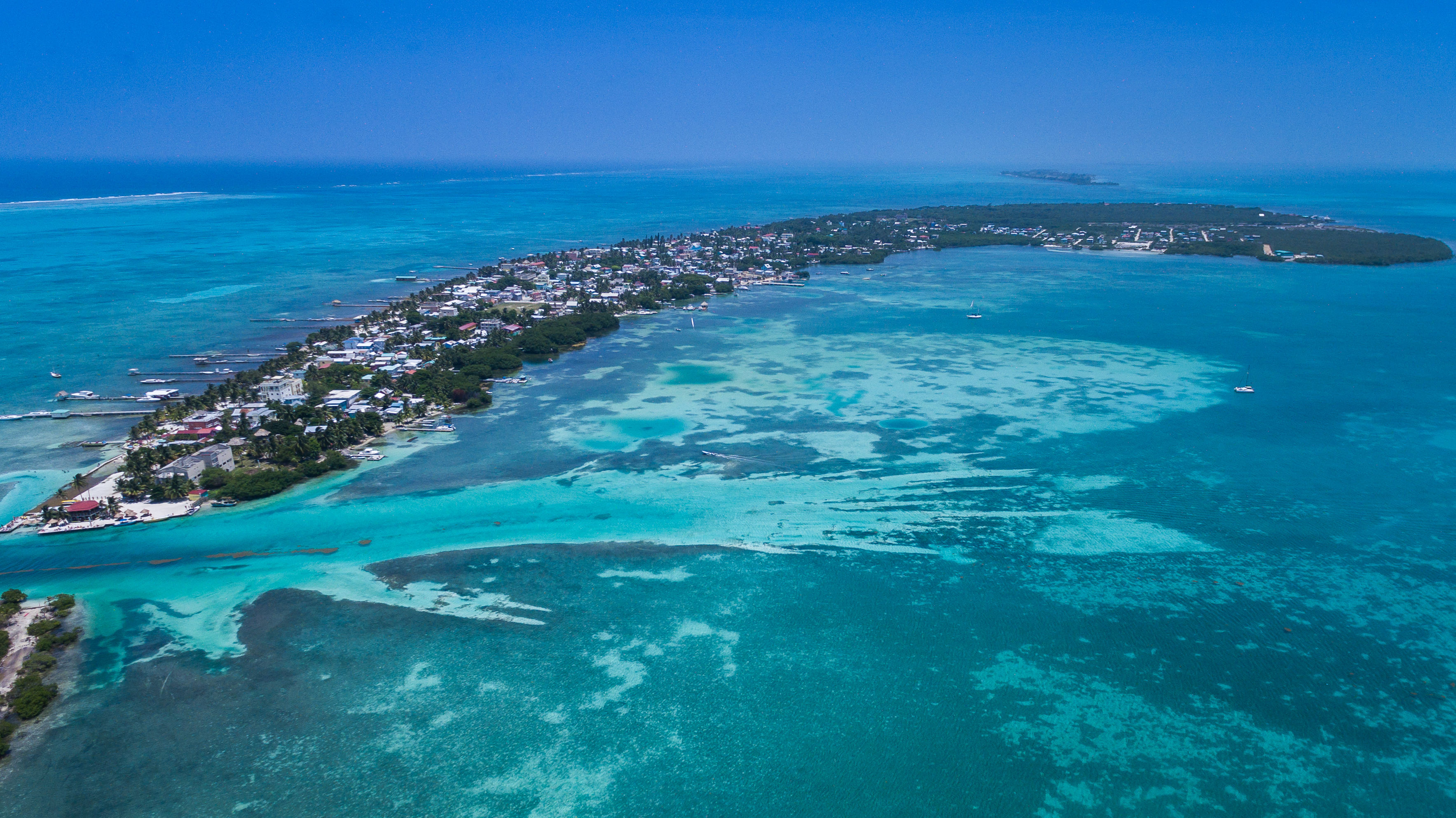
Caye Caulker
Send it to whoever you'd travel with
Caye Caulker is a reef island where the philosophy is written on a sign at the dock — Go Slow — and the whole place, from the barefoot restaurants to the morning pelicans, enforces it.
The sign that greets you at Caye Caulker's dock reads 'Go Slow', and it's less a suggestion than a condition of the place. Cars are banned; golf carts and bicycles carry the few people who aren't simply walking. The island is a narrow strip of coral sand — three kilometers long at most, and bisected by The Split, a channel cut by a hurricane that is now the island's social center: a shallow swimming hole ringed by makeshift bars where travelers float in the water with a Belikin beer.
The Belize Barrier Reef runs just minutes offshore — the world's second largest after the Great Barrier Reef — and a boat tour to the reef is the primary reason most people come. The Hol Chan Marine Reserve and Shark Ray Alley are fifteen minutes by speedboat, and snorkeling here with nurse sharks and rays in the clear Caribbean water is one of Central America's most accessible wildlife encounters. The Blue Hole, Belize's famous underwater sinkhole, is a longer day-trip from the island and requires a full-day tour.
The island divides loosely into north and south. South Caye is quieter, with guesthouses set back from the water and the local Belizean community going about daily life. The north is denser with backpacker hostels, open-air restaurants, and the evening bar cluster near the Split. The whole island stays small enough that you'll walk it end to end in 25 minutes and recognize the same faces at different restaurants by day two.
What Caye Caulker does well — reef access, low prices, slow Caribbean air, fresh lobster in season — it does better than almost anywhere else in Central America for this price point. What it doesn't have is luxury infrastructure, a wide dining range, or anything resembling a schedule. Both things are features, depending on what you came for.
The practical bits.
- Best time
-
December – AprilThe dry season brings calm seas, clear water, and consistent sunshine. January and February are particularly reliable. The rainy season (June–October) still has plenty of beach days but brings afternoon squalls, rougher water, and the occasional hurricane risk August through October.
- How long
-
4 nights recommendedTwo nights covers a reef snorkel and the Split. Four to five lets you do the Blue Hole day trip plus a second reef tour and proper island relaxation. A week gets slow and comfortable — the intended mode.
- Budget
-
$100 / day typicalBudget travelers eat well on Caye Caulker — fish tacos and lobster are genuinely affordable in season. Snorkel tours run $25–50. Accommodation ranges from $20 dorms to $180 boutique cabanas.
- Getting around
-
Walking and golf carts — no carsThe island is small enough to walk entirely. Golf carts and bicycles are available to rent. Water taxis connect to Belize City (75 min), Ambergris Caye (45 min), and run day-trip boats to the reef and Blue Hole.
- Currency
-
Belize Dollar (BZD) — pegged at 2:1 to USD. US dollars are universally accepted at the fixed rate.Cash is the primary currency; ATMs in the village center. US dollars work everywhere. Cards accepted at larger hotels and some restaurants, often with a surcharge.
- Language
- English is the official language — Belize is the only English-speaking country in Central America. Belizean Creole is widely spoken locally. Spanish widely understood.
- Visa
- US, UK, EU, Canadian, and most Western passports enter Belize visa-free for 30 days, extendable. No advance authorization required.
- Safety
- Generally safe on the island. Standard precautions apply — don't leave valuables on the beach, avoid unlit paths late at night. Water-taxi crossings can be rough in bad weather; choose operators with proper boats.
- Plug
- Type G · 110V / 220V — British-style three-pin plug. US visitors need an adapter.
- Timezone
- CST · UTC-6 (Belize does not observe daylight saving time)
A few specific picks.
Hand-picked, not algorithmic. Each of these has earned its space.
The channel that divides the island, now its social center. Float in the calm swimming hole, drink at the Lazy Lizard bar on the bank, and watch the boats. Best at late afternoon when the light is golden.
The reef cut — a natural channel through the barrier reef with walls of coral and dense fish life. Snorkeling here is the main event of most Caye Caulker trips. Book a licensed tour operator.
A shallow sandy patch where nurse sharks and stingrays gather. Snorkeling with them in calm, clear water is a genuine surprise — completely safe, surreally close encounters.
A full-day boat trip to the famous underwater sinkhole. The Blue Hole itself is dramatic from above and for experienced divers; the snorkeling around Lighthouse Reef's surrounding cays is actually the highlight for most people.
Lobster season runs mid-June through mid-February. Fresh lobster at Caye Caulker is absurdly affordable compared to any city restaurant — order it grilled at any of the beachside spots.
Small catamaran tours leave at 4 PM for a two-hour sunset sail along the reef. Wine, snacks, occasional dolphin sightings. Reliable evening pleasure for $30–40 per person.
The main street at dusk — open-air restaurants, locals playing dominoes, the smell of grilling fish. The island at its most quietly itself.
West Indian manatees congregation in the protected waters south of Caye Caulker. A half-day boat trip with a snorkel stop is one of the better wildlife moments in the region.
The $3–5 fish taco from a plastic-chair spot on the street beats most restaurant meals. Order from the spots that fry the fish in front of you.
Rent a golf cart and drive the length of the island — south to the quieter, local end, north to the Split. The full circuit takes twenty minutes and gives you the island's full range of character.
Pick a neighborhood, not a hotel.
Caye Caulker is a city of neighborhoods. The one you stay in shapes the trip more than the property does.
Different trips for different travelers.
Same city, very different stays. Pick the lens that matches your trip.
Caye Caulker for budget backpackers
Caye Caulker is a classic budget Caribbean stop — cheap dorms, $3 fish tacos, affordable reef tours, and the social energy of the Split. It sits cleanly on the Belize–Central America backpacker route between Cancún and Guatemala.
Caye Caulker for snorkelers and reef explorers
The Belize Barrier Reef is the reason to come. Hol Chan, Shark Ray Alley, and the outer atolls are all accessible from here. You don't need dive certification — the snorkeling is world-class and conducted at safe depths.
Caye Caulker for slow travelers and long-stayers
The 'Go Slow' philosophy is real. Week-long and month-long visitors find a groove in the island rhythm — morning swim, afternoon hammock, reef tour every other day. Monthly rentals exist and are cheap by any standard.
Caye Caulker for couples
A sunset catamaran tour, a fresh lobster dinner on the water, and a quiet cabana away from the backpacker strip makes Caye Caulker work well for couples. Ambergris Caye has more polished romance infrastructure if that matters.
Caye Caulker for first-time caribbean visitors
Caye Caulker is an accessible, affordable, English-speaking entry point to Caribbean island travel. The reef is genuinely exceptional. The easy logistics and low price remove friction from a first island trip.
Caye Caulker for divers
Multiple dive operators on the island. PADI courses available. The Blue Hole, Turneffe Atoll, and the Lighthouse Reef wall dives are serious dives. Ambergris Caye has more dive shops but Caulker is a valid base for the same reef system.
When to go to Caye Caulker.
A quick year at a glance. Great, good, or skip — see what each month is doing before you book.
Peak season. Excellent reef visibility. 'Northers' (cold fronts from the Gulf) can bring short choppy spells.
One of the most reliable months. Clear water, good snorkeling, and the island is still reasonably uncrowded.
Spring break brings more visitors mid-month. Weather consistently excellent. Easter week is busy.
Late dry season. Gets hot. Good conditions through the month before rains begin.
Shoulder season begins. Morning clear, afternoon rain common. Fewer tourists, lower prices.
Lobster season opens June 15 — a local draw. Rain increases but is rarely all-day.
Rain but warm; the water is bath-temperature. Cheap and quiet. Boat tours run between squalls.
Hurricane season ramps up. Not a travel risk daily, but insurance and flexibility matter. Can still be lovely.
Highest hurricane risk. Many tour operators reduce runs. Not recommended without flexible plans.
Storm risk gradually easing. Late October starts to turn. Very cheap, very quiet.
Transitional month — fewer storms, more settled days. Prices low, island quiet.
Dry season returns. Holiday visitors arrive. Christmas week is busy. Excellent conditions.
Day trips from Caye Caulker.
When you want a change of pace. Each one's a half-day or full-day out, easy from Caye Caulker.
Hol Chan Marine Reserve & Shark Ray Alley
15 min by speedboatThe standard half-day tour and the primary reason people come to Caye Caulker. Book through your guesthouse or a licensed dock operator. Morning tours have the best light.
Blue Hole & Lighthouse Reef
3–4 hours by boatA full day — departure around 6 AM, return by 5 PM. The surrounding Half Moon Caye snorkeling is the wildlife highlight; the Blue Hole itself is best appreciated by divers. Worth the price for the full outer-reef experience.
Swallow Caye Wildlife Sanctuary
45 min by boatWest Indian manatees congregate in the protected shallow waters south of Caye Caulker. Often combined with a Caye Caulker reef tour. Half-day.
Ambergris Caye / San Pedro
45 min by water taxiEasily reachable as a day visit though most travelers prefer staying for two to three nights. Better dive infrastructure and wider restaurant selection than Caulker.
Belize City
75 min by water taxiA half-day in Belize City covers the central sights. Not a destination in itself but interesting as context for the country's colonial history. Usually done in transit rather than as a dedicated trip.
Turneffe Atoll
1.5–2 hours by boatBelize's largest coral atoll — healthier reef than the inner barrier, with a wider range of marine life. A full-day tour from Caye Caulker; best for divers but worthwhile snorkeling too.
Caye Caulker vs elsewhere.
Quick honest reads on the cities people compare Caye Caulker to.
Ambergris Caye is bigger, more developed, and more expensive; Caye Caulker is quieter, cheaper, and slower. Both access the same Barrier Reef. Ambergris suits those who want comfort; Caulker suits budget travelers and the slow-travel crowd.
Pick Caye Caulker if: You want the reef access without the resort pricing, and prefer a genuinely relaxed island over a resort town.
Both are slow-travel Caribbean island destinations in Central America. Bocas has more islands to hop between; Caye Caulker has the stronger reef and clearer water. Both attract the same backpacker and slow-traveler crowd.
Pick Caye Caulker if: You want the world's second-largest barrier reef at your doorstep rather than the multi-island archipelago experience.
Roatán is Central America's dive capital with a more developed resort scene. Caye Caulker is cheaper, smaller, and more focused on snorkeling and slow travel. Both access excellent Caribbean reef systems.
Pick Caye Caulker if: You value snorkeling accessibility, budget travel, and the easy English-speaking Belizean vibe over dive infrastructure.
Tulum is Instagram-famous, significantly more expensive, and more party-oriented. Caye Caulker is quieter, cheaper, and reef-focused. Both have Caribbean water, but the experiences and costs differ dramatically.
Pick Caye Caulker if: You want an authentic reef experience without the influencer scene and the inflated Tulum prices.
Itineraries you can start from.
Rough shapes for a trip here — a feel for the pace and cost. Find the one that fits you.
Village-center guesthouse. Day one: Hol Chan + Shark Ray Alley snorkel tour. Day two: Split afternoon and sunset sail. Day three: morning kayak, afternoon departure.
Add a full-day Blue Hole tour to Lighthouse Reef, a manatee trip to Swallow Caye, and two proper slow beach days to the essentials.
5 nights on the reef, then a 3-night inland swing to San Ignacio (Xunantunich ruins, ATM cave, jungle lodges). A genuinely complete Belize trip.
Things people ask about Caye Caulker.
When is the best time to visit Caye Caulker?
December through April is the dry season and the most reliable window — calm seas, clear water, and consistent sunshine. January through March is peak season and the best for reef visibility. The rainy season (June–October) still works for most activities but brings afternoon squalls and sometimes rough water. Hurricane risk is real August through October.
How do you get to Caye Caulker from Belize City?
The water taxi from Belize City's Marine Terminal takes about 75 minutes and costs around BZD $30 ($15 USD) each way. Boats depart roughly every hour 8 AM–5 PM. You can also fly — Tropic Air runs small planes from the Belize City municipal airstrip to Caye Caulker in about 15 minutes. Flying costs more but is fast and gives aerial reef views.
What is the Blue Hole and is it worth doing?
The Great Blue Hole is a 300-meter-wide underwater sinkhole in Lighthouse Reef, made famous by Jacques Cousteau. The full-day boat tour from Caye Caulker is expensive ($150–200) and takes 3–4 hours each way. Snorkeling the hole itself is visually dramatic but not the richest underwater experience — the surrounding Lighthouse Reef cays offer better marine life. Divers get more from the hole than snorkelers.
Is the snorkeling in Caye Caulker good?
Yes — the Belize Barrier Reef sits just minutes offshore and is the world's second largest reef system. Hol Chan Marine Reserve and Shark Ray Alley are world-class snorkeling spots accessible in 15–20 minutes by boat. Water visibility is excellent December through April. The immediate beach at Caye Caulker has seagrass and limited coral — take a tour boat to the actual reef.
What is the Split?
The Split is a channel cut through the island by Hurricane Hattie in 1961 that now divides Caye Caulker into a northern section (mostly undeveloped) and the main village. It's become the island's social heart — a wide, calm swimming channel with the Lazy Lizard bar on the bank. Everyone ends up there in the afternoon.
How much does a typical day cost in Caye Caulker?
Budget travelers do well at $50–65 per day: a dorm bed ($20–30), street fish tacos ($5–8 per meal), a beer at the Split ($3), and shared snorkel tours ($25–40). Mid-range with a private guesthouse room, sit-down dinners, and a tour runs $90–130. Boutique cabanas and a Blue Hole tour push $200+.
Is Caye Caulker safe?
The island is generally safe and low-crime. The main concerns are typical Caribbean island issues: don't leave bags unattended on the beach or dock, avoid walking remote areas late at night, and choose tour operators with proper boats and life jackets. Water-taxi crossings can be rough in bad weather — avoid if conditions are poor.
Can you combine Caye Caulker with Ambergris Caye?
Yes, and many travelers do. Ambergris Caye is 45 minutes by water taxi north and has more infrastructure, more upscale restaurants, and the San Pedro dive scene. Caye Caulker is cheaper and more laid-back. A common combination is 2–3 nights on Caulker and 2–3 nights on Ambergris, or vice versa.
What is lobster season in Caye Caulker?
Lobster season opens mid-June and runs through mid-February, regulated to protect breeding stock. During season, fresh Caribbean spiny lobster is on every menu and genuinely affordable — often $20–30 for a full plate. The Lobster Festival in late June is a local celebration worth timing your trip around if possible.
Do you need to dive or can you snorkel everything?
The majority of visitors snorkel and see plenty. Hol Chan, Shark Ray Alley, and the reef tours are fully accessible to snorkelers. The Blue Hole's interior walls are best appreciated by divers (18–30m depth). If you don't dive, you still get the main reef experience and the marine life encounters that make Caye Caulker worth visiting.
What language do they speak in Belize?
English is Belize's official language — it's the only English-speaking country in Central America, which makes logistics simple. Belizean Creole (Kriol) is widely spoken day-to-day and has a distinct Caribbean rhythm. Spanish is also common, particularly from the mainland. You will have no language barrier on Caye Caulker.
Is Caye Caulker good for families?
Yes for families with older children comfortable in the water. The reef snorkel tours are excellent for kids 8 and up. Shark Ray Alley is popular with children — nurse sharks are harmless. The island is small and walkable, with no cars. Younger children need supervision near the water, and the Split channel has some current.
What is Belizean food like on the island?
The staple is rice and beans (cooked together in coconut milk, not rice-alongside-beans) served with grilled fish, stewed chicken, or fried plantain. Fresh seafood is excellent — snapper, grouper, conch, and lobster in season. Street tacos and fry jacks (fried dough for breakfast) are local staples. The best value is the local spots away from the tourist strip.
How do I get from Caye Caulker to Belize's inland attractions?
Take the water taxi back to Belize City, then a bus or shuttle toward San Ignacio in the Cayo District (2.5–3 hours west). San Ignacio is the base for Xunantunich and Caracol ruins, the ATM cave, jungle lodges, and the Guatemalan border crossing. Many Belize trips combine reef time on the cayes with inland exploration in Cayo.
Can I do a day trip to Caye Caulker from Belize City?
Yes, but it's a long day — 75 minutes each way on the water taxi, leaving limited time on the island. A proper overnight is strongly preferred. Most travelers treat Caye Caulker as a multi-night base rather than a day stop from the city.
What should I pack for Caye Caulker?
Reef-safe sunscreen (required in marine reserves), a rash guard, water shoes for reef snorkeling, and minimal clothing — shorts and sandals cover most situations. A dry bag for boat trips, an underwater camera or phone case for reef photos, and cash in USD. Don't overpack; the island has no luggage storage pressure, but everything you bring gets sandy.
What are the best tour operators for reef trips?
Look for operators licensed by the Belize Tourism Board — check the license number posted at the dock. Caveat: guide quality varies enormously. Ask your guesthouse for a recommendation based on recent guest feedback rather than relying on the dock touts. Private tours cost more but put you with a guide who can customize the reef stops.
Is it possible to visit in the rainy season?
Yes, with adjusted expectations. June through August still offers beach time and reef tours between rain — showers are usually brief afternoon events rather than all-day rain. September and October bring the highest storm risk and roughest water; boat trips get cancelled more often. Prices are lowest, crowds minimal, and the island genuinely peaceful in the off-season.
Know someone headed to Caye Caulker?
Send them this guide — real neighborhoods, timing, and prices, with nothing to sign up for.
Copies the link — nothing to install