St. John's
Send it to whoever you'd travel with
Antigua rewards those who rent a car and find their own beach — the '365 beaches' claim exaggerates, but the variety is real, English Harbour's sailing heritage is genuinely remarkable, and the island's pace is slower than its more famous neighbors.
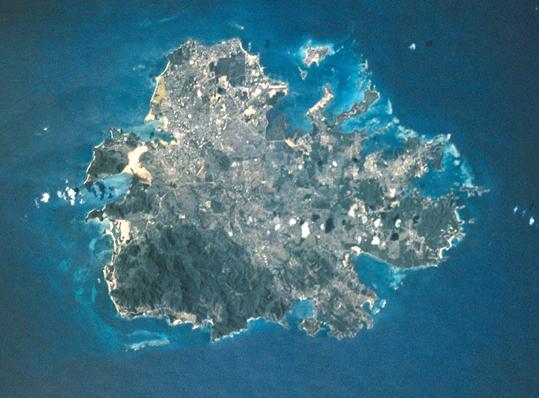
The 365 beaches claim — one for every day of the year — is marketing, not geography. Antigua has perhaps 70–80 proper beaches and a few hundred coves. But the underlying point stands: the island's jagged coral coastline, carved by centuries of sea action into a nearly unbroken series of bays and inlets, means beach variety is genuinely exceptional for an island this size. Half Moon Bay on the Atlantic side, Dickenson Bay in the north, Jolly Beach on the west, and a dozen unnamed coves you'll only find by driving an unpaved track — each feels different from the last.
English Harbour and Nelson's Dockyard on the south coast is the island's most historically significant site: an 18th-century British Royal Navy base that serviced ships during the colonial wars and still functions as an active marina. The stone buildings, capstans, and boat houses are intact and operating. Horatio Nelson, then a 26-year-old captain, was stationed here from 1784–87 — the name persists. Antigua Sailing Week in late April draws the Caribbean's largest annual sailing regatta, with dozens of boats in the harbour and races visible from the hillside.
The island is not built for budget travel. Hotels are expensive relative to what they deliver — a basic room on Dickenson Bay costs more than comparable quality in St. Lucia or Barbados. The restaurant scene is thin outside the top end; many mid-range places are disappointing. The island's local food culture (pepperpot, ducana, chop-up) is excellent but requires some hunting past the tourist-menu defaults. Rum punch is strong and plentiful almost everywhere, which helps.
Barbuda — the second island of Antigua and Barbuda — deserves mention because it's routinely overlooked. A 20-minute charter flight or 90-minute ferry from Antigua, Barbuda is flat, underpopulated (about 2,000 people), and home to a continuous beach of pink sand running for 17 miles along its western coast. After Hurricane Irma devastated the island in September 2017, it has slowly rebuilt. The Barbuda Belle and other small lodges have reopened. For travelers who genuinely want remote and unhurried, Barbuda is a rare thing.
The practical bits.
- Best time
-
December – AprilAntigua sits in the Eastern Caribbean hurricane zone at 17°N. The dry season (Dec–Apr) is consistently sunny, 26–29°C, and calm. May is a reasonable shoulder. June–November is hurricane season with real risk, particularly July–October. Hurricane Irma in 2017 demonstrated Antigua's vulnerability — it passed nearby and caused significant damage; Barbuda took a direct hit.
- How long
-
7 nights recommended5 nights covers the main beaches and English Harbour. 7 allows Barbuda if desired, a sailing day, and a proper circuit of the island. 10+ is for villa renters and serious sailors who use Antigua as a base.
- Budget
-
$265 / day typicalBudget is constrained by expensive hotel rates relative to quality. The island's top end (Jumby Bay, Curtain Bluff, Hermitage Bay) is legitimately world-class. Mid-range covers a Dickenson Bay hotel and restaurant meals. Local roti shops and market stalls give budget relief.
- Getting around
-
Rental car essentialDriving is on the left. Rental cars run $50–80/day. A car is essential for beach exploration — the best coves are only accessible by car or by boat. St. John's is walkable for market visits. Taxis from the airport are available and expensive; negotiate the fare before entering.
- Currency
-
Eastern Caribbean dollar (XCD) · 2.7 XCD = 1 USD · USD accepted at most tourist businessesCards at hotels and restaurants. Cash for markets, roti shops, and some beach bars. ATMs in St. John's.
- Language
- English (official). Antiguan creole spoken informally.
- Visa
- Visa-free for U.S., Canadian, UK, EU, and most Western passports up to 6 months. Passport valid for full stay required.
- Safety
- Safe in resort areas. St. John's requires standard urban caution; petty theft exists around the market and Heritage Quay. Remote beaches are safe but go with someone if snorkeling alone.
- Plug
- Type A / B · 230V — American devices need a voltage adapter for safety; British plugs also in use at some hotels.
- Timezone
- AST · UTC-4 year-round
A few specific picks.
Hand-picked, not algorithmic. Each of these has earned its space.
A UNESCO World Heritage Site and active marina set in an 18th-century British naval yard. The intact stone buildings — boat houses, capstans, officer's quarters — are in remarkable condition. A proper museum explains the colonial and sailing history. The surrounding hillside views over the harbor are worth the climb.
Widely regarded as Antigua's most beautiful beach — a horseshoe of white sand meeting the Atlantic with more swell than the Caribbean side. No permanent vendors or resort infrastructure. The trade-off of a rough track to reach it is that it stays uncrowded.
An old British signal station converted to a bar and barbecue venue atop the hill above English Harbour. The Sunday evening rum and steel band party (4–10 PM) is one of Antigua's most reliable good times, with sunset over the harbor and the hills beyond Guadeloupe on clear days.
The island's most developed beach — calm, north-facing Caribbean water, a string of resorts, beach bars, and water-sports operators. Not the most undiscovered beach on the island, but the logistics are easy and the water is reliably calm.
A 17-mile continuous beach with a pale pink tint from crushed coral, essentially deserted except for the small number of Barbuda Belle lodge guests. A 90-minute ferry or 20-minute charter flight from Antigua. One of the most remote and uncrowded beaches in the Caribbean.
The main road through Antigua's lush interior rainforest, lined with banana, mango, papaya, and breadfruit trees. It's the island's greenest corridor, with local produce stands, rum shacks, and a studio selling work from local artists. Connects the west coast to the south.
A natural limestone arch at the island's eastern point, carved by Atlantic wave action. The blowholes around it are spectacular in swell — water shoots up through crevices in the ironshore. A sobering history too: it was a site of enslaved peoples' resistance.
An all-inclusive adults-only resort with genuinely beautiful beach frontage on a separated bay, with a lagoon behind. Often cited as Antigua's most romantic all-inclusive property — smaller in scale and quieter than the Sandals operation.
A 300-acre private island off Antigua's north coast with a luxury resort and no day visitors. Resident sea turtle nesting program. One of the Caribbean's most complete private-island resort experiences, with rates to match.
The capital's fresh produce and local goods market, particularly alive on Saturday morning. Ducana (sweet potato and coconut dumplings), pepperpot, local spices, and genuinely cheap fruit. The best place to buy provisions if you're villa-renting.
Pick a neighborhood, not a hotel.
St. John's is a city of neighborhoods. The one you stay in shapes the trip more than the property does.
Different trips for different travelers.
Same city, very different stays. Pick the lens that matches your trip.
St. John's for sailors and sailing enthusiasts
English Harbour is arguably the most significant active sailing destination in the Caribbean. Nelson's Dockyard is the base; Antigua Sailing Week in late April is the event. Charter yachts operate from the harbour; bare-boating south through the Leeward Islands is a natural extension.
St. John's for beach seekers with adventurous taste
The island's varied coastline rewards exploration. Half Moon Bay, Rendezvous Bay (boat access), and the coves around the east coast are genuinely different from the resort-beach standard. Budget for a rental car or boat time.
St. John's for honeymooners
Hermitage Bay on the northwest coast is a small, genuinely luxurious adults-only resort in a secluded bay. Jumby Bay on the private island off the north coast is the most exclusive. English Harbour's intimate restaurants and sailing backdrop make the south coast a natural honeymoon anchor.
St. John's for history and heritage travelers
Nelson's Dockyard, Shirley Heights military fortifications, Betty's Hope plantation ruins, and the Antigua Museum in St. John's give the island a historical depth that goes beyond the beach. The colonial naval history is particularly well-preserved and presented.
St. John's for birders and nature travelers
The Barbuda frigatebird sanctuary (Western Hemisphere's largest colony) is the headline. Great Bird Island off Antigua's northeast coast is a red-billed tropicbird nesting site. The interior Fig Tree Drive has Antillean crested hummingbirds and other Caribbean forest species.
St. John's for villa renters and repeat travelers
Antigua has a well-developed private villa market — many of the most interesting properties are in English Harbour or on private headlands overlooking named bays. Repeat visitors often graduate from hotels to villas after one trip. Websites like Luxury Retreats and VRBO list verified properties.
When to go to St. John's.
A quick year at a glance. Great, good, or skip — see what each month is doing before you book.
Peak season and best weather. Prices high, beaches busy. The Caribbean's most reliable January.
Peak season continues. Still excellent. Advance booking essential for English Harbour properties.
Spring break visitors arrive mid-month. Still peak pricing but weather is superb.
Antigua Sailing Week runs late April — one of the Caribbean's premier sailing events. Book far ahead for this week.
Good shoulder month. Prices drop after the Easter peak. Weather still mostly excellent, humidity rising.
Hurricane season begins June 1. Antigua's risk is real at 17°N latitude. Showers more frequent but still many fine days.
Carnival in Antigua runs last Tuesday and Wednesday of July — a major local festival. Storm risk rising.
Highest tropical weather exposure. Hurricane Irma (2017) devastated nearby Barbuda in August. Not recommended for non-festival travel.
Peak of hurricane season. Some years pass without incident; others don't. Cheap rates but genuine weather risk. Avoid.
Storm risk declining but still elevated. Conditions often good in the second half of October. Cheapest rates of the year.
Hurricane season winds down by November 30. Conditions usually good by mid-November. Good value month.
Peak season restarts mid-December. Christmas and New Year week is fully booked and priced at maximum. Excellent weather.
Day trips from St. John's.
When you want a change of pace. Each one's a half-day or full-day out, easy from St. John's.
Barbuda Day Trip
20 min charter flight or 90 min ferryThe ferry (Barbuda Express) runs most days from St. John's. A charter flight from the airport is faster and worth the premium for a day trip. The bird sanctuary viewing by flat-bottom boat is the main cultural experience; the beach alone is reason enough.
Half Moon Bay
30 min drive eastTake a 4WD or accept the rough track by standard car. Bring everything you need — no vendors, no facilities, no shade beyond the shoreline sea-grape trees. The Atlantic-facing swell is moderate and generally swimmable.
Island Circuit by Rental Car
Full dayA single clockwise circuit covers Devil's Bridge, Half Moon Bay, Shirley Heights overlook, English Harbour, Fig Tree Drive, and the west coast. Stops at Pigeon Point and Turner's Beach for swimming. Organize a picnic from the St. John's market the morning before.
Day Sailing Charter
English Harbour departureSail with Wadadli Cats or Eli's Adventure around the south coast coves — including Rendezvous Bay (only accessible by boat) and the snorkeling at Great Bird Island off the northeast coast. Half and full day charters from $100 per person upward.
Shirley Heights Sunday Sunset Party
10 min from English HarbourArrive by 4:30 PM for the best position. The steel band plays until 7 PM, then a reggae band takes over. Rum punch, grilled food, and the most reliable social atmosphere on the island.
Antigua Rainforest Canopy Tour
Fig Tree Drive (interior)The island's adventure activity for families and groups — a zip-line circuit through the Fig Tree Drive forest. The 'rainforest' is secondary tropical growth rather than primary jungle, but the experience is legitimate and the interior scenery is greener than the resort coast suggests.
St. John's vs elsewhere.
Quick honest reads on the cities people compare St. John's to.
Barbados has more local culture, better food, and a richer daily life outside the resort. Antigua has more beach variety and better sailing heritage. Both are English-speaking Eastern Caribbean islands; Barbados delivers more value for the money.
Pick St. John's if: Beach variety, sailing history, and a quieter pace matter more to you than food and nightlife quality.
St. Lucia is dramatically more scenic with the Pitons, lush interior, and hillside luxury resorts. Antigua is flatter, easier to navigate, and has more beach options. St. Lucia is the honeymoon favorite; Antigua suits sailors and beach explorers better.
Pick St. John's if: You want beach diversity, sailing culture, and accessible logistics over volcanic drama.
St. Kitts is more compact, quieter, with a dormant volcano and a famous railway circuit. Antigua has better beaches, better sailing infrastructure, and Nelson's Dockyard. Both are relatively affordable Eastern Caribbean options.
Pick St. John's if: You want the larger, more beach-diverse island with established sailing culture.
Turks and Caicos (Grace Bay) has arguably the Caribbean's best single beach and clearer water. Antigua has more beach variety and far more historical and sailing interest. Turks and Caicos is more expensive and less culturally interesting.
Pick St. John's if: You want variety over perfection — many good beaches over one extraordinary one.
Itineraries you can start from.
Rough shapes for a trip here — a feel for the pace and cost. Find the one that fits you.
Dickenson Bay or English Harbour base. Nelson's Dockyard half-day. Half Moon Bay. Shirley Heights Sunday party. Fig Tree Drive. One beach discovery day by rental car.
Split 5 nights south (English Harbour area) + 3 nights north (Dickenson Bay). Day trip to Barbuda by ferry. Sailing day in the harbour. Full east coast circuit by car.
Time the trip around Antigua Sailing Week (late April). Watch races from Shirley Heights. English Harbour base. Post-race social scene in the dockyard. Two beach days as counterweight.
Things people ask about St. John's.
Does Antigua get hurricanes?
Yes. Antigua sits at 17°N in the Eastern Caribbean and is within the Atlantic hurricane track. The island has seen hurricane impacts — most recently in 2017 when Hurricane Irma passed close and caused significant damage, devastating nearby Barbuda. The June–November window carries real storm risk. December through April is the reliable dry season.
Is the '365 beaches' claim true?
It's tourism marketing. Antigua has a genuinely varied, indented coastline with excellent beach diversity — perhaps 70–80 proper beaches and many more coves — but 365 is a rounded number. The underlying point is valid: Antigua has more beach variety than most comparably sized islands. A week of dedicated beach exploration will still find you somewhere new each day.
When is the best time to visit Antigua?
December through April is the dry season — consistently sunny, low humidity, 26–29°C, with calm Caribbean water on the west and north coasts. May is usable shoulder. June through November is hurricane season with real risk and more rain. Antigua Sailing Week (late April) is the island's major annual event and a specific reason to time a trip.
What is Nelson's Dockyard and why is it significant?
Nelson's Dockyard in English Harbour is one of the Caribbean's most significant and best-preserved historic sites — an 18th-century British Royal Navy careening yard where ships were serviced during the colonial wars. Horatio Nelson was stationed here as a young captain from 1784–87 and reportedly hated it. The stone buildings are intact and operational as an active marina and national park. UNESCO-listed since 2016.
What is Antigua Sailing Week?
One of the Caribbean's premier sailing events, held in late April each year, centered on English Harbour. Hundreds of yachts compete in races around the island over 5–6 days, with the racing viewable from Shirley Heights and the shoreline. The dockyard fills with participants and spectators; the nightly shore parties are part of the culture. If sailing interests you at all, this timing justifies the visit.
What is Barbuda and should I visit?
Barbuda is Antigua's smaller sister island — flat, coral, home to about 2,000 people, and dominated by a near-deserted 17-mile pink sand beach on its western shore. After Hurricane Irma devastated it in 2017, tourism rebuilt slowly. A day trip (ferry) or overnight (Barbuda Belle lodge) is genuinely worthwhile if you want a remote Caribbean beach experience. The frigatebird sanctuary in the lagoon has the largest colony of magnificent frigatebirds in the Western Hemisphere.
Is Antigua good for families?
Reasonably so. Dickenson Bay and Jolly Beach have calm water suitable for children. Nelson's Dockyard interests older kids and teens. The Antigua Rainforest Canopy Tour in Fig Tree Drive is accessible for children over 8. The main family consideration is cost — Antigua's hotels are expensive relative to what they deliver, and all-inclusive pricing adds up quickly for a family of four.
What is the Shirley Heights Sunday party?
A weekly barbecue and live music event at the old British signal station on the hill above English Harbour, running every Sunday from around 4 PM to 10 PM. Steel band followed by reggae. Rum punch, grilled chicken, and the best harbor view on the island. One of Antigua's most reliable and inclusive local experiences — tourists and locals share the same hillside.
Do I need a rental car in Antigua?
Yes, if you want to see the island properly. Antigua's best beaches — Half Moon Bay, Rendezvous Bay, Turner's Beach — require a car to reach. The island is small enough that a full circuit takes under two hours. Rental cars run $50–80/day; road condition varies. Driving is on the left. St. John's and the resort beaches are accessible by taxi, but island exploration isn't.
What local food should I eat in Antigua?
Ducana (steamed sweet potato and coconut dumplings) and saltfish is the national dish combination. Pepperpot is a traditional stew varying by household. Chop-up (boiled dasheen, breadfruit, and okra, mashed together) is a local staple. The St. John's public market has fresh fruit and local produce. Most tourist restaurants serve international menus; finding genuine Antiguan cooking takes a bit of effort but rewards it.
What is the best beach in Antigua?
Half Moon Bay on the Atlantic east coast is widely considered the island's most beautiful — a horseshoe of white sand with more surf than the Caribbean side, reached via a rough track. For convenience, Dickenson Bay in the north has calm water and easy access. Rendezvous Bay is another standout. Pigeon Point Beach near Falmouth Harbour is good for snorkeling. The island's beach variety is the actual point.
How does Antigua compare with other Eastern Caribbean islands?
Antigua is less dramatic visually than St. Lucia (no Pitons) but easier logistically and more beach-diverse. It's less culturally rich than Barbados but has the most significant sailing heritage in the Caribbean. It's comparable in price to Barbados with less food and restaurant quality to justify it. The island rewards travelers who love sailing, beach discovery, and historic harbors over those who want lush nature or sophisticated food scenes.
Is Antigua good for snorkeling and diving?
Solid rather than exceptional. Cades Reef on the southwest coast is the island's best dive site — a 3km-long fringing reef now protected as a marine park with good coral and fish life. Pigeon Point beach near English Harbour has good snorkeling from the shore. The water clarity varies by location and season. For the Eastern Caribbean's best diving, Curaçao or the Cayman Islands offer a higher ceiling.
What's the difference between Antigua and Barbuda?
Antigua is the main island — volcanic-origin, hilly, with the airport, capital, resorts, and Nelson's Dockyard. Barbuda is the smaller, flatter sister island — 20 minutes by charter flight or 90 minutes by ferry, mostly undeveloped, with a 17-mile pink sand beach and the frigatebird sanctuary. They form a single nation (Antigua and Barbuda) but feel entirely different in character.
Is there duty-free shopping in Antigua?
Heritage Quay in St. John's is the main duty-free shopping district, built largely for cruise ship passengers. Jewelry, liquor, and apparel at duty-free prices. Quality varies; the cruise-tourist pricing model applies. The adjacent Redcliffe Quay has more interesting boutiques and craft shops in a colonial-building setting.
How far is Antigua from other islands?
LIAT and Caribbean Airlines connect Antigua to Barbados (55 min), St. Lucia (40 min), St. Kitts (25 min), and other Eastern Caribbean islands. The island is a regional hub of sorts. A Barbados island-hop or a St. Lucia add-on is logistically easy from Antigua if you're combining Eastern Caribbean islands in one trip.
What is the frigatebird sanctuary in Barbuda?
The Codrington Lagoon on Barbuda's western coast hosts the Western Hemisphere's largest colony of magnificent frigatebirds — up to 5,000 birds nest here between September and February. The males inflate their red throat pouches during mating season. Accessed by boat from the lagoon village. The shallow lagoon and mangrove setting make the approach by local fishing boat a remarkable wildlife experience.
Is Antigua expensive?
Yes, and sometimes frustratingly so relative to quality. Hotel rates on Dickenson Bay frequently exceed $300–400/night for rooms that would cost $150–200 in equally beautiful settings elsewhere in the Caribbean. The top end (Jumby Bay, Curtain Bluff, Hermitage Bay) is legitimately excellent and earns its price. Budget travelers can manage with roti shops and guesthouses, but the island isn't optimized for the lower end.
Know someone headed to St. John's?
Send them this guide — real neighborhoods, timing, and prices, with nothing to sign up for.
Copies the link — nothing to install