Accra
Send it to whoever you'd travel with
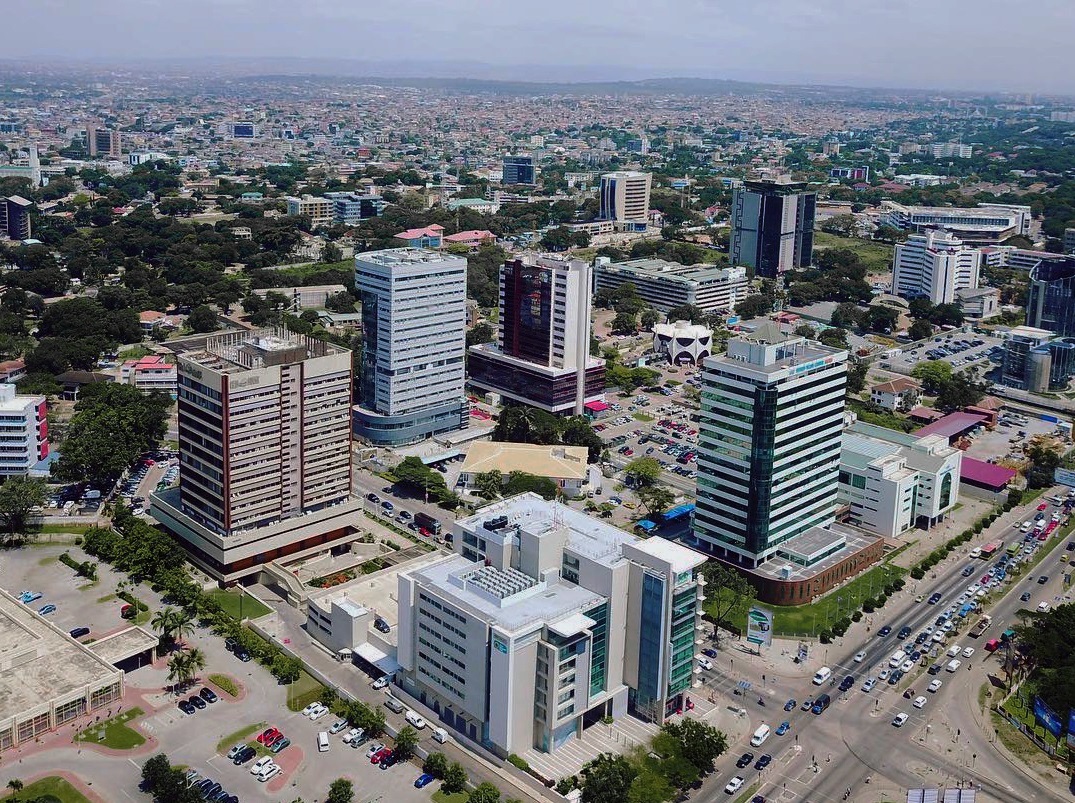
Accra is West Africa's most accessible capital — a city of enormous energy, a difficult history faced with unusual directness, and a creative scene in fashion, music, and food that has made it a genuine destination rather than merely a gateway.
Ghana's capital has something that most African capitals lack: a settled confidence. The country's political stability, its genuine democracy, and its reputation for welcoming the diaspora (the 'Year of Return' initiative in 2019 brought tens of thousands of Black Americans and Caribbean visitors home for the first time in generations) give Accra an energy that is not performing for anyone. The city is loud, warm, traffic-heavy, and perpetually building — and it is one of the most rewarding cities in Africa to spend time in.
The history is not a comfortable one. Ghana's coast was the epicenter of the transatlantic slave trade for over three centuries. The forts and castles along the Cape Coast — Elmina Castle (built 1482), Cape Coast Castle (17th century), and others — held enslaved Africans in dungeons below the level of the sea before the Middle Passage. These sites are now preserved and accessible, and the experience of standing in those dungeons and then above the 'Door of No Return' looking out at the Atlantic is something that stays with visitors for a very long time. Ghana has made a deliberate choice to preserve and interpret this history rather than erase it.
In Accra proper, the history is present but layered. Jamestown, the old colonial district at the seafront, has a Victorian lighthouse, a traditional fishing harbor still operating with wooden boats, and a boxing gymnasium that has trained multiple world champions from the same rough neighborhood for decades. The National Museum and the W.E.B. Du Bois Center tell the story of Pan-Africanism from a perspective you cannot get anywhere else. Makola Market in the commercial center is the city's primary trading hub — dense, overwhelming, and fascinating if you are willing to lose yourself in it.
The newer Accra — Osu, Labone, East Legon — has a restaurant and nightlife scene that has attracted attention well beyond West Africa. Ghanaian jollof rice has a legitimate claim to being the best in the jollof wars (this will not be universally agreed upon). The live-music and Afrobeats scene is genuine. The fashion coming out of Accra's design studios, particularly in kente cloth and contemporary Ghanaian textiles, is world-class. The city has grown into itself.
The practical bits.
- Best time
-
November – MarchThe dry season (November–March) brings clearer skies, lower humidity, and the Harmattan wind from the Sahara that deposits dust but also moderates the heat. April through June and September through October are the wetter months; the main rainy season peaks in June–July. Temperatures are relatively consistent year-round at 25–32°C.
- How long
-
4 nights recommendedThree nights covers the main Accra sites. Four to five allows a full-day or overnight trip to Cape Coast. Six or more nights if combining with Kumasi (Ashanti cultural capital) or the Volta Region.
- Budget
-
$120 / day typicalAccra is more expensive than many travelers expect for West Africa. Budget accommodation in the $30–50 range exists but is limited. The mid-range ($80–180/night hotel) is the most comfortable entry point. Food and transport are cheaper than Western equivalents.
- Getting around
-
Uber / Bolt + taxisUber and Bolt operate in Accra and are the most reliable way to get around — metered, no negotiation, and drivers are generally good. Regular taxis are plentiful but require negotiating the price before entering. Tro-tro (shared minibus) is the cheapest option but requires local knowledge. Traffic in Accra is severe — build extra time into any journey.
- Currency
-
Ghanaian Cedi (GHS) · cards increasingly acceptedCards accepted at mid-range and upscale hotels, larger restaurants, and the airport. Mobile money (MTN MoMo) is the dominant payment system for everyday transactions. ATMs in Accra work with foreign Visa and Mastercard but can be unreliable — draw from airport or major bank ATMs in Osu or Cantonments.
- Language
- English is the official language and is widely spoken across all contexts. Akan/Twi is the majority local language spoken natively by about half the population. Over 80 languages are spoken across Ghana; English is the common thread.
- Visa
- Most Western passport holders require a visa to enter Ghana. E-visa available online ($50–100 depending on nationality and type). Apply at least 2 weeks before travel. US citizens can apply for a 30- or 60-day visa. UK and EU citizens similarly require advance visas. Check Ghana Immigration Service website for current requirements.
- Safety
- Accra is generally safe for tourists by West African standards, and Ghana is one of the continent's more stable democracies. Petty theft (pickpocketing in crowded markets, theft from vehicles) is the main concern. The main tourist areas of Osu, Labone, and the beaches are well-patrolled. Solo female travelers report lower harassment than in parts of North Africa, though normal awareness applies. Avoid flashing expensive items in busy markets.
- Plug
- Type G (UK-style 3-pin) · 230V — same as the UK
- Timezone
- GMT · UTC+0 (Ghana does not observe daylight saving)
A few specific picks.
Hand-picked, not algorithmic. Each of these has earned its space.
The most significant site in the broader Cape Coast–Elmina heritage complex. The castle held enslaved Africans in dungeons literally below sea level before they were loaded through the 'Door of No Return' onto slave ships. The guided tour is emotionally demanding and historically essential. Dress appropriately for the solemnity of the experience.
The old colonial district at Accra's seafront — a Victorian lighthouse, the Usher Fort, a still-active fishing harbor with colorful wooden boats, and the Bukom boxing district that has trained multiple world champions. Walk with a guide from the community; revenue stays local.
Accra's primary commercial market — dense, noisy, and genuinely overwhelming. Everything from bolts of kente cloth to second-hand electronics to fresh produce and hardware. No tourist infrastructure; this is where Accra shops. Best experienced with a Ghanaian companion or a trusted local guide.
Kente is the Ashanti and Ewe woven cloth tradition — complex geometric patterns in silk and cotton, traditionally worn on important occasions. The best kente comes from the Ashanti region (Kumasi) and from the Volta Region. In Accra, the National Cultural Centre and the Osu Oxford Street area have good quality shops. Avoid the airport for kente prices.
The home and memorial of the great Pan-Africanist scholar and civil rights activist, who chose Ghana as his final home and was buried here at Kwame Nkrumah's invitation in 1963. The centre houses Du Bois's library, personal effects, and an interpretive exhibition on his life and work. Essential for anyone interested in African-American and Pan-African history.
The mausoleum and memorial park dedicated to Ghana's first president and the father of African independence. A landscaped garden with the mausoleum containing Nkrumah and his wife Fathia, and a museum of his life and legacy. Symbolically important for understanding modern Ghana and postcolonial African history.
A mid-size museum with collections of Ghanaian cultural artifacts — Ashanti gold weights, kente cloth examples, traditional musical instruments, colonial-era artifacts, and archaeological material. Small but the best single overview of Ghanaian cultural heritage in one building.
Accra's main public beach — busy, music-playing, food-selling, and genuinely Ghanaian in atmosphere on weekends. The beach itself is a narrow strip; the experience is the Accra life unfolding around it rather than the sand. Best on a Saturday afternoon when the full social atmosphere is present.
Accra's most tourist-accessible neighborhood — a strip of restaurants, bars, craft shops, and cafés running along Oxford Street. Good for an evening out, kente cloth shopping, and Ghanaian food. Busier and more international than the rest of the city but genuinely part of Accra life.
Accra has a live music scene built around Afrobeats, highlife (Ghana's own jazz-influenced popular music), and percussion traditions. Local venues in East Legon and the Osu area host live performances most weekends. Check Republic Bar and Grill, +233 Jazz Bar, and Firefly Bar for current programming.
Pick a neighborhood, not a hotel.
Accra is a city of neighborhoods. The one you stay in shapes the trip more than the property does.
Different trips for different travelers.
Same city, very different stays. Pick the lens that matches your trip.
Accra for african diaspora travelers
Ghana made an explicit invitation to the diaspora through the Year of Return in 2019 and has sustained the welcome. The Cape Coast Castle, the W.E.B. Du Bois Centre, and the broader Ashanti heritage provide a specific context for African-Americans, Caribbeans, and British-Caribbean travelers engaging with their ancestral connections.
Accra for history and heritage travelers
The transatlantic slave trade heritage at Cape Coast and Elmina is among the most historically significant sites in the world. Combined with Kwame Nkrumah's independence legacy, the W.E.B. Du Bois Centre, and the Ashanti Kingdom's history in Kumasi, Ghana provides more history per day than most African countries.
Accra for first-time africa travelers
Ghana is consistently recommended as the best first sub-Saharan Africa destination — politically stable, English-speaking, genuinely welcoming, and with strong tourist infrastructure by regional standards. The Cape Coast experience gives the visit moral weight beyond sightseeing.
Accra for foodies
West African food is deeply underknown internationally and Ghana's version is excellent. The chop bar culture, the grilled tilapia at roadside spots, the kelewele (spiced fried plantain) street stalls, and Accra's expanding restaurant scene in Osu and Labone are all worth exploring seriously.
Accra for music and culture travelers
Highlife (Ghana's jazz-influenced popular music tradition) and Afrobeats are both accessible live in Accra. The fashion and design coming from Accra's studios — particularly in kente and contemporary Ghanaian textile work — is a genuine creative scene, not a tourist product.
Accra for budget travelers
Ghana is not cheap by regional standards, but budget travel is possible with chop bar eating, tro-tro transport, and guesthouse accommodation. The main sites (Kwame Nkrumah Park, National Museum) have minimal entry fees. Cape Coast Castle charges a meaningful admission but justifies it.
Accra for couples
A Cape Coast overnight with sunset and dawn at the castle, a Saturday evening at Labadi Beach, and dinner in Labone can make Accra surprisingly romantic. The city's energy is not the obvious romantic setting but couples who engage with it find something memorable.
When to go to Accra.
A quick year at a glance. Great, good, or skip — see what each month is doing before you book.
Harmattan wind brings dust from the Sahara — hazy skies but cooler and low humidity.
Good dry-season conditions. Harmattan gradually weakening.
Getting humid as the rains approach. Still manageable.
First rainy season beginning. Short afternoon showers, high humidity.
First rainy season peak. Regular afternoon downpours. Still functional for travel.
Peak first rainy season. Flooding possible. Lowest temperatures of the year.
A brief drier period between the two rainy seasons. Cooler but humid.
Between rainy seasons. Mild temperatures. Cloud cover common.
Second rainy season arrives. Similar to April–May in character.
Second rainy season ending in October. Last rains typically finish mid-month.
Excellent month. Dry season establishes, humidity drops, clear skies return.
Good visiting conditions. Year-end events (Accra has active festive season). Some price rises at hotels.
Day trips from Accra.
When you want a change of pace. Each one's a half-day or full-day out, easy from Accra.
Cape Coast Castle and Elmina
3 hThe essential day trip from Accra. Cape Coast Castle and nearby Elmina Castle (built 1482) together form the most significant slave trade heritage site in West Africa. Best as an overnight to see the castle outside midday crowds.
Kokrobite Beach
45 minA beach village 30 km west of Accra popular with Accra's music and arts community. African Reggae and highlife music at beachside bars on Saturday evenings. Surfing and drumming lessons available.
Aburi Botanical Garden
1 hThe oldest botanical garden in Ghana, established by the British in 1890 at 400m elevation — noticeably cooler and greener than the coastal city. A good half-day escape from Accra's noise and heat.
Kumasi
3.5 hGhana's second city and the Ashanti Kingdom's capital. The Manhyia Palace Museum, Kejetia Market (one of the largest markets in West Africa), and the Bonwire kente weaving village make Kumasi the essential inland destination. Requires 2–3 nights.
Volta Region and Wli Waterfalls
2.5 hThe Volta Region's green hills and Wli Waterfalls (Ghana's tallest, at 80m) are a 2.5-hour drive east of Accra. The Ewe weavers of this region produce distinct kente cloth. Best as a 2-night trip.
Akosombo Dam and Lake Volta
2 hThe Akosombo Dam created Lake Volta — the world's largest artificial reservoir by surface area. A day trip gives access to the viewpoint; the overnight Dodi Princess cruise is the most distinctive way to see the lake.
Accra vs elsewhere.
Quick honest reads on the cities people compare Accra to.
Lagos is West Africa's megacity — overwhelming, faster, richer in some cultural outputs, more chaotic and more difficult to navigate. Accra is smaller, calmer, more accessible for first-time visitors, and has a more direct engagement with its history. Ghana's political stability makes Accra a safer first choice.
Pick Accra if: You want a manageable West African capital with genuine depth rather than Nigeria's overwhelming intensity.
Nairobi is East Africa's gateway to wildlife — safari access from the city itself is unique. Accra has better direct historical heritage for the transatlantic slave trade story. Both are English-speaking, stable African capitals at comparable cost. Different itinerary purposes.
Pick Accra if: Your priority is West African history and culture rather than East African wildlife access.
Cape Town has spectacular scenery, better tourist infrastructure, and a more developed wine and restaurant scene. Accra has the living West African culture that Cape Town's Westernized profile does not. The slave trade history in Ghana is more directly comparable to South Africa's apartheid history in emotional weight.
Pick Accra if: You want the living West African experience rather than the Western-infrastructure African city.
Dakar (Senegal) has Gorée Island and its own slave trade heritage, plus a strong French-Senegalese culture and music scene. Accra has better English access and a more direct diaspora welcome. Both are important West African capitals with history-focused itineraries available.
Pick Accra if: You want an English-speaking West African capital with strong diaspora heritage and Pan-African legacy.
Itineraries you can start from.
Rough shapes for a trip here — a feel for the pace and cost. Find the one that fits you.
Jamestown walk with guide. Kwame Nkrumah Park and National Museum. Evening in Osu. W.E.B. Du Bois Centre. One live music evening. Makola Market on the last morning.
Three days in Accra for city coverage, then a full day at Cape Coast Castle and Elmina, ideally with an overnight at Cape Coast to see the castle at dusk and dawn.
Three nights Accra, one night Cape Coast, three nights Kumasi (Ashanti cultural capital, Kejetia Market, Manhyia Palace Museum, Ashanti craft villages). A complete southern Ghana circuit.
Things people ask about Accra.
Is Accra worth visiting as a tourist destination?
Yes — and it is one of the most rewarding capitals in West Africa. The slave trade history at Cape Coast Castle is a profound and important experience. The city itself has a creative energy in food, fashion, and music that has attracted genuine international attention. Ghana's political stability and English-speaking culture make it unusually accessible for first-time visitors to West Africa.
What is the slave trade history in Ghana and why is it significant?
Ghana's Cape Coast became the primary hub of the British transatlantic slave trade from the 17th century. Cape Coast Castle, Elmina Castle (built 1482 by the Portuguese), and over 30 other forts held enslaved Africans awaiting the Middle Passage. An estimated 12 million people were transported across the Atlantic as enslaved people; a large proportion passed through West African ports. Ghana has deliberately preserved this history — the sites are among the world's most important heritage destinations.
Do I need a visa to visit Ghana?
Yes — most Western passport holders require a visa. An e-visa is available online through the Ghana Immigration Service website ($50–100 depending on nationality). Apply at least 2–3 weeks before travel. A tourist visa for 30 or 60 days is the standard option. US and UK citizens can apply online; the process is straightforward. Bring a printed copy of the approval letter to show on arrival.
What is kente cloth and where do I buy the genuine article?
Kente is the hand-woven cloth tradition of the Ashanti and Ewe peoples, created on narrow strip looms and assembled into larger sheets of complex geometric patterns. Each pattern has specific cultural meaning. The best kente comes from Bonwire near Kumasi and from the Volta Region. In Accra, the National Cultural Centre has quality craft vendors. Avoid airport stalls for anything you want to wear seriously — the quality gap from workshop-produced kente is significant.
What is the food like in Accra?
Ghanaian food is West Africa's most internationally accessible — rich, warming, and built around starchy staples with complex protein stews. Jollof rice, fufu with light soup (pounded cassava in thin broth with chicken or goat), kelewele (spiced fried plantain), and grilled tilapia at a roadside spot are the standards. Osu has good restaurants; the Kaneshie and Jamestown areas are better for the real, cheap, working-Accra versions.
Is Accra safe?
Ghana is one of West Africa's safest and most stable countries, and Accra is safer than most African capitals. The main risks for tourists are petty theft in crowded markets and traffic accidents (Accra's driving is chaotic). The tourist areas of Osu, Labone, and the beaches are well-lit and policed. Jamestown benefits from going with a community guide, both for safety and for supporting local livelihoods. Use Uber or Bolt rather than flagging taxis to avoid fare disputes.
How do I get from Accra to Cape Coast Castle?
Cape Coast is about 150 km (3 hours) west of Accra by road. Options: hire a driver through your hotel for a full-day return trip ($80–130); take a shared tro-tro (very cheap but slow) from the Kaneshie bus station; or book an organized tour from Accra (several operators run regular day trips). The Cape Coast–Elmina circuit is best as an overnight stay — seeing Cape Coast Castle at sunset and dawn is a different experience from a day trip.
What is W.E.B. Du Bois Centre and why should I visit?
W.E.B. Du Bois was a founding father of Pan-Africanism, a civil rights scholar, and a co-founder of the NAACP. He chose to move to Ghana in 1961 at Kwame Nkrumah's invitation, became a Ghanaian citizen, and died in Accra in 1963 at age 95. The centre preserves his home, library, and personal effects, and provides interpretive context for the Pan-African movement that brought him and many others to Ghana.
What is Afrobeats and where can I hear it live in Accra?
Afrobeats blends West African pop, highlife, hip-hop, and dancehall — artists including Sarkodie (Ghana's most celebrated rapper) and Stonebwoy have deep roots in the Accra scene. Live music is most active Thursday–Saturday evenings. Republic Bar and Grill, +233 Jazz Bar, and Accra's beach clubs host regular live performances. Check current listings on social media as venues change.
What is Jamestown and should I visit with a guide?
Jamestown is Accra's oldest district — the site of colonial forts (Usher Fort and James Fort), a Victorian lighthouse still in operation, a fishing harbor with wooden boats, and the Bukom neighborhood that produced multiple world-champion boxers. Visiting with a community-based guide is strongly recommended, not for safety but because the neighborhood's stories require context that makes the visual environment meaningful.
Is Accra expensive for travelers?
More expensive than many visitors expect for West Africa. Accra's mid-range hotel market ($80–180/night) is well-developed; budget options ($30–50) are limited in quality. Food varies widely — a street-food lunch at a chop bar runs $2–4; a restaurant dinner in Osu costs $15–30. Transport by Uber is cheap. The main budget blocker is accommodation. Travelers from Europe or North America typically find Accra 30–50% cheaper than home but more expensive than Southeast Asian equivalents.
What is a 'chop bar' and where do I find good Ghanaian food?
A chop bar is a basic Ghanaian restaurant — typically a simple room or outdoor seating serving home-cooked Ghanaian staples at very low prices. They are the best place to eat jollof rice, fufu, kontomire stew, and kenkey in the city. You will find them throughout Accra's residential neighborhoods rather than in the tourist areas. Ask your hotel or guesthouse for the closest good one; locals eat at chop bars for lunch rather than restaurants.
What is the 'Year of Return' and how does it affect visiting Accra?
The Year of Return was a 2019 Ghanaian government initiative marking 400 years since the first enslaved Africans arrived in America, inviting the African diaspora to visit Ghana. The campaign brought tens of thousands of African-American and Caribbean visitors. The effect on Accra: increased diaspora-focused cultural tourism, improved heritage interpretation at Cape Coast and Elmina, and a more explicit welcome for people of African descent seeking ancestral connections.
What are the best day trips from Accra?
Cape Coast Castle and Elmina Castle (3 hours west, the essential heritage excursion), Aburi Botanical Garden (1 hour north in the Akuapem Hills, a cool botanical retreat from the coastal heat), Kokrobite Beach (45 min west, a surf beach and musicians' village with live music on weekends), and the Volta River at Akosombo (2 hours east, where the Akosombo Dam created Lake Volta, the world's largest artificial reservoir by surface area).
Is Ghana good for a first Africa trip?
Ghana is widely recommended as one of the best entry points to sub-Saharan Africa for first-time visitors. English is universal. The country is politically stable. The people are genuinely welcoming — the Ghanaian reputation for hospitality is earned. The infrastructure (roads, hotels, airports) is better than many West African neighbors. The Cape Coast slave trade history gives the trip a moral and historical weight that transforms it from tourism into something more significant.
What should I know about traffic in Accra?
Accra's traffic is severe and getting worse. Journey times that look short on a map can double or triple during rush hours (7–9 AM and 4–7 PM). Factor generously for any timed commitment. Uber and Bolt allow in-app traffic-aware routing and are better than standard taxis for navigating. Some locals move by okada (motorcycle taxi) during peak traffic — an option that is faster but riskier.
What should I bring to Ghana?
Yellow fever vaccination is required — bring the yellow card proof of vaccination on arrival. Malaria prophylaxis is strongly recommended; consult a travel medicine clinic 4–6 weeks before departure for current drug recommendations. Light, breathable clothing for the heat (25–32°C). Modest dress is appropriate for visiting communities, churches, and traditional chief's compounds outside Accra. A UK-style Type G plug adapter (same plug as Ghana). A copy of your e-visa approval letter printed or saved offline.
Know someone headed to Accra?
Send them this guide — real neighborhoods, timing, and prices, with nothing to sign up for.
Copies the link — nothing to install