Turku
Send it to whoever you'd travel with
Turku is Finland's oldest city and former capital — a medieval castle, a riverside market, the gateway to the world's largest archipelago, and a student city character that makes it the most livable and underrated urban destination in the country.
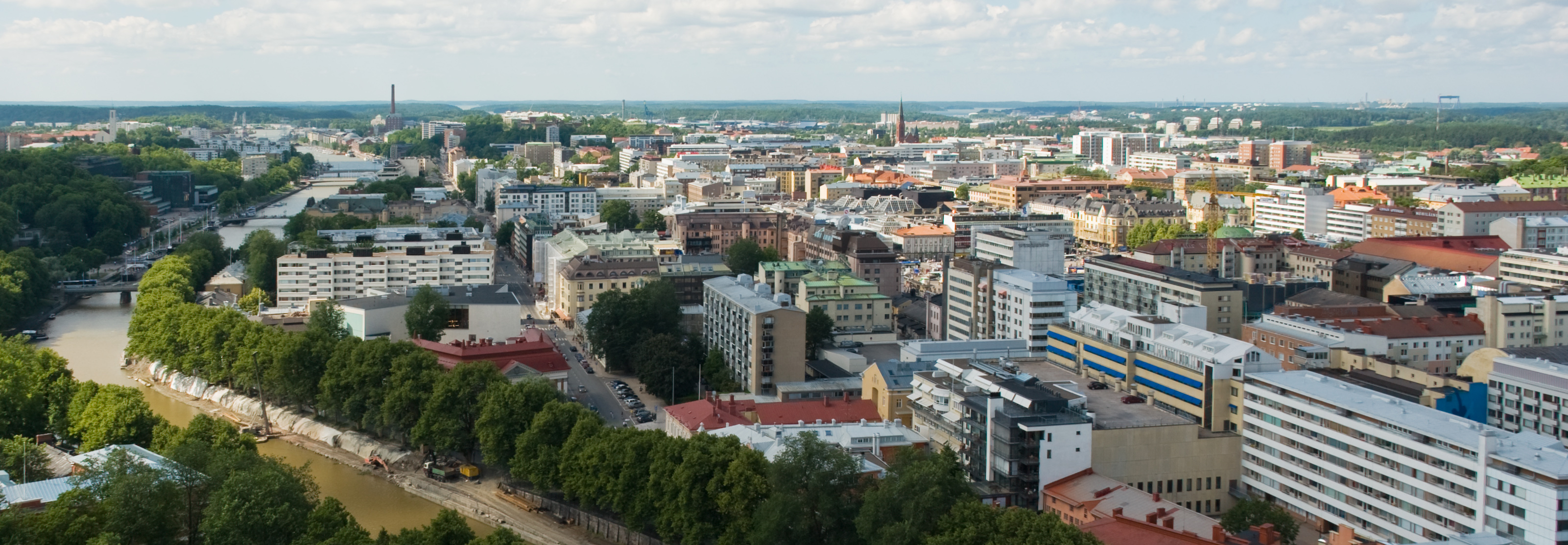
Turku (Åbo in Swedish — Finland is bilingual) was Finland's capital until 1812, and it has never entirely recovered from losing that status to Helsinki. The city is structured around the Aura River, which runs through its centre and along which every restaurant and café terrace worth visiting is oriented. Walking the Aura River embankment on a summer evening — the wooden market ships moored along the quay, the medieval castle at the river mouth, the bridges strung with lights — is the quintessential Turku experience.
Turku Castle dates to 1280 and is one of the largest medieval buildings in Scandinavia. Its dungeons, great halls, and internal museum walk through 700 years of Finnish history including the city's role as a Swedish administrative centre. The Turku Cathedral, on the hill above the river, is Finland's National Shrine — the most important medieval building in the country and still the scene of national ceremonies. Together, these two monuments bookend the river.
The archipelago is Turku's most underappreciated feature. The Turku Archipelago — over 20,000 islands — is the largest archipelago in the world by island count. The Archipelago Trail by ferry and bicycle runs west from Turku through the outer islands to Hanko, covering fishing villages, medieval stone churches, and landscapes that shift from forested inner islands to bare granite skerries in the outer sea. Even a half-day ferry to Naantali (also home to Moomin World, Finland's most popular family attraction) gives a taste of the island world directly accessible from the city.
Turku uses the Euro and is modestly priced by Finnish standards — significantly cheaper than Helsinki. The restaurant scene along the Aura River has matured into something genuinely worth eating around: Linnankatu and the river banks have inventive Finnish cooking using archipelago fish and forest ingredients. The Turku Market Hall (Kauppahalli) is among the best in Finland for cheesemakers, smoked fish, and local preserves.
The practical bits.
- Best time
-
June – August (river culture, archipelago) · December (Christmas market, cathedral)Summer is peak: restaurant terraces along the Aura, ferry connections to the archipelago, Moomin World, and the Ruisrock festival (Finland's oldest, held annually in July). December has a beautiful Christmas market beside the cathedral and the Finnish tradition of Christmas Declaration from Turku (the city has been named Finland's 'Christmas City').
- How long
-
2 nights recommendedOne day covers the castle, cathedral, and river embankment. Two days adds the archipelago (Naantali half-day) and the market hall. Three to four nights suits those cycling the Archipelago Trail or using Turku as the departure point for longer archipelago island-hopping.
- Budget
-
~$130 / day typicalFinland uses the Euro (€). Turku is cheaper than Helsinki: hostel beds €25–35, restaurant mains €15–25, café coffee €3–4. The Aura River restaurant ships are reasonably priced for the setting. Mid-range hotel rooms €80–150/night.
- Getting around
-
Walking city + local buses + ferry for archipelagoTurku's centre is compact and walkable. The castle is 2km from the market — a 25-minute walk along the river. City buses (Foli) cover wider Turku. City bikes available from Foli. Ferry to Naantali: 20 minutes from the harbour. Trains from Helsinki: 2h, several daily (Intercity trains), tickets from €20.
- Currency
-
Euro (€). Cards universally accepted. Finland is largely cashless.Contactless card payments standard. MobilePay and Pivo Finnish mobile payment apps used locally. Apple Pay works.
- Language
- Finnish and Swedish (official bilingual city). English very widely spoken, especially among younger residents and in tourist contexts.
- Visa
- Schengen zone. 90-day visa-free for US, UK, Canadian, and Australian passports. ETIAS required from late 2026.
- Safety
- Very safe. Finland has consistently low crime rates. Standard city awareness applies.
- Plug
- Type C / F · 230V
- Timezone
- EET · UTC+2 (EEST UTC+3 late March – late October)
A few specific picks.
Hand-picked, not algorithmic. Each of these has earned its space.
Built in 1280 at the river mouth — one of the largest medieval buildings in Scandinavia. The Great Hall, dungeons, and a thorough medieval museum take 2–3 hours. The exterior viewed from the river approach, with the castle reflected in the Aura, is the most photographed image in Turku.
The social spine of Turku — restaurant terraces, wooden market ships serving food and drinks from their decks, bridges, and a riverside café culture that is at its peak July–August. The promenade walk from the castle to the Market Square takes 20–25 minutes past everything worth seeing.
Finland's National Shrine — the most important medieval church in the country, founded in the 13th century. The tombs of historical Finnish figures, including Karin Månsdotter (Sweden's peasant queen), line the walls. Entry is free. The view from the hill over the river and market is excellent.
A classic Nordic market hall with excellent Finnish cheesemakers, smoked fish vendors, local berry preserves, and a dozen lunch counters. The Friday lunch rush is the best time to visit. One of Finland's finest indoor markets.
The ferry to Naantali (20 min) or the longer Archipelago Trail ferries running west through the outer islands. The short Naantali crossing gives an immediate sense of the granite-and-pine island world of the Finnish archipelago. The full Archipelago Trail is a 200km cycling and ferry route.
Naantali is a charming medieval town 15km west of Turku — its Moomin World theme park (on a small island, operating June–August) is Finland's most popular family attraction. The old wooden town of Naantali is worth visiting even without children.
An open-air museum of the only neighbourhood to survive the 1827 Great Fire of Turku — wooden workshops and houses from the early 19th century, with craftspeople demonstrating traditional trades. One of the best urban open-air museums in Scandinavia.
Ruissalo is a forested island west of the city centre, home to oak forests (rare in Finland), a botanical garden, villa culture, and the Ruisrock festival site. Accessible by city bus or summer ferry. The island swimming beaches are excellent in summer.
Pick a neighborhood, not a hotel.
Turku is a city of neighborhoods. The one you stay in shapes the trip more than the property does.
Different trips for different travelers.
Same city, very different stays. Pick the lens that matches your trip.
Turku for history and castle enthusiasts
Turku Castle and Cathedral represent the two poles of medieval Finnish history: military-administrative power and ecclesiastical authority. The castle museum is among Finland's most complete.
Turku for archipelago and nature lovers
The Turku Archipelago — 20,000+ islands — is directly accessible. A half-day ferry or a multi-day cycling route both begin at the city harbour.
Turku for families
Moomin World in Naantali (20 min ferry) is Finland's most beloved family attraction. Combined with the castle, the river walk, and boat trips, Turku is the most family-accessible Finnish city after Helsinki.
Turku for food travelers
The Aura River restaurant ships, the Kauppahalli market hall, and the growing number of archipelago-focused restaurants make Turku Finland's most rewarding food city outside Helsinki.
Turku for budget scandinavia travelers
Cheaper than Helsinki, with excellent hostel infrastructure, a free cathedral, free riverside walks, and a market hall where lunch under €12 is achievable. Good value for Finland.
When to go to Turku.
A quick year at a glance. Great, good, or skip — see what each month is doing before you book.
Quiet. Some snow. Castle and museums best use of time.
Low season. Good deals on accommodation. Sauna culture makes sense.
Days lengthening. Castle still in winter mode. First café terraces considering opening.
Spring arriving. River promenade walkable. Some terraces opening.
Excellent: castle and cathedral in spring light, terraces open, archipelago ferries beginning.
Full summer. Midsummer (Juhannus) celebration on Ruissalo Island — a major Finnish event.
Ruisrock festival (one of Finland's oldest). Moomin World peak. River terraces at full life.
Still excellent. Moomin World and ferries running. Shoulder of summer.
Good shoulder month. Archipelago still accessible. Fewer crowds. Excellent light.
Quieter. Castle and museum visits suit the weather. Archipelago ferry season ending.
Low season. Good accommodation prices. Sauna culture and market hall visits.
Christmas Declaration (Dec 24). Cathedral Christmas market. Finland's official Christmas City. Atmospheric.
Day trips from Turku.
When you want a change of pace. Each one's a half-day or full-day out, easy from Turku.
Naantali
20 min by ferryFinland's most charming small coastal town — a medieval wooden settlement with a harbour and the Moomin World island adjacent. Summer ferry from Turku harbour. 20-minute crossing. Stay half a day; the Naantali spa hotel is excellent for an overnight extension.
Rauma
1h 15m by busFinland's best-preserved old wooden town (UNESCO) — a maze of painted wooden houses in a tradition unlike anywhere else in Scandinavia. The bobbin lace tradition (Rauma lace) is still active. A satisfying full half-day.
Archipelago Trail
2–5 days cycling from TurkuThe 200km Archipelago Trail by bike and ferry is one of Scandinavia's most distinctive cycling routes. Pargas, Nagu, and Korpo are the main island stops; ferries run hourly in summer. Bike hire available in Turku.
Tampere
1h 30m by trainFinland's second city in character — a rapids-industrial city between two lakes, with the world's only Moomin Museum (different from Moomin World) and Finland's best sauna culture. Direct trains from Turku.
Turku vs elsewhere.
Quick honest reads on the cities people compare Turku to.
Helsinki is the capital — Design District, Senate Square, Suomenlinna fortress island, better international flight connections. Turku is older, smaller, cheaper, and has the archipelago on its doorstep. They serve different purposes; both belong in a Finland trip.
Pick Turku if: You want Finland's medieval roots and the archipelago world over the capital's design culture and political symbolism.
Tampere is Finland's inland industrial city — rapids, sauna culture, Moomin Museum, entre-two-lakes setting. Turku is coastal, medieval, and archipelago-oriented. Both are excellent second cities; they're on different train lines.
Pick Turku if: You want coastal and medieval over inland and sauna-industrial.
Tallinn is 2h 30m by ferry from Helsinki — a medieval Estonian capital with a more dramatic old town than Turku. Turku has the archipelago advantage; Tallinn has the more visually striking medieval core. Both are natural additions to a Finland trip.
Pick Turku if: You want Finland's own medieval city and archipelago over the more dramatically preserved medieval capital across the gulf.
Itineraries you can start from.
Rough shapes for a trip here — a feel for the pace and cost. Find the one that fits you.
Morning train from Helsinki (2h). Castle and medieval museum (2h). River embankment lunch on a market ship. Cathedral and Luostarinmäki Museum (afternoon). Market Hall for Finnish cheese and smoked fish. Evening train back to Helsinki.
Day one: Castle, Cathedral, river walk, evening on the Aura terraces. Day two: Naantali by ferry (morning), Moomin World or medieval town, afternoon return. Market Hall lunch.
Two nights Turku (castle, cathedral, market). Two nights island-hopping on the Archipelago Trail by bike and ferry (Pargas, Nagu, Korpo). Return to Turku for departure.
Things people ask about Turku.
Is Turku worth visiting?
Yes — it's Finland's most livable city and its most underrated. The medieval castle, the cathedral, the Aura River café culture, and the archipelago access make it a complete destination in 2–3 days. Helsinki gets all the attention; Turku gets all the texture.
How do I get from Helsinki to Turku?
InterCity trains from Helsinki Central take 2 hours and run several times daily. Tickets from €20. VR (Finnish Railways) trains are comfortable and punctual. By car via the E18 motorway: 1h 40m. There is also a daily ferry service from Helsinki to Turku (Tallink Silja Line, overnight or daytime options).
What is the Archipelago Trail?
A 200km cycling and ferry route running from Turku through the outer archipelago islands to Hanko, crossing several ferry connections. The trail passes fishing villages, medieval stone churches, and landscapes that shift from forested inner islands to bare granite skerries. It can be completed in 2–5 days depending on pace and island stops.
When is the best time to visit Turku?
June–August for the full river and archipelago experience — terraces open, ferries running, Ruisrock festival in July. December for the Christmas Declaration (Turku is Finland's official 'Christmas City') and the cathedral market. May is a beautiful shoulder month with longer days and fewer crowds.
What is Finland's Christmas City?
Since 1927, Turku has been declared Finland's official 'Christmas City' (Joulupukin kotikaupunki). Each year on December 24, the Declaration of Christmas Peace is read from the steps of the Old Great Square — a tradition dating to the Middle Ages. The city has excellent Christmas markets and cathedral services through December.
Is Moomin World worth visiting?
For families with children (2–10): strongly yes. Moomin World on Kailo Island near Naantali (20 min ferry from Turku) is Finland's most visited family attraction — the characters roam freely, the island setting is genuine, and the production quality is high. Open June–August; book tickets online well in advance in peak July.
What should I eat in Turku?
Finnish archipelago fish — smoked herring, pike-perch, vendace — from the Kauppahalli market or the Aura River restaurant ships. Karelian pasties (karjalanpiirakka) with egg butter from any bakery. The Friday fish soup tradition in Turku restaurants is a local institution. For the full experience: dinner on one of the market ships moored along the Aura.
How expensive is Turku?
Finland uses the Euro. Turku is 15–20% cheaper than Helsinki. Hostel beds €25–35. Restaurant mains €15–25. A café coffee €3–4. A beer in a bar €6–8. Mid-range hotel rooms €80–150/night. Budget travel is comfortably achievable; Turku is not cheap by global standards but reasonable by Scandinavian ones.
Know someone headed to Turku?
Send them this guide — real neighborhoods, timing, and prices, with nothing to sign up for.
Copies the link — nothing to install