Siargao
Send it to whoever you'd travel with
Siargao is a slow, palm-thick island in the south Philippines where world-class surfing at Cloud 9 meets uncrowded lagoons, sandbar islands, and a laid-back General Luna food strip.
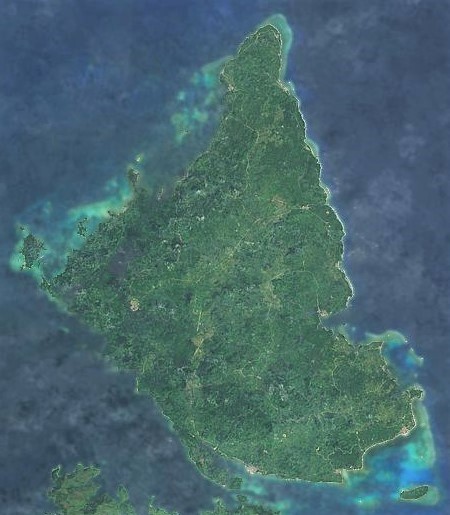
Siargao is a teardrop-shaped island in the deep south of the Philippines that the world found through one wave. Cloud 9, the right-hand reef break off Catangnan, put it on every surfer's map in the late 90s — but the island has quietly outgrown the surf-camp postcard. What's here now is a slow, palm-thick fishing island with a tight cluster of cafes, surf schools, and bamboo guesthouses in General Luna, surrounded by lagoons, mangrove channels, and uninhabited sandbar islands you reach by outrigger. The pace is slow on purpose. Typhoon Odette flattened the place in December 2021, and the rebuild was conscious — fewer concrete megaresorts, more wood-and-thatch builds run by people who actually live here.
Almost everyone bases themselves in General Luna — locals just call it GL — which sits at the island's southeast tip. The town is essentially one strip (Tourism Road) lined with surf shops, smoothie bowls, and motorbike rentals, with the famous Cloud 9 boardwalk a five-minute ride away. From there the island opens up: a single coastal loop road threads north through the Coconut Road palm tunnel toward Pacifico Beach, the island's second-best break, and inland toward Del Carmen's mangrove forest where Sugba Lagoon hides. Almost every day trip leaves by boat from the GL pier, and an evening drink ends up back on the same fifty meters of beach road.
The food scene punches above the island's size. Surfers from Australia, Italy, and Brazil have stayed and opened kitchens, so a normal day means a coconut-and-fruit bowl breakfast, kinilaw (Filipino ceviche) and grilled tuna for lunch from a beach shack, and wood-fired pizza or Levantine plates for dinner. The carinderias near the public market — turo-turo eateries where you point at what you want — still feed you for a couple of dollars. Drink-wise, it's beer-on-the-sand or coconut-rum cocktails at a handful of open-air bars; nightlife is sociable rather than rowdy and tends to wind down by midnight.
Two honest caveats. Getting here is work: there are no direct international flights, so you'll connect through Manila or Cebu to tiny Sayak Airport, then take a 45-minute van to GL. And the weather has a vote — January and February are genuinely wet and blown-out, December still carries typhoon risk, and the Cloud 9 swell that pulls surfers in from September to November can be too heavy for beginners. The sweet spot for most travelers is April through July (sunny, small clean waves, learner-friendly) or the early September shoulder before the World Surf League event lands and prices spike.
The practical bits.
- Best time
-
Sep – Nov for surf; Apr – Jul for sunPeak Cloud 9 swell in autumn; smaller, cleaner waves and dry skies in late spring/summer.
- How long
-
5-7 nights recommendedThree nights only covers Cloud 9 and one island hop; ten nights lets you actually learn to surf.
- Budget
-
$85 / day typicalPrices have climbed sharply since 2022 — Siargao is now one of the priciest Philippine islands after Boracay and El Nido.
- Getting around
-
Rented scooter or habal-habal motorbike taxi.Scooter rentals run ₱350–500/day and are the only realistic way to reach the north coast and inland sights. Habal-habal taxis cost ₱100–300 for short hops if you don't ride. No Uber or Grab on the island.
- Currency
-
₱ PHP (Philippine Peso)Cash is king. Most restaurants, scooter rentals, and boat operators are cash-only or add a 5–10% card surcharge. ATMs in General Luna work for foreign cards but run dry on busy weekends — pull pesos in Manila or Cebu before flying in.
- Language
- Filipino (Tagalog) and local Surigaonon; English is widely spoken across hospitality and tour operators.
- Visa
- Most Western nationalities (US, UK, EU, AU, CA) get 30 days visa-free on arrival; bring a passport valid 6+ months and an onward ticket.
- Safety
- Generally safe, including for solo women — General Luna is traveler-heavy and locals are friendly. Bigger risks are scooter crashes on dark, rain-slick roads and standard bag-snatch awareness in crowded bars.
- Plug
- Type A/B/C, 220V / 60Hz
- Timezone
- GMT+8
A few specific picks.
Hand-picked, not algorithmic. Each of these has earned its space.
The wooden tower above the famous right-hand reef break — non-surfers come at sunrise to watch the pros get barreled from above the lineup.
Natural tidal pools framed by giant boulders, only revealed at low tide — check the tide chart before you ride out or you'll find a flat sea.
Turquoise inlet ringed by limestone karsts and mangroves — paddleboard or kayak, jump from the wooden platform, and combine with Kawhagan Island for a beach lunch.
The classic three-island boat hop — Naked is a bare sandbar, Daku has the lunch shacks, Guyam is the postcard palm islet. Half-day from the GL pier.
A long stretch of road tunneling through endless coconut palms — the island's most photographed scenic drive, best mid-afternoon for golden light.
Short canyoneering trip through bat caves and emerald rock pools — guided only, and expect to get muddy. Combine with Magpupungko on a single east-coast day.
The second-best surf break on the island and a near-empty alternative to Cloud 9 — long stretch of palm-backed sand with a tiny cluster of surf hostels.
Full-day boat trip to a separate island with hidden lagoons, jellyfish lake, and tide-only cave entrances — leaves early from Hayanggabon port, worth the long day.
The 400-meter spine of cafes, surf shops, smoothie bowls, and bars where most of the island's social life actually happens between sunset and midnight.
The two beginner-friendly sand-bottom breaks five minutes from Cloud 9 — most surf schools meet here for the morning lesson at ₱700–1,500.
Pick a neighborhood, not a hotel.
Siargao is a city of neighborhoods. The one you stay in shapes the trip more than the property does.
Different trips for different travelers.
Same city, very different stays. Pick the lens that matches your trip.
Siargao for surfers
World-class right-hand reef at Cloud 9 plus a string of beginner sand-bottom breaks five minutes away — the rare destination that genuinely works for first-timers and pros.
Siargao for digital nomads
A small but real remote-work scene in General Luna — cafe wifi is patchy, but co-working spaces and longer-stay villas have multiplied since 2023.
Siargao for solo travelers
Hostel-led social scene on Tourism Road makes meeting people easy on night one — group surf lessons and boat trips do most of the social work for you.
Siargao for couples
Bamboo-and-thatch boutique stays, sunset boardwalk drinks, and private island-hop charters make this an underrated Philippine honeymoon alternative to Palawan.
Siargao for adventure travelers
Surf, freediving, canyoneering at Tayangban, paddleboarding Sugba, and motorbike loops through the palm interior — easy to fill a week with new physical things.
Siargao for slow travelers
Long-stay villas in Pilar or Pacifico, walkable beach mornings, and an unhurried food scene reward staying two-plus weeks rather than checklist-tourism.
When to go to Siargao.
A quick year at a glance. Great, good, or skip — see what each month is doing before you book.
Cheapest month but the seas are choppy and Cloud 9 is messy.
Lowest crowds and rates but expect at least a few washout days.
Good shoulder month for sun and small surf without the high-season prices.
Excellent for island hopping and learners; busier and pricier than March.
One of the strongest months for non-surf travelers — book ahead.
Best month to learn to surf — small swell, forgiving lineups, low crowds.
Still beginner-friendly surf, perfect family window before the swell ramps up.
Bridge month — surf gets serious, crowds and prices start climbing.
Best month for advanced surfers; book stays months ahead around the World Surf League event.
Pure surf paradise — but too heavy for true beginners.
Last great surf month before the wet season takes over.
Cloud 9 is often blown out — skip unless you're locked in for Christmas/New Year.
Day trips from Siargao.
When you want a change of pace. Each one's a half-day or full-day out, easy from Siargao.
Sugba Lagoon
Full dayBoat from Del Carmen pier; often combined with Kawhagan Island sandbar for a beach lunch.
Naked, Daku & Guyam Islands
Half dayThe signature Siargao boat trip — leaves daily from the GL pier, lunch served on Daku.
Magpupungko Rock Pools
Half dayTide-dependent — only worth the 45-minute ride at low tide; check the chart before you go.
Sohoton Cove (Bucas Grande)
Full dayLeaves early from Hayanggabon port — long day on the water but the most dramatic scenery you'll see from Siargao.
Pacifico Beach
Half to full dayDrive up via the Coconut Road palm tunnel — even non-surfers should make the trip for the scenic ride.
Tayangban Cave Pool
Half dayGuided only and you'll get muddy — pairs naturally with Magpupungko on the same east-coast loop.
Siargao vs elsewhere.
Quick honest reads on the cities people compare Siargao to.
Bali is a much bigger ecosystem — temples, jungle towns, yoga, nightlife — but lineups are crowded and prices have climbed. Siargao is purer surf-island with fewer extras.
Pick Siargao if: You want surf with the volume turned down, lower costs, and emptier waves.
El Nido is for moving — every day is a boat trip between dramatic karst lagoons. Siargao is for staying still in one surf town and dipping out for day trips.
Pick Siargao if: You'd rather settle into one base than hop between islands.
Boracay is a polished resort island with one famous white beach and dense hotel sprawl. Siargao is rawer, slower, and surf-led with a fraction of the build-up.
Pick Siargao if: You want a surf town with character, not a fully developed beach resort.
Bohol is land-based family travel — Chocolate Hills, tarsiers, the Loboc River. Siargao is wave-first and lagoon-second with a much younger traveler scene.
Pick Siargao if: You're traveling for surf and beach culture rather than nature sightseeing.
Itineraries you can start from.
Rough shapes for a trip here — a feel for the pace and cost. Find the one that fits you.
GL base, morning surf lessons at Jacking Horse, a Tres Islas hop, the Magpupungko rock-pool day, and lazy sunset beers at the Cloud 9 boardwalk.
Five nights in GL with all the classic day trips, then two nights up in Pacifico for empty reef breaks and a Sugba Lagoon detour through Del Carmen on the way back.
Daily lessons until you're standing up, the long Sohoton Cove day trip to Bucas Grande, deep mangrove paddles, and three deliberate do-nothing days.
Things people ask about Siargao.
Is Siargao safe for solo travelers?
Yes — Siargao is one of the safest island destinations in the Philippines for solo travelers, including solo women. The vibe in General Luna is friendly and traveler-heavy, locals are welcoming, and violent crime is rare. The real risks are practical: slippery roads after rain, motorbike accidents, and the occasional bag-snatch. Stay aware after dark, don't ride a scooter you can't handle, and arrange your route home before going out drinking.
How many days do you need in Siargao?
Five to seven nights is the sweet spot. Three nights barely covers Cloud 9, one half-day island hop, and Magpupungko. Five lets you add Sugba Lagoon, a beach day, and proper surf time. A full week gives you a do-nothing day, a north-coast run up to Pacifico, and the longer Sohoton Cove day trip. Stay ten nights if you actually want to learn to surf or work remotely for a week.
When is the best time to visit Siargao?
It depends on what you want. For sun, calm seas, and beginner-friendly surf, April through July is the dry window with smaller, cleaner waves. For peak Cloud 9 surf, September through November brings the biggest, most photographable barrels but also bigger crowds and heavier waves. Avoid January and February (wet and blown-out) and December, which still carries typhoon risk.
Is Siargao expensive?
By Western standards no, by Philippine standards it's the priciest island after Boracay and El Nido. Backpackers can get by on around $35 a day with a hostel bed, carinderia meals, and a shared scooter. Mid-range travelers spend $80–120 a day for a private bungalow, restaurant meals, and daily activities. Luxury villas and boutique resorts push past $250 a night. Prices have climbed sharply since 2022.
What is Siargao known for?
Surfing — specifically Cloud 9, the world-famous right-hand reef break that hosts an annual World Surf League event. Beyond the wave, the island is known for its coconut palms, mangrove forests, hidden lagoons, and a laid-back surf-town culture in General Luna. It's also where the Philippines' indie surf-and-yoga scene really lives — a slower, more design-forward alternative to Boracay's beach-resort sprawl.
Cash or card in Siargao?
Bring cash. Most restaurants, sari-sari shops, scooter rentals, and boat operators are cash-only or add a 5–10% surcharge for cards. ATMs exist in General Luna but run dry during peak weekends, cap withdrawals at around ₱10,000 per transaction, and charge high foreign-card fees. Best practice: withdraw a large amount of pesos in Manila or Cebu before flying in, and carry small bills for transport and food stalls.
How do I get from Siargao airport to General Luna?
Sayak Airport sits about 30 km from General Luna — a 45-minute to one-hour drive. The cheapest option is a shared van, fixed at ₱300 (about $5) per person and waiting outside arrivals until full. A private transfer runs ₱2,500–3,000 for the vehicle and drops you at your hotel door. Many guesthouses also pre-arrange pickups, which is the easiest path after a long travel day.
Can beginners surf in Siargao?
Yes — Cloud 9 itself is strictly intermediate-and-above, but a string of beginner-friendly beach breaks sits within a five-minute drive. Jacking Horse and Quiksilver are forgiving sand-bottom waves, and Little Pony works for very early learners. Surf schools in General Luna offer ₱700–1,500 group lessons including board rental. Come in June or July when waves are smaller and cleaner — September swell is too heavy for first-timers.
Where should I stay in Siargao?
General Luna for first-timers — everything is walkable and the food and nightlife are right there. Catangnan or Cloud 9 if surfing is the priority and you want to roll out of bed onto the boardwalk. Pacifico for an off-grid surf-and-read week up north. Del Carmen if you want cheaper rates and quick access to Sugba Lagoon. Avoid Dapa (port town) unless you're catching a ferry.
What are the best day trips from Siargao?
The Tres Islas hop — Naked, Daku, and Guyam — is the classic half-day boat trip with snorkeling and a sandbar lunch. Sugba Lagoon, where you paddleboard a turquoise inlet, and Magpupungko Rock Pools, only revealed at low tide, are the two must-dos. For a bigger day out, the Sohoton Cove tour to Bucas Grande delivers caves, blue lagoons, and a stingless jellyfish lake.
Siargao or Bali — which should I pick?
Bali if you want surf plus everything else — yoga retreats, jungle towns, temples, dense restaurant scenes, and nightlife. Siargao if you want surf with the volume turned down: smaller crowds, cheaper everything, and a single laid-back surf town instead of a sprawling island ecosystem. Travelers report Siargao costs roughly 60–70% less than Bali for a comparable surf trip, with far emptier lineups at the headline breaks.
Do I need a visa for the Philippines?
Most Western travelers (US, UK, EU, Australia, Canada) get 30 days visa-free on arrival, no application needed — just show a passport with six months' validity and a confirmed onward ticket. If you want longer, you can extend at a Bureau of Immigration office in Cebu or Manila in increments up to a few years. Always double-check your nationality's current rules before booking flights.
How do I get around Siargao?
Most travelers rent a scooter — ₱350–500 a day, paid in cash, and the only realistic way to reach the north coast and inland sights. Habal-habal motorbike taxis are the alternative if you don't ride: ₱100–300 for short trips around General Luna. Tricycles cover short distances in town. There's no Uber or Grab on the island, and roads are narrow and very dark at night.
Is Cloud 9 worth visiting if I don't surf?
Yes, briefly. The wooden viewing tower above the reef break is one of the few places in the world where non-surfers can stand directly over a world-class wave and watch from above. Go just after sunrise when the lineup fills with pros, or at golden hour when the light hits the boardwalk. An hour is enough — there's no beach to swim at Cloud 9 itself.
Has Siargao recovered from Typhoon Odette?
Yes. Typhoon Odette (Rai) flattened the island in December 2021, but the rebuild has been remarkably fast and intentional. By 2024 nearly all surf camps, restaurants, and boardwalks were operational, and many came back better-designed than before. Some palm-tree damage is still visible on inland routes, but you'd never know Cloud 9 or General Luna had been levelled four years earlier.
What should I pack for Siargao?
Reef-safe sunscreen (parts of the Philippines restrict the harsh stuff), a rash guard for surfing, sturdy sandals for slippery boat decks, and a dry bag for island hopping. A light rain shell handles tropical squalls year-round. Skip heavy clothes — it's 28–32°C every day. Bring all your cash and any prescription medications from home, as pharmacies on the island are limited.
Are there ATMs in Siargao?
Yes, but treat them as backup. A handful of ATMs in General Luna (BPI, BDO, Land Bank) accept foreign cards but charge around ₱250 per withdrawal and cap you at ₱10,000 (about $175) per transaction. They also run out of cash during weekends and the September–November surf event window. Pull most of your pesos in Cebu or Manila before flying into Sayak.
Know someone headed to Siargao?
Send them this guide — real neighborhoods, timing, and prices, with nothing to sign up for.
Copies the link — nothing to install