Rome
Send it to whoever you'd travel with
Rome layers 2,800 years of history into a single walkable old town — best done slowly, ideally with a long lunch in the middle of every day.
Rome is the rare city where the standard tourist circuit is also genuinely worth doing. The Colosseum, the Forum, the Pantheon, the Vatican — these are not overrated. They are some of the most extraordinary surviving spaces in human history, and seeing them in person never gets old. The mistake is doing only that.
Spend at least one day per stay just living in a neighborhood: an espresso standing at the bar (never sitting — sitting costs triple), a long pasta lunch in Trastevere, a wine bar at sunset in Monti, gelato walking home. Rome's pleasure isn't only in its ruins; it's in the way the city has folded modern life into ancient bones. A 13th-century church houses a Caravaggio above the altar. The fruit vendor's stall sits on a 2,000-year-old paving stone.
Pace matters here more than in most cities. The summer heat is real — high 90s Fahrenheit in July, with stone radiating well into the night. Locals retreat to long midday breaks; you should too. The single best schedule is breakfast → one major sight 8–10 AM → café break → second sight 11–1 → two-hour lunch with wine → riposo in the hotel → late afternoon walking → aperitivo and dinner that runs to 11.
Pick your base carefully. The historic center is gorgeous but tourist-heavy by day. Trastevere has the romance and the food but limited public transit. Monti is the sweet spot for first-timers — walkable to the Colosseum, served by the metro, and locally lived-in. Prati is quietly excellent if you want the Vatican on your doorstep and a quieter evening.
The practical bits.
- Best time
-
April – early June · late September – OctoberMild temperatures, gardens at their best, café terraces open, and crowds well below July–August peaks. May and October are ideal. Avoid mid-July through August — the heat is genuinely brutal and many Roman businesses close for *Ferragosto*.
- How long
-
5 nights recommendedThree nights skims the highlights. 5 nights covers the headline sights plus one neighborhood day. More than 8 and pair with Florence or Naples.
- Budget
-
$210 / day typicalRome is one of the cheapest major Western European capitals. Pasta at a neighborhood trattoria is €12; coffee at the bar is €1.20. Hotels in the historic center push the budget.
- Getting around
-
Walking + metroMost of central Rome is walkable in 20–35 minute legs over cobblestones. Two metro lines (A and B) cover the obvious connections. Buses fill the gaps. Buy a 72-hour ROMA pass (€33) for unlimited transit plus two museum entries. Skip taxis except late at night.
- Currency
-
Euro (€)Cards widely accepted at restaurants, hotels, shops. Many small trattorias and bars are still cash-preferred — carry €30–50 in small bills. Apple Pay and Google Pay work at most card terminals.
- Language
- Italian. English well spoken in tourist zones, less in outer neighborhoods and the older trattorias. *Buongiorno, grazie, prego* go a long way.
- Visa
- 90-day visa-free for US, UK, Canadian, Australian and most Western passports under Schengen rules. ETIAS authorization required for visa-exempt visitors from late 2026.
- Safety
- Generally safe day and night in central areas. Pickpockets are aggressive on buses 64 and 40 (Vatican lines), in metro stations, around Termini, and at the Spanish Steps. Don't accept friendship bracelets near the Colosseum. Solo walks at night in Trastevere and Monti are fine.
- Plug
- Type C / F / L · 230V — a single C-plug adapter covers most outlets.
- Timezone
- CET · UTC+1 (CEST UTC+2 late March – late October)
A few specific picks.
Hand-picked, not algorithmic. Each of these has earned its space.
Book the combined ticket weeks ahead. Go at first opening (~8:30 AM) or last entry (~6 PM). The Forum is the easiest to under-allocate time for — give it 90 minutes.
The world's largest unreinforced concrete dome, intact since 126 AD. Free entry but a small fee on weekdays now. Worth a return visit when it rains — the oculus drops water onto a sloped marble floor.
Book a 7:30 AM 'before-opening' tour if you can afford it (~€90) — the standard tour route turns into a herded shuffle by 10 AM.
Cross the Tiber at sunset. Aperitivo at Freni e Frizioni. Dinner at Da Enzo (book a week ahead) or Roma Sparita for cacio e pepe in a parmesan bowl.
Tickets are timed and sell out 1–2 weeks ahead. Two hours with Bernini sculptures and Caravaggios you won't forget. Walk the park gardens after.
Salumeria-meets-restaurant. The carbonara is the version everyone references. Reserve weeks ahead; walk-in seats at the deli bar in front are a back-door option.
Rocco Forte's quiet stunner above the Spanish Steps. Rooftop bar with a view that wins every aperitivo argument.
Real food market, real Romans shopping. Mordi e Vai's bollito sandwich is a 30-second life event. Closed Sundays.
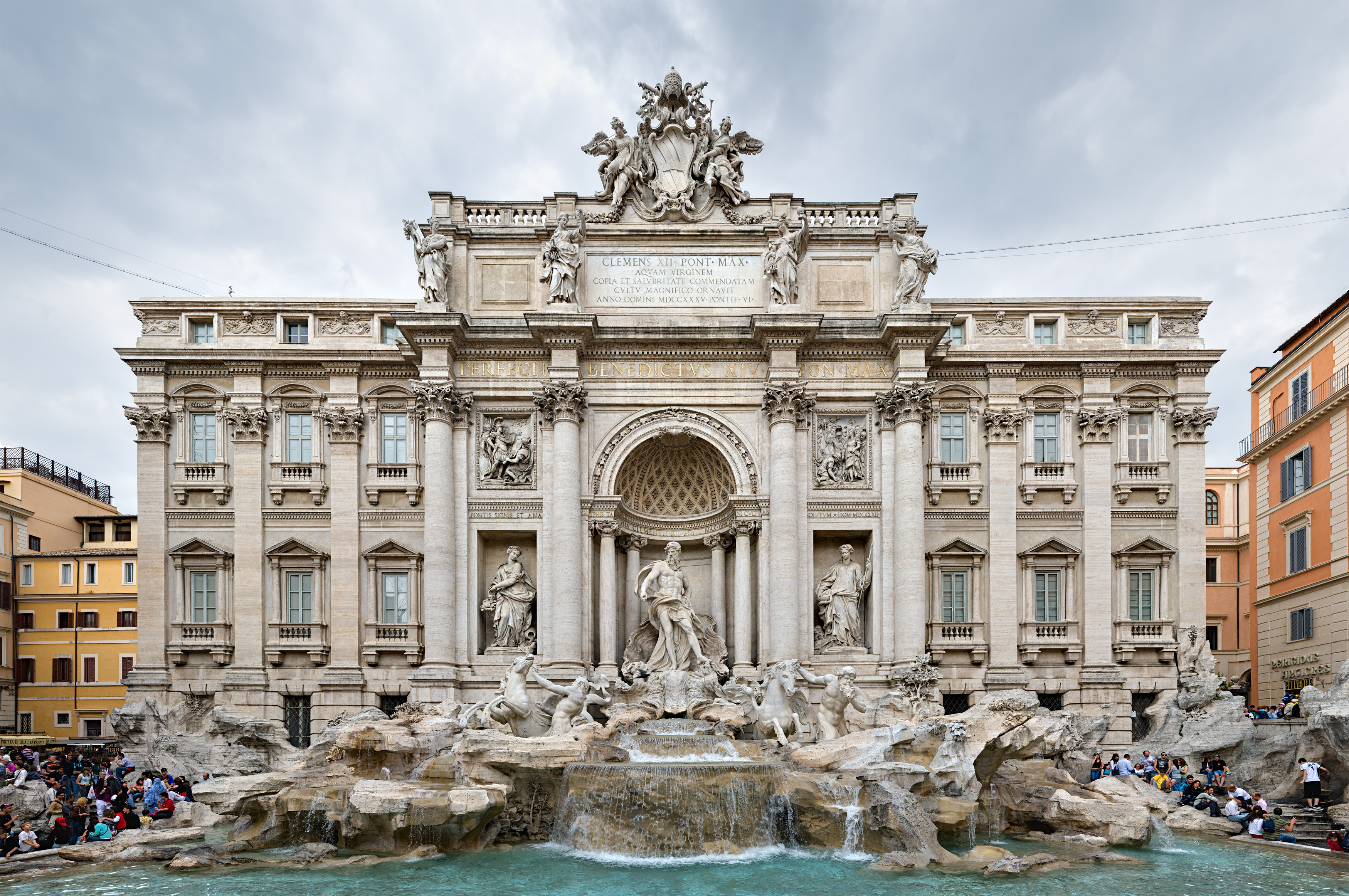
Skip the daytime crush. Go at sunrise — you'll have it nearly alone with the light hitting the marble. Coin over the left shoulder is non-negotiable.
Peek through the keyhole of the Priory of the Knights of Malta for a perfectly framed view of St. Peter's dome through a garden tunnel. Free, weirdly magical, never crowded.
Pick a neighborhood, not a hotel.
Rome is a city of neighborhoods. The one you stay in shapes the trip more than the property does.
Different trips for different travelers.
Same city, very different stays. Pick the lens that matches your trip.
Rome for first-time visitors
Base in Monti or near the Pantheon. 5 nights minimum. Book the Colosseum + Vatican tickets before booking dinner reservations. Pace yourself with long lunches.
Rome for couples
Trastevere or Aventine for the romance. Aperitivo on the Hotel de la Ville rooftop. Dinner at Pierluigi or Roscioli. Sunset walks across the Tiber bridges.
Rome for solo travelers
Rome is excellent solo — eating at counter seats is normal, and trattorias don't make solo diners awkward. Stay in Monti for the most walkable evening culture and easy strangers-at-the-wine-bar moments.
Rome for families with kids
Apartment rental in Prati or Centro Storico beats a hotel for breakfast and naps. Villa Borghese zoo, gladiator school tours, and the Time Elevator history experience all win with kids. Pizza nightly is a feature, not a bug.
Rome for foodies
Testaccio food walk (Mordi e Vai, Volpetti). Trastevere for the classic Roman pasta canon — cacio e pepe, gricia, carbonara, amatriciana. Roscioli for the carbonara everyone references. Day trip to Naples for pizza.
Rome for budget travelers
Hostels in Monti or San Lorenzo run €25–45/night. Bar coffee standing up (€1.20 not €4 at a table). Aperitivo buffets (€10 with a drink) double as dinner. Vatican on the last Sunday of the month is free if you can handle the line.
Rome for luxury travelers
Hassler, Hotel de Russie, Hotel de la Ville, and Six Senses Rome lead the top tier. Private after-hours Vatican access (~€500/person). Hire a Roman historian guide for a half-day private Forum walk.
When to go to Rome.
A quick year at a glance. Great, good, or skip — see what each month is doing before you book.
Cheapest month. Short queues, low prices. Some sights have winter hours.
Quiet, affordable. Carnevale costume events in mid-Feb.
Spring begins. Crowds start to build for Easter.
Easter and Rome's birthday (April 21) bring big crowds. Otherwise excellent.
Widely cited as the best month. Roses in full bloom. Café season open.
Excellent through mid-month. Peak crowds. Pace lunches and rest mid-afternoon.
Heat is real. Major sights are exhausting after 10 AM. Plan early starts + riposo.
Ferragosto (Aug 15) — many businesses close. Locals leave. Hot and reduced.
Heat eases through the month. One of the best months by mid-September.
Many travelers' favorite month. Long warm afternoons, smaller crowds.
Wettest month. Quieter sights. Good shoulder if you don't mind rain.
Christmas markets and nativity scenes. Last 10 days busy and pricey.
Day trips from Rome.
When you want a change of pace. Each one's a half-day or full-day out, easy from Rome.
Tivoli
40 minTwo UNESCO sites in one town. Villa d'Este's fountains are at their peak in late spring. Combine with Hadrian's Villa for a full day.
Ostia Antica
30 minRoman ruins as well-preserved as Pompeii but easier to reach (metro + train, €1.50). Half day works.
Orvieto
1h 15mUmbrian hill town with one of Italy's most striking cathedrals. Funicular up from the station. Underground city tours are excellent.
Naples + Pompeii
1h 10mFast train from Termini. Either spend the day in Naples proper (archaeological museum + pizza) or pivot through to Pompeii.
Florence
1h 30mJust about feasible as a long day trip via Frecciarossa, but really wants an overnight. Add Pisa or Lucca on the return.
Castelli Romani
45 minFrascati for wine tastings, Castel Gandolfo for the papal lake views. Easy half-day by train.
Rome vs elsewhere.
Quick honest reads on the cities people compare Rome to.
Rome is louder, sunnier, and built on layers of ancient history; Paris is more polished, walkable, and café-driven. Rome wins for sheer historical depth; Paris wins for daily everyday food and visual unity.
Pick Rome if: You're drawn to ancient ruins, Mediterranean street life, and don't mind a bit of chaos.
Florence is smaller, calmer, and Renaissance-art focused; Rome is bigger, louder, and spans 2,800 years. Florence is doable in 3 nights; Rome needs 5. The two pair beautifully on a 9-night Italy first-timer trip.
Pick Rome if: You want depth, scale, and the variety of ancient + Renaissance + baroque + modern.
Both are ancient capitals with extraordinary archaeological sites. Rome is denser, with more layers and stronger food culture; Athens is rawer, cheaper, and pivots to islands easily. Rome's ruins are more visited; Athens's are more contained.
Pick Rome if: You want a fuller modern city alongside the archaeology, with stronger food and shopping.
Barcelona is beach-adjacent, Modernist-architectured, and Mediterranean-relaxed; Rome is dense, ancient, and trattoria-focused. Barcelona wins for design and nightlife; Rome wins for history and traditional cuisine.
Pick Rome if: You're drawn to ruins, classical art, and the slow-lunch rhythm of Italy.
Itineraries you can start from.
Rough shapes for a trip here — a feel for the pace and cost. Find the one that fits you.
Centro Storico base. Colosseum + Forum day, Vatican day, two long walking days through Trastevere and the Pantheon area.
Add a Galleria Borghese morning, a Testaccio food walk, and one day trip — Tivoli or Ostia Antica.
5 nights Rome, 4 nights Florence, 1 transition. High-speed train is 1h 30m city-center to city-center. Classic Italy first-timer route.
Things people ask about Rome.
When is the best time to visit Rome?
April through early June, and late September through October, are the sweet spots — mild temperatures, fewer crowds than July–August, and parks at their best. May and October are widely cited as the best individual months. Avoid mid-July through August: the heat is genuinely brutal and many local businesses close for *Ferragosto* in mid-August.
How many days do you need in Rome?
Plan for at least 4 nights. Three nights skims the headline sights at speed; 5–6 nights covers the major ancient ruins, the Vatican, plus time to live in a neighborhood. Add 2 more nights if you want a day trip to Tivoli or Ostia Antica. Beyond 8 nights, pair Rome with Florence or Naples.
Is Rome expensive?
Rome is one of the cheapest major Western European capitals. Mid-range travelers spend €170–255 ($185–275) per day; budget travelers manage on €75–90. Hotels in the historic center push the budget — €130–200/night mid-range, €60–100 in residential neighborhoods. Pasta at a neighborhood trattoria runs €10–14; coffee at the bar is €1.20.
What's the best Rome neighborhood for first-time visitors?
Monti is the sweet spot — walkable to the Colosseum, served by the metro, locally lived-in, and quieter than the heavily touristed historic center. Centro Storico itself is gorgeous but pricier and busier. Trastevere has the romance but limited transit. Prati is excellent if the Vatican is your first priority.
Rome vs Paris — which should I visit first?
Rome first if you're drawn to ancient history, ruins, and a louder Mediterranean street life; Paris first if your interest is food, fashion, contemporary art, or café culture. Rome is more raw and atmospheric; Paris is more polished and walkable. Both reward a full week. Many travelers do both in a single 10-day European trip.
How do I get from Fiumicino airport to central Rome?
The Leonardo Express train is fastest — €14, 32 minutes nonstop to Termini station. The FL1 regional train is cheaper at €8 but stops at Trastevere and Tiburtina instead of Termini. Fixed-rate taxis to the historic center are €55. Uber is limited; Free Now and It Taxi apps work better.
Is Rome safe for solo female travelers?
Yes — Rome is safe by global capital-city standards including for solo women. The main risk is pickpockets on buses 64 and 40 (Vatican lines), inside metro stations, and around Termini and the Spanish Steps. Evening walks alone in Trastevere, Monti, and the historic center are normal. Avoid the Termini area late at night.
Cash or card in Rome?
Cards are accepted at most restaurants, hotels, and shops. Many small trattorias, neighborhood bars, and market stalls remain cash-preferred — carry €30–50 in small bills. Apple Pay and Google Pay work at most card terminals. ATMs are easy to find; use bank-branded ones (UniCredit, Intesa) over Euronet.
What's the best Rome day trip?
Tivoli (40 min) for Villa d'Este's gardens and Hadrian's Villa ruins — a full UNESCO double. Ostia Antica (30 min by metro) for an ancient Roman port city better preserved than Pompeii in places. Orvieto (1h 15m by train) for a hilltop Umbrian town with a stunning cathedral. Naples (1h 10m by fast train) for pizza, the archaeological museum, and a Pompeii pivot.
How early should I book Rome flights and hotels?
Flights: 3–4 months ahead for April–June and September–October peaks; 6–8 weeks is usually fine off-season. Hotels: 2–3 months ahead for boutique stays in Monti and Trastevere. Galleria Borghese and Vatican early-entry tours sell out 1–2 weeks ahead — book those before the hotel.
Do I need to speak Italian in Rome?
No, but a few words help. English is well spoken at hotels, major restaurants, and tourist sights. Smaller trattorias, neighborhood bars, and shopkeepers in non-touristy areas appreciate a *buongiorno*, *grazie*, and *un caffè per favore*. Google Translate's camera mode handles menus that aren't in English.
Is Rome good for families with kids?
Yes — Roman families eat out with kids of every age, and restaurants are notably welcoming. Sights like the Colosseum, gladiator school tours, and the Vatican Museums interest kids 7+. Villa Borghese has a small zoo and rowboats. Strollers handle cobblestones poorly — bring a baby carrier or terrain-friendly wheels.
What should I pack for Rome?
Comfortable walking shoes with grip — cobblestones eat thin soles. Modest clothing for the Vatican and major churches (shoulders and knees covered). Light layers spring and autumn. A refillable water bottle (free *nasoni* fountains run drinkable cold water all over the city). A small daypack for water and a guidebook.
Can you drink the tap water in Rome?
Yes — Rome has some of the best tap water in Europe, sourced from ancient aqueducts and continuously refreshed. The *nasoni* (cast-iron drinking fountains) scattered around the city are safe and free. Restaurants will serve tap water if you ask for *acqua del rubinetto*; most automatically bring bottled.
Do I need to tip in Rome?
No. Service is included (*coperto* is the table-cover charge, not a tip). Italians round up at restaurants — leave the small change, or 5% on a nicer dinner. Tipping is appreciated but unexpected. Taxi drivers: round up to the nearest euro. Hotel porters: €1–2 per bag.
How does the Roma Pass work?
The Roma Pass is €33 for 72 hours and covers unlimited city transit (metro, bus, tram) plus free entry to your first two participating sights (skip-the-line to one). The Colosseum is the biggest hit — but you still need a free timed reservation. It pays for itself if you'll use transit and visit 2+ included museums.
Is the Vatican worth the time?
Yes, but plan around the crowds. The Sistine Chapel is overwhelming, and the Raphael Rooms and Pio-Clementine sculpture galleries are quietly extraordinary. Book a 7:30 AM 'before opening' tour (~€90) or the standard timed entry at first slot. Skip walk-up tickets — the line stretches an hour deep most days.
What's the worst time to visit Rome?
Mid-July through August: temperatures hit 95–100°F (35–38°C) with stone radiating heat at night. The week around Ferragosto (August 15) sees many local restaurants and shops close. November is grey and wet without the December lights. Easter week and Christmas/New Year see prices spike and big sights operate at peak capacity.
Know someone headed to Rome?
Send them this guide — real neighborhoods, timing, and prices, with nothing to sign up for.
Copies the link — nothing to install