Nantucket
Send it to whoever you'd travel with
Nantucket is a small Atlantic island with an unusually coherent architectural identity, serious beaches, and a high-summer price tag that September dramatically undercuts.
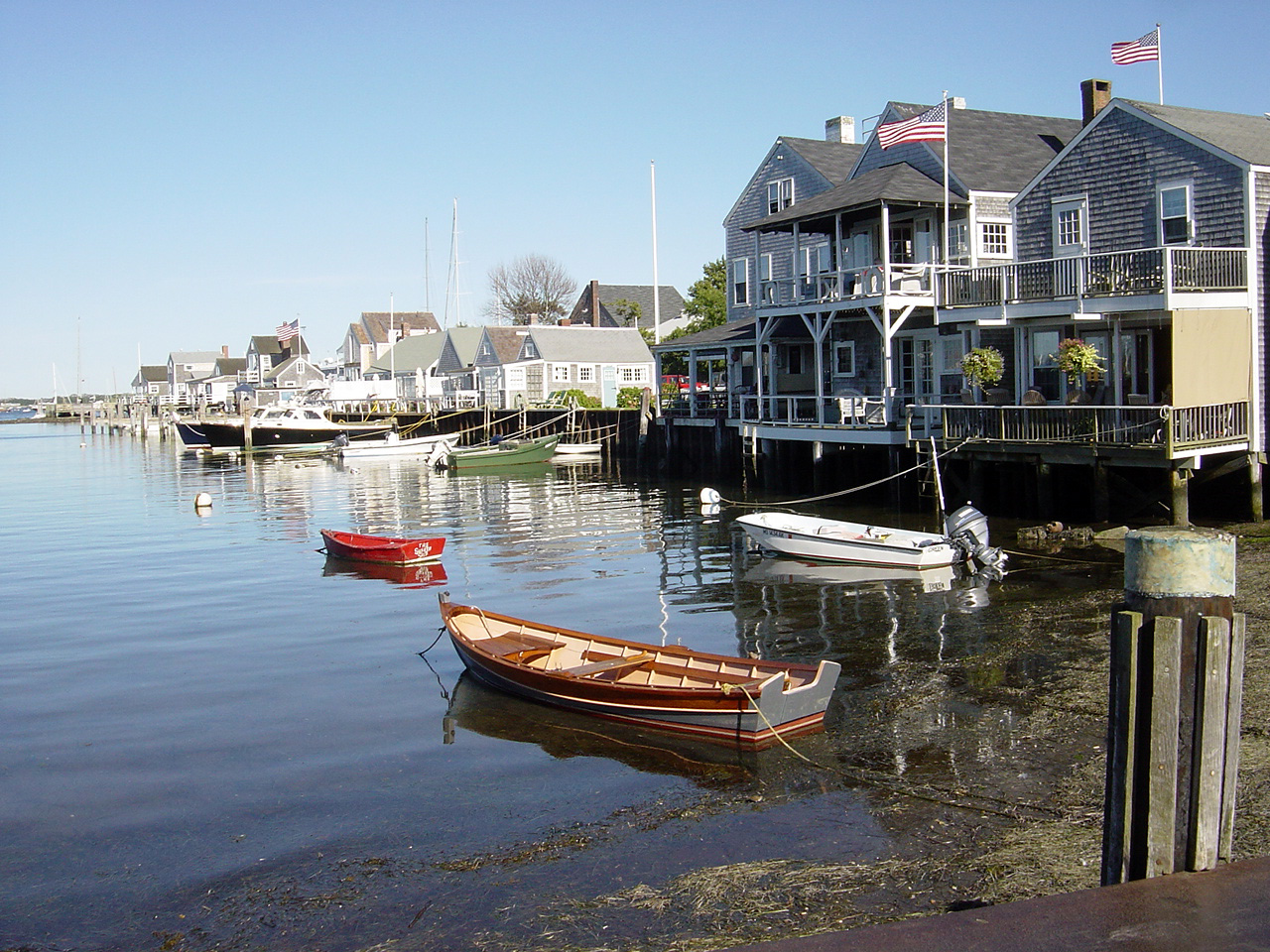
Nantucket is 30 miles south of Cape Cod and, in some ways, 30 years removed from it. The island has maintained a striking architectural uniformity since a preservation push in the 1970s: nearly every building wears gray-shingled cedar siding, giving the whole place the look of a town that decided collectively on one aesthetic and stuck with it. Walking down Centre Street toward the harbor, past the brick and cobblestone core, it's easy to understand why the island's downtown is one of the most photographed streetscapes in New England.
The backstory matters here. Nantucket was once the whaling capital of the world — a place whose ships hunted sperm whales in every ocean and whose captains built the mansions on Upper Main Street that still stand. Herman Melville shipped out of New Bedford but knew Nantucket; Moby-Dick begins with the narrator heading to the island. The Nantucket Whaling Museum tells this story honestly and well, and the harbor's working infrastructure — the USCG station, the fishing boats alongside the gleaming yachts — carries traces of a commercial life that predates the resort economy.
In July and August the island is expensive by any domestic standard. A hotel room at a decent inn runs $500–800/night. A dinner for two at one of the Straight Wharf restaurants is $120–180 with wine. The beaches are worth it — Great Point, Surfside, Dionis, Cisco — and the town is genuinely beautiful. But the calculus shifts hard in September, when rates drop, restaurants relax, and the ocean hits its warmest temperature of the year around 68°F.
The island is 14 miles long and 3.5 miles wide. A bike covers most of it comfortably on good paved paths. The classic route is the Surfside Beach Road to the south shore (surf, lifeguards, wider dunes) or the Polpis Road bike path toward Sankaty Head Lighthouse and Siasconset, the colony of rose-covered cottages on the eastern bluff that functions as the island's quietest village.
The practical bits.
- Best time
-
Late June – SeptemberSummer is peak season with all businesses open, beaches full, and prices highest. September is the adult favorite: warm ocean, empty beaches, 30–40% lower room rates, no school-holiday crowd. Late June and early July offer excellent weather before peak prices fully bite. Avoid July 4th and early August if cost is a concern.
- How long
-
4 nights recommended3–4 nights covers the town, major beaches, and a Siasconset bike ride well. 7 nights makes sense only for the weekly-rental cottage model. A day trip from Hyannis is possible but wastes most of the day in transit.
- Budget
-
$380 / day typicalNantucket is among the most expensive domestic US destinations. In-season inn rooms run $400–800/night. Car ferry adds $200+ round-trip. September and October drop rates meaningfully. Budget travelers are genuinely better served by Cape Cod.
- Getting around
-
Bike + shuttle + some walkingBikes are the primary transportation for most visitors. Paved paths run to Surfside, Cisco, Siasconset, and Madaket. The NRTA Wave shuttle buses cover key routes and beaches. Bringing a car costs significantly more on the ferry and is largely unnecessary — the town is compact and bike paths reach the major beaches. Taxis and Uber exist for longer distances.
- Currency
-
USD · cards universally acceptedCards accepted everywhere. Cash occasionally handy for small vendors and tip jars.
- Language
- English
- Visa
- No visa required for US citizens. International visitors follow standard US entry requirements.
- Safety
- Very safe. Bikes and cars share roads — the island has many cyclists; drivers need awareness. Great Point requires 4WD and specific conditions; check before attempting. Rip currents at south-facing ocean beaches.
- Plug
- Type A / B · 120V — standard US
- Timezone
- ET · UTC-5 (EDT UTC-4 mid-March – early November)
A few specific picks.
Hand-picked, not algorithmic. Each of these has earned its space.
The anchor cultural institution — a full sperm whale skeleton, original scrimshaw, and an honest account of the industry that made the island wealthy. Allow 2 hours.
A cluster of tiny rose-covered cottages on the eastern bluff, 7 miles from town by bike. The rose hedges peak in late June. The Sconset Café does breakfast.
The northern tip of the island — accessible only by 4WD or on foot from Wauwinet (3-mile walk each way). Common terns and gray seals in season.
The brick and cobblestone core of downtown, with whale-captain mansions on Upper Main, art galleries on Centre, and the Atheneum reading room still functioning since 1834.
The most accessible south-shore Atlantic beach — 1.5 miles by bike path. Surf, lifeguards, a wider dune system than the town beaches.
A brewery, winery, and distillery on the same 5-acre property outside town. Live music most summer weekends, outdoor seating, and the full portfolio. A genuine local institution.
The harbor-side dining strip with the island's best-regarded restaurants. Topper's at the Wauwinet and Cru Oyster Bar are the standards. Reserve well ahead in summer.
A sheltered cove on the calmer Nantucket Sound side. Warmer and gentler than the south shore — the family and swimming beach of choice for many locals.
A short walk from the ferry terminal — one of the most photographed lighthouses in New England, set at the harbor entrance. The classic 'throw a penny' arrival ritual.
One of the oldest public libraries in the US, rebuilt after the 1846 fire. Free lecture series in summer; a building worth entering for the reading room alone.
Pick a neighborhood, not a hotel.
Nantucket is a city of neighborhoods. The one you stay in shapes the trip more than the property does.
Different trips for different travelers.
Same city, very different stays. Pick the lens that matches your trip.
Nantucket for couples
The island's scale is ideal for couples — walkable town, bike rides to Siasconset, dinner at Cru or Topper's, evening drinks at the harborfront. The compact geography makes planning effortless.
Nantucket for luxury travelers
The White Elephant and Wauwinet Inn set the property ceiling. Topper's restaurant, a private Great Point 4WD tour, a chartered day sail, and Cisco Brewers in the evening fill a premium itinerary naturally.
Nantucket for history enthusiasts
The Whaling Museum, the NHA historic properties, the 1846-rebuilt Atheneum, and the captain's houses on Upper Main Street collectively make Nantucket one of the best-preserved 18th and 19th century towns in America.
Nantucket for cyclists
The bike paths connect all major beaches and villages on flat-to-gentle terrain. The Polpis Road path to Siasconset is the anchor route. Bring your own or rent at the terminal for the most flexible exploration.
Nantucket for families with children
The beach quality is high for families. Children's Beach, Dionis, and Jetties provide calm water. The town is walkable with kids. The price point is the main constraint — this is not a budget family destination.
Nantucket for solo travelers
The compact town, gallery circuit, Cisco Brewers social scene, and Siasconset bike ride make a natural solo agenda. The ferry arrival at Brant Point is a particularly welcoming solo-traveler moment — the harbor opening up as you arrive.
When to go to Nantucket.
A quick year at a glance. Great, good, or skip — see what each month is doing before you book.
Island in deep off-season. Most businesses closed. Small year-round community life.
Very limited visitor infrastructure. Occasional winter getaway visitors prefer the solitude.
Season begins to wake up. Some restaurants and inns reopen. Still very quiet.
Pre-season opening mood. Daffodil Festival in late April is a local celebration worth knowing about.
Low crowds, good rates, most island infrastructure opening. Ocean still cold but walks are lovely.
Season opens strongly. Siasconset roses peak late June. Film Festival early in the month.
Peak season. Best weather. Highest prices. July 4th week is the most crowded of the year.
Peak season continues. Sand Castle Competition on the beach. Book everything far ahead.
The best value month. Crowds gone after Labor Day, rates down 35–45%, ocean warmest of the year.
Cranberry harvest visible at Milestone Bog. Columbus Day weekend is the last real visitor crowd.
Rapid shoulder season close. Nantucket Noel in late November/December is a local event.
Nantucket Noel (first weekend of December) lights up the downtown briefly. Otherwise quiet.
Day trips from Nantucket.
When you want a change of pace. Each one's a half-day or full-day out, easy from Nantucket.
Hyannis & Cape Cod
1h ferrySteamship Authority to Hyannis puts you on the Mid Cape. A car there opens Wellfleet, Provincetown, and Chatham.
Martha's Vineyard
2h+ via mainlandNo direct connection — go via Hyannis to Woods Hole. Better as a separate trip leg than a day trip from Nantucket.
Great Point
30 min by 4WDThe remote northern tip. Eco-tours operate by 4WD from Wauwinet Inn. Can also walk 3 miles each way from Wauwinet parking.
Siasconset Village
30 min by bikeBest as a half-day bike ride from town via Polpis Road path. Late June for rose hedges at peak. Arrive at Sconset Café for breakfast.
Cisco and Madaket
20 min by bikeCisco Brewers is the natural afternoon destination; continue to Madaket Beach for the island's best west-facing sunset.
Boston
1h flight or 3h total by ferryFlying is faster than the full ferry + bus connection. Most Nantucket visitors pass through Boston as their arrival or departure point.
Nantucket vs elsewhere.
Quick honest reads on the cities people compare Nantucket to.
Nantucket is smaller, architecturally more uniform, generally more expensive, and rewards a contained island focus. The Vineyard is larger, has six distinct towns, more varied landscape including the Aquinnah Cliffs, and a wider budget range. Both require a ferry and are expensive in summer.
Pick Nantucket if: You want a single coherent island town experience, don't mind the premium, and prefer compact over varied.
Cape Cod is directly car-accessible, much larger, more varied in character, and significantly cheaper. Nantucket is an island requiring a ferry crossing, more architecturally pristine, and far more expensive. The ferry crossing is both a cost and an asset — it creates genuine separation.
Pick Nantucket if: You want island atmosphere, architectural coherence, and a genuinely compact, walkable destination.
Block Island is Rhode Island's smaller ferry island — more rugged landscape, lower prices, fewer restaurants, and a very different energy (more informal, fewer upscale hotels). Nantucket offers more amenities and better dining at much higher prices.
Pick Nantucket if: You want better infrastructure, more dining options, and a historic whaling town — and can absorb the cost.
Edgartown is the most Nantucket-adjacent town on Martha's Vineyard — white clapboard, formal, with a yacht harbor and upscale dining. But the Vineyard as a whole is much larger and more varied. Choosing between the two islands generally means choosing range (Vineyard) versus focus (Nantucket).
Pick Nantucket if: You want the single-island, contained experience without the size and complexity of the full Vineyard.
Itineraries you can start from.
Rough shapes for a trip here — a feel for the pace and cost. Find the one that fits you.
Downtown base, Whaling Museum afternoon, Siasconset bike ride, Surfside beach day, Straight Wharf dinner, Brant Point at departure.
4 nights downtown inn. Bike to Siasconset, Dionis, Cisco Brewers, Great Point by 4WD tour. Two dinners reserved at the wharf. September timing for best value.
3 nights Cape Cod, 3 nights Martha's Vineyard, 3 nights Nantucket. Hyannis ferry for Nantucket leg. Full New England island circuit by summer ferry.
Things people ask about Nantucket.
How do you get to Nantucket?
The Steamship Authority operates year-round ferry service from Hyannis — the high-speed passenger ferry takes 1 hour; the traditional ferry takes 2 hours 15 minutes. Hy-Line Cruises also operates from Hyannis. Nantucket Memorial Airport (ACK) receives flights from Boston, New York JFK, White Plains, and other regional hubs — flying is often the fastest option in peak season.
Is Nantucket expensive?
Yes — among the most expensive domestic US destinations. In-season (July–August) hotel rooms run $400–800/night. A restaurant dinner for two averages $100–160 including wine. The ferry adds cost: passenger tickets are $40–80 round-trip; a car adds $200–350 per vehicle. September drops room rates 35–45% and is strongly recommended for anyone price-sensitive.
Do you need a car on Nantucket?
No — most visitors do very well without one. Bike rental shops are steps from the ferry terminal, and paved paths reach all major beaches. The NRTA Wave shuttle bus covers key routes. The town itself is compact and entirely walkable. Bringing a car requires a vehicle reservation on the Steamship Authority, adds significant cost, and is largely unnecessary unless you have mobility constraints or need to reach Great Point by 4WD.
When is the best time to visit Nantucket?
Late June through August for peak season with everything open. September is the genuine best-value window — crowds gone, ocean at its warmest (around 68°F), prices 35–40% lower. July 4th week is the busiest and most expensive. October has its charm but accelerating closures. May and early June are the pre-season sweet spot for very budget-conscious travelers who don't need everything open.
What is the Nantucket Whaling Museum worth?
It's worth the entry price and 2 hours easily. The 46-foot sperm whale skeleton is the centerpiece, but the museum goes well beyond spectacle — scrimshaw collections, ship logs, navigational instruments, and an honest account of the labor conditions on whaling ships. The rooftop deck offers good harbor views. Buy tickets online to avoid the peak-day queue.
What are the best beaches on Nantucket?
Surfside Beach (south shore, lifeguarded, surf) is the most popular. Cisco Beach is similar but slightly less crowded. Dionis Beach (north shore, calm Nantucket Sound) is warmer and gentler — better for families. Siasconset Beach is accessible by bike from the village. Great Point on the northern tip is remote and requires a 4WD permit or a 6-mile round-trip walk.
Is Nantucket better than Martha's Vineyard?
Different rather than better. Nantucket is smaller and more architecturally coherent — a single town with gray-shingled buildings and cobblestones; the Vineyard has six distinct towns with more varied character. Nantucket is generally pricier. The Vineyard has more landscape variety, including the Aquinnah Cliffs. Nantucket rewards those who want a contained, walkable island focus; the Vineyard suits those who want more ground to cover.
How far in advance should I book Nantucket ferries and lodging?
Car ferry reservations in July and August: 3–6 months ahead minimum. Vehicle slots go quickly. Passenger tickets are easier but still book out in peak weeks. Hotels and inns: 2–4 months ahead for summer. The island has a limited room supply and many inns fill entirely for July and August by spring. September is more forgiving — 4–6 weeks usually suffices.
What is Siasconset on Nantucket?
Siasconset (pronounced 'Sconset) is a small village 7 miles east of downtown — accessible by bike path through the moors. It has a cluster of rose-hedge-covered cottages, a small bluff overlooking the Atlantic, the Sconset Café, and an atmosphere that feels removed from downtown activity. The rose hedges are most spectacular in late June. The Polpis Road bike route there passes Sankaty Head Lighthouse.
What food and restaurants are on Nantucket?
The Straight Wharf area anchors the best dining — Cru Oyster Bar, The Boarding House, Topper's at the Wauwinet for the top tier. The Fog Island Café does excellent breakfast. The Brotherhood of Thieves is a reliable pub institution. Cisco Brewers on the south shore is the casual local gathering spot. Reserve summer restaurants 2–3 weeks ahead; top spots book even further out.
Can you visit Nantucket as a day trip?
Technically yes, but it's tight. A 7 AM fast ferry from Hyannis arrives around 8 AM, and the return trip leaves around 6 PM — giving about 10 hours on-island. That's enough for the downtown, the Whaling Museum, and a beach hour, but ferry costs alone are $80–100 round-trip per person plus the time. An overnight stay transforms the experience significantly.
What is the Nantucket architectural preservation story?
After a period of economic stagnation in the late 19th and early 20th centuries, Nantucket's historic core survived largely undeveloped. In 1955, the Nantucket Historic District Commission was established, creating one of the earliest historic preservation ordinances in the US. It requires that new and renovated structures use cedar shingles and consistent massing with the 18th and 19th century town plan — which is why the island looks so coherent today.
Is Nantucket good for families with children?
Families visit and enjoy it, but the price point is a real consideration — a family of four spending 4 nights in summer can easily hit $6,000–8,000 all-in. The beaches are excellent for kids, the bike paths safe and accessible, and the town walkable. Dionis and Jetties beaches work better for small children than the south-shore surf. The Children's Beach near town has protected water and a playground.
What happens during Nantucket's shoulder season?
May and early June are the pre-season: low crowds, good walking and cycling, many restaurants not yet open. October retains a pleasant but quieting energy — Columbus Day weekend is the last real crowd. November through April the island settles into its year-round life of about 13,000 residents, with a smaller selection of open restaurants and shops. Some travelers specifically prefer this quiet version of the island.
What is Cisco Brewers on Nantucket?
Cisco Brewers, Nantucket Vineyard, and Triple Eight Distillery all operate from the same 5-acre property on Cisco Lane, south of downtown. The brewery is well regarded for its Whale's Tale Pale Ale among other products. The grounds have outdoor seating, live music on summer weekends, food trucks, and a social atmosphere that functions as the island's main informal gathering spot — a significant contrast to the formal dining scene elsewhere.
How does cycling work on Nantucket?
Bike rental shops cluster near the ferry terminal, with rates around $35–50/day. Paved multi-use paths run to Surfside Beach, Siasconset via Polpis Road, Cisco Beach, and Madaket. The Milestone Road path is the main east-west connection to Sconset. Most major points of interest are within a 30-minute bike ride. The terrain is flat to gently rolling, accessible for most fitness levels.
Is there cultural life on Nantucket beyond beaches?
Yes. The Nantucket Whaling Museum and Nantucket Historical Association properties tell the island's history comprehensively. The Nantucket Atheneum has a summer lecture series. The Dreamland Theater screens films and hosts performances year-round. Several good art galleries operate on Centre Street and around the downtown core. The Nantucket Film Festival in June and various summer series fill the calendar with events beyond beach and food.
What is the cranberry connection to Nantucket?
Nantucket was one of the early centers of cranberry cultivation in North America — the acidic, boggy soil of the island's interior suited the plant well. Several bog operations survive today. The harvest in October involves flooding the bogs and corralling the floating berries — a striking visual phenomenon. Milestone Cranberry Bog is the largest remaining bog and visible from the Milestone Road bike path.
Know someone headed to Nantucket?
Send them this guide — real neighborhoods, timing, and prices, with nothing to sign up for.
Copies the link — nothing to install