Mammoth Lakes
Send it to whoever you'd travel with
Mammoth Lakes offers one of California's most versatile mountain destinations — world-class skiing from November through June, summer hiking into the Eastern Sierra, geothermal wonders, and a Yosemite back door most visitors never use.
Mammoth Lakes sits at 7,880 feet in the Eastern Sierra Nevada, 300 miles north of Los Angeles and about 5 miles from the base of Mammoth Mountain — one of California's highest ski areas, with a summit at 11,053 feet and a vertical drop that frequently holds snow into June and occasionally July. The mountain's volcanic origins (it sits atop a caldera) create the same geothermal conditions that power Hot Creek, a geothermal stream where you can soak in natural warm springs with the Sierra peaks as backdrop.
In summer, the character shifts entirely. The ski lifts become trailheads. Gondola rides to the summit reveal 360-degree views of the Owens Valley, the Ritter Range, and on clear days, the Sierras stretching south toward Kings Canyon. The Mammoth Lakes Basin — a cluster of five lakes set in glaciated terrain above town — offers flat trail access, fishing, paddling, and the kind of quiet morning walk that justifies the drive from Los Angeles. Devils Postpile National Monument, reachable only by mandatory shuttle from Mammoth, contains one of the finest examples of columnar basalt in the world.
The Tioga Pass connection makes Mammoth a legitimate east entrance to Yosemite National Park during its summer-only open window (typically late May to early November, conditions permitting). The drive over Tioga Pass and down into Yosemite Valley is one of the most spectacular mountain roads in California — and arriving from the east on a weekday avoids the overcrowded western entrances. This east-door Yosemite approach is the best-kept planning secret in the region.
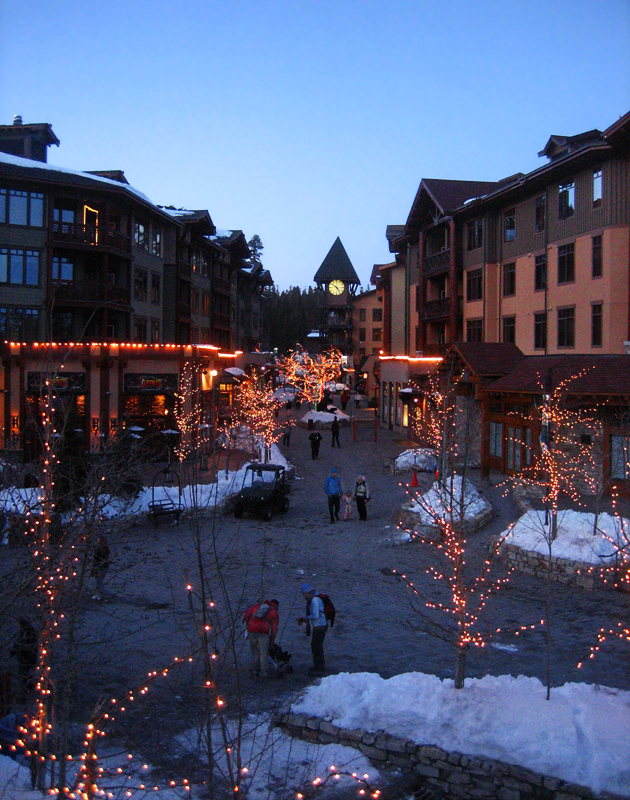
The town itself is a functional resort community — condo-heavy, with a walkable Village at Mammoth core, several good restaurants, and a strong outdoor gear infrastructure. It's not charming in the way Telluride or Stowe is, but it's excellent value for California mountain standards, with accommodation options ranging from hostel bunks to ski-in/ski-out slopeside units.
The practical bits.
- Best time
-
December – April for skiing; July – early September for hikingMammoth Mountain typically opens in November and stays open through late spring — the longest ski season in California. Summer brings warm afternoons, wildflowers, and open Tioga Pass. June can be muddy and the pass may still be closed. October is beautiful but cold with unpredictable snow; May is shoulder with variable snow stability.
- How long
-
4 nights recommendedTwo nights covers skiing or a single summer loop. Four nights lets you do the mountain, Devils Postpile, Hot Creek, and a Mono Lake day. Seven nights works for Yosemite access and deeper Sierra hiking.
- Budget
-
$280 / day typicalSki passes are the biggest swing — Ikon pass or single-day tickets ($100–180/day). Summer hiking is largely free; Devils Postpile charges $9/adult for the shuttle. Accommodation in a condo averages $180–350/night in winter, lower in summer.
- Getting around
-
Car or free village shuttleMammoth Area Shuttle (MMSA) runs free bus routes connecting the Village, Mammoth Mountain Main Lodge, Canyon Lodge, and key trailheads in summer and ski season. For Devils Postpile and outlying areas in summer, the mandatory shuttle from Mammoth Mountain Adventure Center is required. A car is helpful for Hot Creek, Mono Lake, and Lee Vining.
- Currency
-
USD · cards acceptedCards accepted everywhere. The Mountain and most restaurants use tap-to-pay. Carry cash for the occasional farmer's market or roadside stand.
- Language
- English. Spanish widely spoken by service industry workers.
- Visa
- No visa required for US residents. International visitors should confirm US entry requirements.
- Safety
- Altitude adjustment takes 24–48 hours — drink water, limit alcohol on arrival. Avalanche awareness required for backcountry skiing. Wildlife (black bears) present year-round; use bear boxes. Hot Creek geothermal temperatures fluctuate; follow posted soaking advisories.
- Plug
- Type A / B · 120V
- Timezone
- PST · UTC-8 (PDT UTC-7 Mar – Nov)
A few specific picks.
Hand-picked, not algorithmic. Each of these has earned its space.
3,500+ acres, 28 lifts, and the longest ski season in California — often running through Memorial Day. The gondola to the 11,053-foot summit operates year-round for hiking and views in summer.
Columnar basalt formations created by volcanic lava cooling at uniform rates — 60-foot hexagonal columns standing like a pipe organ wall. The monument also contains Rainbow Falls, a 101-foot waterfall. Summer shuttle access only.
A geothermal stream where hot springs bubble into a cold river channel, creating pockets of warm water against a backdrop of volcanic cliffs. Soaking conditions vary by thermal activity; check current NFS advisories before entering water.
Five glacial lakes (Twin, George, Mamie, Mary, Horseshoe) set in a granite-walled cirque above town. Lake George trail continues to Crystal Lake and the top of the cirque with views across the Ritter Range.
One of the Eastern Sierra's finest day hikes — 8 miles round-trip through the Lakes Basin, past Barney Lake, and up to Duck Pass at 10,797 feet with panoramic views into the John Muir Wilderness.
An ancient alkaline lake with calcium carbonate tufa towers rising from the water. The South Tufa trail (3 miles round-trip) runs between the formations at lake level. Best light is sunrise or late afternoon.
Summer-only road over the Sierra at 9,945 feet. The 60-mile drive from Lee Vining to Yosemite Valley is among California's most dramatic routes — past Tuolumne Meadows, Half Dome views, and Olmsted Point.
The same gondola used in ski season runs in summer as a sightseeing and mountain biking access lift. The summit observation deck at 11,053 feet delivers views across two states on clear days.
A glacier-carved lake at the base of a dramatic escarpment, 8 miles south of Mammoth. The shoreline loop is 2.5 miles. An excellent sunset and evening photography location, especially in fall when aspen trees turn.
The standout local craft beer stop in Mammoth. Post-ski and post-hike crowds converge here. The outdoor deck faces the mountain and the Sherwins.
Pick a neighborhood, not a hotel.
Mammoth Lakes is a city of neighborhoods. The one you stay in shapes the trip more than the property does.
Different trips for different travelers.
Same city, very different stays. Pick the lens that matches your trip.
Mammoth Lakes for skiers and snowboarders
Mammoth Mountain is one of California's premier ski destinations — long season, consistent snow, Ikon Pass included, and a well-organized mountain with terrain for all ability levels. Book accommodation 2–3 months ahead for holiday weeks and January powder forecasts.
Mammoth Lakes for summer hikers
The John Muir Wilderness and Inyo National Forest around Mammoth offer hundreds of miles of trails from day hikes to multi-day Sierra High Route segments. Duck Pass, the Lakes Basin, and the Ritter Range trailheads are all within 20 minutes of town.
Mammoth Lakes for national park road-trippers
Mammoth sits between Yosemite (via Tioga Pass), Kings Canyon/Sequoia (3 hours south), and Death Valley (2.5 hours east). No other California mountain town gives you this many park doors within a single day's drive.
Mammoth Lakes for families with kids
Ski school at Canyon Lodge is strong for ages 3+. Devils Postpile shuttle is very manageable for families. Hot Creek is fascinating for curious kids. The Lakes Basin trail around Lake Mary is stroller-accessible and flat. Bears are present — make the bear-box routine a kid activity.
Mammoth Lakes for photographers
Mono Lake at sunrise, Convict Lake in fall, the Postpile columns in morning light, and Mammoth's summit views at dusk are all exceptional subjects. The Eastern Sierra is one of California's most photogenic landscapes and visits from LA keep the subject matter entirely non-clichéd.
Mammoth Lakes for la-based long-weekend escapes
The 5.5-hour drive from Los Angeles is a serious but well-established pilgrimage. Thursday-night departures are the local culture. Friday skiing, Saturday hiking, Sunday drive home via the Owens Valley with a Bishop lunch stop.
When to go to Mammoth Lakes.
A quick year at a glance. Great, good, or skip — see what each month is doing before you book.
Best powder month on average. Martin Luther King weekend is very busy. Book accommodation well ahead.
Strong snow conditions continue. Presidents Day weekend is the busiest ski period of the year.
Bluebird days with good snow in the morning. Slush develops by afternoon. Film Festival held late February or early March.
The mountain is often in excellent condition. Prices drop significantly from peak winter. Fewer crowds.
Ski area may still be running. Tioga Pass closed until late May at earliest. Trails are muddy at lower elevations.
Snow is patchy. Devils Postpile opens mid-June. Tioga Pass opens unpredictably. Not the best month for either winter or summer activities.
Peak summer. All trails and attractions open. Afternoon thunderstorms possible. Independence Day weekend is busy.
Excellent summer conditions. Wildflowers peak in the high country. Devils Postpile and Yosemite both fully accessible.
Best hiking month — crowds drop after Labor Day but conditions remain warm and stable. Tioga Pass still open. Aspen color begins late month.
Peak fall color on the June Lake Loop. Tioga Pass closes (date varies). Cold nights require layers. Uncrowded and scenic.
Mountain often opens Thanksgiving weekend with early-season snow. Coverage may be limited. A good month for early deals.
Christmas through New Year week is the highest-demand period — book months ahead. Snow conditions generally strong by late December.
Day trips from Mammoth Lakes.
When you want a change of pace. Each one's a half-day or full-day out, easy from Mammoth Lakes.
Yosemite via Tioga Pass
1h 30m (summer only)Tioga Pass (Hwy 120) is open approximately late May through early November. The drive into Tuolumne Meadows is spectacular. Yosemite Valley is 1.5–2 hours from Mammoth. Check road conditions at nps.gov/yose — the pass closes without warning early and late season.
Mono Lake
20 miles / 30 minOne of the oldest lakes in North America, with calcium carbonate tufa towers rising from an alkaline surface. South Tufa trail runs 3 miles through the formations. Over 300 species of migratory birds stop here annually.
June Lake Loop
15 miles / 20 minA 16-mile scenic loop past four lakes north of Mammoth. The best fall-color drive in the Eastern Sierra. Silver Lake resort and June Lake village have dining. Less visited than Mammoth but equally scenic.
Bishop
38 miles / 45 minThe main supply town for the Eastern Sierra — larger grocery stores, gear shops, and the Buttermilks and Volcanic Tablelands bouldering areas nearby. The Paiute Shoshone Cultural Center is worth an hour.
Ancient Bristlecone Pine Forest
75 miles / 1h 30mThe White Mountains above Bishop contain the oldest known living organisms on Earth — bristlecone pines over 5,000 years old. The Methuselah Trail is 4.5 miles. Best visited after a Bishop stop. Requires driving a high-clearance road.
Bodie State Historic Park
50 miles / 1hThe best-preserved gold rush ghost town in the American West. Over 100 buildings remain in a state of 'arrested decay.' The last 3 miles are on unpaved road — a high-clearance vehicle is recommended, though standard cars manage in dry conditions.
Mammoth Lakes vs elsewhere.
Quick honest reads on the cities people compare Mammoth Lakes to.
Tahoe has the lake, more nightlife, and easier access from San Francisco; Mammoth has a longer ski season, higher elevation, more dramatic Eastern Sierra landscape, and better summer hiking. Tahoe is more polished as a resort town; Mammoth is less manicured but more authentically outdoor-focused.
Pick Mammoth Lakes if: You want a longer ski season, summer Sierra wilderness access, and less resort-town crowd density.
Aspen is more glamorous, more expensive, and has four distinct ski mountains; Mammoth is one mountain but vast, more affordable, and draws a more diverse crowd. Both have excellent terrain and strong ski culture. Aspen has the better food and après scene; Mammoth has the longer season.
Pick Mammoth Lakes if: You want California's best ski mountain without the Aspen price premium.
Yosemite has more iconic landmarks and a higher tourist-volume ceiling; Mammoth offers less-crowded Sierra hiking, a functioning ski area, and geothermal features Yosemite doesn't have. The two are natural complements — many visitors split a week between them via Tioga Pass.
Pick Mammoth Lakes if: You want Sierra mountain experience with fewer reservation hurdles and better winter options.
Park City has a more charming historic Main Street, Deer Valley adjacent, and the Sundance Film Festival; Mammoth has a longer ski season, more dramatic landscape, and the summer Sierra hiking dimension. Park City is more polished as a ski town; Mammoth is wilder.
Pick Mammoth Lakes if: You're based in California or want the longest possible ski season in the western US.
Itineraries you can start from.
Rough shapes for a trip here — a feel for the pace and cost. Find the one that fits you.
Fly into Reno or drive from LA. Three days on Mammoth Mountain, one afternoon at Hot Creek, one evening in the Village. Ikon or day tickets.
Duck Pass hike, Devils Postpile and Rainbow Falls, Mono Lake tufa towers, one gondola summit morning. Base in a Lakes Basin cabin or Village condo.
Four nights in Mammoth covering the core summer activities. Drive over Tioga Pass to Tuolumne Meadows for three nights — the least-crowded Yosemite experience that exists.
Things people ask about Mammoth Lakes.
When is the best time to visit Mammoth Lakes?
Mammoth has two distinct seasons. Winter (December–April) is for skiing — the mountain averages 400 inches of snowfall and typically stays open through late spring. Summer (July–early September) is for hiking, hot springs, and Yosemite access via Tioga Pass. June is shoulder season: the pass may still be closed and trails can be muddy. October brings fall color and far fewer crowds.
How far is Mammoth Lakes from Los Angeles?
About 325 miles north via US-395 through the Owens Valley, typically 5 to 5.5 hours depending on traffic leaving LA. It's one of the most scenic drives in California — through the Alabama Hills, past Lone Pine and the Eastern Sierra peaks. Many LA visitors leave Friday evening and arrive late, then drive back Sunday. Mammoth Yosemite Airport (MMH) has seasonal flights from LA, San Diego, and San Francisco.
Is Mammoth Lakes good in summer?
Excellent. July through early September offers warm days, cool nights, and access to world-class hiking in the John Muir Wilderness. Devils Postpile, the Lakes Basin, Duck Pass, and the gondola summit are the summer draws. The geothermal Hot Creek site is open year-round. Tioga Pass, if open, gives access to Yosemite's high country in about 1.5 hours from Mammoth.
How do I access Yosemite from Mammoth Lakes?
Highway 120 (Tioga Pass Road) is open from approximately late May to early November, weather permitting. Drive west from Lee Vining (20 miles north of Mammoth) over the 9,945-foot pass into Tuolumne Meadows and Yosemite Valley. The drive to the Valley floor takes about 1.5–2 hours from Mammoth. Check current road conditions at nps.gov/yose before heading out — the pass closes unexpectedly in early and late season.
What is Hot Creek and is it safe to soak in?
Hot Creek is a geothermal stream where volcanic activity heats the water to varying temperatures. Swimming and soaking were restricted for years due to safety concerns from unpredictable temperature spikes, but limited wading is currently permitted in designated areas. Check the Inyo National Forest website for current advisories before visiting — water temperatures can change rapidly. The site remains stunning even if soaking conditions are restricted.
Does Mammoth Mountain accept the Ikon Pass?
Yes — Mammoth Mountain is one of the flagship Ikon Pass resorts and is fully included at the base-tier pass level. The Ikon Pass also covers partner resorts including Aspen Snowmass, Steamboat, and Squaw Valley, making it the dominant choice for California-based multi-resort skiers. Day tickets without a pass run $100–180 depending on advance purchase timing.
What is Devils Postpile and how do I get there?
Devils Postpile National Monument contains one of North America's finest examples of columnar basalt — volcanic columns that cooled into hexagonal pillars 60 feet tall. The monument is in the Reds Meadow Valley, accessible only by mandatory shuttle from the Mammoth Mountain Adventure Center (mid-June through early November). The shuttle costs $9 per adult and runs frequently. Rainbow Falls, a 101-foot waterfall, is a 2-mile walk from the Postpile.
How far is Mono Lake from Mammoth Lakes?
About 20 miles north via US-395, approximately 30 minutes. Mono Lake is an ancient saline lake with iconic tufa tower formations and one of the most important migratory bird habitats in the Western US. The Mono Basin Scenic Area Visitor Center in Lee Vining is free and provides context before the South Tufa trail. Best light is early morning or late afternoon.
What airport should I fly into for Mammoth Lakes?
Mammoth Yosemite Airport (MMH) has seasonal direct flights from Los Angeles (LAX/BUR), San Francisco (SFO), and San Diego (SAN) — primarily operated by United Express. Reno-Tahoe International (RNO) is 165 miles north, about 2.5–3 hours by car, and has broader year-round service from most US cities. Los Angeles (LAX) is a 5.5-hour drive but the most common gateway for Southern California visitors.
Is Mammoth Lakes good for beginners skiers?
Yes — Mammoth Mountain has excellent beginner terrain at the Canyon Lodge base with dedicated learning areas and a strong ski school. The Broadway Express and Chair 17 zones are well-separated from advanced terrain. The main challenge is altitude — at 7,880 feet base elevation, first-day fatigue is common. Drink water, get adequate sleep the night before, and plan a shorter first day.
Are there hot springs near Mammoth besides Hot Creek?
Yes. The Wild Willy's Hot Spring (also called Crowley Lake Hot Spring) is about 8 miles south of town — a free, undeveloped soaking pool in the Owens Valley. Benton Hot Springs, about 60 miles east, is a historic ranch with private soaking tubs available by reservation. Wild Willy's requires a short walk on a dirt road and is best at dawn or under stars.
What hiking trails are best in the Mammoth Lakes Basin?
Duck Pass Trail (8 miles round-trip, 1,700-foot gain) is the signature day hike — culminating at 10,797 feet with views into the John Muir Wilderness. Lake George Trail connects several basin lakes at a gentler grade. Emerald Lake trail from Twin Lakes is short and spectacular. Horseshoe Lake's carbon dioxide levels from volcanic venting kill nearby trees — an eerie, accessible short walk.
Can you see the Eastern Sierra fall color from Mammoth?
Yes — the Aspens throughout the Eastern Sierra turn gold in late September and early October. The June Lake Loop (15 miles north) is widely regarded as the finest fall color drive in California. Conway Summit on US-395 north of Lee Vining is another peak spot. Timing varies by year; visit eastern-sierra-fall-color.com for annual reports. Weekends at peak color draw significant crowds.
Is there good mountain biking in Mammoth?
Mammoth Mountain Bike Park is one of the best in California, operating through the summer months using the ski lifts for uphill access. Over 80 miles of trails ranging from flow trails to technical black diamond runs. A bike park pass and gondola access are sold together. Fat-tire e-bike rentals are available for those who want to explore without the lift system.
What is the June Lake Loop?
Highway 158 forms a 16-mile scenic loop from US-395, 15 miles north of Mammoth, passing through four alpine lakes — Grant, Silver, Gull, and June. The village of June Lake has a small resort community with lodging and restaurants. Less crowded than Mammoth, excellent fishing, and the finest Eastern Sierra fall color. The loop is paved and can be done as a day trip from Mammoth.
Are bears a concern in Mammoth Lakes?
Black bears are present and active year-round in Mammoth, particularly at campgrounds and in the Lakes Basin. All food and scented items must be stored in bear-resistant boxes, which are available at trailheads and campgrounds. Bears in this area have learned to break into cars — do not leave food, coolers, or anything smelling of food visible in your vehicle overnight. Bear spray is generally unnecessary in this context.
What is the snowfall like at Mammoth Mountain?
Mammoth averages 350–400 inches of snowfall per season, with the best conditions usually from January through March. The mountain's high elevation (11,053-foot summit) and cold temperatures retain snow well into late spring — some years the ski area runs through the Fourth of July. El Niño years bring exceptional snowpack; La Niña years can thin coverage early. Check mammothmountain.com snow reports for current conditions.
What is the Mammoth Film Festival?
The Mammoth Film Festival is held annually in late February or early March during ski season — a four-day independent film event that has grown significantly since its 2018 founding. Screenings, panels, and parties are held at venues around the Village and Main Street. It's a younger, more approachable alternative to Sundance, and the combination of films and skiing on the same day is a genuine draw for LA filmmakers who can drive up.
Know someone headed to Mammoth Lakes?
Send them this guide — real neighborhoods, timing, and prices, with nothing to sign up for.
Copies the link — nothing to install