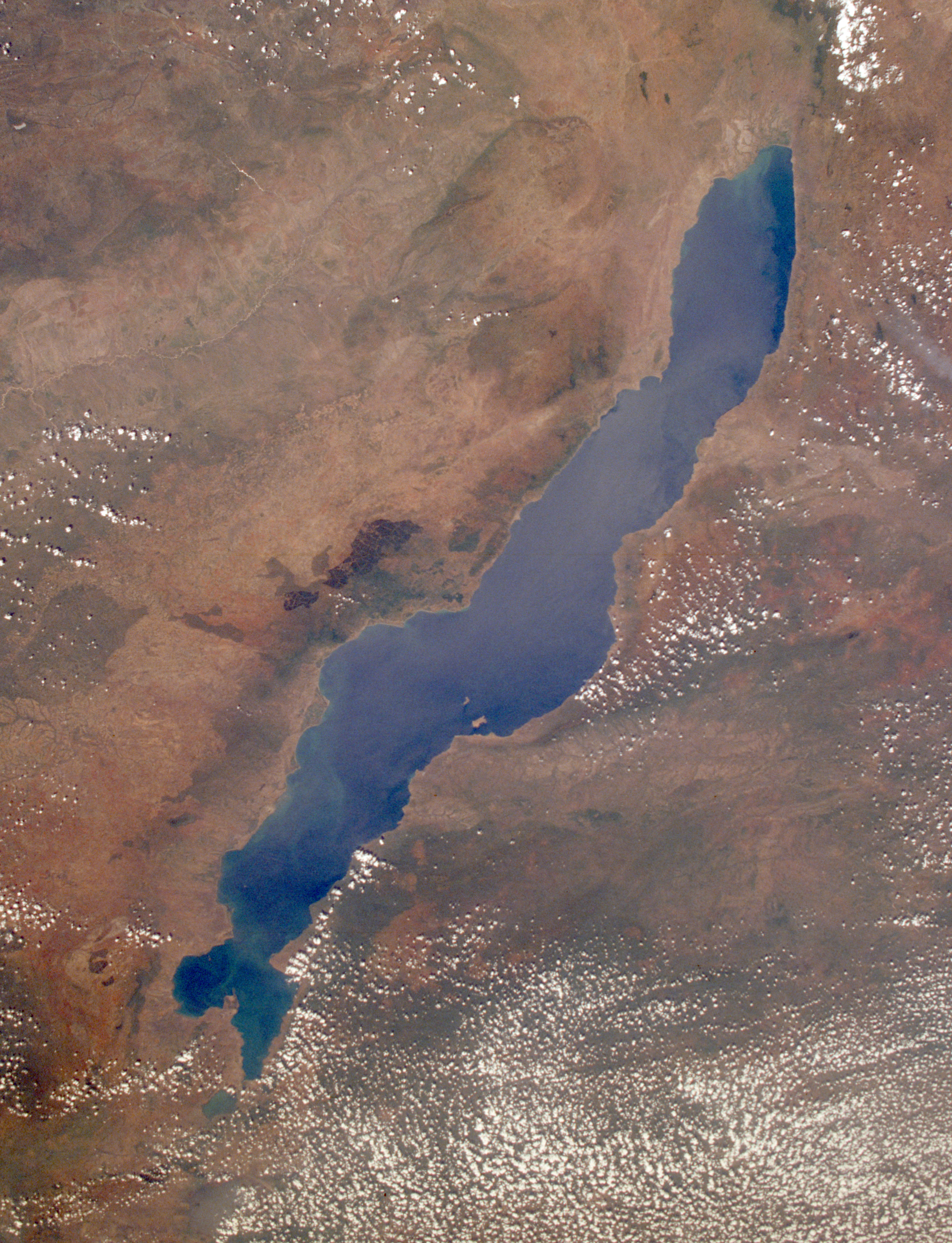
Lake Malawi
Send it to whoever you'd travel with
Lake Malawi — 'the lake of stars' — is a vast freshwater sea where you snorkel with more species of fish than any other lake on earth, island-hop to Likoma's colonial cathedral, and find a beach resort scene without the Indian Ocean prices.
Lake Malawi is not a lake in any intuitive sense. It is 580 kilometers long, up to 75 kilometers wide, and holds 10% of the world's surface freshwater — a sea without tides. The Malawian shoreline, which runs the entire length of the country's eastern border, has beach resorts, fishing villages, rocky headlands, and island communities that feel genuinely distant from the world. David Livingstone called it the 'Lake of Stars' for the reflection of the fishermen's lanterns on the water; the name still fits.
The snorkeling is the scientific highlight. Lake Malawi has more fish species than any other lake on earth — over 1,000 species, predominantly cichlids, most found nowhere else. The rocky shores around Cape Maclear, Monkey Bay, and Likoma Island give the clearest view: clouds of orange, blue, and yellow mbuna cichlids swarming the boulders, some so unafraid of snorkelers they approach within reach. The water is clear and warm year-round, with no salt, no jellyfish, and no sharks.
Cape Maclear on the southern shore is the backpacker heartland — a village with a national park (Lake Malawi National Park), budget lodges on the water, and a rhythm of kayaking, snorkeling, and evening fires. Likoma Island is the opposite: remote, quiet, and home to one of the most improbable buildings in southern Africa — a cathedral almost as large as Winchester's, built by colonial-era missionaries in the early 1900s, in the middle of a small island that takes 20 minutes to walk across.
Malawi as a whole is one of the most welcoming countries in Africa — the 'warm heart of Africa' is the local tagline and it's not marketing language. The lake is the centerpiece, but the surrounding highlands (Zomba Plateau, Mulanje Massif) and the wildlife parks (Liwonde, Nyika) make a lake-based holiday combinable with broader East African travel.
The practical bits.
- Best time
-
May – OctoberThe dry season brings clear skies, blue water, and the best visibility for snorkeling. May through August is cooler and more comfortable; September and October get hotter. The rainy season (November–April) brings heavy daily rain, reduced visibility, and some road closures, but the landscape is lush and lodges offer lower rates.
- How long
-
7 nights recommendedFour nights covers Cape Maclear and a snorkel focus. Seven allows Cape Maclear, a Likoma Island hop, and one or two other shoreline stops. Two weeks combines the lake with Liwonde National Park or the Mulanje Massif.
- Budget
-
$90 / day typicalMalawi is very affordable. Budget backpacker lodges at Cape Maclear cost $15–30/night, meals $5–10. Mid-range lakeshore lodges run $80–150 per room, inclusive of meals at some. Luxury lodges like Pumulani or Mumbo Island Camp push $300–600.
- Getting around
-
Mini-buses and shared taxis along the lakeshore road; ferry and speedboat for islandsThe M5 lakeshore road connects most resorts. Shared minibuses run between towns for low cost. Cape Maclear is 20 km off the main road. The Ilala ferry connects Monkey Bay, Nkhata Bay, and Likoma Island weekly (slow, authentic, budget). Private speedboats run Likoma to the mainland in 2 hours.
- Currency
-
Malawian Kwacha (MWK). USD is accepted at most lodges and can be exchanged at banks and forex bureaus.Cash is primary. ATMs in Lilongwe, Blantyre, Mangochi, and Mzuzu. ATMs along the lake shore are unreliable — withdraw enough in the main cities before heading to Cape Maclear or remote areas. Some lodges accept cards.
- Language
- English is an official language and widely spoken in tourism, business, and government. Chichewa (Nyanja) is the most widely spoken Bantu language and what you'll hear in markets and villages.
- Visa
- Many nationalities including US, UK, EU, Canada, and Australia receive a 30-day visa on arrival at Lilongwe airport and land borders. Check your specific nationality in advance. The e-Visa is also available. Cost is approximately $75.
- Safety
- Malawi is one of Africa's safest countries for travelers. Petty theft is the main concern in cities; the lake and its resorts are very low-risk. Bilharzia (schistosomiasis) is present in some areas of the lake — check current advice on which areas are safe for swimming and snorkeling; Cape Maclear and rocky offshore areas are generally considered safe.
- Plug
- Type G · 230V — British-style three-pin; same as UK. Bring an adapter if coming from continental Europe or the US.
- Timezone
- CAT · UTC+2 (Malawi does not observe daylight saving time)
A few specific picks.
Hand-picked, not algorithmic. Each of these has earned its space.
The best freshwater snorkeling in the world — more cichlid species than the entire Atlantic Ocean. Clear water over rocky lake-bottom boulders with clouds of bright mbuna fish. No equipment required beyond a mask and fins; rental available at every lodge.
A small Malawian island enclave in Mozambican waters, reachable by ferry or speedboat. Baobab-dotted, car-free, and home to St. Peter's Cathedral — an enormous colonial-era Anglican cathedral that feels surreal in this tiny community. One of the lake's must-visit places.
Built by the Universities Mission to Central Africa from 1903 onwards, this cathedral is as large as Winchester and dominates the island's profile from the water. The nave is full of mahogany pillars and tropical-light stained glass. The historical story of its construction is remarkable.
Kayak from Cape Maclear to the nearby Nankoma Islands — rocky outcrops with snorkeling directly off the rocks. A calm half-day water excursion that covers snorkeling, paddling, and the lake's wide-sky emptiness.
The standard ending to every beach day — cold Kuche Kuche beer (local lager) on the sand as the sun drops behind the hills on the western shore. The lake at dusk is a deep pink and orange. The fishing boats returning in silhouette are worth the wait.
A wilderness island camp reachable only by boat — open-sided chalets above the lake, no electricity, endemic fish eagles overhead, and the cleanest cichlid snorkeling in the national park. The benchmark luxury experience in the southern lake.
The old MV Ilala steamer runs a weekly service up the western lakeshore — slow, atmospheric, beloved by backpackers. Upper-deck cabins (bring your own food) watch the shoreline villages and islands pass for two days. The journey is the experience.
The most relaxed and lush settlement on the northern lakeshore — steep forested hills dropping to a bay with several budget guesthouses built over the water. The swimming and snorkeling directly off the lodges is the attraction here.
A stretch of palm-lined beach on the northern lakeshore, less developed than the south. Several mid-range lodges offer quiet beach access with excellent snorkeling on the rocky sections.
The small fishing communities that line the shore maintain the traditional chambo (tilapia) fishery that has sustained the lake population for centuries. Early-morning visits when the catch comes in are organized by most Cape Maclear lodges and give genuine access to lake daily life.
Pick a neighborhood, not a hotel.
Lake Malawi is a city of neighborhoods. The one you stay in shapes the trip more than the property does.
Different trips for different travelers.
Same city, very different stays. Pick the lens that matches your trip.
Lake Malawi for snorkelers and divers
Lake Malawi's cichlid biodiversity is the world's best freshwater snorkeling — warmer, calmer, and more densely populated with colorful fish than any ocean reef at comparable depth. It should be on every dedicated snorkeler's list.
Lake Malawi for budget backpackers on a southern africa circuit
Lake Malawi is a standard stop on the overland Cape Town–Nairobi and Nairobi–Johannesburg routes. Cape Maclear has the backpacker infrastructure. Costs are low, the lake delivers, and the Malawian welcome is warm.
Lake Malawi for couples seeking a beach alternative to the indian ocean
Mumbo Island Camp and the Likoma lodges offer genuine beach seclusion at a fraction of the cost of Zanzibar or the Maldives. The freshwater setting is different but the sunset-on-still-water experience is comparable.
Lake Malawi for wildlife and nature travelers
The lake's fish biodiversity is remarkable; the surrounding Liwonde park adds elephants and hippos; Nyika Plateau adds highland wildlife and rare orchids. Malawi punches well above its size for combined wildlife experiences.
Lake Malawi for families
The calm, warm, shark-free lake is ideal for children. Cichlid snorkeling is a family-friendly introduction to underwater wildlife. Kande Beach and Chintheche are the most comfortable family bases.
Lake Malawi for slow travelers seeking east african depth
A week on the Malawian lakeshore, at one or two lodges, with no agenda beyond snorkeling, fishing village visits, and sunsets, delivers a calm and genuine Africa experience that faster itineraries miss.
When to go to Lake Malawi.
A quick year at a glance. Great, good, or skip — see what each month is doing before you book.
Heavy rains. Roads can flood. Reduced snorkeling visibility. Lower prices. The lake is lush and dramatic.
Peak rainfall month. Some road closures. Not recommended for a lake holiday unless budget-focused.
Still wet but shorter. Snorkeling improves as the month progresses. Landscape is spectacularly green.
Late rains through early April, then quickly improving. The lake is low-traffic and peaceful.
Excellent — dry season established, water clarity returning, cooler comfortable temperatures. Undercrowded.
One of the best months. Clear lake, consistent snorkeling visibility, comfortable temperatures.
Peak dry season. Slightly cooler water (22–23°C) but ideal for activity. Best snorkeling visibility.
Still excellent. Busiest month for southern Africa overland travelers passing through. Book lodges ahead.
Hot and dry. The lake water warms back up (24–26°C). Great conditions, slightly less cool breeze.
Hot — temperatures building toward the rainy season. Still good conditions but warm. Last reliable dry-season month.
Short rains begin mid-month. Transitional. Early November is still fine; conditions deteriorate quickly.
Main rains arrive by mid-December. Some lodges remain open. Festive week busy despite rain.
Day trips from Lake Malawi.
When you want a change of pace. Each one's a half-day or full-day out, easy from Lake Malawi.
Nankoma Islands Kayak & Snorkel
Half-day from Cape MaclearPaddling distance from Cape Maclear lodges — rocky outcrops with extraordinary cichlid density directly off the rocks. No boat needed. The standard half-day activity and the best cichlid snorkeling in the national park.
Otter Point, Cape Maclear
1 hour walk from villageA 40-minute walk along the cape from the village reaches Otter Point — the most fish-dense snorkeling area in the Cape Maclear national park zone, undisturbed by boat traffic.
Likoma Island
Speedboat or ferry from Cape MaclearBetter as a multi-night stay than a day trip (the speedboat charter is expensive for a short visit). If time limits you, a day trip from the northern shore gives the cathedral and beach experience.
Liwonde National Park
2.5 hours south of Cape MaclearMalawi's best wildlife park — boat safaris on the Shire River past hippo pods and elephants coming to drink. A proper two-night stay is better than a rushed day trip, but doable from Cape Maclear with an early start.
Monkey Bay Market
30 min from Cape MaclearThe nearest town to Cape Maclear and the main access point. The market is the most local shopping option in the area; the chambo at the fish-landing is worth visiting at 7 AM when the night boats return.
Thumbi West Island
30 min by kayak or boat from Cape MaclearThe small island visible from Cape Maclear beach — paddleable in calm weather, with good snorkeling around its rocky shores. A self-guided half-day.
Lake Malawi vs elsewhere.
Quick honest reads on the cities people compare Lake Malawi to.
Zanzibar is a saltwater Indian Ocean island with coral reefs, Swahili culture, and strong tourism infrastructure; Lake Malawi is freshwater, less famous, and cheaper. Zanzibar has better international transport links; Lake Malawi has unique fish biodiversity.
Pick Lake Malawi if: You want unique cichlid snorkeling in freshwater at lower cost, without the Zanzibar crowds.
Both are Rift Valley lakes with excellent freshwater snorkeling and cichlid biodiversity. Lake Tanganyika is deeper, more remote, and harder to access; Lake Malawi has better tourism infrastructure and the Likoma Island option.
Pick Lake Malawi if: You want the easier Rift Valley lake experience with the widest range of fish species on earth.
Mozambique's coast offers warm Indian Ocean snorkeling and island options but with higher prices and longer logistics. Lake Malawi is landlocked but calmer, cheaper, and uniquely biodiverse. Both sit in the same wider regional circuit.
Pick Lake Malawi if: You want a beach-and-water experience in the region at lower cost with unique biodiversity.
Okavango is a luxury safari wetland; Lake Malawi is a beach-and-snorkel destination. Both are southern African water-based experiences, utterly different in character and cost. Okavango is much more expensive.
Pick Lake Malawi if: You want a relaxed water-based holiday rather than a structured wildlife safari, at a fraction of the cost.
Itineraries you can start from.
Rough shapes for a trip here — a feel for the pace and cost. Find the one that fits you.
Fly Lilongwe, drive to Cape Maclear (4h). Three full days: cichlid snorkeling, kayak to Nankoma Islands, fishing village morning. Sunset every evening. Return via Mangochi.
Three nights Cape Maclear, fly or speedboat to Likoma Island for three nights (cathedral, beach, baobabs), return via ferry to Nkhata Bay for two nights.
Five nights Lake Malawi (Cape Maclear + Likoma), three nights Liwonde National Park (boat safaris, hippos, elephants), four nights Mulanje Massif trekking, two nights Lilongwe.
Things people ask about Lake Malawi.
When is the best time to visit Lake Malawi?
May through October is the dry season — the most reliable window with clear blue skies and the best visibility for snorkeling. The lake is warm year-round; June through August is slightly cooler (water 22–24°C) with a pleasant breeze. November to April brings heavy rains that reduce visibility and make road travel harder, but lodges offer lower rates and the landscape is vivid green.
Is the snorkeling in Lake Malawi really that good?
Yes — Lake Malawi holds over 1,000 cichlid species, more species of fish than the entire Atlantic Ocean. The rocky lake-floor habitats at Cape Maclear, Likoma Island, and Nkhata Bay support dense populations of brightly colored mbuna cichlids that are approachable and visible in shallow, clear water. The snorkeling is genuinely world-class for freshwater and requires no specialist experience.
Is bilharzia a risk in Lake Malawi?
Bilharzia (schistosomiasis) is carried by snails in shallow, weedy water. The generally accepted guidance is that deep, open water and rocky areas away from reed beds are low-risk; shallow muddy or reedy margins near shore carry higher risk. Cape Maclear's main swimming areas and rocky offshore snorkeling spots are widely considered safe. If you swim, take prophylactic treatment (praziquantel) as a precaution. Consult a travel health clinic before your trip.
How do you get to Cape Maclear?
Fly into Lilongwe from Nairobi, Johannesburg, or Addis Ababa, then take a bus or private transfer south to Monkey Bay junction (4–5 hours), and a final 20 km on a dirt road to Cape Maclear (Chembe village). Shared minibuses from Lilongwe to Mangochi and then Cape Maclear are cheap but slow. Car hire from Lilongwe is comfortable and flexible.
What is Likoma Island?
Likoma is a small Malawian island (7 km wide) in the middle of Lake Malawi, geographically in Mozambican waters. It has no cars, a quiet beach lodge scene, thick baobab forests, and St. Peter's Cathedral — an Anglican church built in the early 1900s that is as large as Winchester Cathedral, sitting improbably at the center of a tiny island community. It's reachable by the Ilala ferry or by speedboat charter.
Can you take the Ilala ferry?
Yes — the MV Ilala has operated on Lake Malawi since 1951. It departs Monkey Bay weekly and makes its way north to Nkhata Bay and beyond, stopping at lakeshore villages and islands including Likoma. Cabin class is basic but atmospheric; deck class is extremely local. The journey from Monkey Bay to Likoma takes around 18 hours. It's not comfortable, but it's one of East Africa's great slow-travel experiences.
What fish will I see snorkeling in Lake Malawi?
Predominantly mbuna cichlids — rock-dwelling fish found only in Lake Malawi, in vivid combinations of blue, orange, yellow, and black. Species include Pseudotropheus, Melanochromis, Labidochromis, and dozens of others. The visibility in the rocky areas is excellent and fish density is very high. Unlike ocean snorkeling, you'll be in calm, warm, brackish-salt-free water with no current.
How far is Lake Malawi from Lilongwe?
The nearest lake access from Lilongwe is approximately 200 km to the Salima area and Senga Bay (2.5 hours). Cape Maclear is further — about 250 km and 4–5 hours with the dirt road section. Nkhata Bay in the north is 5–6 hours. Most visitors fly into Lilongwe and transfer directly to their chosen lake area.
What is Malawi like as a travel destination?
Malawi consistently ranks as one of Africa's most welcoming countries for travelers. Infrastructure is modest but workable; English is universal in tourism; the lake is the primary draw. It's cheaper than Tanzania or Kenya, less frequently visited, and rewards those who go with genuine warmth and outstanding natural experiences. The 'warm heart of Africa' description is earned.
Can you combine Lake Malawi with other southern Africa countries?
Yes — Malawi fits well into broader southern Africa circuits. Overland connections exist to Tanzania (Karonga at the northern border), Zambia (Chitipa border), and Mozambique (Muloza border). Many travelers combine Lake Malawi with Zambia's South Luangwa (6–8 hours by road or short flight), Zimbabwe, or Mozambique's coast in a two-week circuit.
What is the food like at Lake Malawi?
Fresh chambo (Lake Malawi tilapia) is the centerpiece — grilled over open coals and served with nsima (stiff maize porridge) and vegetables. It's excellent fresh fish at extremely low prices. Lodges and resorts serve standard international options alongside local dishes. Nile perch and other lake fish round out the menu. Vegetarian options are easy to find.
Is Lake Malawi good for families?
Yes — the calm, warm, safe (from sharks and currents) lake water is ideal for families with children who can swim. Snorkeling with cichlids appeals to children of all ages. Cape Maclear's lodge scene is family-friendly; Chintheche and Kande Beach are quieter alternatives with safer, shallower beach entries.
What wildlife is around Lake Malawi beyond fish?
The lake itself has hippos, crocodiles, monitor lizards, and a rich bird life including fish eagles, herons, and kingfishers. Baboons are common in the Cape Maclear hills. The surrounding areas offer Liwonde National Park (boat safaris for hippos, elephants, and crocodiles on the Shire River), Nyika Plateau (roan antelope, leopard, rare orchids), and Majete Wildlife Reserve.
What does Lake Malawi National Park protect?
Established in 1980 and the first freshwater national park in Africa to receive World Heritage designation, the park protects the lake's endemic cichlid populations and their rocky-shore habitats around Cape Maclear and the offshore islands. It covers 94 km² of water and shoreline. Entry fees apply to snorkeling and diving within park boundaries.
Can you dive at Lake Malawi?
Yes — several dive operators at Cape Maclear and Nkhata Bay offer PADI courses and guided dives. The visibility and fish density are excellent for diving; the deepest points of the lake exceed 700 meters. Freshwater diving requires slightly different buoyancy adjustment. It's an unusual and genuinely excellent dive experience.
What is the best lodge area for families versus couples?
Cape Maclear suits most travelers with its range of budget to mid-range lodges, excellent snorkeling access, and village life nearby. Mumbo Island Camp is the most romantic and isolated option for couples but requires complete commitment to off-grid living. Kande Beach and the Chintheche Strip lodges offer a family-friendly beach scene with better facilities and calmer logistics.
Is Lake Malawi crowded with tourists?
Not by global standards. Malawi receives far fewer international visitors than Kenya, Tanzania, or South Africa. Cape Maclear has a visible backpacker community in the dry season, but it never feels crowded. Likoma Island, the Chintheche Strip, and the northern lake are genuinely quiet. This is part of the appeal — the experience feels neither packaged nor overrun.
Know someone headed to Lake Malawi?
Send them this guide — real neighborhoods, timing, and prices, with nothing to sign up for.
Copies the link — nothing to install