Essaouira
Send it to whoever you'd travel with
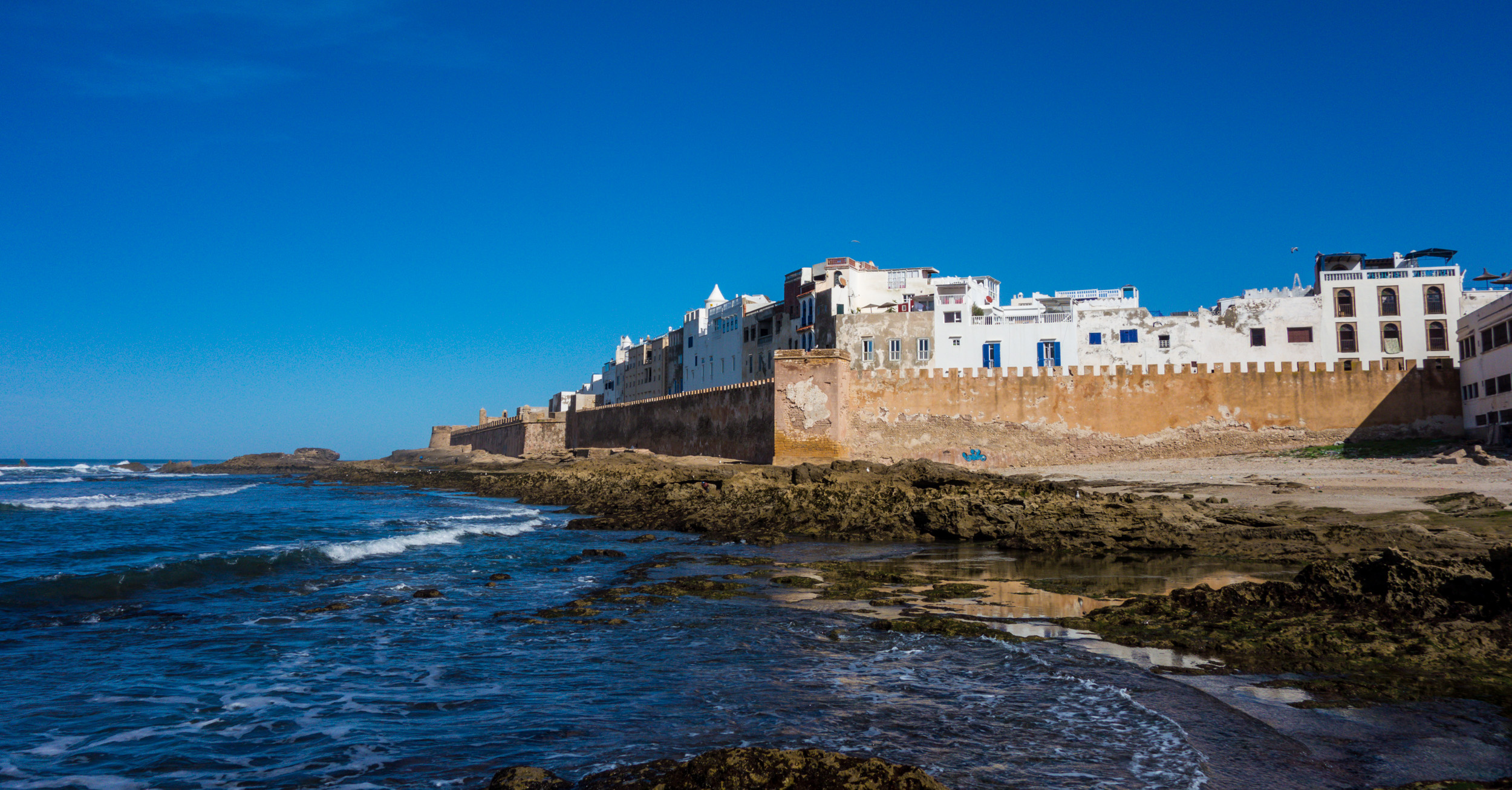
Essaouira is a walled Atlantic port with sea-bleached ramparts, a gnaoua music tradition, near-constant ocean wind, and a medina that operates at a pace Marrakech visitors find startling in the best possible way.
Every experienced Morocco traveler eventually tells the same story: they planned two nights in Essaouira on the way to somewhere else and stayed four. The town operates at a pace that the major medina cities do not. There is no great monument requiring a queue. There are no carpet shops whose owners follow you for three blocks. The Atlantic wind that blows almost daily keeps things moving in a different sense — the air is clean, the sky is dramatic, and the light over the ramparts at golden hour is the particular reward of staying past the afternoon.
The medina itself is a UNESCO World Heritage Site, built by a French military architect in the late 18th century on a grid plan unusual for Moroccan cities. The sea-facing ramparts (Sqala de la Kasbah) look over the Atlantic surf and the small fishing harbor. Blue fishing boats bob next to the wooden-boat-builders' workshops. The gulls are aggressive with your fish-and-chips. None of this is a metaphor — it is simply what happens when you stand on those ramparts at noon.
Essaouira has a genuine artistic tradition beyond tourism. The Gnaoua World Music Festival, held in June, draws Moroccan and international musicians to the medina squares for four days of trance-influenced sub-Saharan music rooted in the spiritual practices of former enslaved West Africans and their descendants. The rest of the year, gnaoua musicians play at teahouses and the medina remains a working hub of Moroccan artisans — marquetry workshops, argan cooperatives run by local women, thuya-wood carving shops.
Game of Thrones filmed the slave city of Astapor here in Season 3, using the Skala du Port and parts of the medina as the fictional Slaver's Bay. The filming locations are not dramatically different from the regular town — which is either disappointing (no set dressing remains) or reassuring (Essaouira is naturally photogenic enough to stand in for a legendary city without modification).
The practical bits.
- Best time
-
April – June · September – NovemberSpring and autumn bring warm temperatures (18–26°C) with manageable wind. July and August are peak season but the Atlantic wind (the alizé trade wind) blows consistently at 25–35 km/h, making the beach cold for swimming — this is, however, what makes Essaouira the world's most consistent kite and windsurfing location. November into December brings quieter, atmospheric, slightly rainy visits.
- How long
-
2–3 nights recommendedTwo nights allows the medina, ramparts, beach, and one good evening in the port. Three nights if you want a surfing or kitesurfing lesson or a day trip to Sidi Kaouki beach.
- Budget
-
$75 / day typicalCheaper than Marrakech. Good medina riads at $50–80/night. Seafood is the main food expense — the grill row at the port runs $10–20 depending on what you order. Kitesurfing lessons ($60–90/day) are the main optional cost.
- Getting around
-
Walking only inside medinaThe medina is entirely pedestrian and compact — 30 minutes to cross end to end. The beach is a 10-minute walk from the medina's south gate. Taxis connect the medina to the bus station and to Sidi Kaouki beach (18 km south).
- Currency
-
Moroccan Dirham (MAD) · cash dominantMost medina restaurants, guesthouses, and shops prefer or require cash. Larger hotels and some surf schools take cards. ATMs cluster near Bab Marrakech, the main gate from the new town.
- Language
- Darija (Moroccan Arabic), French, some Amazigh. English spoken at riads and surf schools. The medina artisan workshops operate in Arabic and French.
- Visa
- Visa-free for EU, US, UK, Canadian, and Australian passports for 90 days.
- Safety
- Essaouira is one of Morocco's most relaxed cities for tourists. Vendor pressure in the medina is low by Moroccan standards — occasionally a shop owner will invite you inside but the pursuit-style harassment typical of Marrakech is rare. The beach is safe to walk in daylight. Be cautious of the Atlantic currents if swimming — the wind creates strong nearshore rips at certain tidal phases.
- Plug
- Type C / E · 220V
- Timezone
- WET · UTC+0 (WEST UTC+1 late March – late October)
A few specific picks.
Hand-picked, not algorithmic. Each of these has earned its space.
The sea-facing fortress walls of the old city. Walk the full length of the ramparts above the Atlantic surf — iron cannons still in position, views to the Purpuraires Islands, and the best light in town at golden hour.
A working harbor with blue wooden fishing boats, boat-builders' sheds, and the best fish grill in the city. Arrive at noon when the catch is in and choose your fish at the outdoor grill stalls.
Essaouira's medina moves at a human pace. The grid layout makes it easy to navigate; the main Rue de la Skala leads through artisan workshops — thuya marquetry, painted pottery, argan oil cooperatives, and musicians' instrument repair shops.
Gnaoua is a Moroccan spiritual music tradition of West African origin rooted in the practices of formerly enslaved people. Street musicians play krakeb (metal castanets) and sintir (three-string bass lute) throughout the medina year-round. The annual Gnaoua Festival in June fills the medina squares with performances.
A 10-km crescent of white sand. The wind makes it consistently cold for swimming most months but spectacular for kite and windsurfing — regularly ranked among the world's top ten locations for both. The northern end near the ramparts is more sheltered.
Essaouira is Morocco's center for thuya-root marquetry — inlaid boxes, frames, and furniture in the aromatic African thuya tree's distinctive golden-brown grain. Buy from the workshops directly, not the souvenir shops near the ramparts, for better prices and genuine craft.
Women-run argan oil cooperatives in the medina produce the culinary (toasted) and cosmetic (cold-pressed) oils from Moroccan argan trees. Genuine cooperatives return proceeds to the women who hand-crack the nuts — look for the Coopérative Feminine de l'Argane sign.
The port citadel (Skala du Port) and surrounding medina streets were used as Astapor in Season 3. No set dressing remains — the connection is atmospheric rather than cinematic. Most useful as a framing device for exploring the port area.
A wilder, emptier beach 18 km south of town with a small surf camp, dramatic offshore rock formations, and a marabout shrine. Better for surfing than the main beach, and genuinely uncrowded. Grand taxi or organized transfer.
The row of outdoor grill stalls at the port entrance. Point to prawns, sea bass, or dorado, agree on weight and price, and eat at plastic tables surrounded by competing gull attention. The prawns are genuinely excellent.
Pick a neighborhood, not a hotel.
Essaouira is a city of neighborhoods. The one you stay in shapes the trip more than the property does.
Different trips for different travelers.
Same city, very different stays. Pick the lens that matches your trip.
Essaouira for surfers and kitesurfers
The primary specialist audience. Consistent Atlantic wind from May through September makes Essaouira one of the world's most reliable kitesurfing locations. Surf schools operate year-round; kite schools peak in summer. Multi-day lessons are significantly cheaper than European equivalents.
Essaouira for couples
Rampart sunsets, fish-grill dinners, and a medina riad with a terrace are the components of a genuinely romantic short break. Essaouira is atmospheric without being demanding. Two to three nights is the ideal romantic trip length.
Essaouira for artists and photographers
Essaouira has attracted foreign artists since the 1960s. The light over the ramparts at golden hour, the fishing harbor, the blue boats, and the thuya workshops are all strong subjects. The town's artistic history is embedded in its guesthouse culture — several riads display work by resident and visiting artists.
Essaouira for first-time morocco visitors
An excellent first Morocco experience — easier than Marrakech or Fez, still genuinely Moroccan. Pair with Marrakech (2.5 h) for a 5-night first trip that covers both the medina city experience and the Atlantic coast.
Essaouira for foodies
The port fish grill is reason enough. Add the argan oil cooperative for culinary oil tasting, amlou (almond-argan paste) at a medina café, and the regional pastry tradition. Essaouira's food scene is honest and good at the low-to-mid price point.
Essaouira for solo travelers
Very comfortable solo. The medina is compact and easy to navigate. The surf and kite school culture is social by nature. Less hassle from vendors than other Moroccan cities. One of Morocco's better options for solo female travelers.
When to go to Essaouira.
A quick year at a glance. Great, good, or skip — see what each month is doing before you book.
Very quiet and affordable. Atmospheric medina with few visitors.
Still quiet. Some rain. Good for slow medina exploration.
Spring beginning. Fewer crowds, good conditions for walking.
Excellent month. Good light, moderate wind, comfortable temperatures.
Wind picking up — good for kitesurfing, cool for beach lounging.
Gnaoua Festival (late June). Wind season peak. Great for kite; cool beach temperature.
Peak kitesurfing season. Cool Atlantic air keeps the heat manageable.
Wind sports peak. Domestic and European tourists. Book early.
Crowds thin, wind easing. Very good shoulder month.
One of the best months. Calm days, golden light, low crowds.
Good for culture and medina wandering. Occasional rain.
Quiet and very affordable. Atmospheric but wet-weather gear useful.
Day trips from Essaouira.
When you want a change of pace. Each one's a half-day or full-day out, easy from Essaouira.
Sidi Kaouki
30 minA crescent beach 18 km south with stronger surf than the town beach, a marabout shrine on a headland, and surf camps at the end of a paved road. Arrange a grand taxi or book through a surf school.
Marrakech
2.5 hSupratours or CTM bus runs morning and afternoon. Better as an overnight destination than a day trip — the medina rewards time you cannot give it in a day.
Agadir
2.5 hA modern, rebuilt Moroccan resort city south of Essaouira — useful for the bus connection south. The old Kasbah on the hill above is worth an hour.
Diabat and Jimi Hendrix connection
30 minA small village 3 km south of Essaouira, near a ruined castle, where Jimi Hendrix reportedly camped in 1969. More legend than documented fact, but the coastal walk is genuinely beautiful.
Inland argan grove excursion
45 minThe spiny argan tree landscape south of Essaouira, where goats famously climb trees to reach fruit, is a genuine regional landscape. Half-day excursions visit cooperative presses and the distinctive thorny groves.
Cap Sim
45 minA headland south of Sidi Kaouki with wild Atlantic scenery, lighthouse, and almost no visitors. Car or organized trip required.
Essaouira vs elsewhere.
Quick honest reads on the cities people compare Essaouira to.
Marrakech is louder, denser, more demanding, and more historically significant. Essaouira is calmer, more relaxed, and Atlantic. Most Moroccan trips combine both — Marrakech for the medina experience, Essaouira for the coastal exhale.
Pick Essaouira if: You want Atlantic atmosphere, wind sports, and a medina without the vendor pressure of the imperial cities.
Agadir was rebuilt after a 1960 earthquake as a modern resort city — wide beach, large hotels, international tourists. It lacks the medina character and atmosphere of Essaouira entirely. Essaouira is for travelers who want character; Agadir is for those who want a straightforward beach resort.
Pick Essaouira if: You want a living historic medina alongside your Atlantic beach experience.
Chefchaouen is mountain, blue, and inland — the Rif range context is completely different from Essaouira's Atlantic seafront. Both are small atmospheric Moroccan towns easier in feel than the imperial cities. They are not natural substitutes for each other but complement a broader Morocco itinerary.
Pick Essaouira if: You want the coast, the sea wind, and the gnaoua music tradition rather than mountain scenery.
Tarifa on Spain's Atlantic coast is the European kitesurfer reference point — cosmopolitan, Spanish, easier in infrastructure. Essaouira is rawer, Moroccan, cheaper, and more culturally layered. Some kitesurfers do both on a Strait-crossing trip.
Pick Essaouira if: You want the Moroccan cultural context alongside the wind sports, not just the sport.
Itineraries you can start from.
Rough shapes for a trip here — a feel for the pace and cost. Find the one that fits you.
Arrive from Marrakech. Afternoon on the ramparts and medina. Evening fish grill at the port. Next morning: argan cooperative and thuya workshops, beach walk, departure by afternoon bus.
Add a surf lesson or kitesurfing intro on day two, plus a late afternoon at Sidi Kaouki beach. Gnaoua music in the medina square in the evening.
Five nights for those who want to actually slow down. Daily beach sessions, three kitesurfing or surfing lessons, a full-day argan oil and coastal drive excursion, and evenings working through the medina's restaurant options.
Things people ask about Essaouira.
Why is Essaouira so windy?
Essaouira sits on the Moroccan Atlantic coast directly in the path of the alizé — the northeast trade wind that blows consistently from late spring through early autumn. Wind speeds of 25–35 km/h are normal; summer peaks reach 45 km/h. This makes the beach cold for casual swimming but ideal for kite and windsurfing. If wind bothers you, plan for spring or autumn. If wind is why you came, July and August are peak conditions.
Is Essaouira in Game of Thrones?
Yes — the port citadel (Skala du Port) and surrounding medina streets were used in Season 3 as Astapor, the slave city on Slaver's Bay. No props or set decorations remain, and the filming locations look exactly like the town normally looks — which was the point. The GoT connection is most useful as a reason to walk the port area carefully rather than as a standalone film-location experience.
Is Essaouira good for surfing and kitesurfing?
Yes — it is one of Morocco's best surf and kite destinations. The beach south of the medina has consistent Atlantic swell and strong reliable wind. Surf schools and kite schools cluster along the beachfront; lessons run $40–70 per day including equipment. The main beach is better for beginners; Sidi Kaouki (18 km south) has stronger and more consistent surf for intermediate surfers.
What is gnaoua music?
Gnaoua is a Moroccan tradition with deep West African roots, originally developed by enslaved people brought to Morocco from sub-Saharan Africa. It combines trance-inducing rhythms played on the sintir (three-string bass lute), krakeb (iron castanets), and qraqeb (larger cymbals) with spiritual chants and rituals historically associated with healing ceremonies. Modern gnaoua has evolved into a popular music form. The annual Gnaoua World Music Festival in June is the largest gathering of gnaoua musicians in the world.
How do I get from Marrakech to Essaouira?
Supratours and CTM buses run direct from Marrakech to Essaouira in about 2.5 to 3 hours. Supratours departs near the Marrakech train station. The shared shuttle (7-seater minivan) services are faster and slightly cheaper. A private taxi is 2 hours but considerably more expensive. There is no direct train — Marrakech is the nearest rail hub.
Is it safe to swim at Essaouira beach?
Swimming is possible but the Atlantic current here is not trivial — strong wind creates nearshore rips and the surf is unpredictable on windy days. The northern end of the beach, sheltered by the medina ramparts, is calmer. Many visitors paddle rather than swim properly. The water is also colder than Mediterranean resorts — summer surface temperatures reach about 20–22°C, which many people find cool rather than refreshing. Kitesurfing and surfing are the activities the beach is designed for.
What is the Gnaoua World Music Festival?
An annual four-day festival held in Essaouira each June, typically late in the month. It brings together Moroccan gnaoua maalems (masters), international jazz and world-music artists, and up to 500,000 attendees to perform in the medina squares, the beach, and purpose-built stages. Entry to most events is free. Hotels in Essaouira book out 6 months in advance for festival weekend — reserve early if this is your reason for coming.
Is Essaouira good for families?
Yes — the medina is walkable, low-pressure by Moroccan standards, and the beach is vast. Children enjoy the fishing harbor, the birds, and the grill stalls. The beach clubs and surf schools offer age-appropriate lessons. The wind is the main practical consideration — small children can find the consistent Atlantic gale exhausting, and sand-in-everything is the normal state. Pack accordingly.
What is thuya wood marquetry and where is the best place to buy it?
Thuya root marquetry is Essaouira's distinctive craft tradition — the root of the Moroccan thuya tree is used to create intricately inlaid boxes, picture frames, backgammon boards, and small furniture pieces in the tree's naturally golden, flame-grained wood. The quality varies widely. Buy from small workshops inside the medina — the Rue Houmman el-Fetouaki area — rather than from souvenir stalls near the ramparts, where prices are higher and quality inconsistent.
What is argan oil and is it worth buying in Essaouira?
Argan oil comes from the argan tree, endemic to southwestern Morocco. Two forms exist: culinary oil (toasted nuts, nutty flavor, used in amlou paste) and cosmetic oil (cold-pressed, for skin and hair). Buy from a Coopérative Feminine label; the cooperative model returns proceeds to the women who do the labor-intensive hand-cracking. The price difference between cooperative argan oil and tourist-shop versions reflects real quality differences.
Is Essaouira less hassle than Marrakech?
Significantly. Essaouira's medina is smaller, the souk pressure is lower, and the 'fake guide' problem that affects Marrakech and Fez is minimal here. Vendors will invite you to look at their shops but generally accept a polite refusal. The overall atmosphere is more relaxed — locals have decades of experience with artists and musicians who came for the atmosphere, not to be sold to, and the culture reflects that.
What are the best restaurants in Essaouira?
The port grill stalls are the practical answer for lunch — point at prawns, pay by weight, eat outside with the gulls. For dinner inside the medina: Elizir has good Moroccan-fusion cooking in a riad setting; Les Chandeliers is reliable for Moroccan classics. Café Taros on the main square has rooftop Atlantic views and is better for coffee and sunset than for serious eating. The medina has a good density of honest tajine-and-couscous places on the side streets.
How many days do I need in Essaouira?
Two nights covers the ramparts, medina, and port grill. Three nights allows a surf lesson and a Sidi Kaouki day. Five or more nights is genuinely justified if the wind sports are the primary draw — kitesurfing requires 3–5 days to learn properly. The town is small enough that you will see everything in 48 hours, but that is not the same as having absorbed it.
Is Essaouira expensive compared to other Moroccan cities?
Mid-range. Cheaper than Marrakech's riad-district pricing, roughly comparable to Chefchaouen. A good medina riad runs $50–80/night; budget guesthouses from $20. Seafood at the port is cheap ($10–20 for a full grill plate). Surf and kite lessons are the main optional cost. The main tourist trap is poor-quality argan oil sold at inflated prices near the ramparts — buy from cooperatives.
What is the weather like in Essaouira?
Atlantic and mild. Summer highs reach only 24–26°C — far cooler than Marrakech in August due to the wind and sea influence. Winter temperatures sit at 12–18°C. Rain is rare in summer but possible from November through March. The constant wind is the dominant atmospheric feature year-round; on calm days (which do occur, typically in October–November), the town has a different, more languid quality.
How does Essaouira fit into a Morocco itinerary?
Most commonly as a coastal detour from the Marrakech–Agadir axis. The bus from Marrakech takes 2.5–3 hours; from Agadir about 2.5 hours. Essaouira works as the Atlantic counterpoint to an inland medina route: Casablanca → Rabat → Fez → Chefchaouen → Tangier covers the north; Marrakech → Essaouira → Agadir covers the Atlantic south. Few travelers combine both arcs on a single trip.
Can I rent a bicycle in Essaouira?
Yes — several shops near the medina gates rent bicycles and scooters. The beach promenade is easy cycling. The road to Sidi Kaouki (18 km) is paved and flat enough for experienced cyclists but exposed to wind — plan to ride with the wind southward and struggle back. The argan orchard roads inland provide good cycling scenery.
Is there a specific time to visit for the Gnaoua Festival?
The Gnaoua World Music Festival runs for four days in late June each year. Hotel rooms sell out 3–6 months in advance for the festival weekend. Day visitors from Marrakech (2.5 h bus) are feasible but the atmosphere — late-night squares, the medina alive after midnight — rewards staying overnight. Most events are free; some premium concerts require tickets purchased online through the festival website.
Know someone headed to Essaouira?
Send them this guide — real neighborhoods, timing, and prices, with nothing to sign up for.
Copies the link — nothing to install