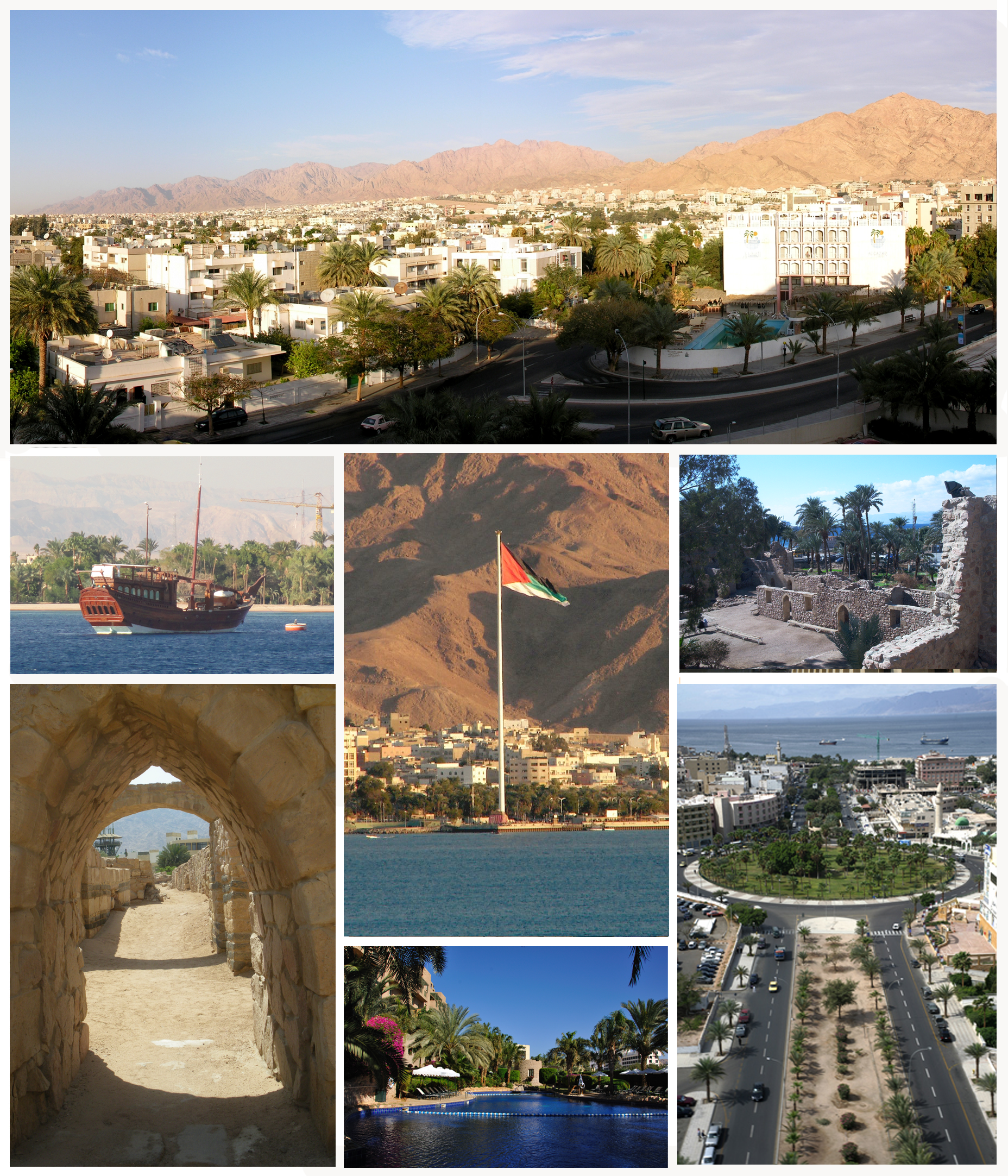
Aqaba
Send it to whoever you'd travel with
Jordan's only coastal city, Aqaba pairs warm-water Red Sea diving with easy access to Wadi Rum and Petra — a relaxed beach base in the desert south.
Aqaba is the quiet half of a Jordan trip. Travelers fly in for Petra and Wadi Rum and treat the Red Sea coast as an afterthought — which is exactly why it's worth a couple of nights. After the rock-cut grandeur of the Treasury and the silence of the desert, Aqaba is where you put your shoulders down: warm shallow water, dive boats puttering out before breakfast, a slow corniche walk in the evening, grilled fish under string lights. The city itself isn't trying to dazzle you. It's a working port and free-trade zone that happens to sit on one of the most accessible coral reefs in the world.
The diving is the headline. The Gulf of Aqaba is narrow and protected, so visibility is consistently strong and the reef sits right against the shore — no long boat rides, no heavy currents, mostly easy entries from a pebble beach. The Cedar Pride wreck and the Tank are the iconic dives, but the house reefs at Tala Bay and the South Beach marine park can fill a long weekend on their own. Water hovers around 22°C in winter and pushes 28°C by late summer. It's a rare dive destination that's better in shoulder season than peak — fewer boats, the same fish.
The city splits cleanly into three zones. Downtown around King Hussein Street is the historic core: souks, the small Mamluk-era fort, and the cheap shawarma joints locals actually eat at. Ayla Marina Village is the polished newer development — yachts, espresso bars, a man-made lagoon and the kind of waterfront where you'll happily lose an evening. Then South Beach and Tala Bay, eight to fifteen kilometers south, is where the resorts and most dive centers live. Where you sleep shapes the trip more than in most cities: downtown for atmosphere and value, marina for walking-distance dinners, South Beach if diving is the whole point.
What makes Aqaba useful as a base is the geometry. Wadi Rum is a 50-minute drive — close enough that you can do a Jeep tour and dinner under the stars without committing to a camp stay. Petra is roughly two hours up the Desert Highway, doable as a long day trip if you're disciplined, better as an overnight. And the ASEZA free visa, granted on arrival if you stay at least a few nights, is a genuine perk: most travelers pay 40 JD for a Jordan visa, and entering through Aqaba's airport, port, or land border skips it. That alone is worth structuring a trip around.
The practical bits.
- Best time
-
Mar – May, Sep – NovComfortable 25–30°C days, warm sea, low rainfall, and the dive boats aren't packed.
- How long
-
3 – 5 nights recommendedTwo nights covers a dive day and a Wadi Rum trip; longer if you're certifying or chaining Petra.
- Budget
-
$157 / day typicalDiving packages and Tala Bay resorts push the top end; downtown hotels and street food keep it cheap.
- Getting around
-
Walk downtown, taxi everywhere else.Downtown and the marina are walkable. Taxis from town to South Beach run about 5–8 JD; agree the fare before you get in. There's no useful public transit. Many divers just stay at a dive center with on-site rooms.
- Currency
-
JD (Jordanian Dinar)Cards are accepted at hotels, resorts, dive centers, and mid-range restaurants. Carry small dinars for taxis, souks, falafel stalls, and the ASEZA registration window.
- Language
- Arabic; English is widely spoken in tourism, dive shops, and hotels.
- Visa
- Free 30-day ASEZA visa on arrival via Aqaba airport, port, or land border if you stay at least 3 nights and register within 48 hours — otherwise the standard 40 JD Jordan visa applies.
- Safety
- Aqaba itself is calm, well-policed, and tourism-dependent — petty crime is rare and walking at night is fine in the main areas. Check your government's current Jordan advisory before booking, as regional tensions occasionally tighten guidance.
- Plug
- Type C / D / F / G / J — 230V, 50Hz
- Timezone
- GMT+3
A few specific picks.
Hand-picked, not algorithmic. Each of these has earned its space.
A Lebanese freighter sunk in 1985 and now draped in soft coral — Aqaba's signature dive, doable from shore with the right entry.
Shallow coral garden right off the pebble beach, easy enough for a first open-water dive and great for snorkelers too.
A decommissioned M42 tank sitting in shallow water — silly, photogenic, and a fun second-dive after the Cedar Pride.
Yacht harbor, lagoon, and walkable waterfront where evenings naturally happen — coffee, ice cream, and lit-up promenade.
Small 16th-century fortress with Lawrence-of-Arabia history; 30 minutes inside, then walk to the giant flagpole on the corniche.
Family-run institution on Raghadan Street known for mixed grills and seafood — a reliable, unfussy first-night dinner.
Aqaba's go-to for grilled fish and Levantine mezze in a maritime-themed dining room — order whole fish by weight.
Open-air seafood with the gulf two meters away. Pricey by local standards, but the setting earns it.
Friday-evening night market on the corniche with crafts, jewelry, and street food — go for the atmosphere, not the bargains.
Day-pass beach club with pools, sunbeds, snorkel rentals, and a calmer alternative to resort beaches.
Purpose-built resort enclave 15km south — quietest sand, best swimming beaches, and most luxury rooms.
Compact museum near the fort covering the city's trading-post past. Pair it with the Ayla archaeological ruins next door.
Pick a neighborhood, not a hotel.
Aqaba is a city of neighborhoods. The one you stay in shapes the trip more than the property does.
Different trips for different travelers.
Same city, very different stays. Pick the lens that matches your trip.
Aqaba for divers
Year-round warm water, shore-entry house reefs, and PADI courses cheaper than most of the Red Sea make Aqaba an easy pick for first dives or recerts.
Aqaba for petra-bound travelers
Aqaba is the smartest fly-in or fly-out point for a Petra and Wadi Rum trip — the free ASEZA visa and direct European flights save real money over Amman.
Aqaba for winter sun seekers
December and January average 20°C and dry — one of the closest reliably warm escapes from Northern Europe with a Red Sea reef attached.
Aqaba for couples
Ayla Marina at dusk, a fish dinner on the corniche, and a sunset Jeep run in Wadi Rum makes a clean three-night romantic loop.
Aqaba for families
Calm shallow water, beach clubs, and a self-contained resort zone in Tala Bay take the friction out of a Middle East trip with kids.
When to go to Aqaba.
A quick year at a glance. Great, good, or skip — see what each month is doing before you book.
Sea is 22°C — bring a wetsuit; great visibility for divers.
Still quiet and cheap; good for diving, marginal for beach lounging.
Shoulder season starts — book ahead for Easter week.
Peak shoulder. Combine with Petra before the summer heat.
Last good month for hiking Wadi Rum; sea is bathwater.
Mornings only for desert trips; afternoons disappear into pools.
Diving is fine — water 27°C — but plan around 11am to 4pm.
Cheapest hotel rates of the year; lock in air-conditioned rooms.
Sea is 28°C — divers' favorite month; ABOFA dive event Sep 9–12.
Peak season. Book dive boats and Wadi Rum camps early.
Excellent for combining Aqaba with Petra in one trip.
Christmas and New Year fill resorts; book months ahead.
Day trips from Aqaba.
When you want a change of pace. Each one's a half-day or full-day out, easy from Aqaba.
Wadi Rum
50 minThe easiest add-on — leave Aqaba mid-afternoon, do a sunset run, sleep under the stars.
Petra
2 hrDoable from Aqaba but better as an overnight in Wadi Musa to catch sunrise at the Treasury.
Tala Bay
20 minCleanest swimming sand near Aqaba, with day-pass beach clubs.
South Beach Marine Park
15 minSkip the boat day and dive straight off the pebble entry.
Eilat (Israel border)
15 min to crossingWadi Araba crossing is straightforward, but exiting here voids the free ASEZA visa — plan accordingly.
Pharaoh's Island (Egypt)
45 min by boatDay boats run from Aqaba marina; bring your passport and a copy of the Egyptian visa rules.
Aqaba vs elsewhere.
Quick honest reads on the cities people compare Aqaba to.
Dahab is cheaper and more bohemian; Aqaba is more polished and better-positioned for combining sea with Petra and Wadi Rum.
Pick Aqaba if: You want a Red Sea trip that's part of a wider Jordan loop, not a standalone dive holiday.
Sharm has more flights, bigger resorts, and busier dive sites; Aqaba is smaller, quieter, and an easy overland to desert wonders.
Pick Aqaba if: You want a calmer beach base with cultural depth a short drive away.
Eilat is more developed and pricier; Aqaba sits across the same gulf with the same reef system at lower cost and fewer crowds.
Pick Aqaba if: You'd rather pay less for the same water and skip the Israel logistics.
Amman is Jordan's cultural and culinary capital; Aqaba is its beach. They're complementary, not competitive — most full trips include both.
Pick Aqaba if: You're choosing where to land — Aqaba for southern Jordan, Amman for the north and Dead Sea.
Muscat is more atmospheric and architecturally striking; Aqaba is cheaper, easier to fly into from Europe, and better for divers.
Pick Aqaba if: You're picking a Middle East beach base for Red Sea reef access rather than Gulf coast scenery.
Itineraries you can start from.
Rough shapes for a trip here — a feel for the pace and cost. Find the one that fits you.
Two dive days at South Beach plus a sunset Jeep run in Wadi Rum. Stay at Ayla or a dive-center room.
Two nights on the Red Sea, one in a Wadi Rum desert camp, two in Wadi Musa to see Petra properly. Fly in and out of AQJ.
PADI Open Water certification across four mornings, with afternoons split between Wadi Rum, the souk, and Tala Bay beach days.
Things people ask about Aqaba.
Is Aqaba worth visiting?
Yes, if you want easy Red Sea diving or a soft landing before or after Petra and Wadi Rum. It's not a sightseeing-heavy city — there's no Old Town to wander for days — but it's the cheapest, warmest place in Jordan to swim, dive, and decompress. Two to four nights is the sweet spot for most travelers.
How many days do I need in Aqaba?
Three nights covers it for most travelers: a full dive or beach day, a Wadi Rum trip, and a slow corniche evening. Add a fourth or fifth night if you're certifying as a diver, planning a long Petra day trip, or just want pool time. Beyond a week you'll run out of new things to do unless diving is the whole point.
Is Aqaba safe for solo travelers?
Generally yes. Aqaba is one of Jordan's calmest tourist cities — low crime, heavy police presence, and a service economy built around visitors. Solo women report mostly positive experiences, especially around Ayla Marina and beach clubs. Dress modestly downtown, avoid unlit side streets late at night, and check your government's current Jordan travel advisory before booking.
What is the best time to visit Aqaba?
March to May and September to November. Days sit between 25 and 30°C, the sea is warm enough for long dives, and the dive boats are quieter than in winter peak. December to February stays mild and sunny — great if you're escaping a European winter — while June to August is genuinely punishing on land, above 38°C most afternoons.
Is Aqaba expensive or cheap?
Cheaper than the Gulf, pricier than Egypt's Red Sea coast. Budget travelers manage on around $70 a day with downtown hotels and street food, mid-range trips run about $157 a day, and resort stays in Tala Bay push past $290. Diving is the main variable: a two-tank day runs roughly 60–80 JD, and an Open Water course is around 350 JD.
Do I need a visa for Jordan if I fly into Aqaba?
Most visitors don't pay. Aqaba is a Special Economic Zone, so arrivals through Aqaba airport, port, or land border get a free 30-day ASEZA visa on arrival — as long as you stay at least three nights and register at the ASEZA office within 48 hours. Otherwise the standard Jordan visa is 40 JD on arrival.
How do I get from Aqaba airport to the city?
King Hussein International Airport (AQJ) is about 10km north of downtown. Taxis at the airport rank cost roughly 10–15 JD to downtown or Ayla and 15–20 JD to Tala Bay or South Beach. There's no train and no reliable public bus from the terminal — agree the fare before getting in, or pre-book a transfer through your hotel.
Is Aqaba good for diving for beginners?
Yes — it's one of the easiest places in the world to learn. The reef sits right against a pebble beach with no boat ride required, currents are mild, visibility is usually 20–40m, and the water stays warm year-round. Several South Beach centers run PADI Open Water courses in three to four days, and shore-entry house reefs make practice dives painless.
Aqaba vs Dahab — which is better?
Dahab wins on price, hippie atmosphere, and the Blue Hole; Aqaba wins on infrastructure, safety, and proximity to Petra. If diving alone is the goal and you want a bohemian beach town, Dahab's the call. If you're combining the sea with Wadi Rum and Petra in one trip, Aqaba is the logical base — the visa, flights, and overland routes all line up.
Can I do a day trip to Petra from Aqaba?
Yes, but it's a long day. Petra is about 128km north — roughly two hours each way via the Desert Highway. Most travelers leave by 6am, spend six to seven hours inside, and return after dark. Honestly, an overnight in Wadi Musa is better; you'll see the Treasury at sunrise without the crowds and avoid the round-trip fatigue.
What is Aqaba known for?
Three things: Red Sea diving, its role as Jordan's only coastal city, and being the practical gateway to Wadi Rum and Petra. Historically it's a trading port going back to the Romans, and it's the setting of T. E. Lawrence's famous 1917 desert raid. Today it's a free-trade zone, a dive destination, and Jordan's main winter beach escape.
Where should I stay in Aqaba?
Downtown if you want atmosphere, cheap shawarma, and souk access; Ayla Marina Village if you want a walkable polished evening and don't mind paying for it; Tala Bay if you want a quiet resort with the best swimming beach; South Beach if diving is your whole reason for coming. Most first-time visitors do best at Ayla.
Is the Red Sea warm enough to swim in winter?
Yes. Aqaba's sea temperature bottoms out around 21–22°C in January and February — chilly for snorkeling but comfortable in a 5mm wetsuit, and divers come specifically for the clear winter visibility. By April it's back above 23°C and from June through October you're swimming in 26–28°C bathwater.
Can I drink alcohol in Aqaba?
Yes. Aqaba is more relaxed than the rest of Jordan on alcohol — hotels, marina bars, resorts, and many mid-range restaurants serve beer, wine, and spirits. There are dedicated liquor shops downtown, and the duty-free zone makes prices noticeably lower than Amman. Public drinking is still inappropriate, and Ramadan brings reduced daytime service.
What day trips are there from Aqaba?
Wadi Rum (50 minutes by car) is the obvious one — Jeep tours, camel rides, and overnight Bedouin camps. Petra (two hours) works as a hard one-day push or a better overnight. Glass-bottom boat trips on the Gulf of Aqaba run from the marina, and the Israeli border at Eilat is 15 minutes away if you're crossing.
Know someone headed to Aqaba?
Send them this guide — real neighborhoods, timing, and prices, with nothing to sign up for.
Copies the link — nothing to install