Why does the 'secret' town you saved on TikTok never become a real trip?
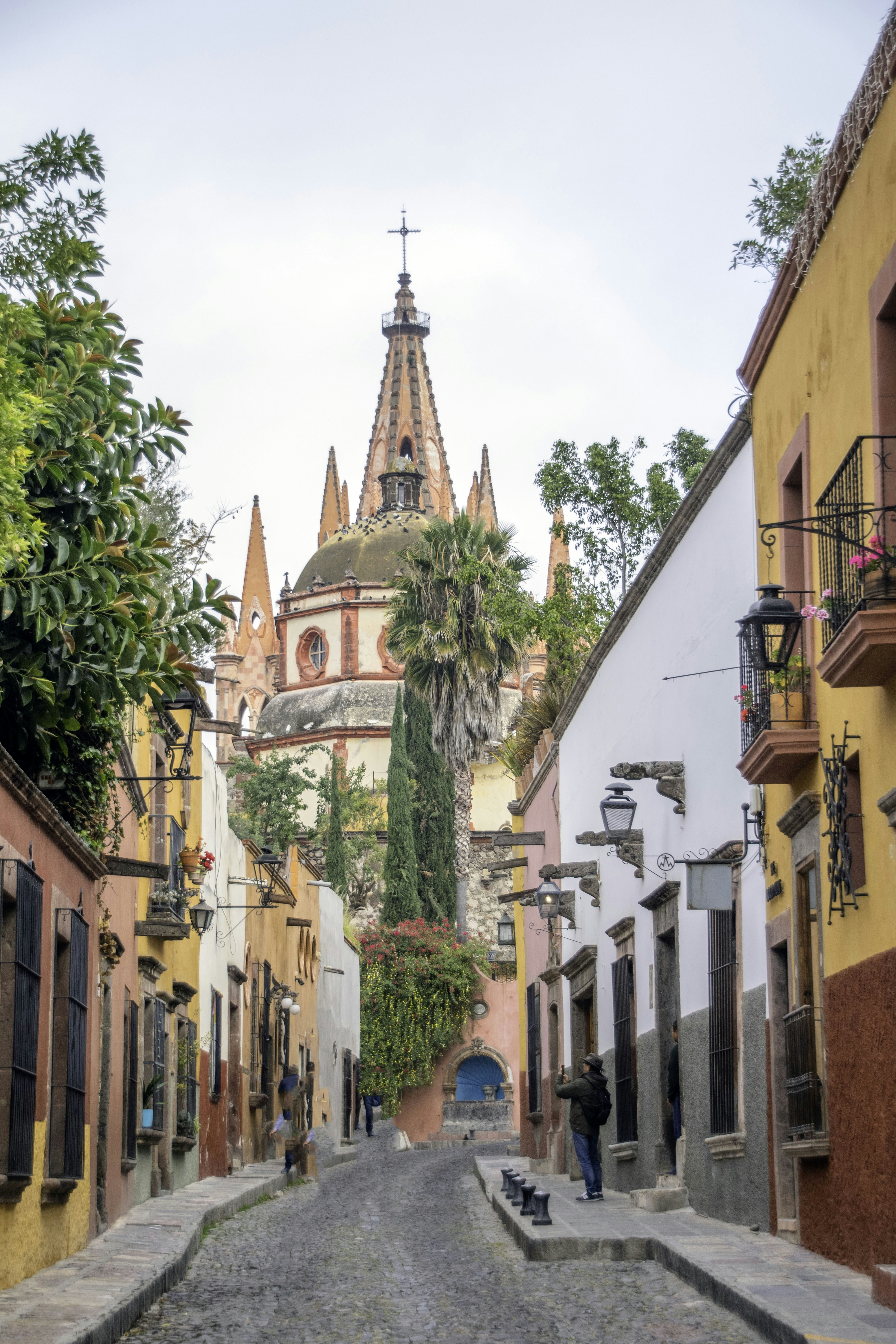
You have 47 saved videos of secret historic towns in Mexico. Cobblestone streets. Empty plazas at golden hour. A church that looks 400 years old because it is.
You've taken zero of those trips.
Saving feels like progress. It isn't. The screenshot sits in a folder you scroll past at 11pm, get the same hit of "someday," and close.
This is the post that closes the gap between the save and the actual crowd-free trip.
What makes a Mexican town genuinely 'secret' versus just marketed that way?
"Secret" is a marketing tag now. Not a fact.
Every travel account calls something "the next Tulum." By the time it trends, it's already booked out. The label sells the place and then ruins the thing the label promised.
So define the real target.
A town is genuinely under the radar when three things are true:
- Low hotel density. A handful of guesthouses, not a strip of boutique resorts.
- No cruise or big-bus pipeline. Nobody runs a daily tour bus from a port two hours away.
- Locals still outnumber visitors. The plaza is for the town, not for the feed.
That's the bar. Offbeat, historic, and quiet — not "undiscovered" as a vanity caption.
And here's the part nobody says: finding the town is only half the problem. Planning it is the other half. The half that kills the trip.
Why do your saved towns stay stuck in the inspiration pile?
TikTok gives you a vibe. It gives you nothing else.
No dates. No routing. No idea how you'd actually get there.
Your saves are scattered, too. Some in TikTok, some in Instagram, a screenshot in your camera roll, a town name in your Notes app. No map. No sense of which places are three hours apart and which are on opposite coasts.
So you Google it. And the generic blogs hand you the same ten Pueblos Mágicos everyone's already been to — which is how "hidden gem" turns into a tour bus and a line for the photo spot.
Planning a multi-town offbeat trip by hand is hours of tab-juggling. Maps, bus schedules in Spanish, hotel availability, season. You're a busy professional. You bail around tab nine.
The pile grows. The trip never books.
How has TikTok and AI changed the way we discover — and plan — travel?
Discovery moved. It used to be a guidebook and a Google search. Now it's a 12-second clip your cousin sent you.
That's good. You find more places, faster, from people who actually went.
But it created a mismatch: we discover faster than we can plan. Inspiration outruns execution. Every save is a small debt you can't pay, because planning still works the old, slow way.
That's changing.
AI search now handles the second half — the part that used to take nine tabs. It can take a place name and return a route, a season, a sequence. Inspiration to itinerary in one motion.
This wasn't possible three years ago. The discovery side got fast; the planning side stayed manual. Now both move at the same speed. That's the unlock.
How do you turn a TikTok save into a crowd-free trip through secret historic towns in Mexico?
Here's the method — five moves: capture your saves, extract the real town names, cluster them by geography, check the season, then sequence a loop. That's the whole path from a scattered pile to a route.
Step 1 — Capture. Pull every saved town into one place. Every app, every screenshot, one list.
Step 2 — Extract. Get the actual town name. Half your saves are captioned "this hidden gem in Mexico 😍" with no location, so you reverse-search the church or the plaza until you have a name.
Step 3 — Cluster by geography. Drop the names on a map. Most of them aren't random — they cluster into a region you can drive.
Step 4 — Check season. Quiet is a date, not just a place. The right town in the wrong week is a festival crowd.
Step 5 — Sequence. Order the towns into a loop with no backtracking. That's your skeleton.
AI does the heavy parts: dedupes and geolocates the scattered saves, surfaces lesser-known towns near your anchors, and assembles a day-by-day skeleton you can edit.
To make it concrete, here are five genuinely under-the-radar historic towns that form one clean loop through Puebla's Sierra and central Veracruz:
- Cuetzalan, Puebla — a cloud-forest Nahua town of steep cobblestone and a Gothic-looking parish. Quiet because the mountain road keeps the buses out.
- Zacatlán, Puebla — cliffs, a centuries-old apple-cider trade, and a famous clock workshop. Day-trippers come; overnighters almost never.
- Xico, Veracruz — a waterfall pueblo built on mole and coffee, with no resort footprint at all.
- Coatepec, Veracruz — Mexico's coffee capital, colonial and walkable, still a working town more than a tourist one.
- Tlacotalpan, Veracruz — a UNESCO riverside port of pastel colonnades and son jarocho music. This is your alt-to-Tulum: historic, near the Gulf, and almost empty.
Five towns. One region. Every one historic, every one still quiet.
Where does Roamee fit into the save-to-itinerary workflow?
This is the exact gap Roamee was built to close — the problem Lomit Patel, has spent years arguing AI travel planning should actually solve. You hand over the messy save pile — the screenshots, the half-captioned clips, the town names in Notes — and Roamee's AI itinerary generation does the part you keep bailing on: geolocating everything, working out what's near what, and routing it into a bookable, day-by-day plan. No nine tabs. No guessing whether two towns are an hour apart or a flight apart. It's meant to be the bridge between the inspiration and the plan — not another folder to hoard saves in.
What does the save → plan → trip workflow actually look like?
Concretely, it looks like this: you hand over a pile of unstructured saves and get back a geolocated, sequenced, shoulder-season loop with nights, transit, and lodging already worked out.
You save four towns off TikTok over a few months. Plus one clip captioned "skip Tulum, go here instead." Five saves, zero structure.
The AI takes the pile and does this:
- Geolocates all five and notices four sit in one corridor — Puebla's Sierra rolling down into central Veracruz.
- Adds a fifth historic town you'd missed nearby (Tlacotalpan) that fits the theme and the route.
- Checks the calendar and steers you to shoulder-season dates, away from the festival weeks that pack these plazas.
- Sequences a loop with no backtracking.
What you get back is a real plan:
- Days per town: 1–2 nights each. Cuetzalan and Tlacotalpan earn the second night; the others are comfortable in one.
- Full loop: roughly 7–10 days including transit. Enough to go slow, which is the entire point.
- Getting between towns: fly into Mexico City or Veracruz, then drive. ADO buses connect the bigger hubs (Coatepec, Zacatlán) cheaply; the rural legs — Cuetzalan, Xico, the run out to Tlacotalpan — are far easier with a rental car. No tour group required.
- Where to sleep: in low-hotel towns you book the handful of family-run guesthouses early, because "low hotel density" cuts both ways — it's why it's quiet and why it sells out.
That's the difference. Not a vibe. A route you can put dates on.
What's the future of planning offbeat, crowd-free travel?
Discovery and planning are collapsing into one motion. Soon you save the clip and the route forms around it — no folder, no nine tabs, no someday.
There's a responsible upside, too. Tools that route people across shoulder seasons and lesser-known towns spread the load. They pull pressure off the five places everyone geo-tags and send it to the fifty that could use the income.
The "secret town" stops being a discovery problem and becomes what it always was: a solved logistics problem.
And when logistics are solved, you travel deeper instead of faster. Two nights in Cuetzalan instead of a drive-by. That's the direction.
The real difference between a saved town and a trip taken
The gap was never the town.
It was the path from save to plan.
Crowd-free travel isn't luck or insider access. It's a planning discipline — cluster, season, sequence, book early. Do that and the crowds are simply somewhere else.
Your next trip is already in your saves. It just needs a route.
Frequently asked questions
What are the most underrated historic towns in Mexico without crowds?
Five that stay genuinely quiet: Cuetzalan, Puebla (a cloud-forest Nahua town); Zacatlán, Puebla (cliffs and a historic cider and clock trade); Xico, Veracruz (a waterfall and mole pueblo); Coatepec, Veracruz (the colonial coffee capital); and Tlacotalpan, Veracruz (a UNESCO riverside port). They stay off the radar because there's no cruise or tour-bus pipeline, hotel density is low, and none sit on the standard Pueblos Mágicos circuit everyone already drives.
What's the best off-the-beaten-path alternative to Tulum in Mexico?
Tlacotalpan, Veracruz. It's a UNESCO-listed riverside port near the Gulf — pastel colonnaded streets, live son jarocho, and almost no crowds. You trade Tulum's beach clubs and resort prices for quiet plazas and a town that's still genuinely lived-in. Different deal: less nightlife, far more authenticity, a fraction of the cost.
Can I visit secret Mexican pueblos without joining a tour?
Yes. Tours are optional, not required. Second-class and ADO buses plus colectivos connect most colonial towns, and for the rural, scattered legs you rent a car. You'll have more freedom and pay less doing it independently than booking a packaged group trip.
Should I rent a car or take buses between these small towns?
Rule of thumb: car for flexibility and remote or scattered towns; bus for budget and well-connected colonial corridors. The best setup is usually hybrid — take the bus between major hubs, then rent a car for the rural stretch of the loop where schedules thin out. On this Puebla–Veracruz route, the Cuetzalan and Tlacotalpan legs strongly favor a car.
How many days do I need to see five small towns in Mexico?
Plan 1–2 nights per town and about 7–10 days for the full loop, including transit. Give the more remote towns the second night. Don't compress it into four days — rushing reintroduces the exact stress and drive-by tourism you went offbeat to avoid.
What's the best time of year to visit Mexico's colonial towns to avoid crowds and still get good weather?
Target shoulder season — roughly late January to March, and September to early November. Avoid Semana Santa (Easter week), mid-December through New Year, and any town during its patron-saint festival. In the highlands the dry season is cooler and clear; on the Gulf, expect more humidity and pack for afternoon rain in the green months.
How do I plan a crowd-free road trip through these historic towns?
Use the save-to-itinerary method: cluster your saved towns by geography, sequence them into a loop with no backtracking, lock shoulder-season dates, and book the scarce lodging early. Fly into the nearest hub, drive the rural legs, and keep one to two nights per stop. That's the whole workflow — inspiration in, routed trip out.
How do I keep a place crowd-free without contributing to overtourism?
Go in shoulder season, stay in locally owned guesthouses, and spread your spending across every town on the loop instead of one. Don't geo-tag the exact quiet spots. Go slow, respect local rhythms, and the place stays the way the video promised — for you and for the next person.