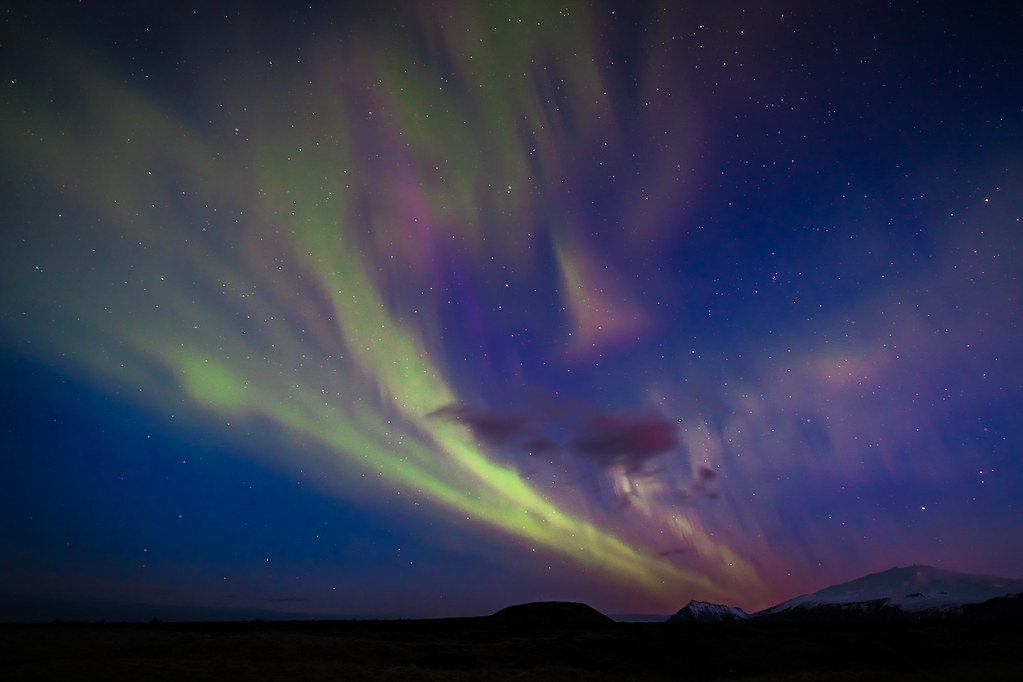
You've Saved 40 Aurora Reels — So Why Haven't You Booked?
Open your phone. Count the green-sky clips in your saved folder.
Forty? Fifty? A glass igloo in Finland. A hot spring in Iceland with ribbons overhead. A drone shot of Tromsø you've rewatched a dozen times.
And not one booked date.
The ache is real, and it's specific: Northern Lights destinations over 50 sit near the top of almost every bucket list, yet almost nobody books them. You're over 50 now, and you don't want an endurance ordeal. You want to see the aurora in comfort — a warm base, a soft pace, no white-knuckle drive across black ice at midnight.
Here's the thing no reel will tell you: whether that comfortable version is even possible.
It is. But the aurora is a narrow-window, cold-weather trip — and the algorithm hides both facts. That's the whole reason you're stuck.
Why Do Northern Lights Reels Never Turn Into a Booked Trip?
The inspiration is lying to you. Not about the beauty — about the effort.
Inspiration is infinite. What you actually need to commit is two things, and neither appears in a 12-second clip: a specific season and month, and a comfort-and-pacing plan you trust.
Start with the question that stalls everyone. When is the best season and month to see the Northern Lights? The answer is narrower than the feed suggests: roughly late September to late March. Outside that window, the sky isn't dark enough. That's it. That single fact — that this is a fixed season, not an anytime trip — is the biggest reason your saved clips never become a booked date. You can't feel a deadline the algorithm never shows you.
Then there's the over-50 layer nobody films. Cold tolerance. Energy after a long travel day. The fact that viewing happens late — 9 p.m. to 2 a.m. — when you'd normally be asleep. All of it needs planning. None of it fits in a reel.
So here's the promise. By the end of this, you'll have a destination, a month, a night count, and a booking timeline. Four decisions. That's a trip.
Why Do Feeds and Generic Trip Advice Fail Aurora Chasers?
The reel shows you one perfect night. It never shows the three cloudy ones before it.
That's the core distortion. You're seeing a highlight, not the odds. So you assume the aurora is something you show up and collect. It isn't.
How many nights do you need to reliably catch the aurora? Plan 4–5 or more. Three is a floor, not a target. One-nighters fail because three separate things have to line up on the same night: aurora activity, clear skies, and you being awake to see it. Give yourself one shot and you're betting a bucket-list trip on a coin flip. Give yourself five and the math flips in your favor.
How cold is it, and how do you pace an aurora trip after 50? Generic itineraries are useless here. They stack activity — dogsledding at nine, snowmobiling at two, aurora hunt at eleven — and ignore recovery entirely. That schedule works at 30. At 55 it turns your dream trip into a survival exercise.
And the destination guides? They list "best places" with zero honest ranking for ease of access or comfort. As if flying into a remote inland strip in January is the same as landing in Reykjavík. It is not.
Nothing ties timing, place, pacing, and budget together. So you end up with 14 browser tabs and no plan. Tabs aren't a plan.
How Has Social Media Changed the Way We Chase the Aurora?
Saving got easy. Deciding got hard.
That's the whole shift. TikTok, Reels, and Instagram made aurora inspiration infinite and instant. One thumb-tap and it's yours forever. The friction that used to live in finding the trip is gone.
So the bottleneck moved. It's not desire anymore — you clearly want this. It's not information — you've absorbed more aurora footage than a 2005 traveler saw in a lifetime. The bottleneck is now the gap between saving and booking. Save-to-book friction is the actual problem.
And the feed makes it worse by provoking the exact questions it refuses to answer. Which aurora destinations are easiest and most comfortable to reach? Iceland, Norway, Finland, or Canada — which is right for you? Every clip raises them. No clip resolves them.
This isn't an inspiration shift. It's a decision shift. And the thing travelers now expect — reasonably — is a tool that takes the taste they've already expressed in that saved folder and turns it into a concrete, personalized plan.
How Can AI Turn Aurora Inspiration Into an Actual Plan?
The aurora is a matching problem. Narrow window × your comfort limits × destination trade-offs. That's exactly the shape of problem AI is good at.
A person drowns in that math. A system doesn't. AI can read the clips and locations you've saved and cross-reference the things that actually determine success: dark-sky season, aurora-oval latitude, historical cloud and weather patterns, and how brutal the travel day is to get there.
How do you increase your odds of actually seeing the lights? You stack the deck. More nights. The right latitude under the aurora oval. Mobility to chase clear skies when your base clouds over. Timing your viewing to the forecast instead of hoping. AI can hold all four at once and build them into the plan — the diagnosis dictates the treatment.
The personalization is what matters most after 50. A good system paces in rest days. It avoids the transfer that costs you a full day of energy. It matches destination cold to your actual tolerance — coastal and milder, or inland and clearer — instead of dropping the same itinerary on a 30-year-old and a 60-year-old. Comfort stops being an afterthought. It becomes an input.
Where Does Roamee Fit In?
We've been thinking about this exact gap — it's the one Lomit Patel set out to close with AI travel planning, and the reason Roamee exists. Roamee takes the aurora reels and places you've already saved — the TikTok inspiration chaos that never becomes a booked trip — and uses AI itinerary generation to turn them into a single timed, paced plan, instead of leaving them to rot in a folder. The useful part is the triage: it reconciles conflicting clips into one best month and one destination, then builds in the rest days, warm daytime activities, and short transfers that make a winter trip work after 50. It's the bridge from saved-inspiration to booked-trip. That's the whole idea.
What Does Planning an Aurora Trip With AI Actually Look Like?
Here's the concrete loop.
You save: five Tromsø reels, one Finnish glass-igloo clip, and that Iceland video of ribbons over a steaming hot spring. Three destinations, no decision. Classic saved-folder paralysis.
AI does the reconciling. It reads the taste in those saves and flags your best window — say, late January into February, when dark hours are long and odds are strong. It ranks the three on the axes you actually care about: ease of access, comfort, and aurora odds. It sets a 5-night base with a chase buffer so one cloudy night doesn't sink the trip. It adds a rest day right after the flight, because it knows you'll land tired. Then it slots warm daytime activities so you're not just enduring cold and waiting for dark.
You get a booked, well-paced trip with a realistic aurora-odds plan. A month. A base. A night count. A rhythm that respects your energy.
Not 40 more saved clips. One committed date.
That's the loop closing. Scattered inspiration in, single booked trip out.
What's Next for Planning Bucket-List Trips Like the Aurora?
Planning is moving from manual research to translation. You express taste and constraints; the system returns an itinerary. The tabs, the cross-referencing, the guessing — that layer is dissolving.
For narrow-window, high-stakes trips, timing intelligence becomes the core value. The aurora, cherry blossoms, wildflower blooms, wildlife migrations — these all run on a calendar you can't negotiate with. Getting the when right is most of the battle, and it's the part humans are worst at eyeballing from a feed.
Over-50 travelers benefit most from this shift. Comfort and pacing stop being things you bolt on after booking and start being first-class planning inputs — weighted as heavily as price or destination.
The save-to-book gap is the real problem. It's the one the next era of travel tools exists to close.
The Aurora Won't Wait for the Perfect Reel
The lights run on a season. Not on your saved folder.
That's the whole point. The window is fixed — late September to late March — and it's the reason to act now instead of saving clip number 41.
Three commitments close the gap:
- Pick a month. Feb–early March is the comfort-and-odds sweet spot.
- Pick a comfortable base. Iceland or Tromsø for ease; Finnish Lapland or the Yukon if you want it.
- Book enough nights. Four or five minimum, with a buffer.
How far ahead should you book an aurora-season trip? Four to eight months out for peak winter dates — earlier if you want a glass igloo or a limited aurora lodge, because that stock is thin and it goes fast.
Stop hoarding. Pick a date.
Northern Lights Destinations Over 50: Frequently Asked Questions
What is the best time of year to see the Northern Lights over 50?
Aurora season runs late September to late March, and the best odds fall in December through February when nights are longest and darkest. The trade-off matters after 50: Dec–Feb is coldest but gives you the most dark hours, while late September–early October and March bring milder cold, softer weather, and more comfortable daytime activity. If you want the sweet spot between odds and comfort, aim for February to early March.
Where is the easiest place to see the Northern Lights for older travelers?
Reykjavík and South Iceland, along with Tromsø in Norway, are the easiest — short flights, solid infrastructure, English spoken widely, and guided aurora chases on tap. Strong runners-up are Finnish Lapland (Rovaniemi or Saariselkä) for glass-igloo comfort, and the Yukon (Whitehorse) in Canada for stable inland skies. After 50, the factors that matter are direct flights, paved transfers, and warm lodging — prioritize those over chasing the single darkest sky.
How many nights do I need to reliably see the aurora borealis?
Plan a minimum of three aurora-viewing nights; four to five or more meaningfully improves your odds. The reason is that three things must align on the same night — aurora activity, clear skies, and you being awake to catch it. A single make-or-break night is a coin flip. Build a cloud-and-chase buffer instead so one bad night doesn't sink the trip.
Is a Northern Lights trip too cold for people over 50?
No — not if you plan for it. The cold is manageable with proper layering, heated lodges, and coastal destinations that run milder than the deep inland. Coastal bases like Tromsø and Iceland are warmer and wetter; inland spots like Finland and the Yukon are colder but clearer. The real key is pacing: schedule rest, don't stack late nights back to back, and fill your days with warm activities rather than more time outdoors.
Should I go to Iceland or Norway to see the Northern Lights?
Choose Iceland for the shortest flights, hot springs, and an easy scenic combo trip; choose Norway (Tromsø) for the higher aurora-oval latitude and stronger odds. Iceland's trade-off is more changeable cloud cover; Norway's is colder temperatures and a slightly longer journey. Finland (comfort and igloos) and Canada (clear inland skies) are the other two worth weighing — and if you have the flexibility, do both across two seasons.
How do I plan a comfortable aurora trip after 50?
Pick one warm base, add a rest day right after your travel day, book guided chases so you're not driving on ice at night, and keep your days light. Match the destination's cold to your actual tolerance, and prioritize direct flights and short transfers over squeezing in more stops. Use a planner to reconcile your saved clips into a single paced itinerary rather than trying to hold it all in your head.
How much does a Northern Lights trip typically cost?
Budget roughly $2,500–$5,000+ per person for a 5–7 night winter trip, depending on destination and lodging. The big cost drivers are glass igloos and aurora lodges, guided tours, peak-winter airfare, and cold-weather gear. Iceland and Norway trend higher; shoulder dates in late September or March can bring both airfare and lodging down.
What should I pack and wear for a Northern Lights trip over 50?
Dress in three layers — a thermal base, an insulating mid, and a windproof, waterproof shell — plus insulated boots, hand and toe warmers, and a warm hat. Over-50 comfort adds a hot-water bottle or heated insoles, a tripod and phone with night mode, a thermos, and any medications you need for cold-weather conditions. Note that many operators lend heavy outer suits for night chases, so check before you overbuy the bulkiest gear.
How far ahead should I book an aurora-season trip?
Book 4–8 months ahead for peak winter (December–February), and earlier still if you want a glass igloo or one of the limited aurora lodges. Winter airfare and specialty stays sell out and rise fast, so waiting costs you both money and options. Pick your month now and book it — the season is fixed and the reels aren't going anywhere, but the dates are.