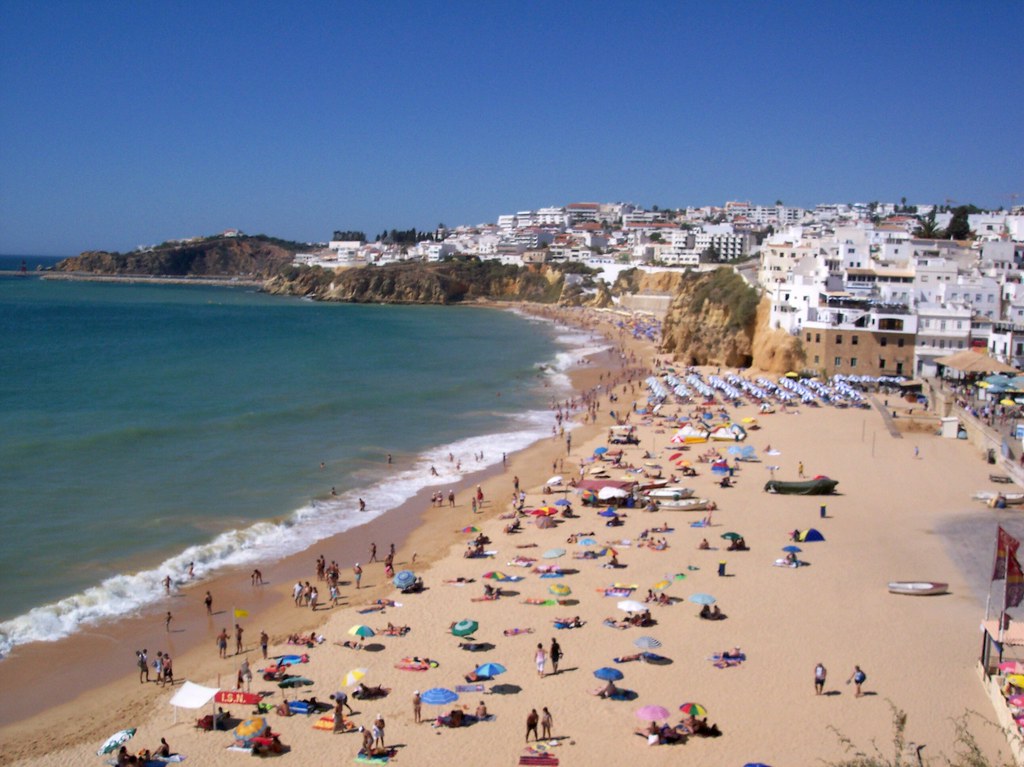
Why does saving 40 European summer reels leave you more stuck, not closer to booking?
You went looking for the best places in Europe for summer over 50, and now you have the folder. Amalfi at golden hour. Santorini's blue domes. A lavender field in Provence. Lake Como from a boat.
It grows every week.
The trip doesn't.
Over 50, there's a quiet math running underneath all of it. Summer is your window — the weather cooperates, the grandkids are out of school, your energy is where you want it. And every summer that slips by is one you don't get back.
The saved hoard feels like progress. You're doing research. You're getting closer.
You're not. The folder is the thing keeping you frozen. Every save adds an option and removes a decision.
The real blocker isn't picking a city — it's reconciling everything you saved
Let's name it plainly. You have 40 clips and zero structure. No sense of how any of them fit into two weeks.
You're not indecisive. You have no framework to merge them into a route, a pace, or a plan that respects the season.
That's a different problem than "where should I go."
And over 50, the stakes aren't just aesthetic. Heat, crowds, cobblestones, and recovery time turn a dream list into a physical liability. A route that looks gorgeous on a map can wreck you in practice — six cities in fourteen days, half of them baking at 100°F, all of them requiring you to pack and unpack every other morning.
The goal was never more inspiration. You have enough inspiration to fill three trips.
The goal is one itinerary you'll actually book.
Why doesn't a 'best places in Europe for summer over 50' list solve your planning problem?
Because a ranked list adds options. It doesn't sequence them, pace them, or heat-check them for you.
That's the whole gap.
A "best places" article is one-size-fits-all by design. It doesn't know your mobility, your dates, or that half its picks are unbearable in August. It hands you twelve must-sees and walks away.
It ignores the logistics that actually make a trip work:
- How these cities connect to each other
- How many days each one genuinely needs
- What to cut when the math doesn't fit
So you end up with twelve must-sees and no way to fit them into fourteen days without exhausting yourself. You try to keep them all. You burn out planning it. It never gets booked.
The saved-reels version is the exact same failure — just personalized. Inspiration without a plan. A more beautiful dead end.
How did trip planning turn into a folder of saved clips you never use?
Here's what changed, and it isn't you.
TikTok, Instagram, and Reels made travel inspiration infinite and frictionless. Saving got easier than planning. So saving quietly replaced planning.
The algorithm rewards the save, not the finished decision. It's built to keep you collecting. The hoard isn't your failure of discipline — it's a feature of the platform working as designed.
Which means travelers now arrive at planning already buried under their own saved content. You start the trip overwhelmed, before you've booked a thing.
That's the behavior shift. And a static "best places" list can't fix it, because it's the same medium that created the pile.
AI is the new counterweight. It's the first tool that can actually read the hoard and turn it into structure — cluster it, cut it, sequence it. A list never could do that. A blog post can't do that.
The tool that closes the gap between saving and booking finally exists.
How do you turn dozens of saved summer reels into one workable itinerary?
Direct answer: you feed the hoard to AI, and let it cluster by region, cut the redundancy, sequence a route, and run a heat-and-pace filter over the whole thing.
That's the reconciling humans stall on. Forty saves become four or five anchor stops — with visible logic behind every cut.
Step 1 — Cluster. Group the saves by region so you can see that six of your clips are really the same coastal experience three times over.
Step 2 — Heat-check. Layer in what lists omit: July and August heat windows, crowd timing, which picks bake and which stay breathable.
Step 3 — Sequence. Order the survivors into a route that connects cleanly, with 3–4 nights per base instead of a nightly reshuffle.
Step 4 — Pace it for your body. Build in recovery days, a gentle daily rhythm, air-conditioned lodging, and mobility-aware routing.
The over-50 lens is baked in from the start, not bolted on. The result isn't a blank page you dread. It's a first-draft itinerary you edit — which is a completely different task, and a much easier one.
Where does Roamee fit in?
This is the exact problem we've been thinking about at Roamee. You save the places that stop your scroll — Amalfi, Como, Provence, all of it — and Roamee reads that hoard and generates a paced, heat-aware summer itinerary you can adjust, instead of one more list you have to reconcile yourself. It reflects how Roamee's Lomit Patel thinks about AI travel planning: the tool should do the reconciling — clustering, cutting, sequencing — not hand you another ranking. It's built to resolve the chaos that TikTok-era travel inspiration creates: turning saved clips into a route with a rhythm, not a folder that keeps growing. The mechanism, not the pitch.
What does turning your saved places into a paced summer trip actually look like?
Let's make it concrete.
Say you saved a typical August-bakes-hot mix: Amalfi, Santorini, Provence, Lake Como, Dubrovnik, and Seville.
Gorgeous. Also unplannable as-is.
Here's what the reconciling looks like:
Flag the heat risks. Seville routinely pushes past 100°F in August. Amalfi and Santorini get hot, crowded, and crushed with cruise traffic in peak weeks. Those get flagged, not deleted — timed or traded.
Cut the redundancy. Amalfi and the Dubrovnik coast and Santorini are three versions of the same coastal-cliff day. Keep the one that anchors your route best. Drop the two that only add transfer time.
Sequence what survives. Provence and Lake Como stay cooler and connect cleanly through the north. Build the trip around them.
You get: a 14-day route with four stops, 3–4 nights each — Provence, Lake Como, one coastal anchor, one city — weighted toward the cooler regions. A midday-break daily rhythm. Air-conditioned, central stays flagged to book first. And a travel window pushed to the shoulder edge of summer.
The why stays visible. Seville got swapped because your dates are locked to August and it bakes. Dubrovnik got cut because it duplicated a coast you're already seeing and added a long transfer. You can overrule any of it — but now you're editing a plan, not staring at a pile.
What does summer trip planning look like when AI handles the reconciling?
Saving a clip stops being a dead end. It becomes the first step of planning — the raw input, not the whole activity.
The question shifts. It's no longer "which list do I trust." It's "let me refine the draft my own saves already produced."
Heat, crowds, and pace become inputs the plan respects by default — not afterthoughts you discover on day three. That matters more every year, because European summers keep getting hotter, and the old "just go in July" advice is quietly expiring.
And over-50 travelers finally get itineraries built around a real body's limits — recovery, cooler timing, gentle days — instead of a 20-something's highlight reel that assumes you'll walk fifteen miles in the sun and love it.
The saved folder was never the problem — the missing plan was
The hoard is potential energy. That's all it is. It only becomes a trip when something turns it into a paced route.
And over 50, the pace is the trip. Fewer stops. Cooler timing. Recovery built in. That beats seeing everything and remembering none of it — every time.
So stop saving. Start reconciling.
The two-week summer window is real, it's finite, and it's worth booking now.
Frequently asked questions about planning a European summer trip over 50
Which European regions stay comfortable and less crowded in July and August?
Northern and higher-elevation regions hold up best. Think the Atlantic coasts — Brittany, the French and Spanish Basque Country, Galicia — plus the Alps, the Dolomites, Scandinavia, Scotland, and the Baltics. They run cooler on average, catch sea breezes or mountain air, and draw thinner crowds than the Mediterranean core. Use them as your anchors when your southern picks are the ones that bake.
How many stops should a two-week European summer trip actually include?
Four to five. Not eight. Aim for 3–4 nights per base so you can unpack, rest, and handle the heat without the daily drain of packing and moving. Over 50, fewer stops with real recovery time beats a checklist sprint you never fully enjoy.
Should I skip southern Europe in August because of the heat?
Not skip it — time it and structure it. If you can flex your dates, shift Andalusia, southern Italy, and the Greek islands to early June or September when it's warm but livable. If August is locked in, keep a couple of southern stops but build midday breaks and genuinely air-conditioned stays around them, and weight the rest of the route toward cooler regions.
How do you build a heat-aware daily rhythm so summer sightseeing isn't exhausting?
Front-load the outdoor sights before 11am, take a real midday rest or a long indoor lunch through the worst of the heat, then resume in the late afternoon and evening. Match the local pace — the siesta exists for a reason, and fighting it is how you end up wilting. Book stays with true air conditioning and central locations so you're not walking long distances in peak sun.
Which saved destinations should you cut, and how do you decide?
Cut on three tests: redundancy (three similar coastal towns — keep one), heat risk inside your actual travel window, and routing (anything that forces a long transfer for a short stay). Keep the stops that anchor a region and connect cleanly to the next one. Decide by what your two weeks and your energy can genuinely hold, not by what looks best saved individually.
How do you avoid the worst summer crowds without traveling in the off-season?
Target the shoulder weeks — the first half of June and the back half of September — plus lesser-known towns just outside the famous ones, and midweek arrivals. Book timed-entry attractions for early morning slots. You dodge the worst of the density without giving up the warm weather you came for.
When is the best window in summer to travel to avoid peak heat and prices?
Early-to-mid June and the back half of September sit just outside the peak: warm, cheaper, thinner crowds, and milder heat. Avoid mid-July through late August, which brings the hottest, priciest, most crowded conditions — especially across the south. A one-to-two-week shift in your dates often changes the whole trip.
What should you book first to lock in air-conditioned, well-located stays?
Book your lodging before any intra-Europe flights. Well-located rooms with real air conditioning in popular summer spots are the first things to sell out and the fastest to get expensive. Confirm it's actual A/C and not just a "fan," check that the location is central enough to limit heat-walking, and make sure there's an elevator if stairs are a concern.